


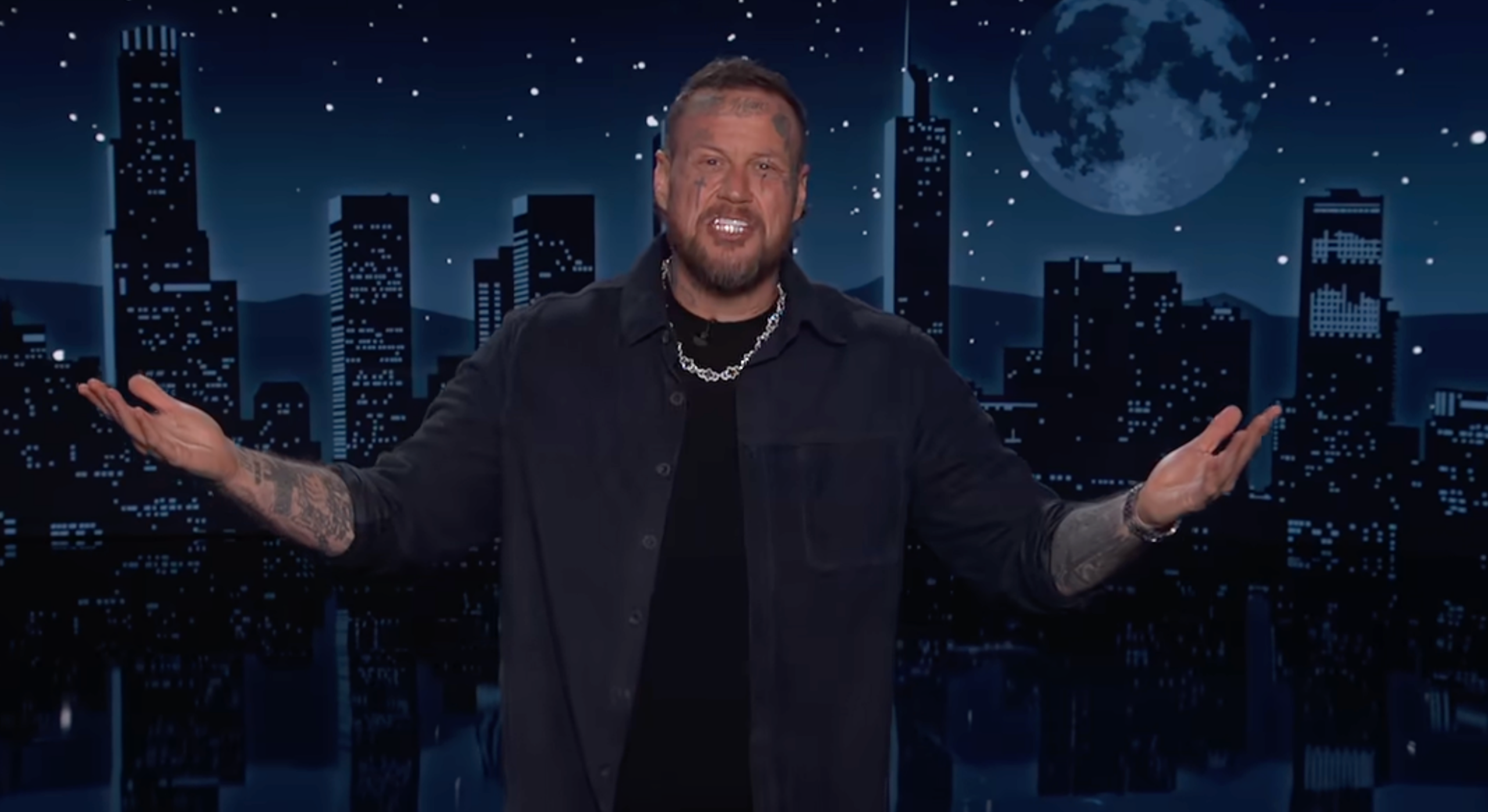
Country star Jelly Roll has a message for Donald Trump supporters who no longer want to listen to his music: Go right ahead.
The singer delivered that response Tuesday while guest-hosting Jimmy Kimmel Live!, one night after his jokes about the president sparked an angry reaction from conservative viewers and some of his own fans.
Those fans weren’t upset about a new album, a canceled concert or a change in Jelly Roll’s sound. They were Trump supporters objecting to the singer making the president the target of a late-night comedy monologue. When some threatened to walk away from his music, Jelly Roll declined to apologize or ask them to reconsider.
“For those who threatened to stop listening to my music based on my comments last night,” he said, “go right ahead.”
He added that he intended to continue speaking his mind, before turning the moment into a joke by declaring that his name was Post Malone.
The humorous ending didn’t erase the substance of his response. Jelly Roll knew which fans were threatening a boycott and why they were doing it. They were defending Trump, and he told them he was prepared to lose their support.
The Trump Jokes That Started the Backlash
The controversy began Monday when Jelly Roll used his opening monologue to launch a series of personal attacks against President Trump.
Much of the material focused on Trump’s body. Referring to his own 300-pound weight loss, Jelly Roll joked that he had lost “an entire Donald Trump.” He then connected Trump’s weight to his approval ratings, suggesting that most of the country wanted to lose Trump as well.
Jelly Roll also called attention to Trump’s history of mocking other people’s appearances. But instead of using that subject to move away from personal insults, he used it as justification for making more of them.
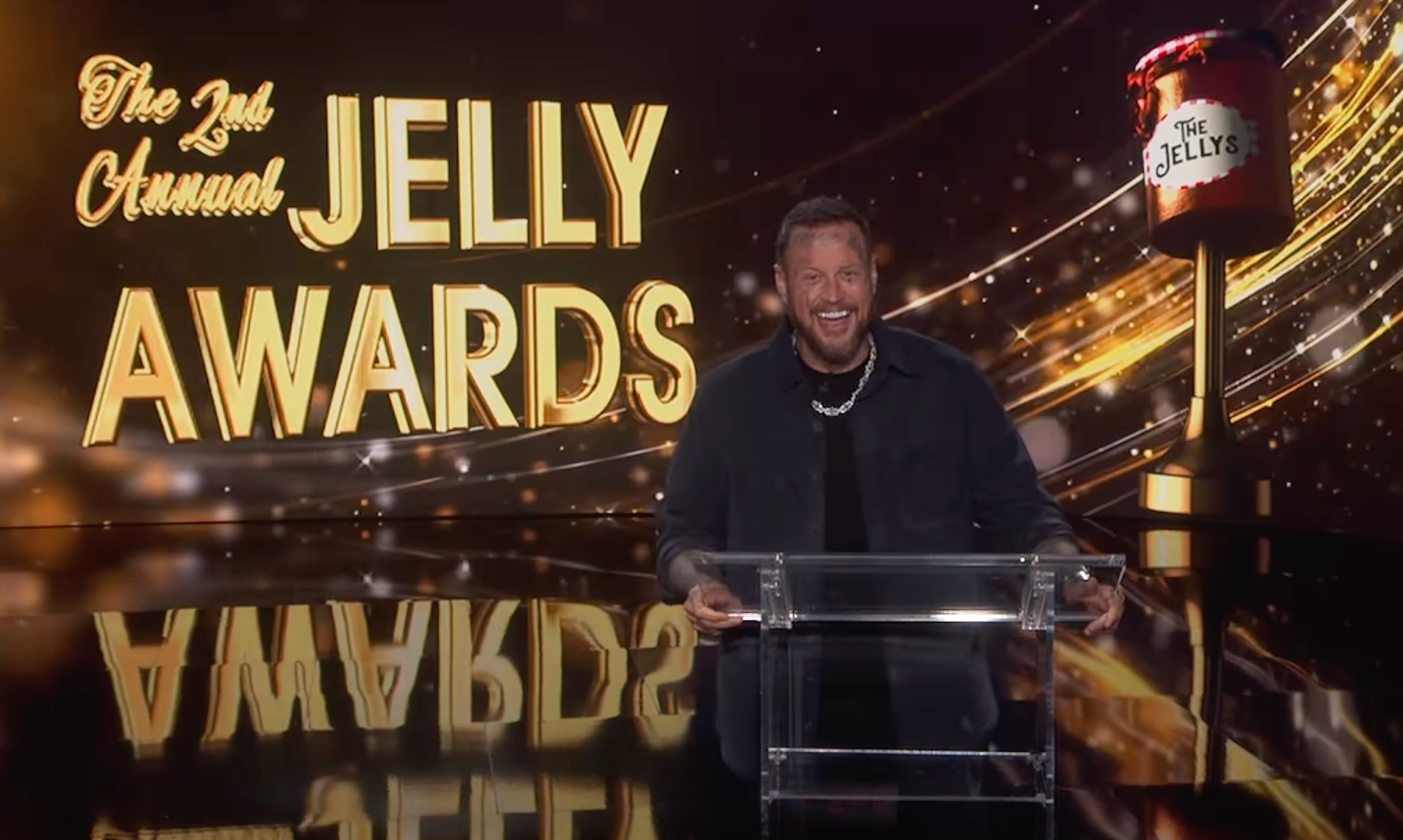
Jelly Roll on Jimmy Kimmel Live! – YouTube, Jimmy Kimmel Live!
READ: Disney+ Is Raising Prices On The Legacy Bundle
The jokes didn’t stop at Trump’s weight. Jelly Roll also made a racially charged crack about Trump attending an auto race, saying the president normally “only likes his own race.”
For many country fans, this wasn’t harmless comedy. It was a successful country performer using a major network platform to ridicule a president they support—and doing so with insults about his body, popularity and character.
The setting also mattered. Jelly Roll wasn’t performing at a private comedy club or posting an offhand remark to social media. He was temporarily occupying the host’s chair on Jimmy Kimmel Live!, a program already known for relentless attacks on Trump and conservatives. By adopting the show’s familiar political posture, Jelly Roll appeared to some viewers less like an independent artist telling jokes and more like another progressive celebrity seeking approval from the liberal entertainment establishment.
🚨JELLY ROLL JUST FOUND OUT THAT SOME JOKES COME WITH A PRICE.
While guest-hosting Jimmy Kimmel Live!, Jelly Roll decided to make President Trump’s weight part of his monologue.
After joking about his own massive weight loss, he went there:
“From one fat pig to another …”… pic.twitter.com/NQkNg4biSY
— Sherri™ (@FFT1776) August 26, 2026
The reaction was immediate. Trump-supporting listeners accused Jelly Roll of insulting the same audience that helped propel his rise in country music. One critic reminded him that he had built a fan base crossing political lines, including a “huge number” of Trump supporters, and warned him not to act surprised when those fans walked away.
Jelly Roll didn’t apologize, acknowledge that those listeners had helped support his career, or attempt to lower the temperature. The following evening, he defended the monologue by saying that discussing the news and making jokes were part of hosting a late-night program.
He then addressed the fans threatening to stop listening and told them to “go right ahead.”
Although he delivered the line with a comedic punchline, the message was unmistakable: Jelly Roll was prepared to lose Trump-supporting fans rather than reconsider how he had used his national platform.
Why the Reaction Became So Intense
The backlash exposed assumptions that have followed Jelly Roll as his career has moved further into mainstream country music.
He’s a white, tattooed Tennessee native who sings frequently about faith, addiction, prison, redemption and working-class hardship. For some listeners, that image appears to come with an assumed political identity. His previous friendly encounter with Trump and his appearances alongside conservative-friendly performers strengthened that perception, even though Jelly Roll has publicly said that he has no political alliance.
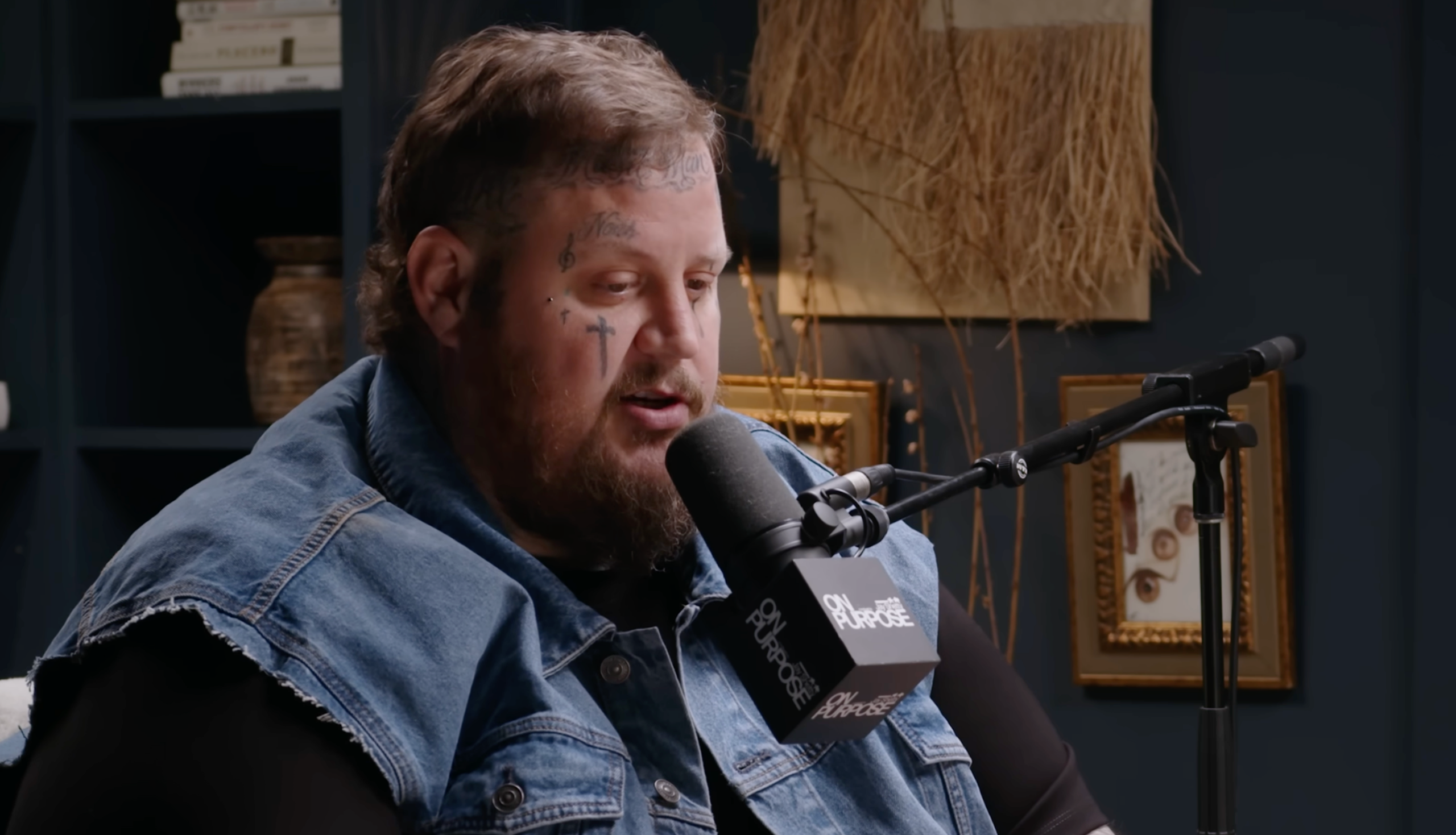
Jelly Roll in an interview – YouTube, Jay Shetty Podcast
That is why a few jokes produced such an outsized reaction. Some Trump supporters didn’t hear them merely as jokes about a politician. They treated them as a personal betrayal by an entertainer they believed belonged to no political or cultural camp.
Jelly Roll appeared amused by that assumption. He noted that his past as a felon and drug dealer, his facial tattoos, enormous weight loss and Grammy wins had all attracted public attention—but joking about Trump was apparently the thing that truly stunned people.
The controversy continued after Fox News personality Jesse Watters criticized the singer and invoked “Trump Derangement Syndrome.” Florida Republican Rep. Jimmy Patronis subsequently declared that Jelly Roll was “not welcomed” in the state’s Panhandle, illustrating how quickly a celebrity comedy routine had escalated into a broader political loyalty test.
A Stark Contrast With Dolly Parton
The timing made Jelly Roll’s confrontation with conservative fans especially striking. It unfolded during the same week that country music lost its most universally beloved figure, Dolly Parton, who died Tuesday at 80 following a brief battle with cancer.
Parton spent decades demonstrating a very different approach to celebrity, country music, and politics.
“I don’t do politics,” Parton once explained, saying she had too many fans “on both sides of the fence.” She undoubtedly held personal opinions, but she generally refused to endorse candidates or identify herself with either political party. That discipline helped her retain the affection of Republicans, Democrats and people who wanted nothing to do with politics.
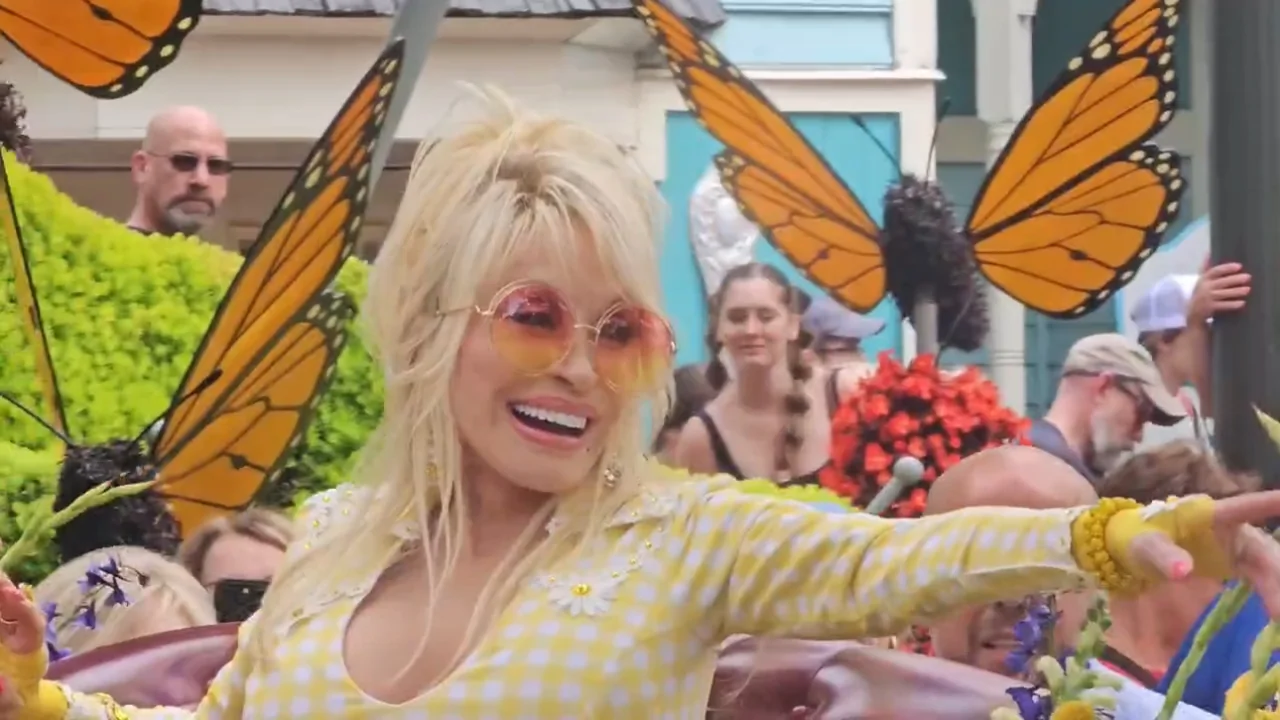
Dolly Parton rings in the 40th anniversary of Dollywood in person – Photo Credit: That Park Place
READ: Dolly Parton Dies at 80 After a Lifetime of Making the World Brighter
Parton was not silent about her values. She supported literacy, advocated for compassion and acceptance, and occasionally addressed social issues. But she usually expressed those beliefs in personal and moral terms rather than turning them into partisan attacks. Her ability to speak without demanding political agreement became one of the defining features of her public life.
Following her death, tributes arrived from across America’s political divide. President Trump ordered flags at federal buildings lowered to half-staff in her honor, while liberal entertainers, Democratic leaders and traditionally conservative country fans mourned alongside him. Parton had become something increasingly rare in American culture: a celebrity whom people didn’t have to agree with politically because she never made political allegiance a condition of enjoying her work.
That approach wasn’t accidental. It reflected an understanding of the country audience itself.
Will Jelly Roll Lose The Country Audience?
Country music has listeners from every political persuasion, and its history includes liberal, populist and politically independent artists. Still, both audience research and electoral geography demonstrate a clear conservative and Republican tilt. Academic research on music and partisanship has found that country preference is associated with conservative identity, while the genre’s strongest commercial base has traditionally included the South, rural communities and smaller metropolitan areas where Republican candidates often perform well.
That doesn’t mean every country fan supports Trump. It does mean a major country artist should reasonably expect a substantial portion—and quite possibly a majority—of his core audience to lean right.
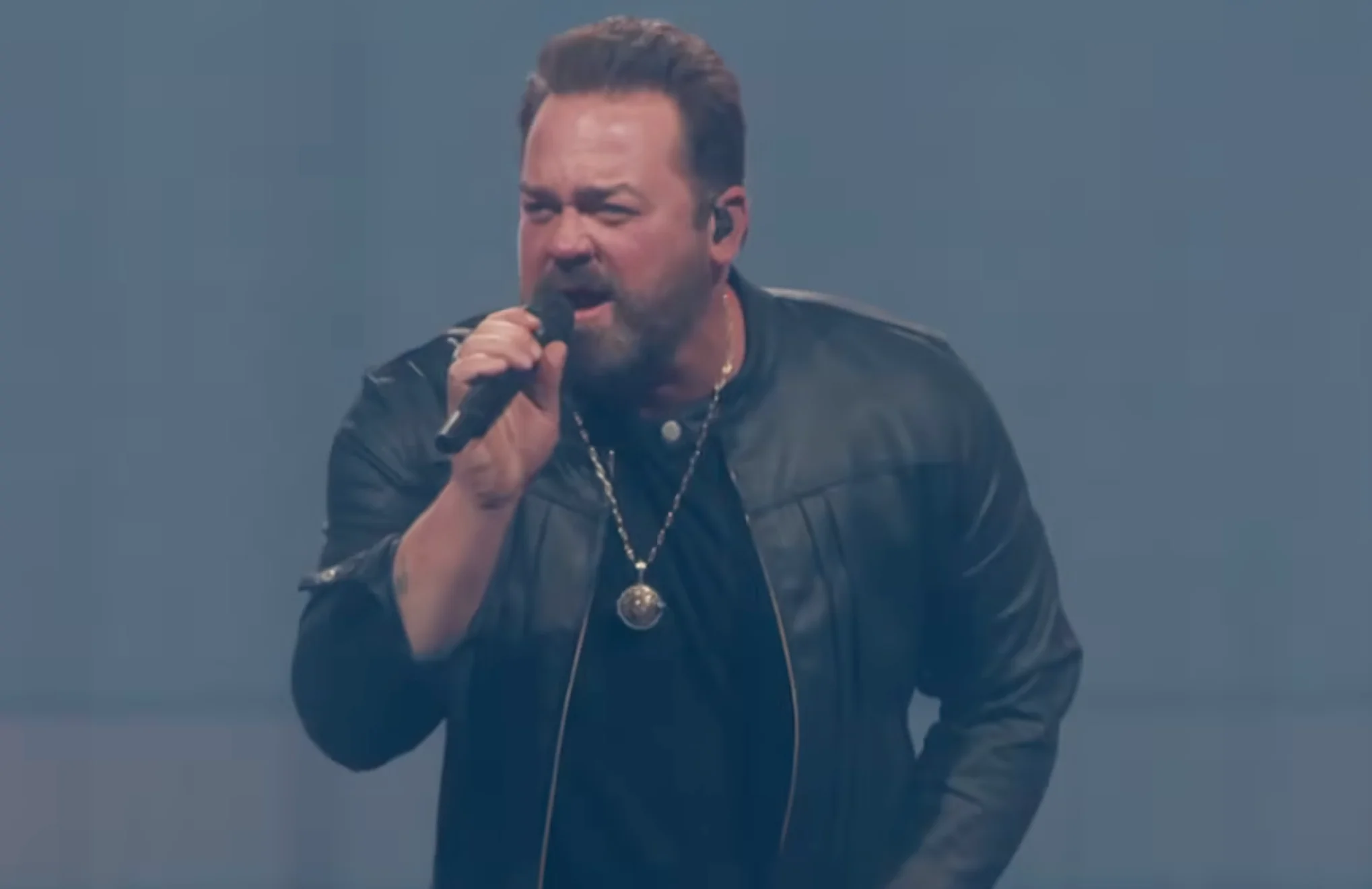
Lee Brice performs at the Turning Point USA All American Halftime Show – YouTube, Turning Point USA
Jelly Roll certainly knows that. When a critic reminded him that his fan base includes a “huge number” of Trump supporters, the singer didn’t dispute it. He instead told those threatening to leave that they should “go right ahead.”
That’s what separates this episode from Parton’s carefully cultivated example. Parton treated political restraint as part of respecting a broad audience. Jelly Roll chose to confront a politically significant segment of his audience and accept the commercial consequences.
He has every right to make that choice. Fans also have every right to decide that they would rather support entertainers who don’t ridicule their political beliefs or candidates.
The question isn’t whether Jelly Roll should be permitted to criticize Trump. Of course he should. The question is whether alienating the conservative listeners who helped make him a country star is wise—and whether following Parton’s example might have preserved the connection between artist and audience that partisan entertainment so often destroys.
No Apology—and No Retreat
It would be inaccurate to claim that Jelly Roll categorically rejected every fan who voted for Trump. He didn’t investigate the political affiliation of his entire audience or announce that conservatives were prohibited from enjoying his work.
But it would be equally misleading to drain the politics out of the confrontation.
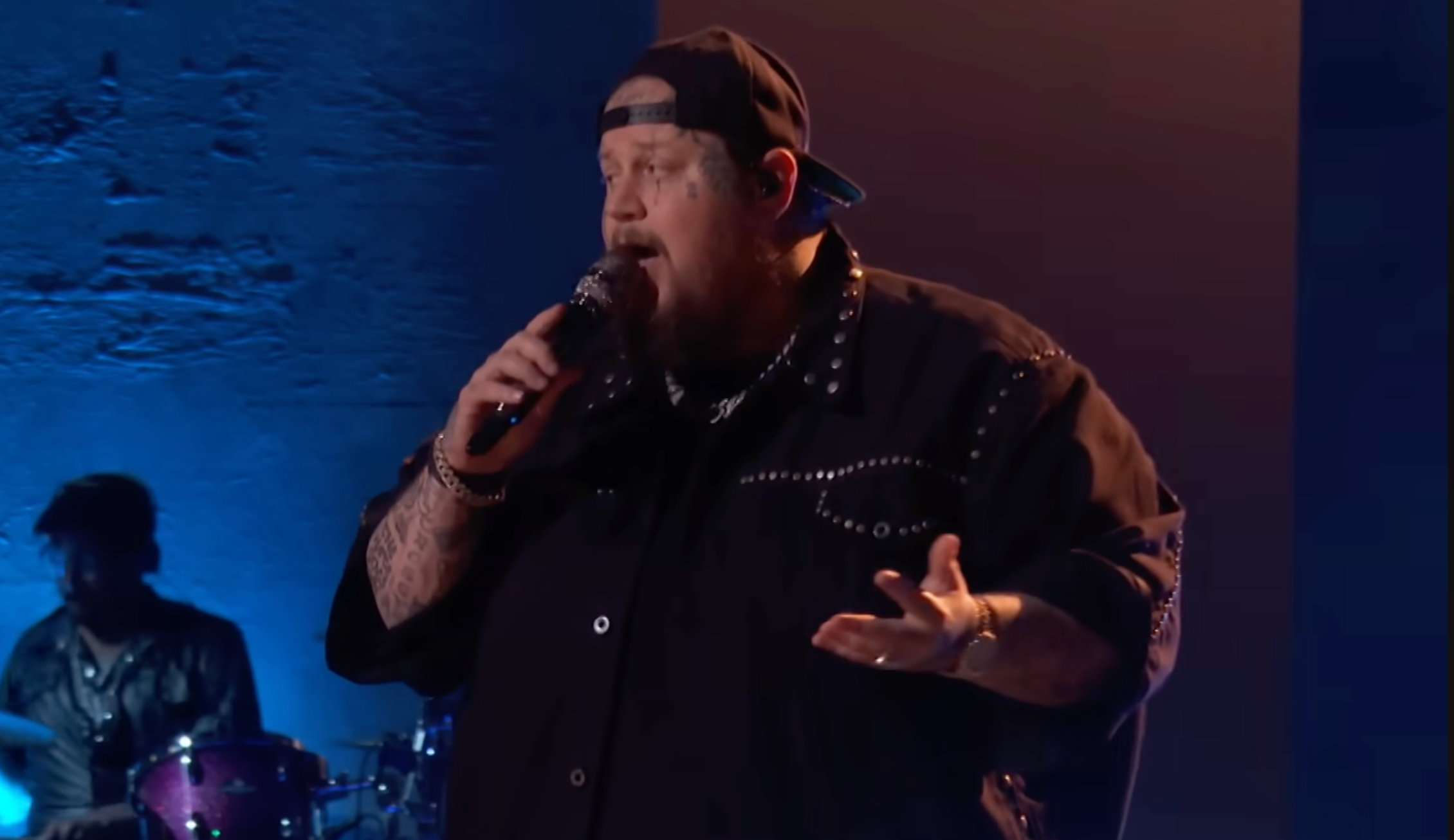
Jelly Roll singing – YouTube, Jelly Roll
The listeners threatening to boycott him were doing so because they supported Trump and objected to the singer mocking him. Jelly Roll understood that context perfectly well. He didn’t apologize, soften his criticism or reassure those fans that he shared their allegiance to the president.
He told them to go right ahead and stop listening.
Do you think Trump supporters will stop listening to Jelly Roll? Sound off and let us know!
UP NEXT: Peter Cullen, Iconic Voice of Optimus Prime, Dies at 85
