


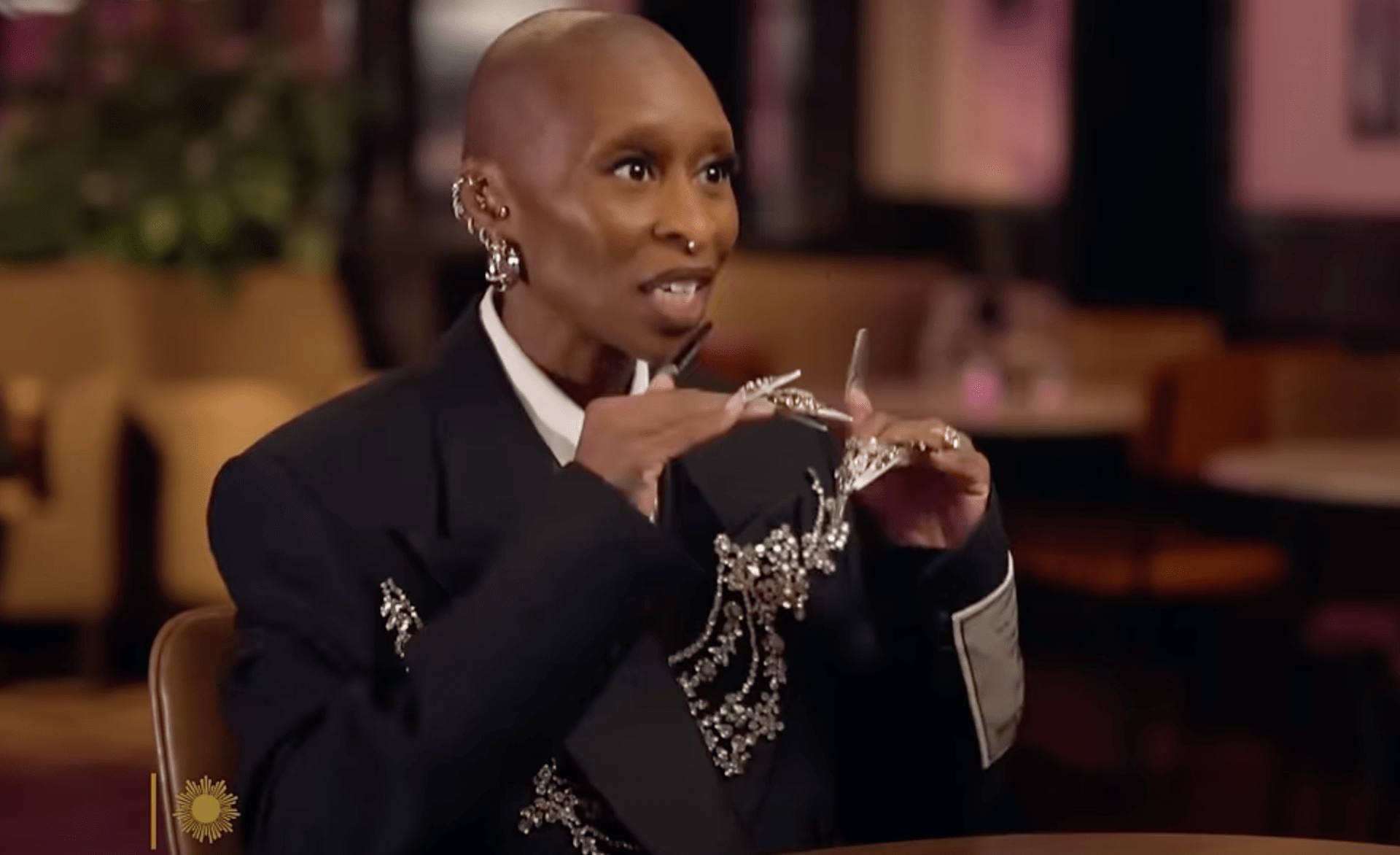
GQ has unveiled its annual Men of the Year issue, and the headline cover star is actress Cynthia Erivo. The choice has raised immediate questions across social platforms, with many people openly asking why an actress is featured in a publication celebrating male achievement.
Cynthia Erivo graces the cover of GQ’s Men of the Year issue.
📸: Campbell Addy pic.twitter.com/rK5WCX8TOg
— Pop Crave (@PopCrave) November 13, 2025
The Cynthia Erivo Men of the Year cover has become a focal point in online culture war conversation, overshadowing the contents of the magazine itself.
A Pattern of PR Decisions That Prioritize Buzz Over Clarity
This latest moment fits into a broader trend in entertainment media: generate controversy, spark conversation, and let the confusion drive engagement. GQ’s decision appears less about honoring notable men and more about creating a social-media moment meant to travel quickly.
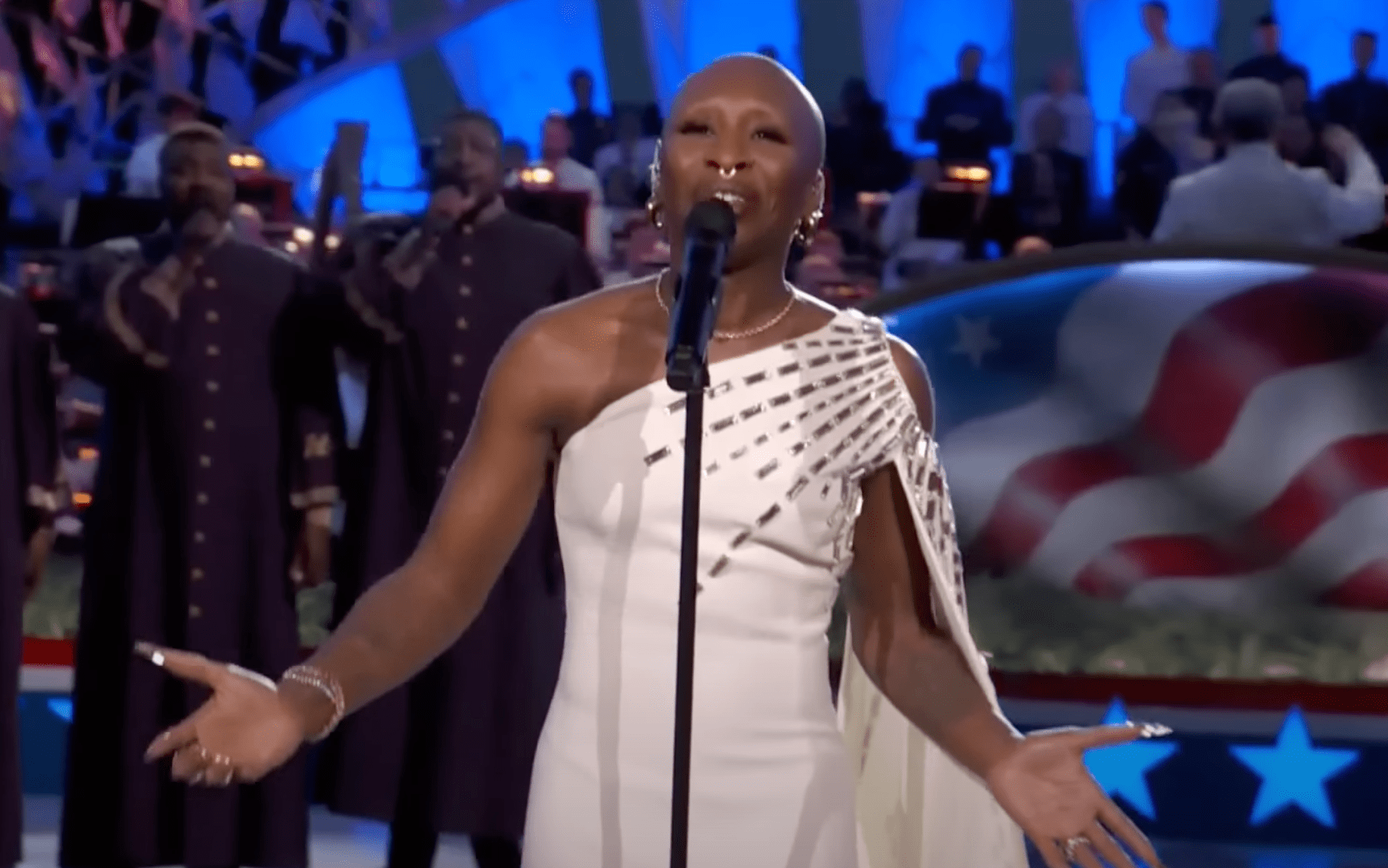
Cynthia Erivo performing at a concert – YouTube, Capital Concerts
Cynthia Erivo is a talented performer, but her placement on a Men of the Year cover raises the simple question: what does this have to do with recognizing men? The magazine’s branding is built on honoring standout male figures; reshaping the category without explanation undermines the purpose of the feature.
Erivo’s History of Clashing with Fans
This is not Erivo’s first public controversy. Since rising to prominence, she has repeatedly become a flashpoint in pop-culture debates — often because of how she responds to ordinary fans.
One of the most memorable examples came during last year’s Wicked marketing cycle. After the official movie poster debuted, a fan created a simple stylistic edit meant to resemble the iconic Broadway artwork — dropping the hat brim lower and darkening the shadows so her eyes were obscured, just like the original Elphaba imagery.
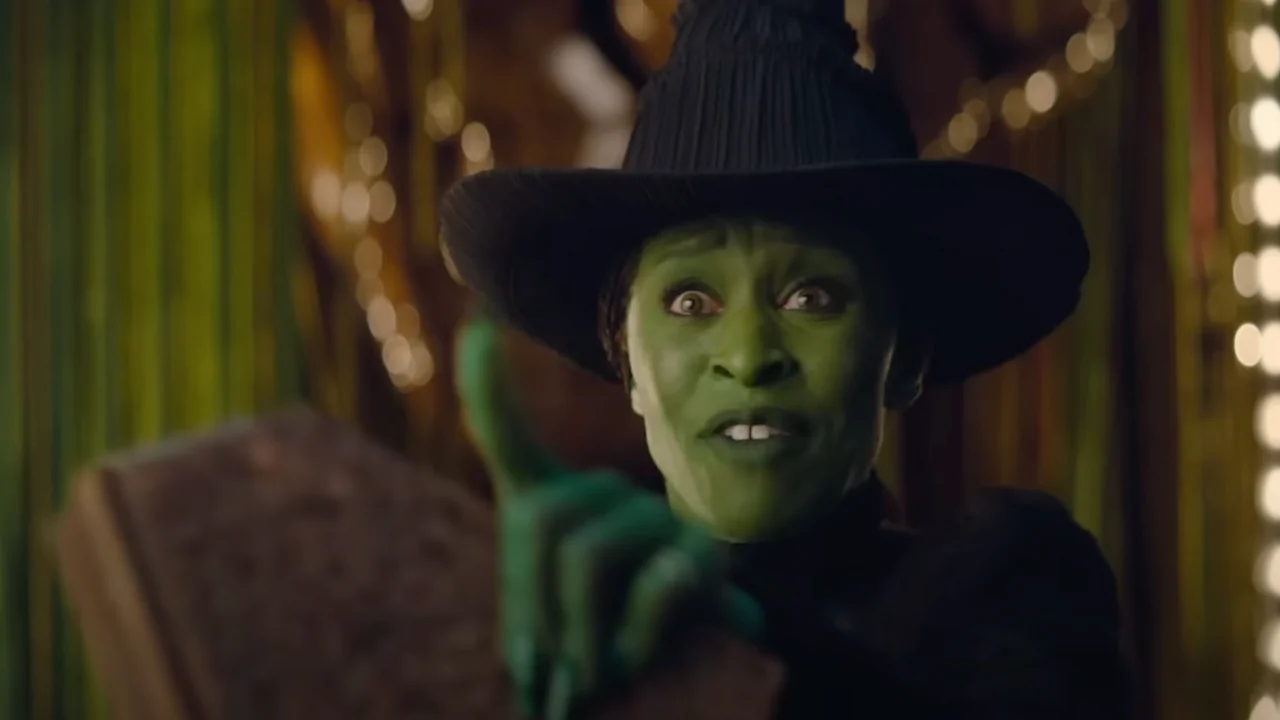
Cynthia Erivo as Elphaba in the trailer for the Wicked movie, YouTube – Universal Pictures
The edit wasn’t mocking her. It wasn’t AI-generated. It wasn’t an attack on her appearance. It was a nostalgic homage.
Erivo, however, blasted the edit on Instagram, calling it “the wildest and most offensive thing” she had ever seen and framing the image adjustment as a personal affront. The overreaction stunned fans, many of whom felt they had been scolded for participating in the same kind of fan creativity that studios typically encourage.
Her response — dramatic, emotional, and disproportionate — turned a harmless fan tribute into a controversy and left a lingering impression: Erivo doesn’t just push back… she blows up.

Cynthia Erivo as Jesus Christ and Adam Lambert as Judas in Jesus Christ Superstar – X, @KarluskaP
That incident still hangs over her public reception. So when GQ selects Cynthia Erivo for a Men of the Year cover — a category that traditionally celebrates male achievement — it lands differently for audiences who remember how quickly she clashed with fans over something as benign as a poster edit. It raises the question of whether the magazine is spotlighting accomplishment or simply courting backlash.
“Jesus Christ Superstar”
Erivo also made headlines when she was cast as Jesus Christ in a reimagined production of Jesus Christ Superstar. The announcement immediately sparked outrage among many Christian audiences, who felt the choice was intentionally provocative — not a sincere artistic reinterpretation, but a direct swipe at their faith.
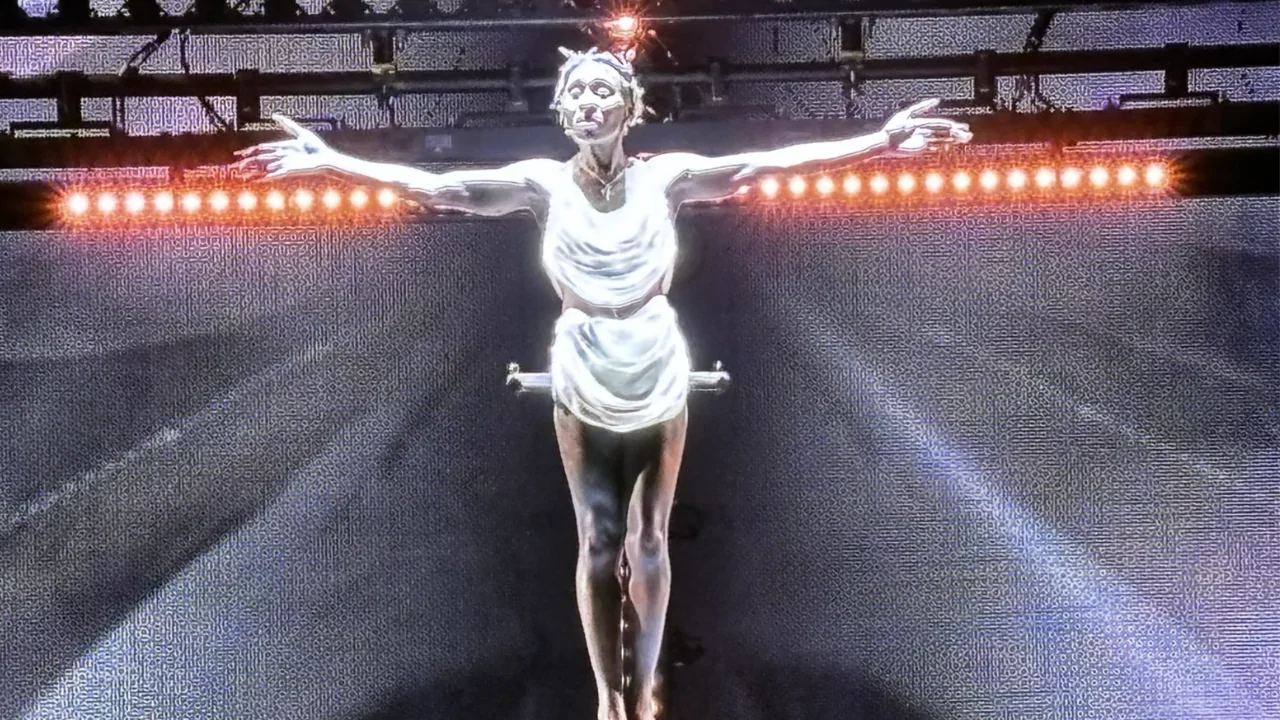
Cynthia Erivo as Jesus Christ in Jesus Christ Superstar – X, @hearinladotcom
For believers already frustrated by Hollywood’s habit of reframing sacred stories to score cultural points, seeing Jesus portrayed by a gay woman was viewed as crossing a line.
Instead of engaging with the concerns or acknowledging why the casting hit a nerve, Erivo brushed off the backlash. Her responses came across as dismissive to people who felt their religion was being used as a prop for controversy. The situation only deepened the perception that studios and performers like Erivo lean into reinterpretations not to elevate the material, but to ignite debate.
What GQ’s Shift Says About the Current State of Media
Media coverage of this situation focuses heavily on Instagram likes and social-media activity, but it doesn’t address the deeper issue: audiences are growing weary of publishers redefining categories simply to stay relevant.
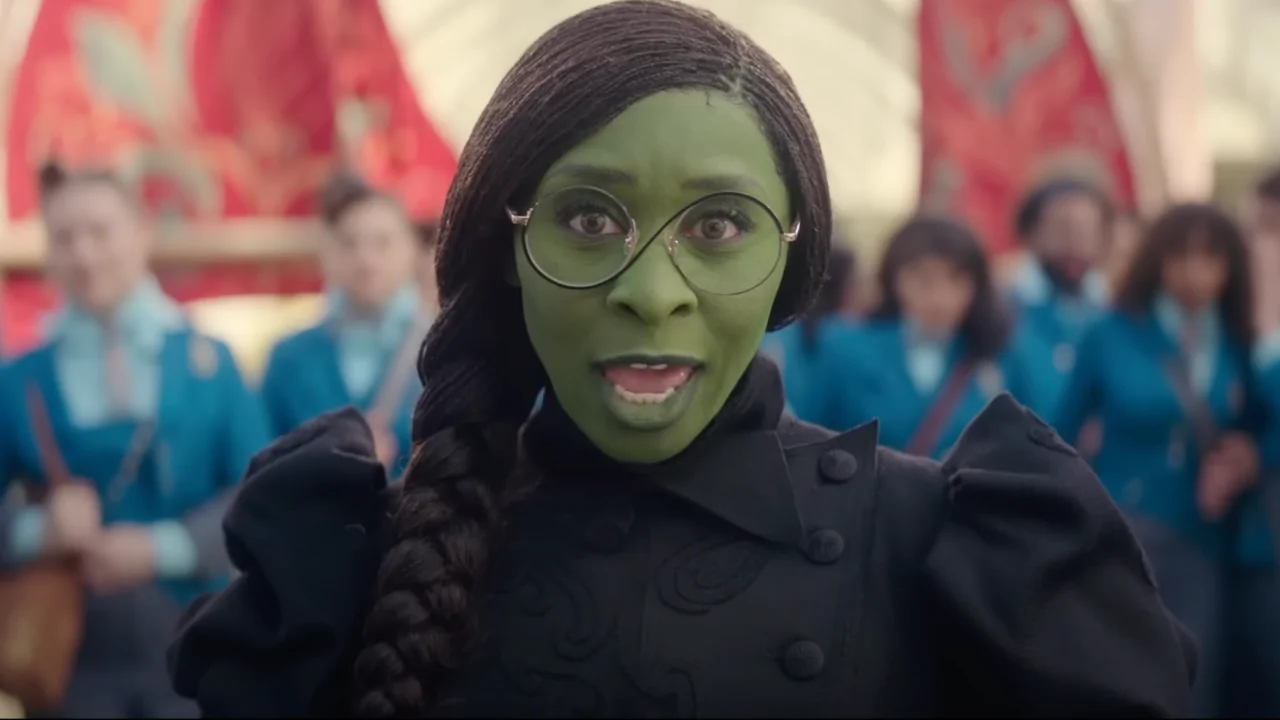
A Screenshot of Cynthia Erivo as Elphaba in the Wicked Movie Trailer, YouTube – Universal Pictures
Men of the Year has traditionally been exactly what the title suggests. Deviating from that without context with a divisive Hollywood figure creates distrust and fuels the perception that the media is prioritizing shock over substance.
For longtime readers of GQ, the question is simple: if Men of the Year doesn’t actually mean men anymore, then what exactly is being honored?
A Moment That Feels Engineered, Not Earned
The Cynthia Erivo Men of the Year cover comes across as a deliberate provocation — a way to chase attention in a media landscape driven by algorithmic reactions rather than editorial clarity.
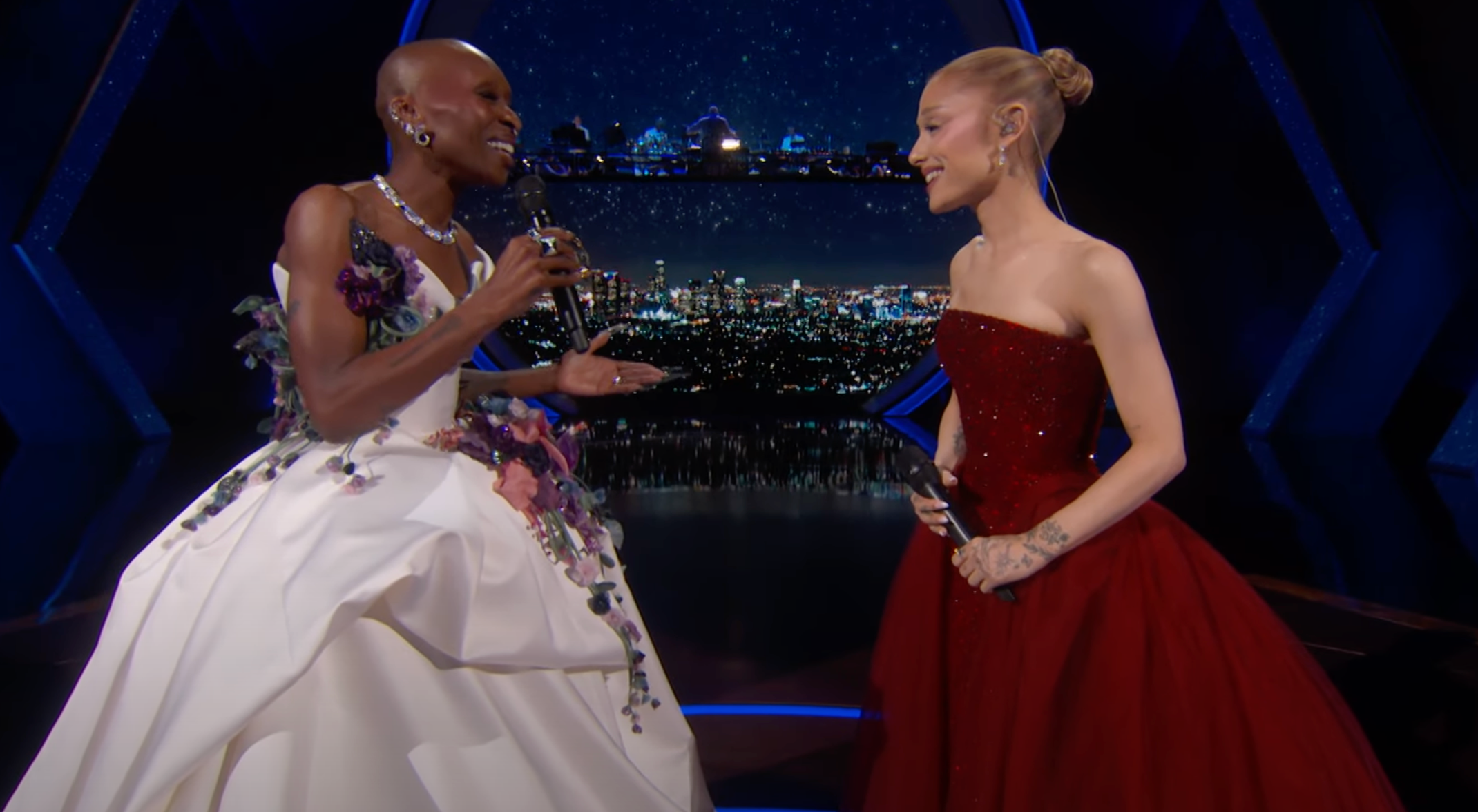
Cynthia Erivo and Ariana Grande sing at the Oscars – YouTube, Oscars
GQ might have achieved its goal of creating a viral moment, but at the cost of confusing its readers and weakening a tradition of highlighting genuinely noteworthy male achievements.
How do you feel about Cynthia Erivo on a Men of the Year cover? Sound off in the comments and let us know!
UP NEXT: Ariana Grande Rushed by Troll “Stage Invader” at Wicked Singapore Premiere
