


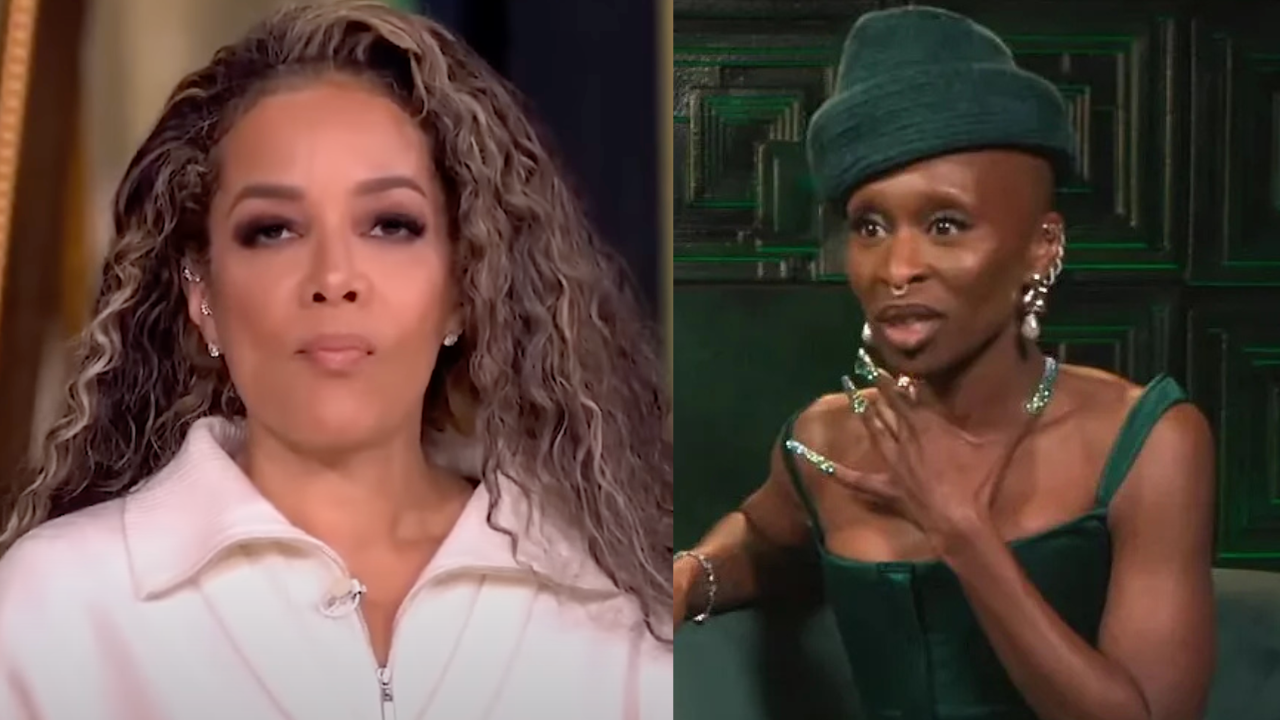
Sunny Hostin finally did something on The View that should have been relatively uncontroversial: she used her actual professional expertise, which brought her into conflict with Cynthia Erivo.
The former federal prosecutor attempted to explain the legal issues surrounding allegations involving seven former Cornell University fraternity members, separating the emotional and moral reaction to the allegations from the considerably different question of whether prosecutors could prove a crime under New York law.
The backlash was immediate.
Now Hostin has revealed that Wicked star Cynthia Erivo personally called her from Paris after seeing a viral clip of the discussion and offered some remarkable advice.
Don’t lead with the law. Lead with empathy.
According to Variety, Hostin discussed the phone call during The View: Behind the Table podcast while reflecting upon the controversy.
“She called me and said, ‘Sis, I know you and I know your heart and your life’s work has been about protecting women and children. But, the clip that I saw doesn’t reflect who you are,’” Hostin recalled.
Hostin said Erivo then suggested a different approach.
“Instead of leading with the law, I need to lead with empathy so that people can receive the message about the law,” Hostin explained.
That might sound compassionate at first. In the context of a discussion about criminal law, however, it raises a much more troubling question: Why should the facts and the law require an emotional permission slip before people are willing to hear them?
Sunny Hostin Actually Used Her Legal Expertise
Before becoming one of the most reliably controversial personalities on The View, Hostin had a career that was directly relevant to this particular discussion.
She was a federal prosecutor and prosecuted sex crimes.
When the Cornell allegations reached The View, Hostin therefore possessed something her fellow panelists did not: professional experience evaluating serious allegations against the requirements of criminal law.
Hostin subsequently explained that she approached the discussion from exactly that perspective.

Sunny Hostin on The View – ABC
READ: Lanterns Showrunner Says Season 2 Will Remain ‘Grounded’ on Earth
“I see things, when it comes to the law, sort of black-and-white,” Hostin said. “I apply the facts as I know them to the law.”
Her fellow panelists had already addressed the allegations emotionally, she explained, so she deliberately “led with the law.”
Imagine that. A lawyer leading with the law.
Hostin’s original analysis focused on New York’s treatment of intoxication and consent. Based upon her understanding of the accuser’s original 2024 statement, Hostin argued that prosecutors would have faced substantial obstacles bringing criminal charges.
That didn’t mean Hostin was arguing that the alleged conduct was acceptable.
It meant she was making a distinction that’s fundamental to criminal law: something can be morally reprehensible without necessarily satisfying the specific elements prosecutors must establish to prove a particular criminal offense.
What New York Law Actually Says
There’s an important caveat here because Hostin’s legal analysis should not itself be treated as infallible.
New York Penal Law §130.05 identifies several circumstances in which lack of consent can be established, including forcible compulsion and incapacity to consent.
The state’s definition of “mentally incapacitated” specifically addresses situations in which a person becomes temporarily incapable of controlling their conduct because of a substance administered without their consent.
New York law also addresses physical helplessness and, for certain offenses, circumstances involving clearly expressed non-consent.
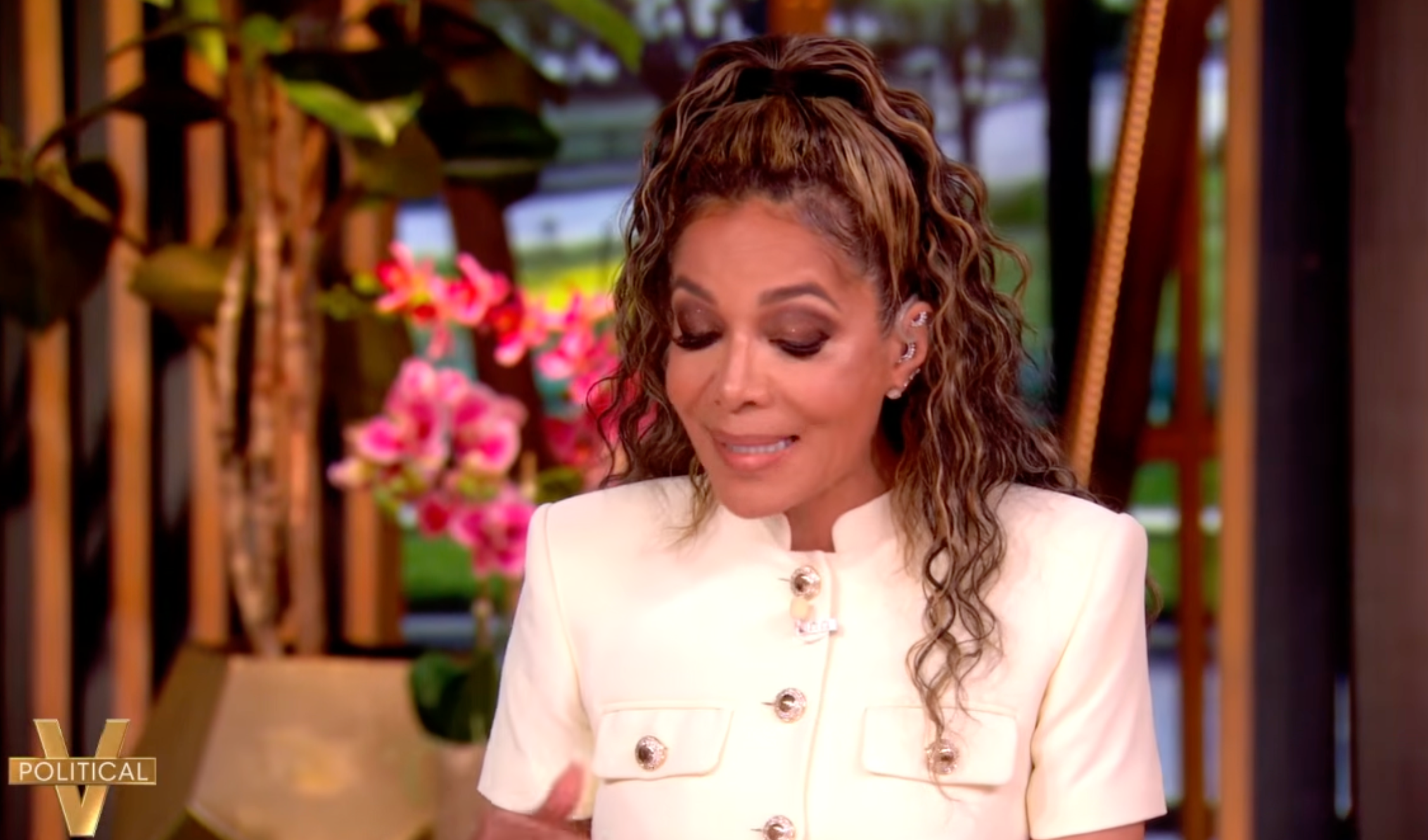
Sunny Hostin speaking to JD Vance on The View – YouTube, The View
The relevant New York statute can be read here.
That means Hostin’s subsequent shorthand suggesting voluntary intoxication essentially couldn’t produce a prosecutable offense unless someone was unconscious went further than the law itself.
But that actually illustrates the larger problem with Erivo’s advice.
If Hostin’s legal analysis was incomplete or incorrect, challenge her legal analysis. Cite the statute, explain where she got it wrong, and bring better facts.
The solution to questionable legal analysis is better legal analysis. It isn’t telling the lawyer she should have started with feelings.
Feelings Over Facts?
There’s nothing wrong with empathy.
Allegations involving such misconduct should obviously be discussed with sensitivity toward the people involved. The men accused also deny wrongdoing and are entitled to the presumption of innocence.
Those principles can exist simultaneously.
But empathy can’t determine whether a crime occurred, feelings can’t change the elements of a criminal statute, sympathy can’t substitute for evidence, public outrage can’t lower the burden of proof, and an allegation doesn’t become legally provable simply because people find the alleged conduct horrifying.
Those aren’t inconvenient technicalities standing between victims and justice. They’re foundational principles of a legal system designed to determine guilt through evidence and law rather than emotion and public pressure.
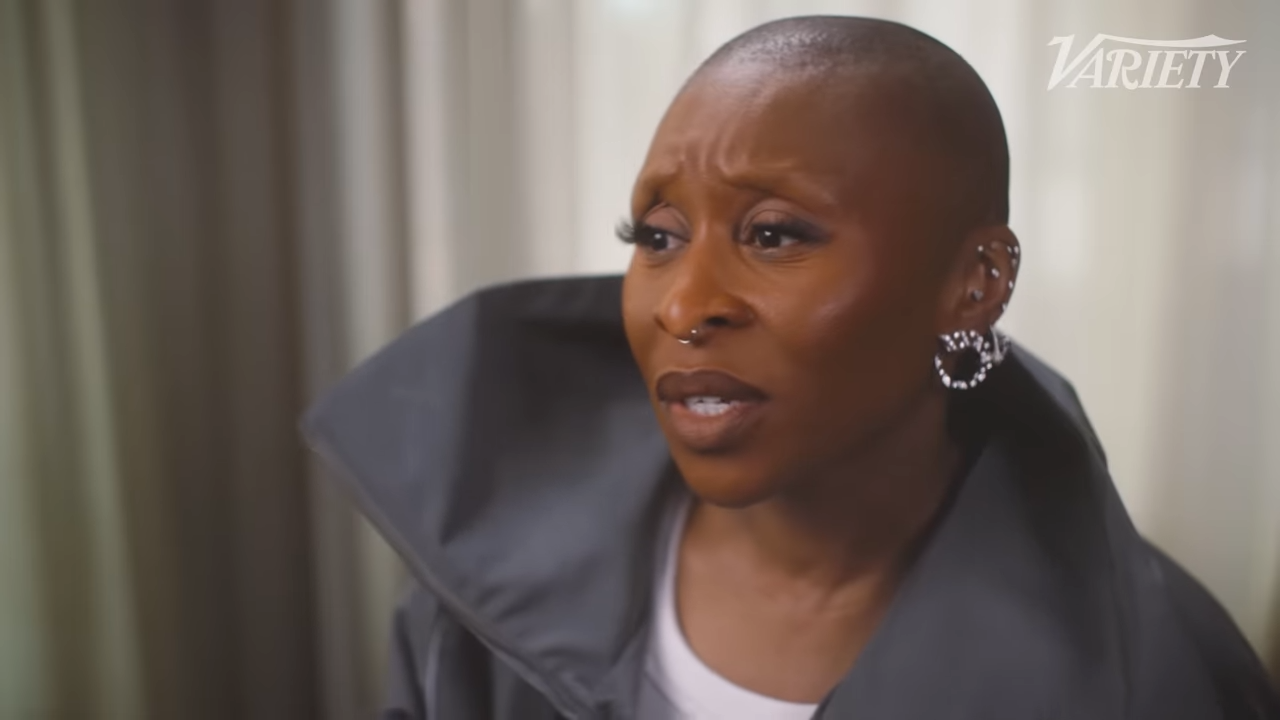
Cynthia Erivo – Varity, YouTube
READ: Paramount-Warner Bros. Merger Officially Closes as David Ellison Declares ‘Today Is a New Day’
That is what makes Erivo’s advice so extraordinary.
“Instead of leading with the law, I need to lead with empathy so that people can receive the message about the law,” Hostin said.
So she apparently needed to establish the correct emotional framework before audiences could “receive” the legal information she was attempting to provide?
That sounds dangerously close to feelings over facts.
The facts apparently weren’t enough. The law wasn’t enough. According to Cynthia Erivo, Hostin first needed to demonstrate that she possessed the appropriate emotional reaction before explaining an uncomfortable legal reality.
And Hostin says she followed that advice.
Hostin Changed Her Approach
When Hostin subsequently addressed the controversy, her presentation was noticeably different.
She called the alleged conduct “morally repugnant” and “grotesque” while continuing to argue that New York’s laws created significant problems for prosecutors.
Hostin also said that if a similar case had come before her when she prosecuted crimes in Washington, D.C., she would have taken it to trial.
“The problem is the New York law,” Hostin said.
She later explained that this change in presentation was deliberate.

Arnold Schwarzenegger on The View with Sunny Hostin – YouTube, The View
“That’s why the next time we talked about it, I led with that so that people would be able to receive the facts,” Hostin said of Erivo’s advice.
And there it is again.
People needed to be emotionally prepared to “receive the facts.”
This is precisely backwards.
The facts should determine the conclusion. The preferred conclusion shouldn’t determine how and when audiences are permitted to hear the facts.
The Allegations Remain Unresolved
None of this determines what actually happened in the Cornell case.
The allegations remain disputed. The accused men have denied wrongdoing, a civil lawsuit has been filed, and the criminal investigation has reportedly been reopened.
That makes precision particularly important.
There’s a tremendous difference between saying that an allegation is disturbing, saying alleged behavior is morally reprehensible, and saying prosecutors possess sufficient admissible evidence to prove a specific criminal offense beyond a reasonable doubt.

Cynthia Erivo as Elphaba in the trailer for the Wicked movie, YouTube – Universal Pictures
A serious discussion should be capable of acknowledging all three without pretending they’re interchangeable.
That was the distinction Hostin was at least attempting to make. And ironically, it came during one of the rare controversies in which her professional background made her particularly qualified to contribute something beyond another bad opinion from a daytime television personality.
If Hostin Was Wrong, Prove Her Wrong
Sunny Hostin has said plenty on The View worthy of criticism. But criticism shouldn’t become reflexive simply because someone reaches an uncomfortable conclusion.
If Hostin misrepresented New York law, demonstrate where she misrepresented it. If additional facts undermine her interpretation, present those facts. If prosecutors believe the evidence satisfies a criminal statute, they should pursue the case and prove it in court.
That’s how serious arguments work.
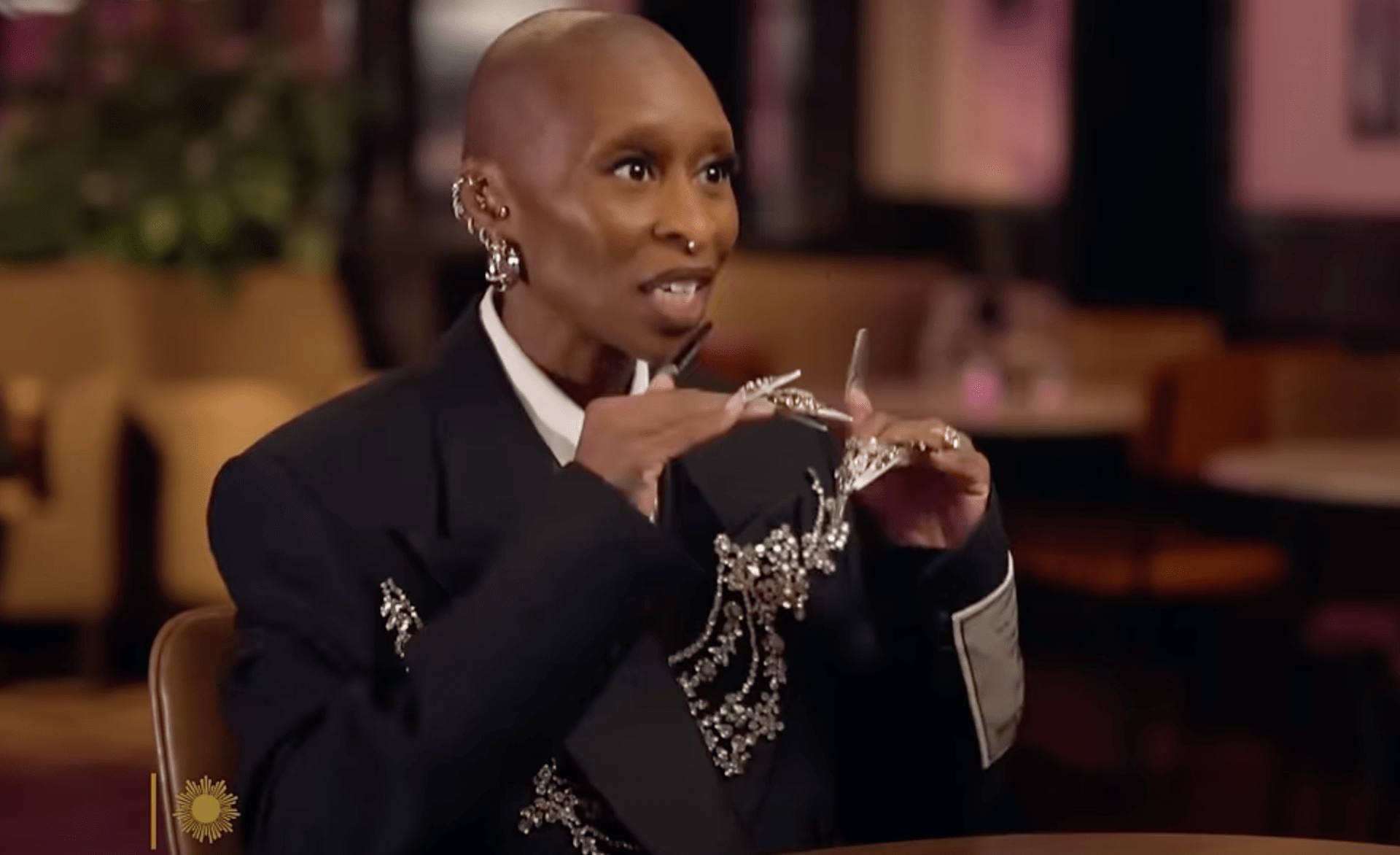
Cynthia Erivo in an interview – YouTube, CBS Sunday Morning
What shouldn’t be necessary is a detached Hollywood celebrity calling a former federal prosecutor from Paris to explain that the problem with her legal analysis was that she led with the law.
There’s room for compassion, empathy, and outrage in such situations. But when the specific question is whether someone committed a crime, facts, evidence, and the law ultimately have to decide the answer.
They don’t need Cynthia Erivo’s permission for that.
How do you feel about Cynthia Erivo and her advice to Sunny Hostin? Sound off and let us know!
UP NEXT: Skydance Day One Announcement: Paramount+ and HBO Max to Merge, Potentially Bigger Than Disney+
