


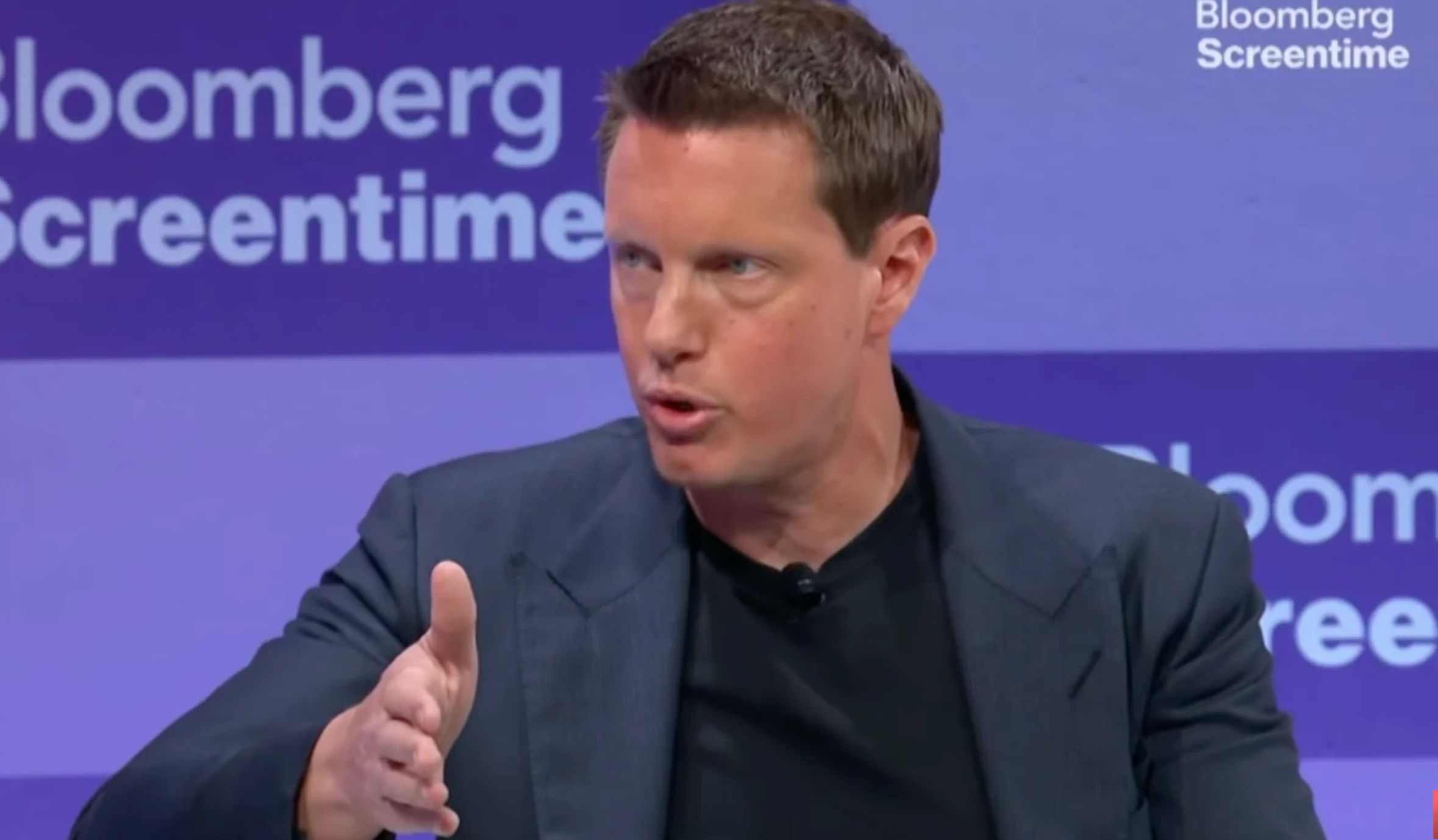
David Ellison isn’t merely promising that a combined Paramount-Warner Bros. will remain committed to a large number of theatrical movies. He is reportedly willing to put that promise into a legally enforceable contract.
According to a new report from Variety, citing Bloomberg, Paramount Skydance CEO David Ellison is offering three-year contractual commitments to AMC Entertainment and Regal Cinemas, the two largest theater chains in the United States, guaranteeing a substantial theatrical slate if Paramount’s proposed acquisition of Warner Bros. Discovery is completed.
Under the reported proposal, the combined studio would release at least 30 movies theatrically every year, maintain exclusive theatrical windows of at least 45 days, and refrain from putting those movies on streaming services for at least 90 days.
The contracts could even include financial penalties if Paramount fails to live up to those commitments.
It is an unusually concrete promise from a Hollywood studio at a time when theater owners have spent years worrying that streaming services would steadily erode theatrical exclusivity.
And it also appears designed to answer one of the major arguments being made against Ellison’s Warner Bros. takeover.
Ellison Is Willing to Put the 30-Movie Promise in Writing
Ellison has repeatedly insisted that acquiring Warner Bros. would not result in Paramount reducing theatrical output.
Quite the opposite.
The Paramount Skydance CEO has pledged that the combined company would release more than 30 movies in theaters annually while maintaining what the company has described as “traditional” theatrical windows.
Now, according to Variety, Paramount is prepared to make that commitment contractually enforceable with theater operators.

The logo for Paramount Skydance – Paramount
READ: Stephen Colbert’s Daughter Resigns From 60 Minutes…Where She Apparently Worked
The reported agreement being offered to AMC and Regal would last three years and guarantee both a 45-day exclusive theatrical window and at least 90 days before the films become available on streaming services.
Studios frequently make broad public promises about supporting theaters, but an enforceable agreement potentially carrying financial penalties is considerably harder to walk away from if corporate priorities change.
AMC CEO Adam Aron and Regal CEO Eduardo Acuna have both publicly expressed support for the Paramount-Warner Bros. combination.
For theater owners, it isn’t difficult to understand why.
A studio legally committing itself to producing a steady stream of theatrical content gives exhibitors something they desperately need: inventory.
Paramount Is Trying to Answer the Antitrust Lawsuit
This is where Ellison’s proposal becomes particularly significant. The 30-film commitment isn’t merely a promise to theater owners. It appears specifically constructed to answer one of the central concerns raised by the 12 state attorneys general attempting to block the Paramount-Warner Bros. merger.
The states argue that consolidating two major studios could reduce competition in theatrical distribution and give the combined company too much control over the movies reaching American theaters.
Ellison is effectively offering to put the opposite outcome into a legally enforceable contract.
Instead of asking regulators to simply trust Paramount when it says the merger won’t reduce theatrical output, the company is offering to guarantee more than 30 theatrical releases per year, protect those movies with 45-day exclusive theatrical windows, keep them off streaming platforms for at least 90 days, and potentially pay financial penalties if it fails to honor those commitments.
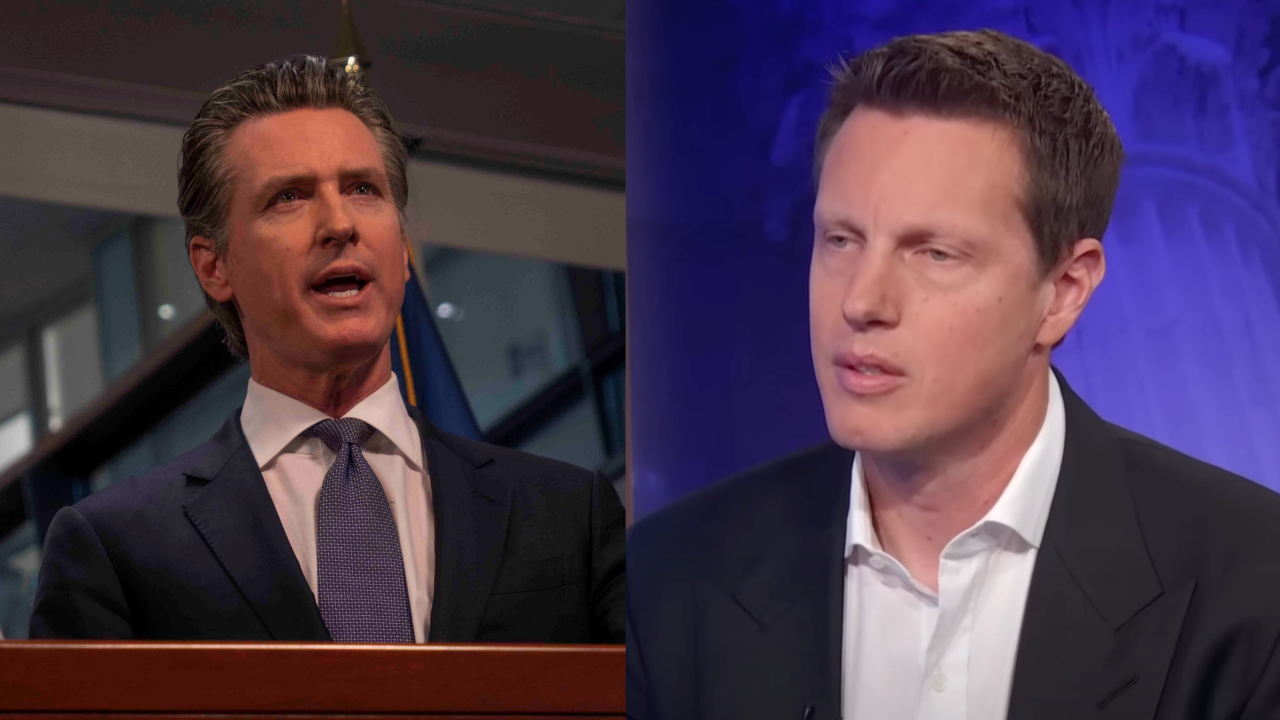
Gavin Newsom and David Ellison – Office of the Governor of California, Public domain, via Wikimedia Commons; YouTube, CNBC Television
In other words, if the concern is that Paramount could acquire Warner Bros. and subsequently shrink theatrical output or divert movies toward Paramount+ and HBO Max, Ellison is offering theater owners contractual protection against exactly that scenario.
That does not dispose of the entire lawsuit. The states have raised other competition concerns, including the combined company’s position in basic cable television. But on the theatrical issue specifically, Ellison is now putting forward something much more substantial than corporate assurances.
And that could matter enormously as Paramount attempts to reach a settlement before the antitrust trial scheduled for March 2027.
It also puts the states in an interesting position. If their concern is genuinely preserving theatrical competition and ensuring movies continue reaching theaters, Paramount is now offering an enforceable commitment explicitly designed to guarantee that outcome. The question becomes what additional remedy the states believe is necessary.
Ellison Has Accused Opponents of Using Antitrust Law to Control CNN
There’s also a political dimension to the fight that cannot be ignored.
Ellison has argued that the opposition to his Warner Bros. takeover isn’t really about protecting movie theaters or competition at all. He has accused opponents of using the antitrust process as a means of influencing who ultimately controls CNN, which would become part of Ellison’s media empire through the Warner Bros. acquisition.
That context makes Paramount’s new theatrical guarantee particularly important.
Source Photo Credit: CNN; YouTube, Bloomberg Podcasts
It also creates an increasingly uncomfortable question for the states: If Paramount is willing to contractually guarantee the theatrical output they claim is endangered, what exactly would satisfy them?
The lawsuit itself still has to be judged on its actual antitrust claims and evidence, rather than Ellison’s characterization of his opponents’ motives. But his accusation is increasingly relevant to the broader story.
If Paramount keeps offering concrete remedies to the competitive concerns being raised — and those remedies continue to be rejected — the political argument surrounding CNN is only going to become harder to separate from the legal battle.
30 Movies Doesn’t Mean 30 Hits
There is another problem, although this one has less to do with antitrust law and considerably more to do with audiences.
Releasing 30 movies is only valuable to theater owners if people actually want to watch them.
Variety’s Todd Spangler makes that his central criticism of Ellison’s pledge: quantity does not necessarily translate into box office revenue.

Tom Cruise plays Capt. Pete “Maverick” Mitchell in Top Gun: Maverick from Paramount Pictures – YouTube, Paramount Pictures
Ellison himself recently acknowledged as much in a New York Times op-ed while discussing his history producing movies including G.I. Joe: Retaliation, Top Gun: Maverick, and Terminator: Dark Fate.
“Nobody can dictate what audiences will love,” Ellison wrote.
His promise, instead, is essentially to take more swings.
There is logic to that strategy. Nobody can reliably manufacture a billion-dollar blockbuster, and producing more movies naturally creates more opportunities to find unexpected successes.
But Paramount’s own recent financial performance demonstrates the problem with assuming that more releases automatically equal more money.
Ellison’s Commitment Is Still Good News for Theaters
That shouldn’t obscure what is genuinely significant about the proposal. Hollywood spent much of the streaming era treating theatrical exhibition as something studios could shorten, circumvent, or potentially replace.
Ellison is proposing something very different.
He’s reportedly willing to contractually guarantee theater owners a minimum number of movies, protect theatrical exclusivity for 45 days, keep those movies away from streaming for at least 90 days, and potentially accept financial consequences if Paramount fails to deliver.
For theater owners worried about whether major studios remain committed to their business, that’s a substantially stronger promise than another executive standing onstage at CinemaCon declaring his love for the theatrical experience.
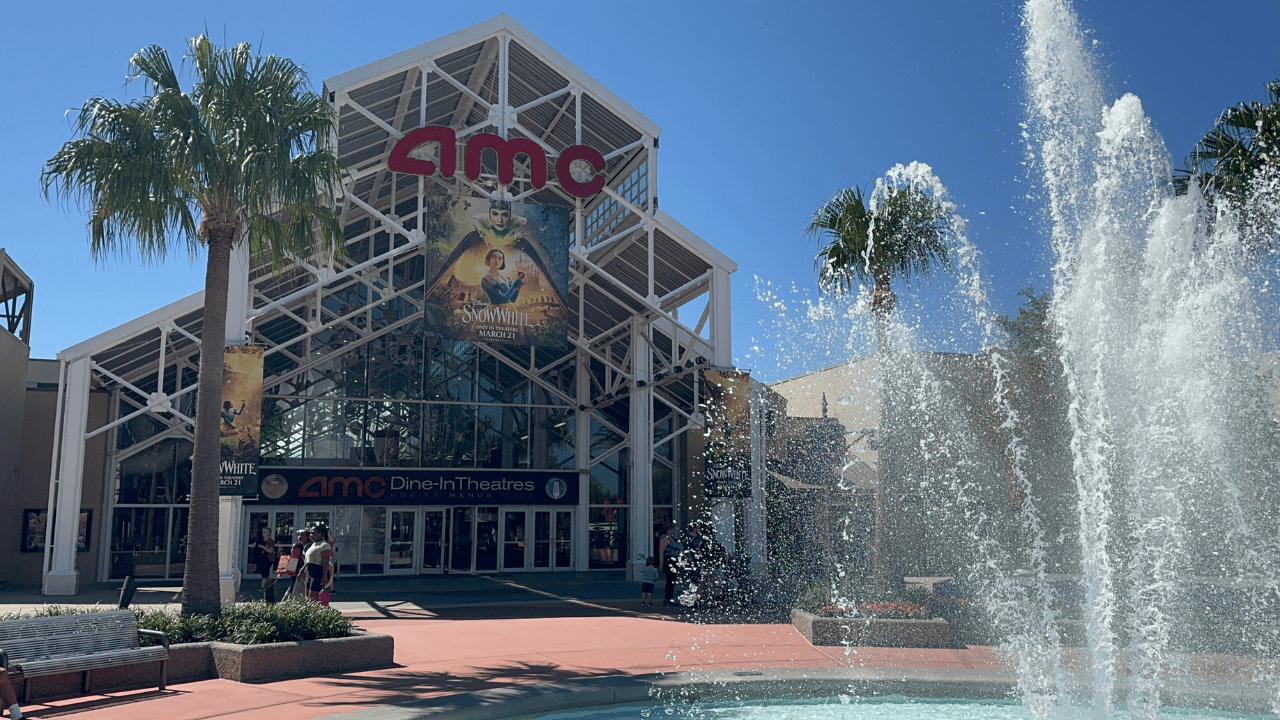
A movie theater at Disney Springs – Photo Credit: M. Montanaro
The question is whether Ellison can deliver movies audiences actually want to see.
His 30-film commitment could provide theaters with a reliable pipeline and undercut arguments that the Paramount-Warner Bros. merger would inevitably result in fewer theatrical releases.
But moviegoers don’t buy tickets because a studio fulfilled its contractual annual output quota.
If Ellison wants this strategy to actually help save the theatrical business, Paramount-Warner Bros. won’t merely need to make more movies. It will need to make more movies people are willing to leave their homes to see.
How do you feel about David Ellison making a 30-movie commitment for Paramount-Warner Bros? Sound off and let us know!
