

Skydance may be considering licensing portions of DC Comics to outside publishers rather than selling the company’s valuable superhero characters outright.
That’s according to Deadpool co-creator Rob Liefeld, who says conversations with friends at Skydance suggest a sale is unlikely, although licensing certain groups of characters remains a possibility.
His comments come amid speculation that Skydance could sell DC’s intellectual property to help reduce the substantial debt accumulated through its acquisition of Warner Bros. Discovery.
Rob Liefeld Responds to DC Sale Rumors
The speculation began circulating on social media following the recent leadership shake-up at DC Studios.
One post claimed:
“Rumors suggest that Skydance is considering building up the DC brand by launching some of its biggest characters in the movies, and then SELL the DC Comics IP to help pay down the company’s $100B post-merger debt”
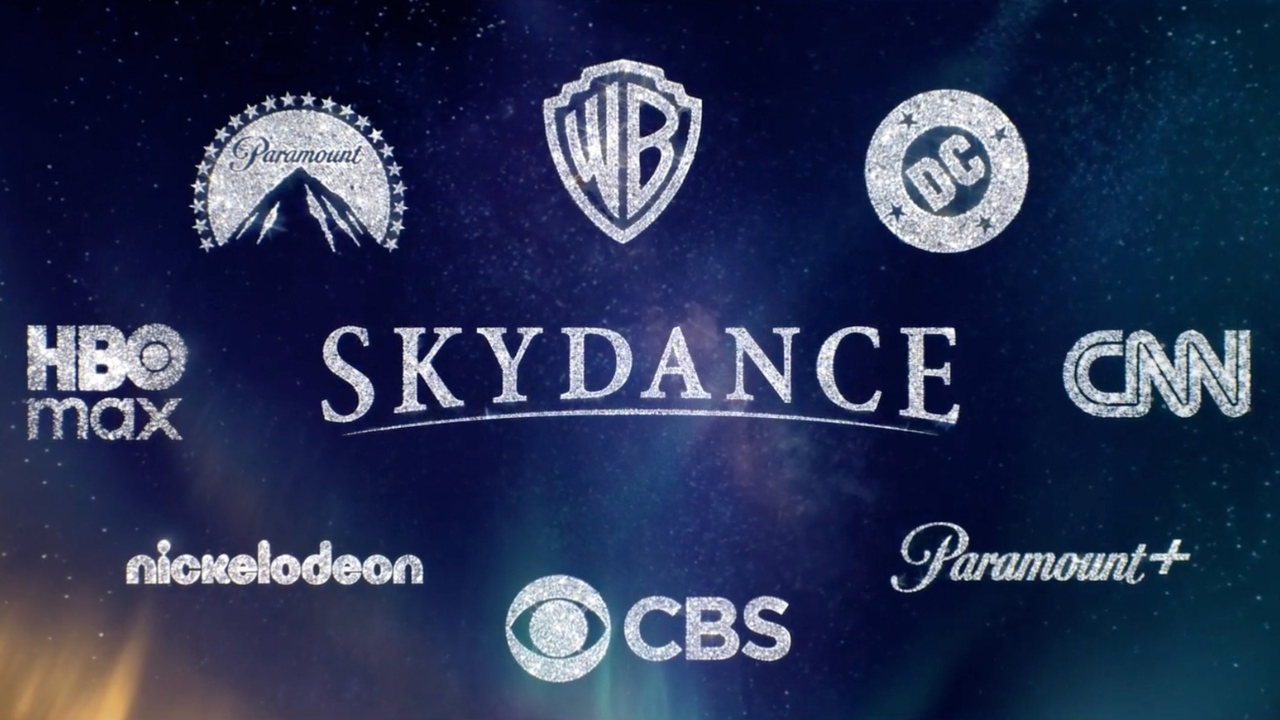
The new Skydance Logo – SkyDance
READ: Judge Dismisses Case Against Dolly Parton’s Nephew After Her Longtime Manager Asks to Drop It
Liefeld responded on X, offering a different account based on conversations with his contacts.
Talked to friends at Skydance, sale is likely a no, but was told that licensing the comics, certain families, would not be out of the question. Money in without money out is always attractive.
— robliefeld (@robertliefeld) November 12, 2026
“Talked to friends at Skydance, sale is likely a no, but was told that licensing the comics, certain families, would not be out of the question. Money in without money out is always attractive.”
Liefeld, who co-created Deadpool and helped establish Image Comics, has considerable experience in the industry. He also disclosed that he has movie projects at Skydance, giving him a professional connection to the company.
Nevertheless, his comments represent secondhand information rather than an official announcement. Skydance has not confirmed plans to license DC’s comic book publishing operations.
Why Licensing Makes More Financial Sense Than Selling
The distinction between selling DC’s characters and licensing their publishing rights is significant.
Batman, Superman, Wonder Woman, and other DC properties generate revenue through movies, television, video games, merchandise, and publishing. Selling those characters outright would mean surrendering control of intellectual property with potential value across multiple entertainment businesses.
Licensing, meanwhile, would allow Skydance to retain ownership while collecting fees or royalties from another publisher.

A screenshot from Batman: Arkham Asylum Game of the Year Edition (2010), Rocksteady Studios
READ: Is Warner Bros. Erasing Malfoid? Popular Creators Hit With Copyright Strikes
Liefeld’s reference to “certain families” suggests that individual groups of characters could potentially be licensed separately.
For example, an outside publisher might receive permission to produce comics featuring Batman and his supporting characters while Skydance retained ownership and control over their appearances in other media.
Such arrangements could generate revenue while reducing DC’s direct publishing expenses, depending on the terms.
The financial pressures are substantial. Although the original rumor cited $100 billion in post-merger debt, Skydance’s November 9 financial disclosure reported approximately $87 billion in gross debt following the acquisition, with roughly $10 billion in cash.
The company is pursuing at least $6 billion in annualized cost savings over three years.
Could Outside Publishers Win Back Disillusioned Readers?
A licensing arrangement could also create an opportunity to reconsider DC’s approach to comic book storytelling.
In recent years, DC has faced criticism from readers who believe some of its comics have placed political ideologies and controversial social messaging ahead of traditional superhero adventures.
Storylines involving contemporary political debates, changes to established characters, and increased emphasis on social issues have generated backlash among portions of the audience.
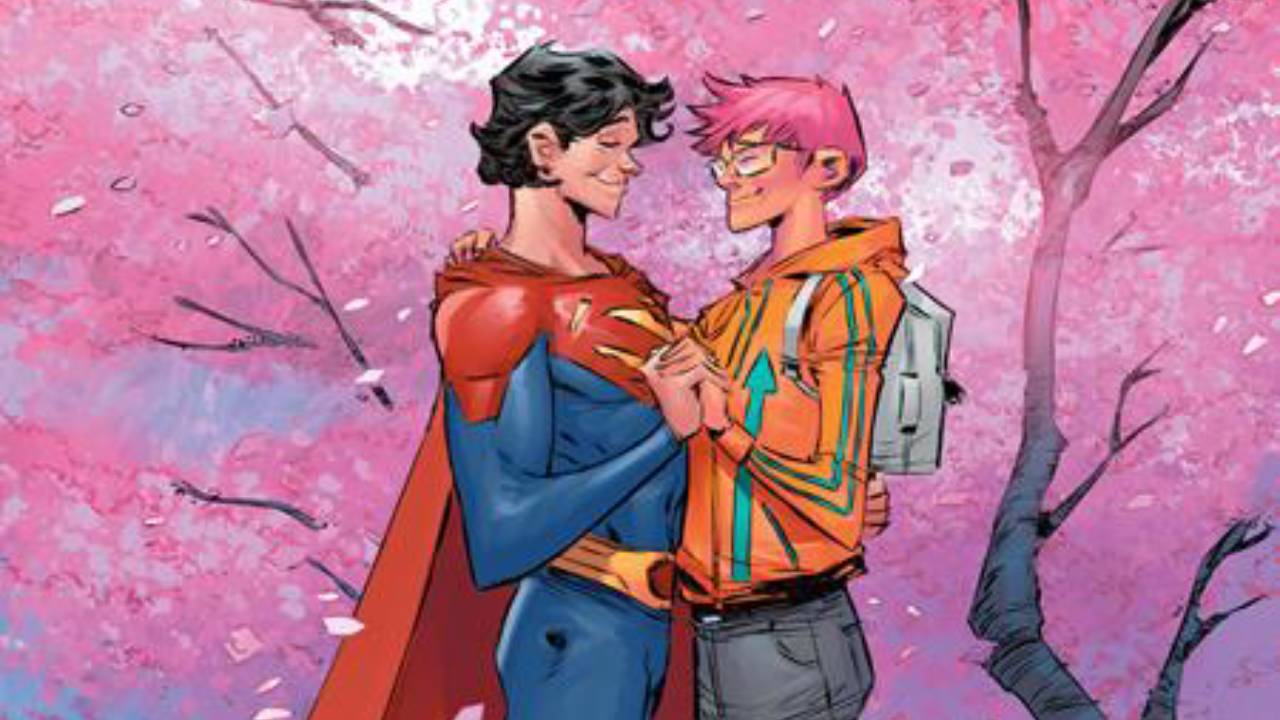
Superman: Son of Kal-El #11 Cover C by Brian Ching (2022), DC Comics
READ: Netflix Mood-Based AI Discover Tool Gets Roasted by Critics
Critics argue that these creative decisions risk alienating longtime readers while doing little to attract a broader audience. However, the extent to which such controversies have affected overall sales remains difficult to establish, particularly given the industry’s changing distribution and readership habits.
An outside publisher would face a different set of financial incentives.
A company paying for the opportunity to publish Batman, Superman, or another established DC property would have a strong motivation to recover its investment and generate a profit.
That could encourage greater attention to what existing readers want, alongside efforts to attract new customers.
It would not necessarily mean abandoning political themes or controversial storylines. However, a licensee investing its own money would have a direct financial interest in producing comics that attract enough paying customers to justify the agreement.
Whether that would result in a meaningful creative change would depend on the publisher and the terms established by Skydance.
DC’s Future Under Skydance
The licensing speculation follows the firing of James Gunn and Peter Safran from DC Studios, with former Marvel executive Jeremy Latcham scheduled to assume leadership on December 1.
Although that change concerns DC’s film and television operations rather than its comic book publishing division, it reflects Skydance’s willingness to reconsider the management of its superhero properties.

A screenshot from Wonder Woman (TBA), Monolith Productions
There is also precedent for licensing DC characters to outside publishers. The company already works with third parties on books and other products, although transferring responsibility for ongoing superhero comic book lines would represent a more substantial arrangement.
For Skydance, retaining ownership of DC’s most recognizable characters would preserve opportunities to generate revenue across multiple entertainment businesses. Licensing some of their publishing rights could provide an additional income stream without sacrificing those assets.
For readers, the arrangement could introduce new creative teams, publishing strategies, and potentially different approaches to familiar characters.
For now, Liefeld’s comments suggest that licensing is at least being discussed, while an outright sale appears less likely based on what his contacts have told him.
Do you think Skydance will licence DC Comics’ characters to other companies? Sound off and let us know!
UP NEXT: Emma Watson Takes Painful-Looking Fall as Paparazzi Keep Snapping Photos
