



Hollywood promised that the summer of 2025 would be the big comeback. Bob Iger told Wall Street earlier this year that Marvel and Disney’s film slate would be the strongest since 2019 in terms of summer box office. Analysts across the trades said the industry could finally hit a $4 billion summer, marking the first real rebound since the 2020 lockdowns. The message was clear: after years of decline, Hollywood would deliver a box office season worth celebrating.

Vanessa Kirby as Sue Storm in The Fantastic Four: First Steps – YouTube, Marvel Entertainment
Instead, the summer ended with a thud. The domestic total came in at about $3.53 billion, or $3.6–$3.7 billion if you stretch through Labor Day. That’s slightly higher than last year’s disastrous summer but still far below the expectations the industry itself set. Worse, it’s billions short of the nearly $5 billion summer of 2019, the benchmark that Hollywood continues to chase but can’t seem to reach.
And how did Deadline, one of the biggest Hollywood trades, respond to this disappointment? By defending Marvel’s The Fantastic Four: First Steps and even telling audiences to “shut up.”
Marvel’s Big Bet That Fell Flat
No film this summer carried more weight for Marvel than The Fantastic Four: First Steps. This was supposed to be the relaunch of Marvel’s most iconic team, the project that would remind audiences why they fell in love with the MCU in the first place. Disney marketed it as a turning point, a return to form after years of decline.

Julia Garner as the Silver Surfer in The Fantastic Four: First Steps – YouTube, Marvel Entertainment
But the box office doesn’t lie. Fantastic Four earned around $500 million worldwide. That’s technically the highest-grossing film in the franchise’s history, but that “achievement” only looks impressive because the bar was so low. Fox’s 2005 Fantastic Four made $333 million. The 2007 sequel hit $301 million. The ill-fated 2015 reboot collapsed with just $167 million.
Marvel topping those weak numbers (at a time in which inflation is way up) doesn’t make this a comeback. In the context of the MCU, it’s a flop. At its peak, Marvel delivered multiple billion-dollar blockbusters every year. Just last summer, Deadpool & Wolverine smashed past $1.3 billion. Compared to that, Fantastic Four barely moved the needle.
Deadline’s Defense: “So, Shut Up”
Rather than acknowledge that truth, Deadline rushed to defend Marvel. Their box office wrap-up included this astonishing line:
“In addition, Fantastic Four: First Steps at a half billion worldwide is the highest-grossing ever for that franchise. So, shut up, when it comes to superhero-itis. The reality check is that there is an arguable box office ceiling to certain pieces of IP (Batman and Spider-Man will always gross more than Superman), not to mention, the more FOMO fever surrounding a title the better, hence one of the reasons why Superman outgrossed Fantastic Four.”
This isn’t neutral reporting. This is a trade outlet literally scolding audiences for daring to point out Marvel’s decline. Instead of grappling with the reality that half a billion is underwhelming by MCU standards, Deadline waved it away, told you to “shut up,” and moved on.
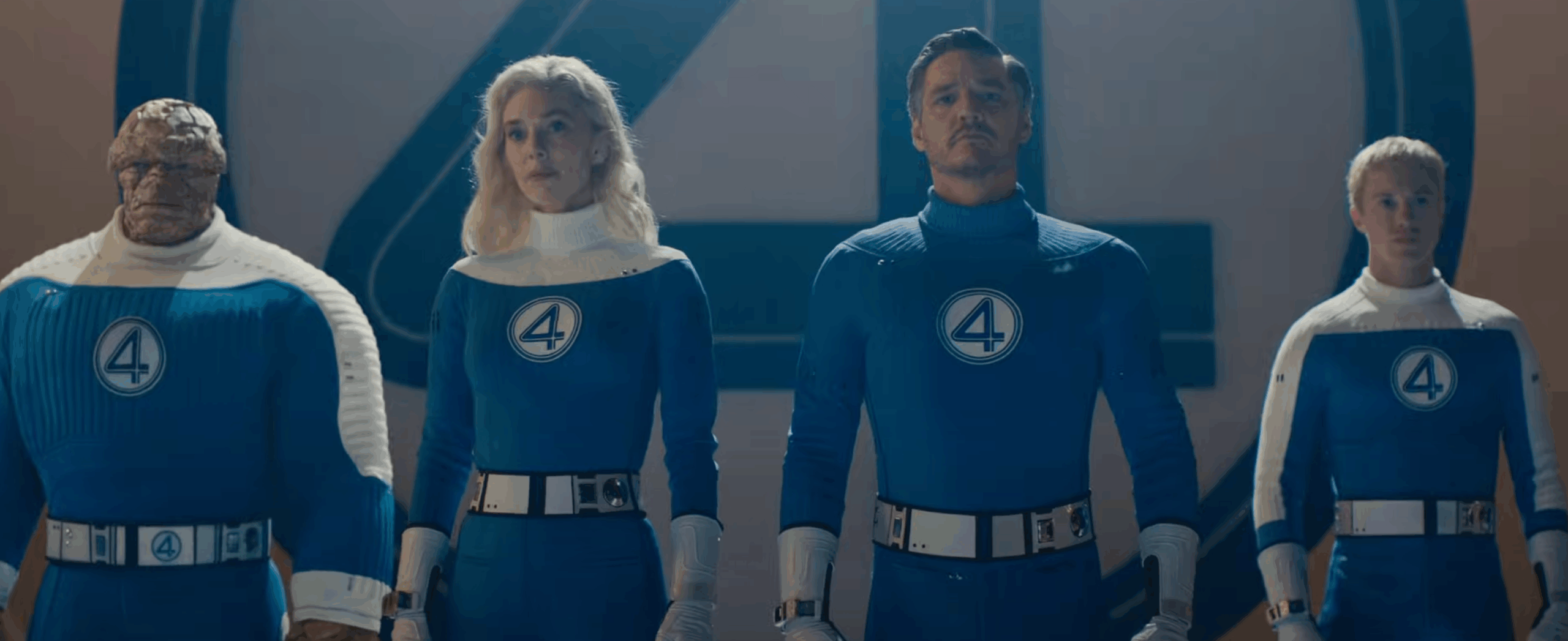
The cast of Fantastic Four: First Steps – YouTube, Marvel Entertainment
That line is more than a throwaway comment — it’s an admission that Hollywood’s press corps sees its job as protecting the studios, not reporting honestly about them.
The Bigger Picture: A Summer That Missed the Mark
The defense of Fantastic Four is just one piece of a larger pattern. Across the industry, this summer’s numbers were treated as a win simply because they weren’t as bad as 2024 (they were only marginally better). But by the standards Hollywood set, this was another weak season.
- The industry promised $4 billion. It fell short.
- Bob Iger said Disney’s lineup was as strong as 2019. It wasn’t.
- The summer total of $3.5–3.7 billion is better than last year, but still nowhere close to pre-lockdown levels.

The Thunderbolts uniting in Marvel’s Thunderbolts – YouTube, Marvel Entertainment
By any honest measure, this summer failed to deliver the rebound audiences and investors were promised. Yet instead of holding the industry accountable, the trades shifted the goalposts. “Slightly better than last year” suddenly became “good enough,” and “good enough” was redefined as “good.”
Iger’s Broken Promise
Bob Iger was the one who raised expectations. He told investors earlier this year that Disney’s film slate was “as strong as anything since 2019.” Deadline and the rest of the Hollywood press ran with that claim, framing 2025 as the year theaters would roar back to life.
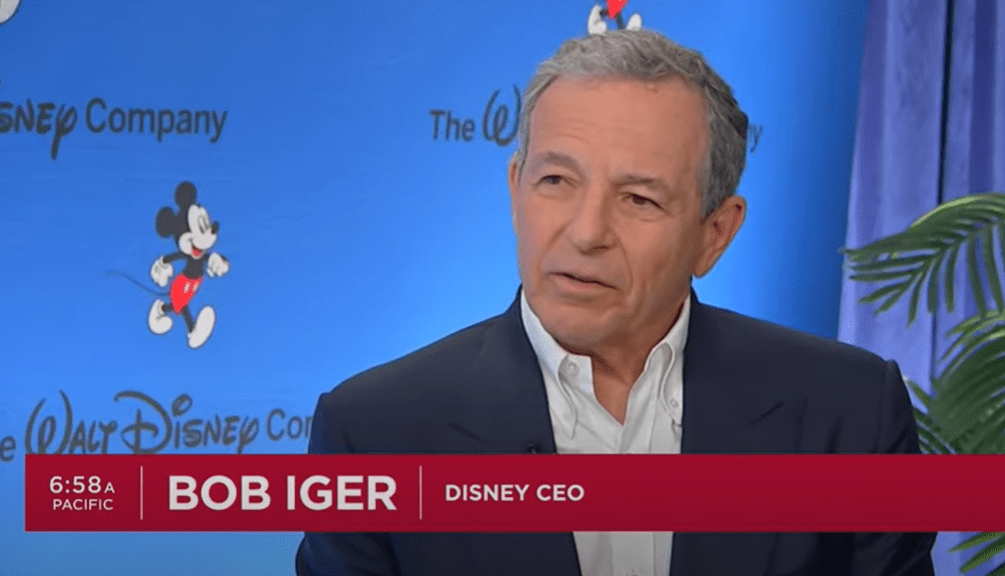
Bob Iger via CNBC Television YouTube
But when the summer came and went without a swell of billion-dollar breakouts, the narrative changed. The same trades that amplified Iger’s boast are now ignoring it, acting as if the promise was never made. That isn’t journalism. That’s running cover for a CEO who didn’t deliver.
The Disconnect With Audiences
At the core of all this is a fundamental truth: audiences are tired of being talked down to. They’ve sat through years of underwhelming summer box office Marvel movies, endless reboots, and inflated promises. They know when a film is a hit and when it isn’t.
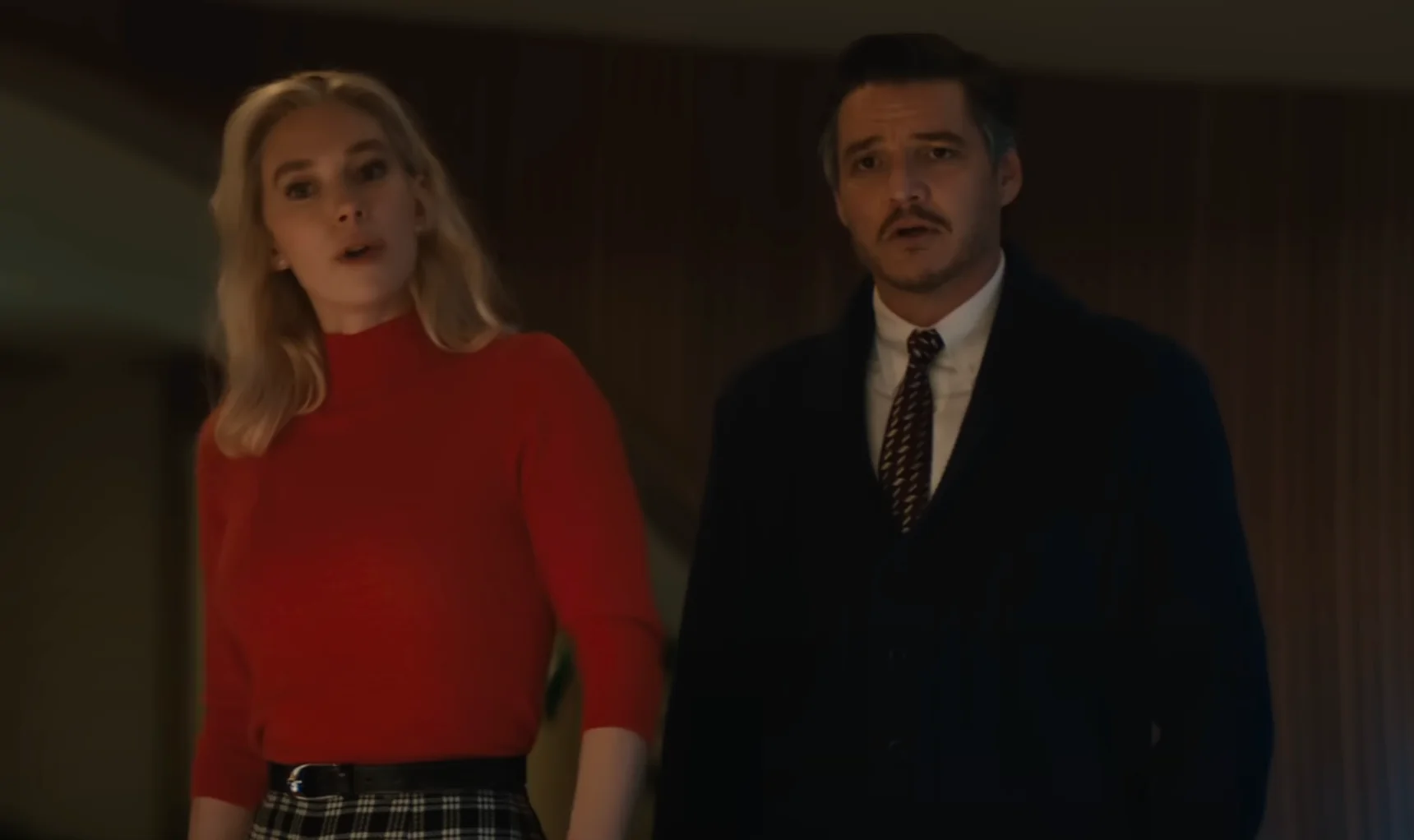
Sue Storm and Reed Richards in The Fantastic Four: First Steps – YouTube, Marvel Entertainment
When a Hollywood trade tells them to “shut up,” it doesn’t change their experience at the box office. It only reinforces the idea that the industry and its press are completely out of touch with the people they’re supposed to serve.
The Bottom Line
The summer of 2025 was supposed to be a rebound. It wasn’t. Marvel through Fantastic Four was supposed to make a big summer box office comeback. It didn’t. And instead of owning up to those failures, Hollywood’s press corps decided to spin, excuse, and even scold their readers.

Silver Surfer from Fantastic Four First Steps (2025); Screenshot
Deadline’s “shut up” moment is the clearest sign yet that Hollywood is more interested in protecting its machine than in reporting the truth. But audiences don’t need Deadline to tell them what to think. They can see the empty seats. They can see the gap between billion-dollar promises and half-billion results. And no amount of spin will make them believe that failure is success.
How do you feel about Deadline telling readers to “shut up” in response to the Marvel summer box office? Sound off in the comment section below and let us know!
UP NEXT: Disney “Wins” Summer 2025 Box Office—But Only Because Everyone Else Lost
