


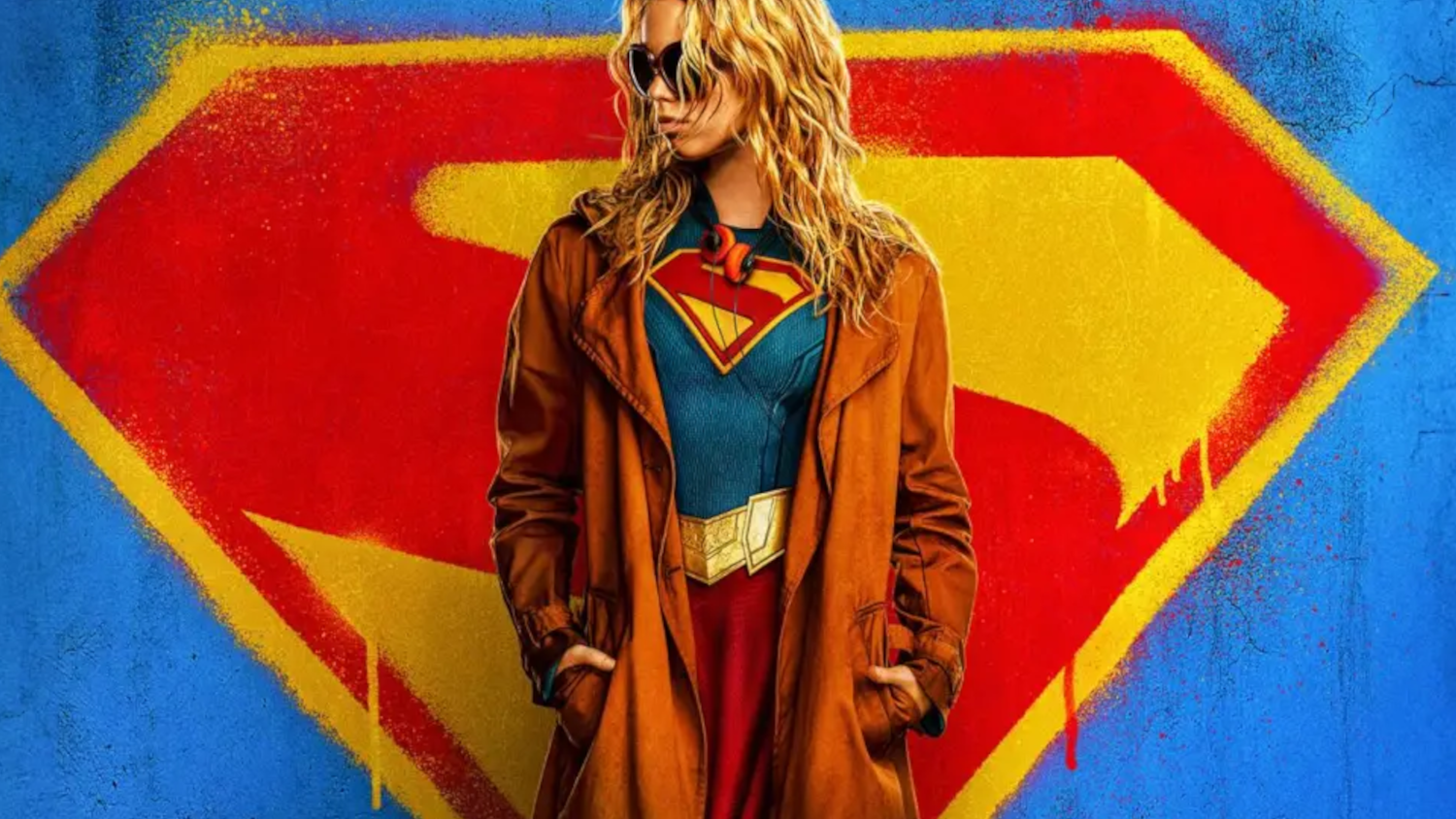
As Supergirl heads into its opening weekend facing increasingly concerning box office projections, Deadline has published an extensive report celebrating what it describes as the largest promotional partnership campaign in DC Studios history.
According to Deadline, the film has secured more than 80 promotional partners worldwide and generated over $100 million in media value through co-branded advertising campaigns, retail activations, product packaging, digital marketing, and other promotional efforts.
The article paints a picture of a marketing juggernaut. Brands including KFC, Samsung, American Airlines, Ulta Beauty, OPI, Timex, Milk-Bone, Pinkberry, Cold Stone Creamery, and numerous others have attached themselves to the film in an effort to promote both their products and Warner Bros.’ latest DC release.
The existence of a large promotional campaign, however, doesn’t guarantee box office success. What makes Deadline’s article noteworthy isn’t the partnerships themselves, but the fact that the publication chose to spotlight marketing achievements at a time when much of the conversation around Supergirl revolves around its dismal box office prospects.
The $100 Million Figure Isn’t What Many Readers Think
Following the publication of Deadline’s story, YouTuber and entertainment analyst Valliant Renegade felt compelled to clarify what the widely circulated “$100 million” figure actually represents.
Ok, everyone is hitting me up over this.
THIS IS NOT MONEY THAT GOES TO THE STUDIO! Repeat: WARNER BROS DOES NOT GET $100M. They get ROUGHLY ZERO DOLLARS of this. https://t.co/nSPwQlF4y8— Valliant Renegade (@ValliantRenegad) June 23, 2026
READ: The Numbers Behind Box Office Success Are Simpler Than Hollywood Thinks
“THIS IS NOT MONEY THAT GOES TO THE STUDIO!” he wrote on X. “Repeat: WARNER BROS DOES NOT GET $100M. They get ROUGHLY ZERO DOLLARS of this.”
The $100 million figure referenced by Deadline is not revenue generated by Supergirl. It’s not box office revenue, profit, or some kind of pre-release financial windfall for Warner Bros.
Instead, the figure represents estimated media value generated by promotional partners who are advertising their own products while incorporating Supergirl branding into those campaigns.
In practical terms, the $100 million figure reflects the value of advertising exposure, retail placement, product packaging, promotional displays, and other marketing efforts associated with the participating brands. It’s not revenue generated by Supergirl, nor is it money flowing directly to Warner Bros.
The distinction matters because many readers interpreted Deadline’s headline as suggesting the studio had somehow generated $100 million before the film’s release. As Valliant pointed out, that is not what the figure represents.
Marketing Scale Does Not Equal Audience Demand
The more interesting question is whether any of this marketing activity is translating into genuine audience enthusiasm.
Deadline’s article spends thousands of words detailing:
- KFC promotional tie-ins
- Ulta Beauty campaigns
- OPI nail polish collections
- Samsung integrations
- American Airlines promotions
- Milk-Bone dog treats
- Pinkberry frozen yogurt
- Kombucha partnerships
- Retail displays and product packaging

A screen capture from the Supergirl trailer – YouTube @dcofficial
Yet comparatively little attention is given to the one metric that ultimately determines success or failure.
Ticket sales.
Hollywood has repeatedly learned that awareness alone doesn’t guarantee box office success.
Audiences were aware of The Marvels. They were aware of Indiana Jones and the Dial of Destiny. And they were certainly aware of Disney’s live-action Snow White.

Krypto the Super Dog in the Supergirl Trailer – YouTube, DC
The problem was never awareness.
The problem was convincing enough people to buy tickets.
That’s why some observers see Deadline’s article as focusing on a marketing victory while largely sidestepping the more uncomfortable conversation surrounding Supergirl’s box office outlook.
A Growing Question for Hollywood Trade Publications
Whether intentional or not, the timing of the article is difficult to ignore.
With the film only days from release, the dominant conversation surrounding Supergirl is not about frozen yogurt flavors, nail polish collections, or promotional buckets of fried chicken.
It’s about whether audiences are interested enough to show up.
Instead of examining that question in depth, Deadline chose to spotlight the scale of Warner Bros.’ promotional machine.

Jason Momoa as Lobo in the Supergirl Trailer – YouTube, DC
That has fueled a broader criticism frequently leveled at Hollywood trade publications: that they often function less as independent observers and more as amplifiers for studio messaging.
To be clear, there is nothing inherently misleading about reporting on promotional partnerships. The campaign appears substantial, and Warner Bros. deserves credit for securing such a large network of corporate partners.
But the existence of a massive marketing campaign doesn’t answer the question moviegoers, theater owners, and investors actually care about.
Will people buy tickets?
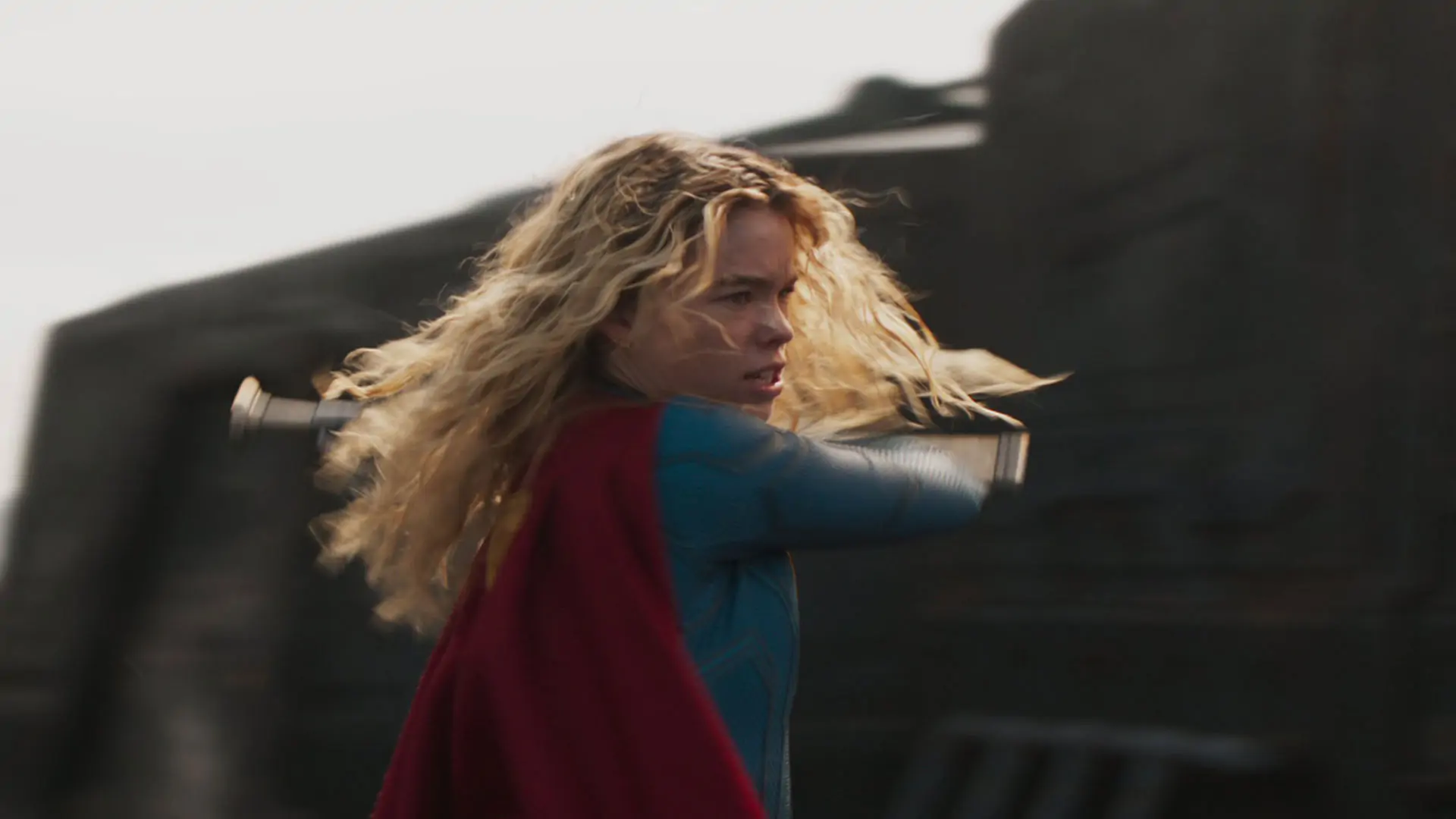
Supergirl fighting in the Supergirl Trailer – YouTube, DC
If Supergirl opens at the lower end of current projections, the story won’t be how many promotional partners Warner Bros. assembled. It will be that even the largest promotional partnership campaign in DC Studios history was unable to generate the level of audience demand the studio needed from one of the foundational films in its new DC Universe.
And that may ultimately be the question Deadline’s article unintentionally highlights most.
How do you feel about this Supergirl marketing narrative? Sound off and let us know!
