


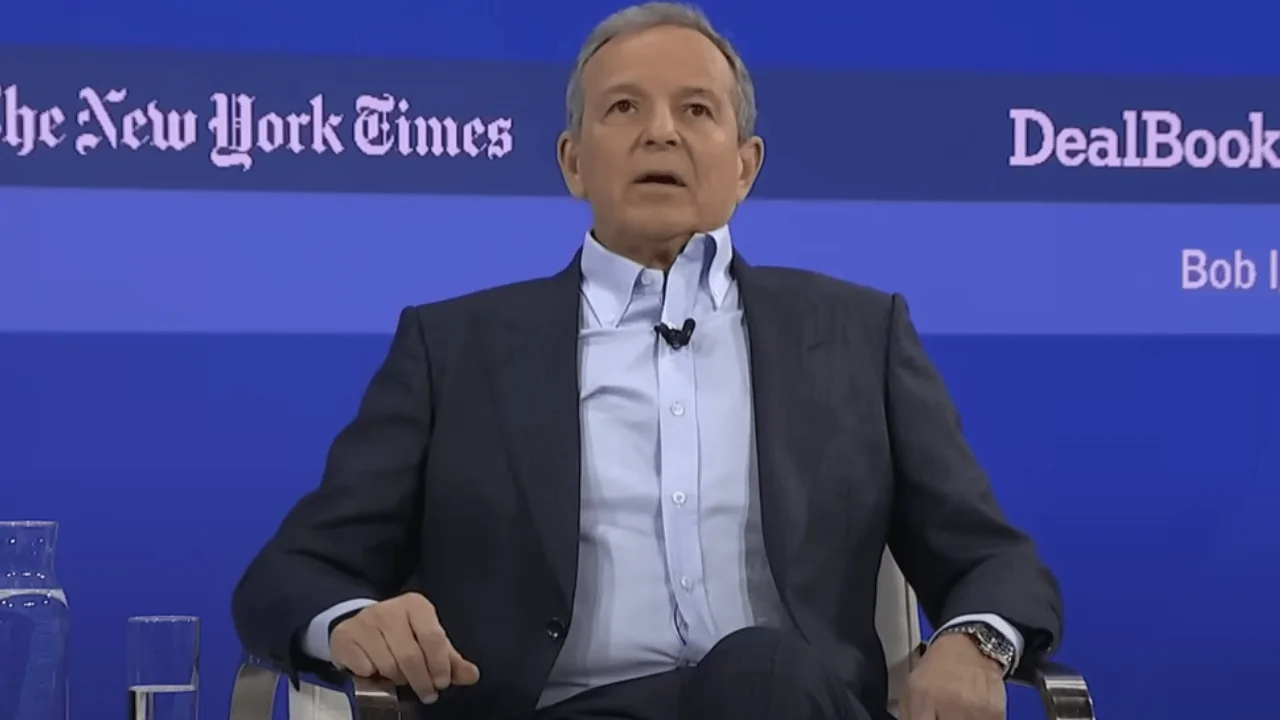
In a moment of rare candor, Andor showrunner Tony Gilroy revealed this week that Disney and Lucasfilm told him “streaming is dead” during the production of the second season of his Star Wars series. The comment comes amid increasing scrutiny over the viability of Disney’s streaming business and a string of underperforming Lucasfilm titles on Disney+.
Speaking at the ATX Television Festival, Gilroy described the behind-the-scenes challenges of producing Andor Season 2.
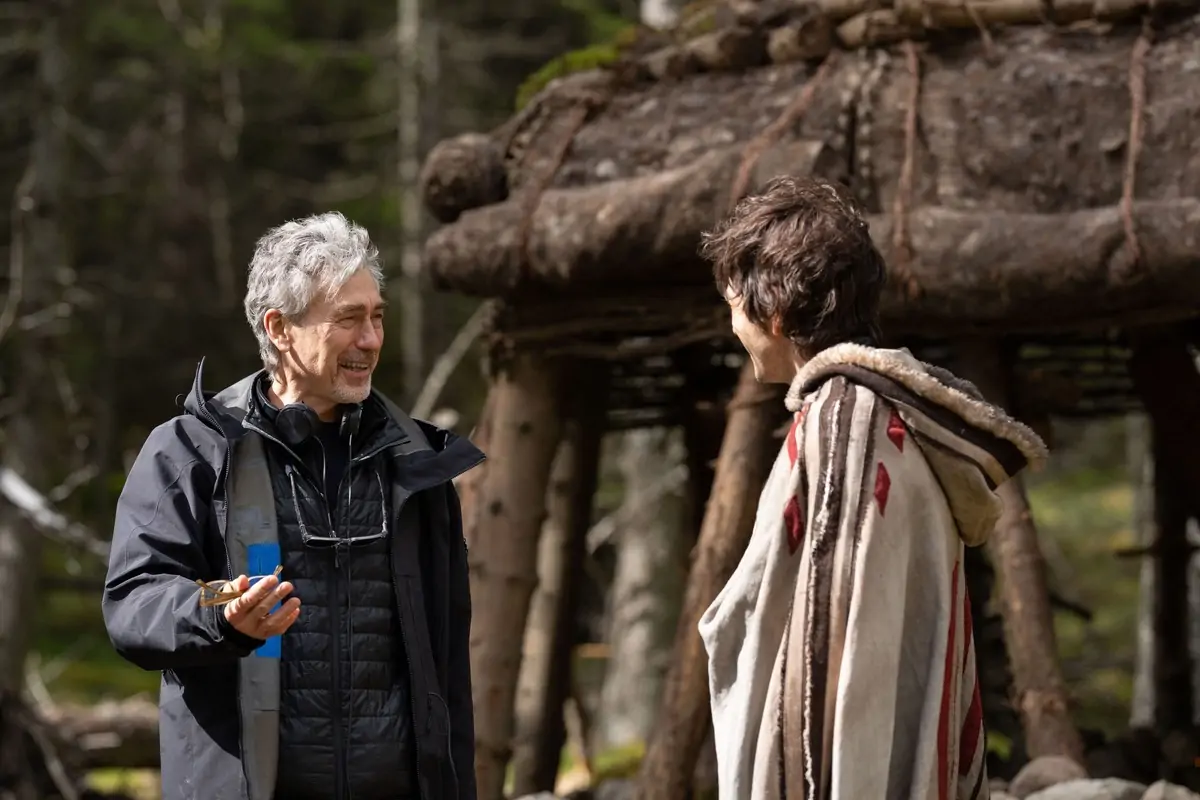 (L-R): Tony Gilroy and Diego Luna on the set of Lucasfilm’s ANDOR, exclusively on Disney+. ©: Former WWE Superstar Hornswoggle Unleashes on Peter Dinklage for Costing Little People Roles in Disney’s Snow White
“I mean, [for] Disney this is $650 million. For 24 episodes, I never took a note,” Gilroy said. “We said ‘F*** the Empire’ in the first season, and they said, ‘Can you please not do that?’ … In Season 2, they (Disney/Lucasfilm) said, ‘Streaming is dead, we don’t have the money we had before,’ so we fought hard about money, but they never cleaned anything up. That [freedom] comes with responsibilities.”
The statement marks the first known instance of a high-level Disney creative publicly stating that the company no longer views streaming as a viable growth engine. Gilroy’s remark directly contradicts the optimistic tone frequently struck by Disney CEO Bob Iger, who has repeatedly described the streaming business as central to Disney’s future.
A Costly Experiment
Andor, which premiered in 2022, has been one of Disney+’s most expensive projects. The combined cost of both seasons reportedly reached $650 million, making it one of the highest-budgeted streaming series of all time. While the series earned widespread critical acclaim, it did not achieve the breakout viewership seen with earlier Star Wars series like The Mandalorian.

(L-R): Paz Vizsla and the Mandalorian (Pedro Pascal) in Lucasfilm’s THE BOOK OF BOBA FETT, exclusively on Disney+. ©.
Gilroy’s revelation comes amid mounting evidence that all of Lucasfilm’s recent Disney+ offerings have struggled to find an audience.
- The Acolyte, released in June 2024, opened with 488 million minutes viewed in its first week but dropped off Nielsen’s Top 10 by week four. The season finale recorded just 335 million minutes. With a production budget exceeding $230 million, the series was canceled after one season.
- Skeleton Crew, another live-action series set in the Star Wars universe, failed to chart in the Nielsen Top 10 at any point during its release. Despite featuring Spider-Man director Jon Watts and Jude Law, the show came and went with little fanfare or media attention.
- Tales of the Underworld, an animated anthology series released on May 4, 2025, debuted quietly and never registered measurable viewership on industry tracking services. Despite featuring established characters like Asajj Ventress and Cad Bane, the show received limited promotion and made no cultural impact.
- Ahsoka, released in August 2023, debuted with 829 million minutes viewed but saw a rapid decline in engagement, with later episodes drawing under 500 million minutes. While a second season is in development, insiders have suggested it will be shaped as a potential conclusion to the series.
 Osha Aniseya (Amandla Stenberg) in Lucasfilm’s THE ACOLYTE, season one, exclusively on Disney+. ©2024 Lucasfilm Ltd. & TM. All Rights Reserved
By comparison, The Mandalorian Season 2 regularly crossed 1 billion minutes per week at its peak, underscoring the decline in Disney+’s Star Wars viewership over the last several years.
Behind-the-Scenes Retrenchment
While Disney has not formally announced any pullback from streaming, the company’s actions and Gilroy’s comments point toward a significant internal reevaluation. The costly live-action Willow series was removed from Disney+ entirely just months after release. Other projects have been shelved or restructured as theatrical releases or standalone specials.
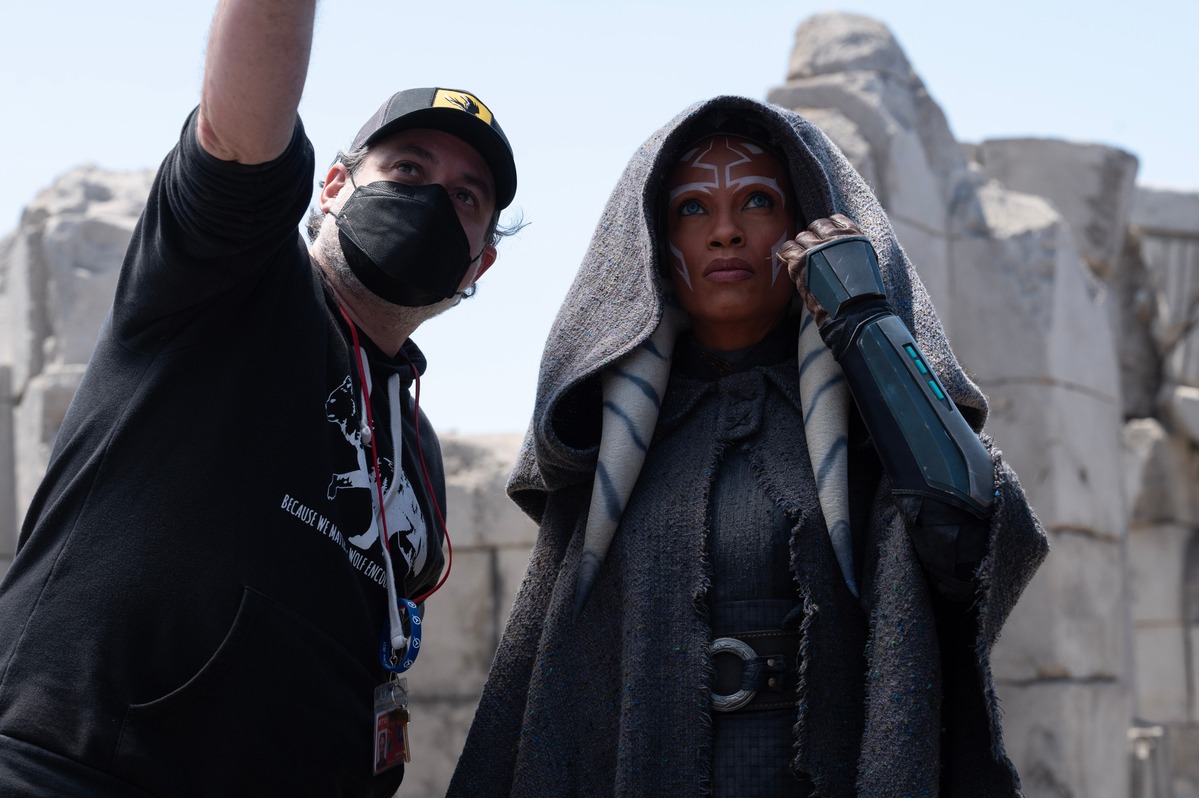
(L-R): Dave Filoni and Rosario Dawson on the set of Lucasfilm’s STAR WARS: AHSOKA, exclusively on Disney+. ©2023 Lucasfilm Ltd. & TM. All Rights Reserved.
Gilroy’s disclosure that Disney said “streaming is dead” reflects what analysts and shareholders have been speculating for months: the economics of high-budget streaming content no longer align with the return on investment, particularly in a saturated market.
Public Messaging vs Internal Reality
Despite the behind-the-scenes admission from Tony Gilroy, Disney CEO Bob Iger has continued to project confidence in the company’s streaming future. During the company’s Q2 earnings call in May 2025, Iger highlighted Disney’s $336 million in operating income from its streaming division and declared the business was “well on its way to long-term profitability.” He praised the integration of Hulu into Disney+ and dismissed concerns over reduced content volume as a “strategic shift toward quality.”
In February, Iger described streaming as “resilient” and “a foundational part of our growth trajectory.”
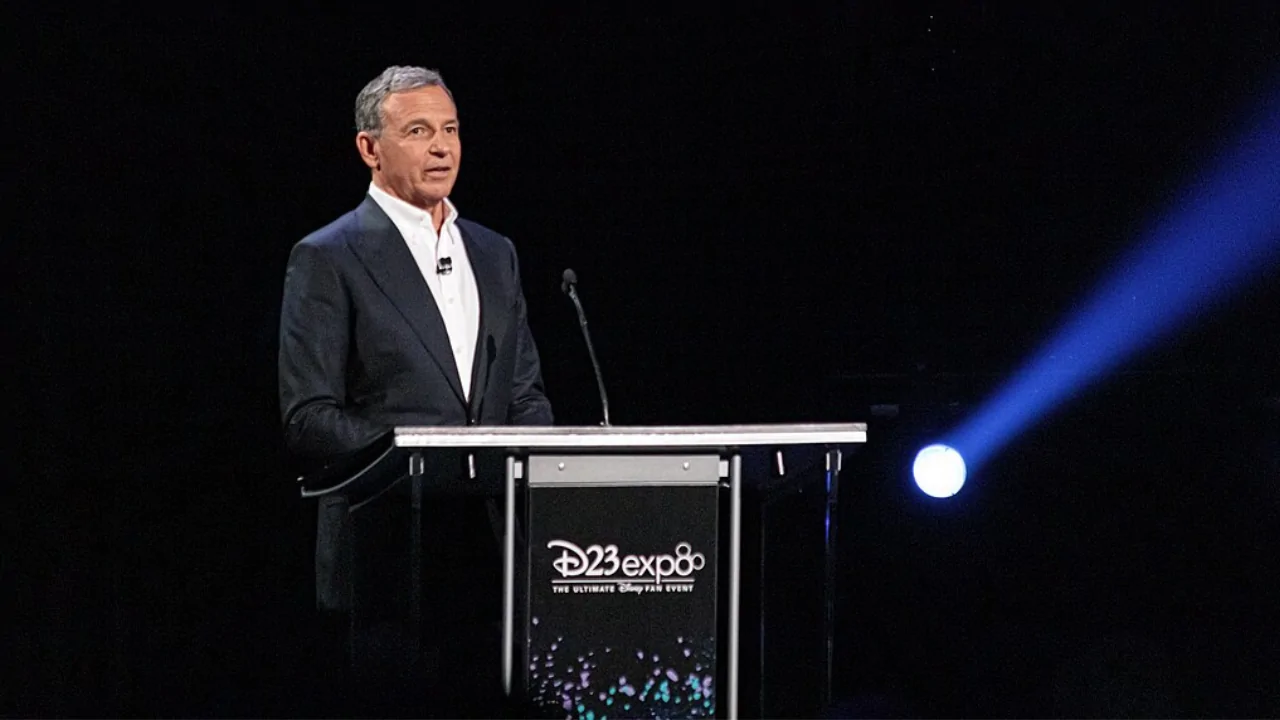
Bob Iger | 2019 Disney Legends Awards Ceremony | D23 EXPO 2019. Photo Credit: nagi usano from Tokyo, Japan, CC BY-SA 2.0 <https://creativecommons.org/licenses/by-sa/2.0>, via Wikimedia Commons
To date, there has been no public acknowledgement of internal concerns that the business model itself may be unsustainable. Budget cuts, canceled projects, and the reevaluation of original content strategies have all occurred without any overt signaling that Disney’s core streaming ambitions may be in retreat.
The closest Iger has come to admitting challenges in the space was during a 2024 earnings call, when he announced that Marvel Studios would be significantly scaling back its output. He framed the decision not as a response to financial pressure, but as a deliberate shift toward “quality over quantity.” Even then, Iger did not suggest that streaming as a distribution model was in jeopardy—only that the volume and type of content would be more selective going forward.
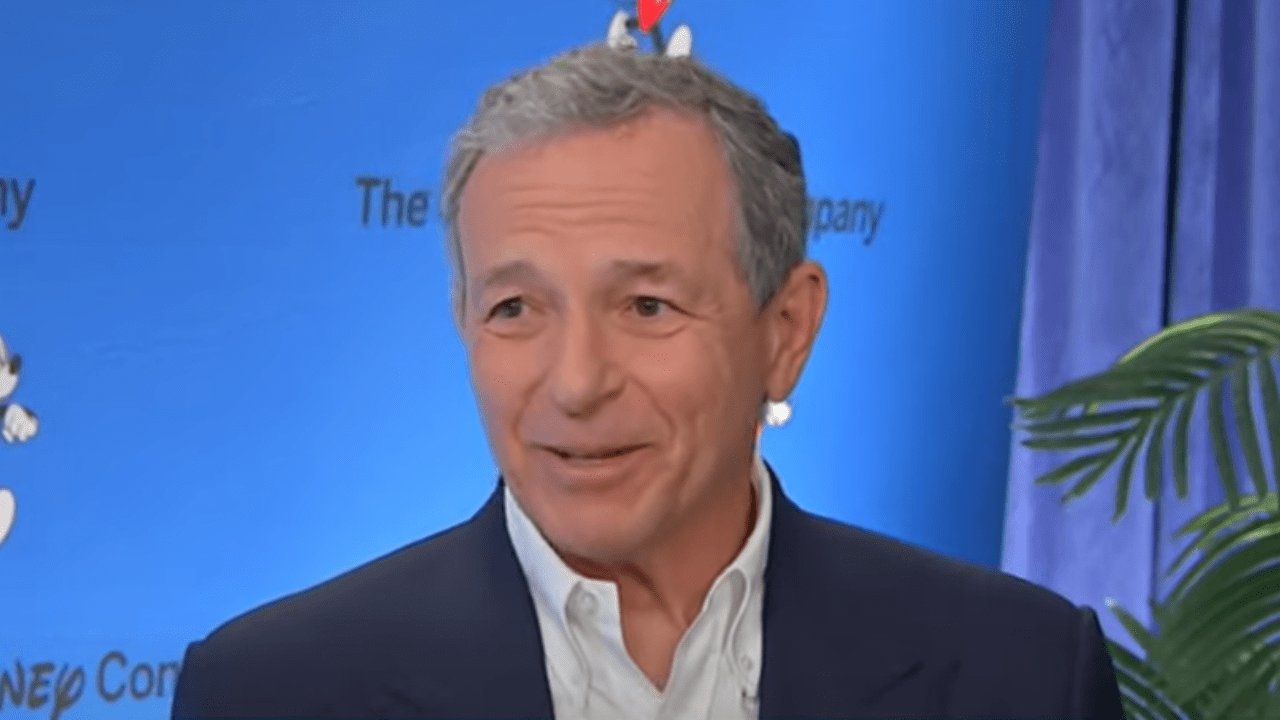
Bob Iger via CNBC Television YouTube
In contrast, Gilroy’s quote marks the first direct acknowledgment from anyone tied to Disney that company executives now view streaming as fundamentally flawed—or at least no longer financially viable under previous assumptions.
Strategic Uncertainty Going Forward
The revelation from Gilroy adds further pressure on Disney’s leadership to clarify its long-term content strategy. If high-profile, high-budget series like Andor are now considered unsustainable, it raises questions about the future of Lucasfilm’s other streaming ventures, particularly those still in development or awaiting renewal.
It also calls into question the financial and creative feasibility of upcoming Marvel series like Ironheart and Wonder Man, both of which have reportedly faced significant delays and budget constraints. These projects, announced with great fanfare during the peak of Disney+ expansion, now appear to be moving forward under tightened financial scrutiny.
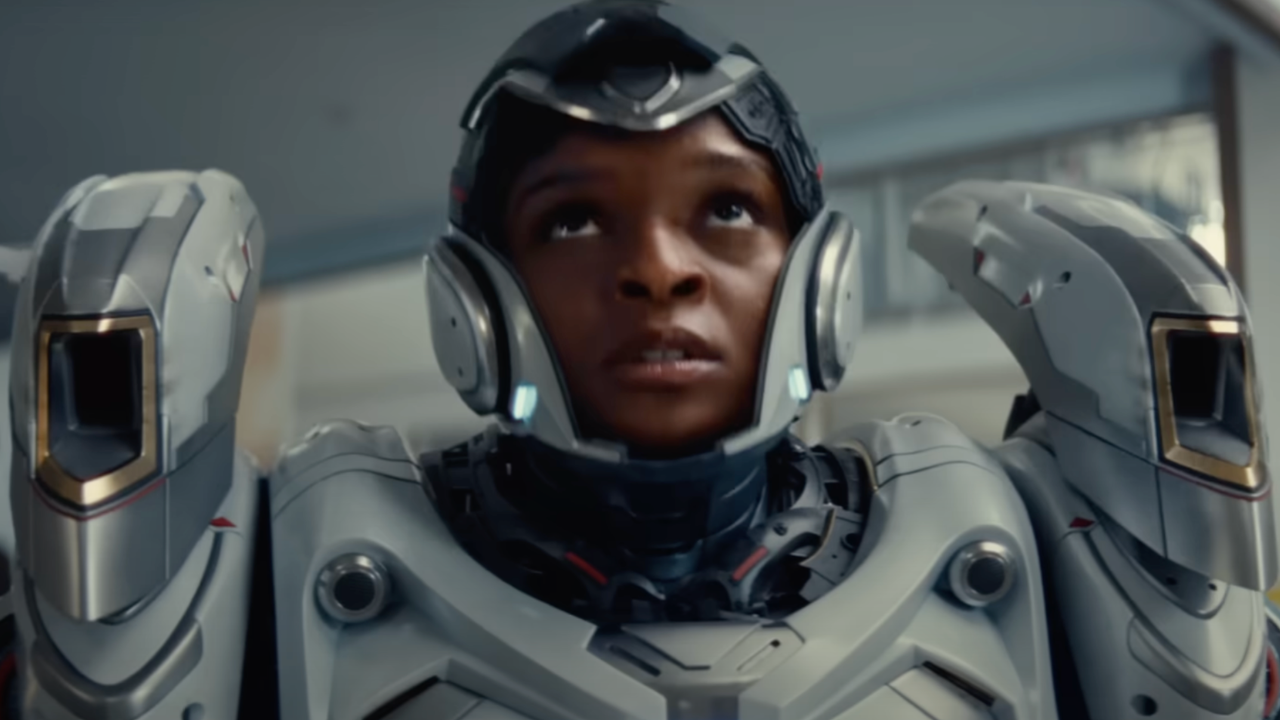
Ironheart in the trailer for Ironheart – YouTube, Marvel Entertainment
READ: Deadline Approaches for Paramount Skydance Merger as President Trump Holds All the Cards
However, despite reportedly telling Gilroy that “streaming is dead,” Disney still moved ahead with an unprecedented budget for Andor Season 2—helping push the total series cost to $650 million. That kind of expenditure suggests a company still willing to spend shareholder funds at a premium, even as it privately signals diminished confidence in the long-term viability of streaming as a growth engine.
This contradiction lies at the heart of Disney’s current dilemma. On one hand, executives are reportedly conceding behind closed doors that the streaming model may be broken. On the other, the company continues to invest heavily in prestige streaming projects while projecting success to shareholders and the public.
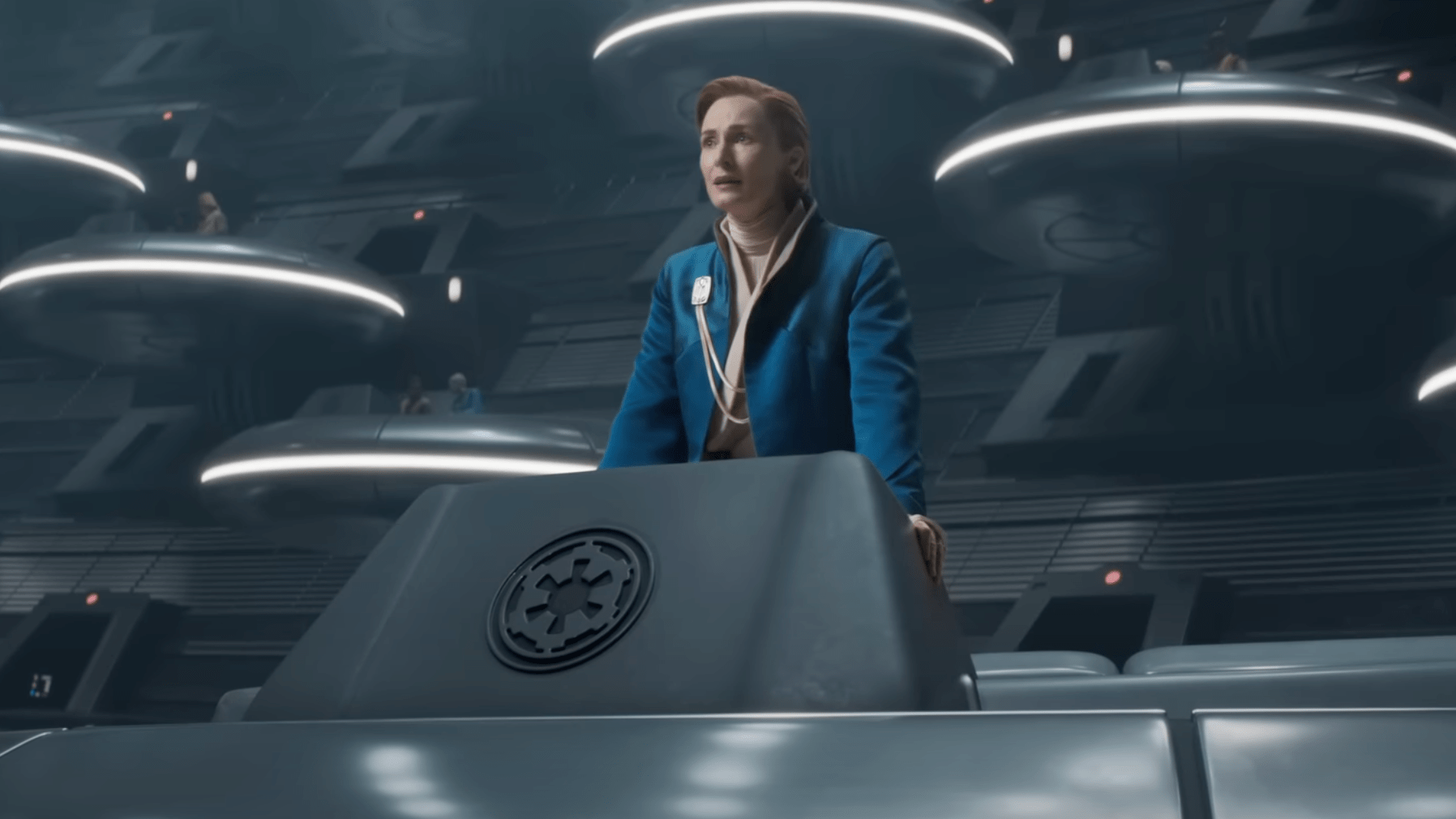
Mon Mothma in Andor – YouTube, Star Wars
As Disney looks toward 2026 and beyond, the gap between internal realities and public messaging may become harder to bridge—especially if shareholders begin demanding transparency. For now, Tony Gilroy’s comments may be the clearest signal yet that Disney’s once-mighty streaming ambitions have entered a state of managed decline, even as the company continues to publicly claim otherwise.
Do you believe that Disney told Tony Gilroy that streaming is dead? Sound off in the comments and let us know!
