


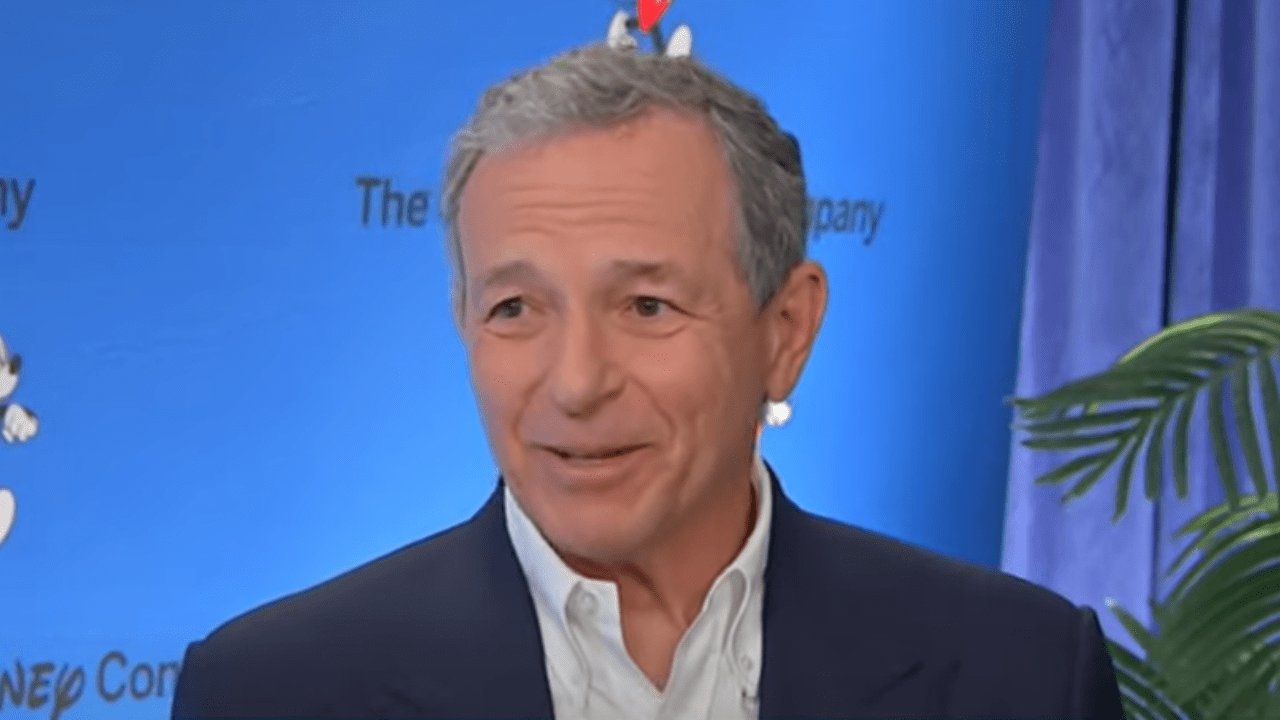
As Bob Iger’s retirement looms, Disney’s board appears ready to repeat history — and not in a good way. CNBC reports the company is now considering a leadership structure that includes co-CEOs to oversee its future, with the leading candidates rumored to be Dana Walden and Josh D’Amaro. If true, it’s one of the most baffling corporate strategies Disney has floated in years.
A divided company run by divided leadership with no creative visionary at the helm? What could possibly go wrong?
The Disney Co-CEOs Fantasy
On paper, the proposal probably looks balanced: Walden controls content and streaming, while D’Amaro oversees parks, resorts, and consumer products — the last remaining engine of profit inside The Walt Disney Company. In practice, however, co-CEOs almost always lead to power struggles, blurred authority, and competing visions.
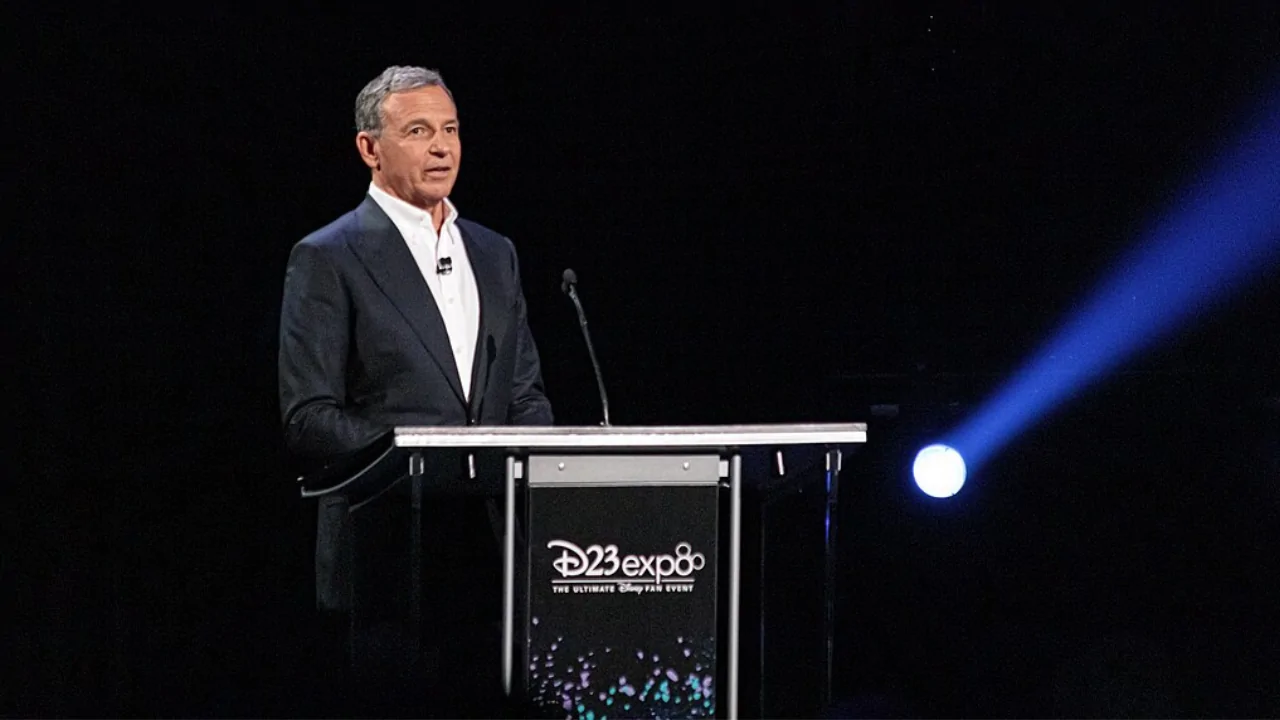
Bob Iger | 2019 Disney Legends Awards Ceremony | D23 EXPO 2019. Photo Credit: nagi usano from Tokyo, Japan, CC BY-SA 2.0 <https://creativecommons.org/licenses/by-sa/2.0>, via Wikimedia Commons
Disney is already notorious for internal fiefdoms and turf wars. Add two executives with overlapping influence and different priorities, and you have a recipe for chaos. The idea that both could share command of a company as complex as Disney is optimistic at best, delusional at worst.
Then there’s Bob Iger himself. The outgoing CEO isn’t exactly known for letting go of the reins. If Iger remains on as chairman — as expected — it risks creating a shadow leadership triangle where no one is sure who’s really in charge.
The Dana Walden Problem
Among the rumored co-CEO pairing, Dana Walden’s inclusion makes the least sense. Her division, Disney Entertainment, continues to lose money through unprofitable streaming and underperforming television networks. The data isn’t subtle: the only part of Disney that still consistently makes money is D’Amaro’s Experiences division — the parks, cruises, and consumer products that keep the company afloat.
So why elevate Walden?
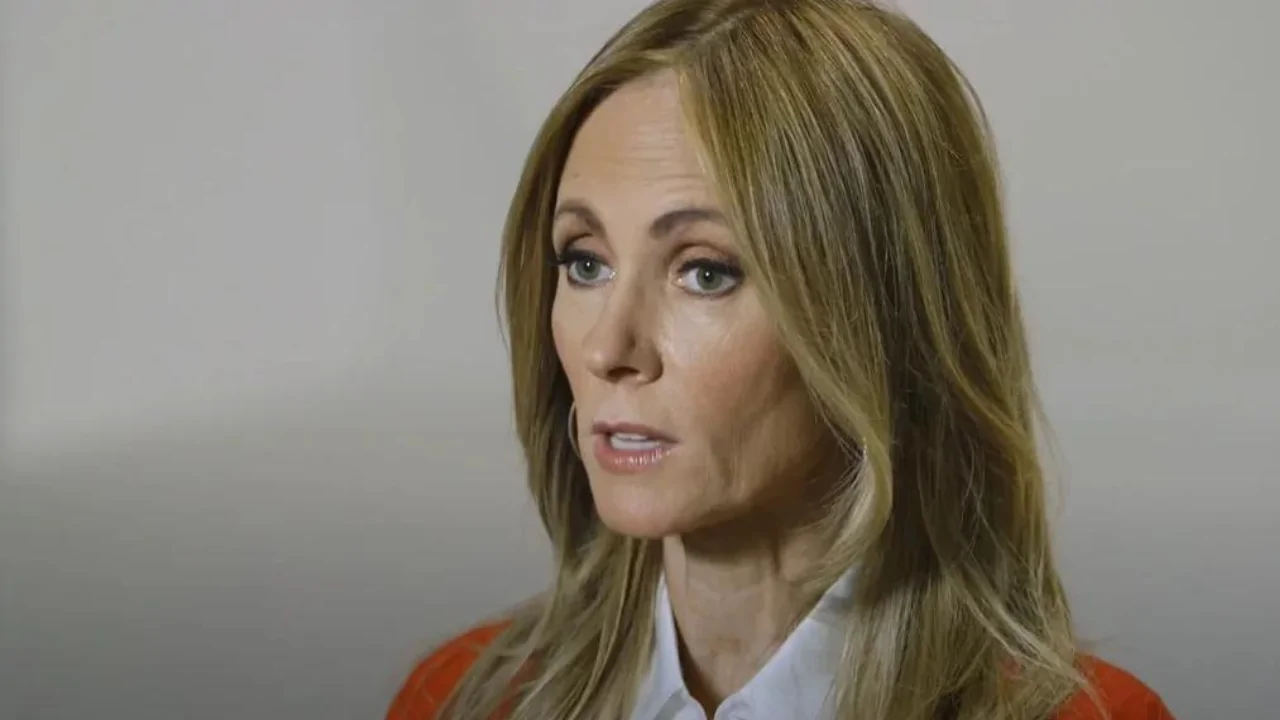
Dana Walden via Variety YouTube
Some speculate the board wants to score cultural points. Making Walden the “first female CEO” in Disney history would generate the kind of headlines the company loves — even if the decision makes little financial sense. In an era where symbolism often outweighs results, that could be all the justification they need.
But Walden also carries baggage. Her close friendship with former Vice President Kamala Harris makes her a political lightning rod during the Trump administration. For a company already struggling with accusations of ideological bias, that connection could alienate audiences and investors alike while also drawing enhanced scrutiny from Washington. Disney needs a stabilizer, not another political flashpoint.
A Company Addicted to Optics
Let’s be honest: Disney’s leadership has become more concerned with virtue signaling than performance. The company continues to chase headlines about “historic firsts” while its balance sheets tell a different story. It’s as if the board forgot the point of leadership is to steer a company toward profit — not applause.

The PRIDE mural in EPCOT – Photo Credit: That Park Place
READ: Mark Hamill Condemns AI Actors — After Letting Disney Digitally Rebuild Him
Walden’s defenders will say her Hollywood pedigree and relationships make her the natural heir to Iger. But that argument collapses under scrutiny. Disney’s entertainment division isn’t just struggling — it’s bleeding cash. To reward that track record with the top job is the corporate equivalent of promoting the captain of the Titanic for punctuality.
D’Amaro: The Profitable but Problematic Option
If Disney truly wants stability, Josh D’Amaro looks, on the surface, like the practical choice. He’s polished, presentable, and runs the only division at Disney that still posts consistent profits. But those profits come with an asterisk.
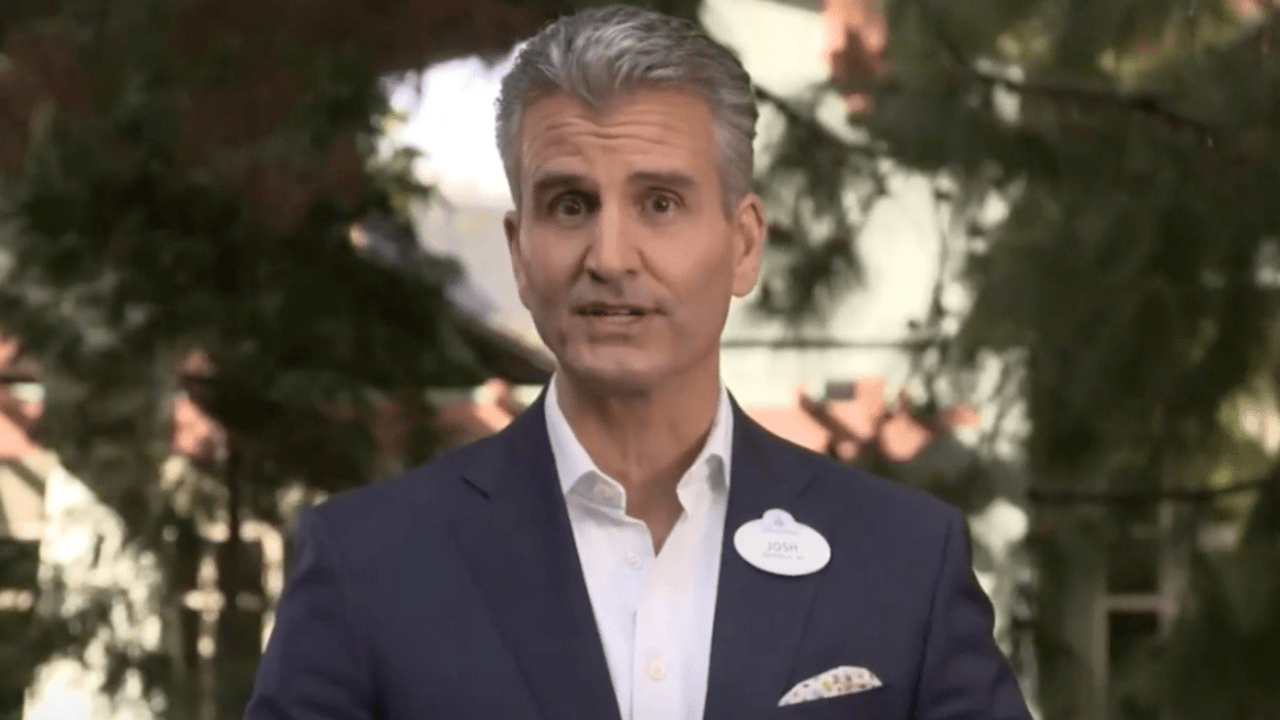
Josh D’Amaro in the welcome video for Disney Parks – YouTube, Wish Upon a Mouse
Attendance across the parks has dropped steadily in recent quarters, even as prices have climbed. D’Amaro’s financial success hasn’t come from innovation or guest satisfaction — it’s come from relentless price hikes, shrinking perks, and nickel-and-diming loyal families. Lightning Lane surcharges, premium upcharges, and event exclusives have kept the books in the black, but at the cost of good will.
D’Amaro’s approach is the corporate equivalent of squeezing a lemon that’s already dry. Yes, he’s producing numbers, but he’s doing it by bleeding the customer base, not expanding it. That may please investors short-term, yet it’s unsustainable for a brand built on nostalgia and family accessibility.
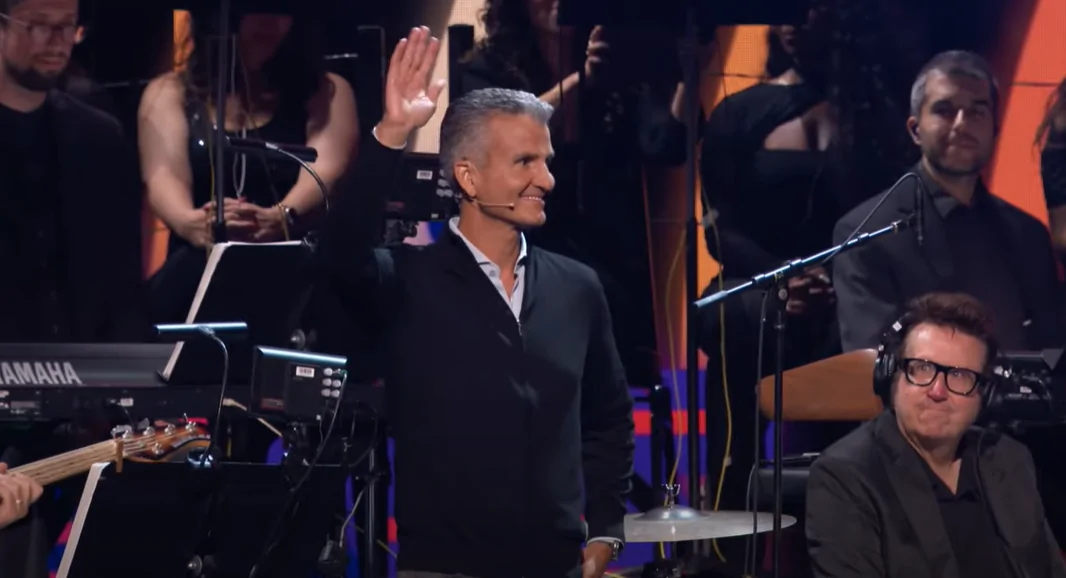
Disney Experiences Chairman Josh D’Amaro via Disney Parks YouTube
READ: From Snow White to Tron: Ares — Disney Has Record-Breaking Year of Box Office Failures
In short, D’Amaro might be the best internal option — but that says more about Disney’s weak bench than his leadership potential. The truth is, Disney may need an outside hire, someone with both creative instinct and business discipline. A leader unburdened by the current Iger-centric culture, willing to rebuild the company’s identity instead of endlessly monetizing what’s left of it.
The Lesson of Walt and Roy: Two Halves, Not Two CEOs
Disney has, in a sense, been here before — but not in the way today’s executives imagine. Walt and Roy Disney were not co-CEOs. They were two halves of a balanced whole.
Walt was the visionary, dreaming up films, attractions, and worlds that defined American imagination. Roy was the bean counter, the financier and business strategist who made those dreams possible. Their partnership worked precisely because their roles were distinct and complementary — not overlapping. Walt inspired, Roy executed.
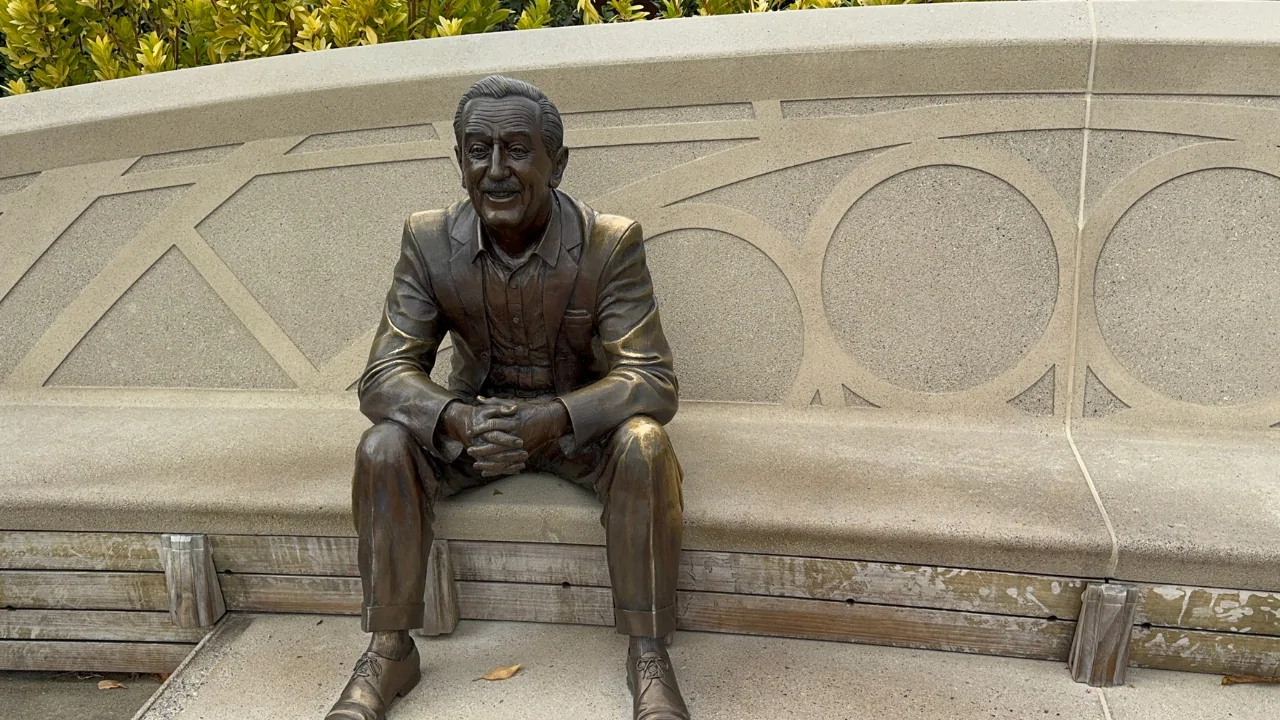
The statue of Walt Disney in Dreamer’s Point in EPCOT at Walt Disney World – Photo Credit: Marvin Montanaro
Today’s Disney leadership seems to have forgotten that formula. The company doesn’t need two CEOs competing for authority. It needs a creative visionary and a financial guardian who understand that their strengths must serve the same mission — not their own egos.
Unfortunately, neither Dana Walden nor Josh D’Amaro fits the bill of creative visionary. Walden is a corporate operator, not a dreamer. D’Amaro is a capable manager, but he’s not the next Walt Disney. There is no creative visionary in this equation — and without one, Disney could continue to be a soulless corporation run by accountants and ideologues instead of storytellers.
And let’s be clear — even Bob Iger himself was never the creative heart of Disney. He was a dealmaker, not a showman. His legacy isn’t built on innovation; it’s built on acquisitions. Pixar, Marvel, Lucasfilm, and 20th Century Fox were all purchased, not conceived. Iger’s strategy was to buy other people’s creativity rather than nurture it within the studio.
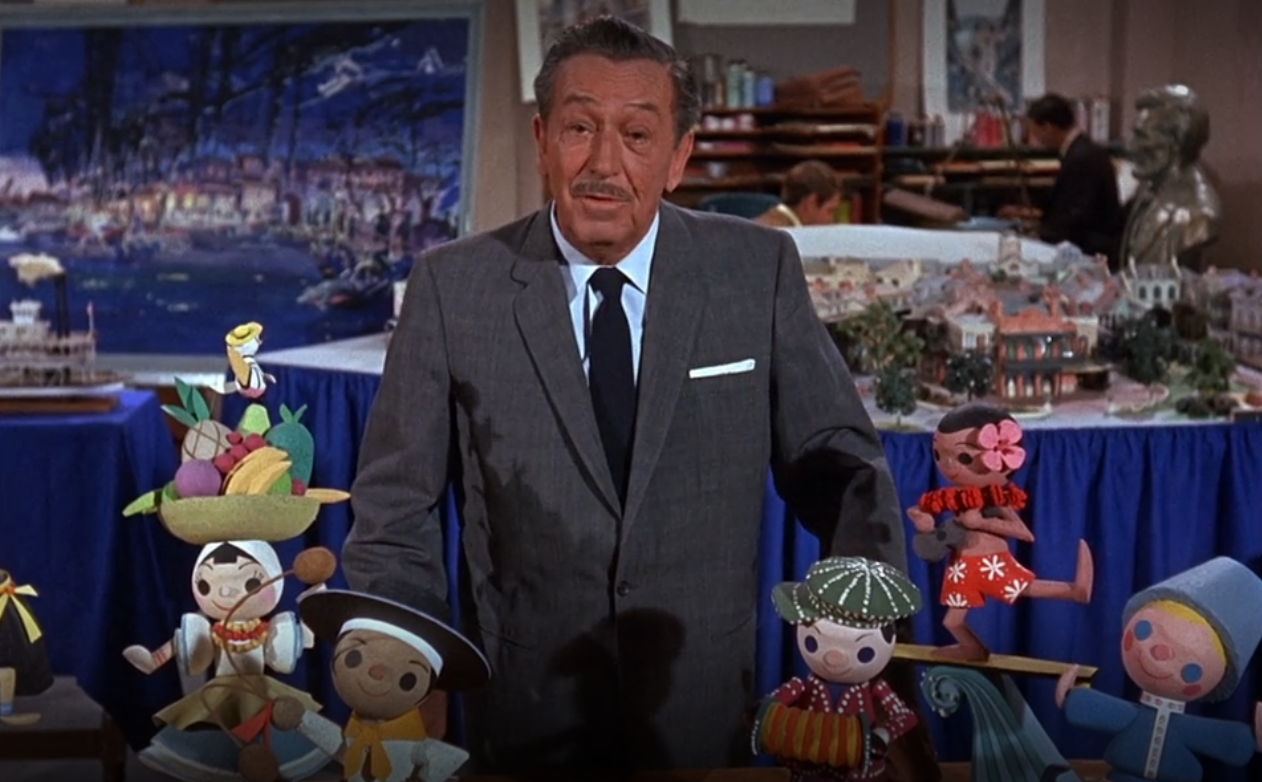
Walt Disney in Walt Disney’s Wonderful World of Color (1966), Walt Disney Productions
That approach worked for a while — until the magic he bought started to run dry. Today, Marvel and Star Wars are both showing franchise fatigue, drained by overproduction, identity-driven messaging, and lack of cohesive vision. What once drew millions in awe now draws shrugs and streaming cancellations. The wells of imagination that Iger purchased have been pumped nearly dry by corporate overreach and creative decay.
Without a true visionary in the mix, Disney’s leadership keeps chasing nostalgia it no longer understands. Walt Disney built dreams. Iger bought them. And now, Walden and D’Amaro look ready to inherit the ashes of what’s left.
Co-Leadership: A Guaranteed Power Struggle
History is filled with examples of co-CEO disasters. Oracle, Deutsche Bank, and even Chipotle have all tried it — and all reverted to a single CEO model after power clashes and strategic gridlock. There’s a reason most major corporations avoid this structure entirely: it doesn’t work.
For Disney, the risks are multiplied. The company is already stretched thin between its identity as a creative powerhouse and its need for fiscal discipline. The last thing it needs is two captains steering in opposite directions.

Dana Walden via Variety YouTube
If Disney wants to rebuild investor confidence and repair its image with audiences, it must stop chasing headlines and start focusing on fundamentals. Appointing co-CEOs — particularly one whose Disney division bleeds money and invites political controversy — sends the opposite message.
Disney doesn’t need co-CEOs. It needs one visionary leader, one steady hand — and a reminder of what made the company magical in the first place.
Until that happens, the only magic left at Disney will be the disappearing kind — straight from the balance sheet.
Do you think Disney should have co-CEOs? Sound off in the comments and let us know!
UP NEXT: Alex Kurtzman Casts Stephen Colbert in New Starfleet Academy Series
