


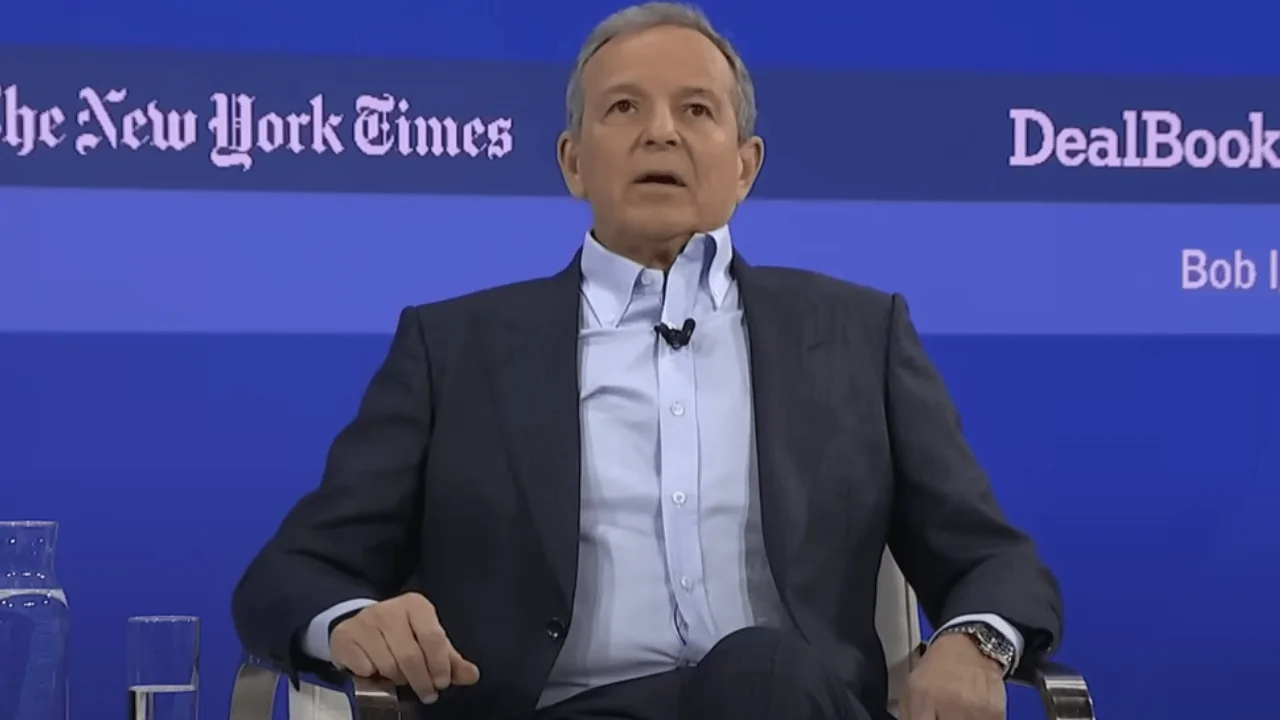
The latest SEC filing from The Walt Disney Company is out, and it confirms what analysts have been warning for years: Disney expenses tied to movie production and marketing continue to balloon while theatrical revenue refuses to keep pace. It’s a pattern so lopsided that Disney’s own numbers now show the studio loses money on its films—even in a year where theatrical revenue technically went up.
That’s not exactly the kind of magic shareholders like to see.
The findings were reviewed publicly by financial analyst Valliant Renegade, joined by That Park Place’s own Jonas J. Campbell, who walked viewers through the filing line by line. Their breakdown doesn’t rely on guesswork—it’s all right there in the reported figures, and the pattern is unmistakable: costs are rising faster than profits, and the gap is widening.
Full Disclosure: The Valliant Renegade YouTube channel is affiliated with That Park Place.
The Rising Cost Problem Disney Can’t Hide
Disney reported $2.592 billion in theatrical distribution revenue for the fiscal year ending September 2025. On the surface, that seems like a bright spot—up 14% from the previous year. But the optimism evaporates once the cost column appears.
Disney’s programming and production tab came in at a staggering $4.26 billion, according to the filing. That number alone outstrips theatrical earnings by more than $1.6 billion, before marketing is even considered.

Nick Wilde and Judy Hopps in Zootopia 2 – YouTube, Disney
And then we get to the big one: marketing, prints, ads, and general licensing costs—categorized under “Selling, general, administrative, and other”—totaled $2.746 billion.
That puts total film-related spending at more than $7 billion against $2.592 billion in theatrical income.
This isn’t a rounding error. It’s a chasm.

Loki at the end of Loki Season 2 – Disney+
Valliant Renegade explained that this category includes the lion’s share of a film’s promotional budget—the billboards, trailers, licensing, global ad buys, and everything needed to convince audiences to leave the couch. But the more Disney spends, the less return it gets.
Streaming isn’t Saving the Day Either
Disney’s streaming division (Disney+ plus Hulu) remains enormous on paper. Subscription fees brought in $20.772 billion, while ad revenue added another $3.684 billion. Yet when expenses are counted, the operating income shrinks to just $1.327 billion.

(L-R): Boba Fett (Temuera Morrison) and the Mandalorian (Pedro Pascal) in Lucasfilm’s THE BOOK OF BOBA FETT, exclusively on Disney+. © 2022 Lucasfilm Ltd. & ™. All Rights Reserved.
Jonas noted that this number, while technically positive, is not a sustainable model for a streaming empire this size—especially one running two platforms and licensing content internally.
Disney also counted $3.458 billion for video-on-demand and home entertainment. But as Valliant Renegade pointed out, most of that is Disney paying itself—essentially moving money between divisions to maintain appearances.

Vernestra Rwoh (Rebecca Henderson) in Lucasfilm’s THE ACOLYTE, season one, exclusively on Disney+. ©2024 Lucasfilm Ltd. & TM. All Rights Reserved.
He characterizes this as a bookkeeping maneuver to reassure investors even when theatrical performance falters.
Why Disney Expenses Keep Snowballing
The SEC filing doesn’t speculate on why the spending keeps climbing—but the pattern is clear. Disney is releasing more films, but the demand hasn’t returned to pre-2019 levels. The result is a slate stuffed with expensive productions, expensive marketing campaigns, and comparatively weak box office performance.
This explains Disney’s sudden pivot back to familiar brands: sequels to Zootopia, Toy Story, and Frozen. These aren’t passion projects—they’re lifeboats. Banking on known IP is safer than sinking hundreds of millions into new ideas that audiences may skip.
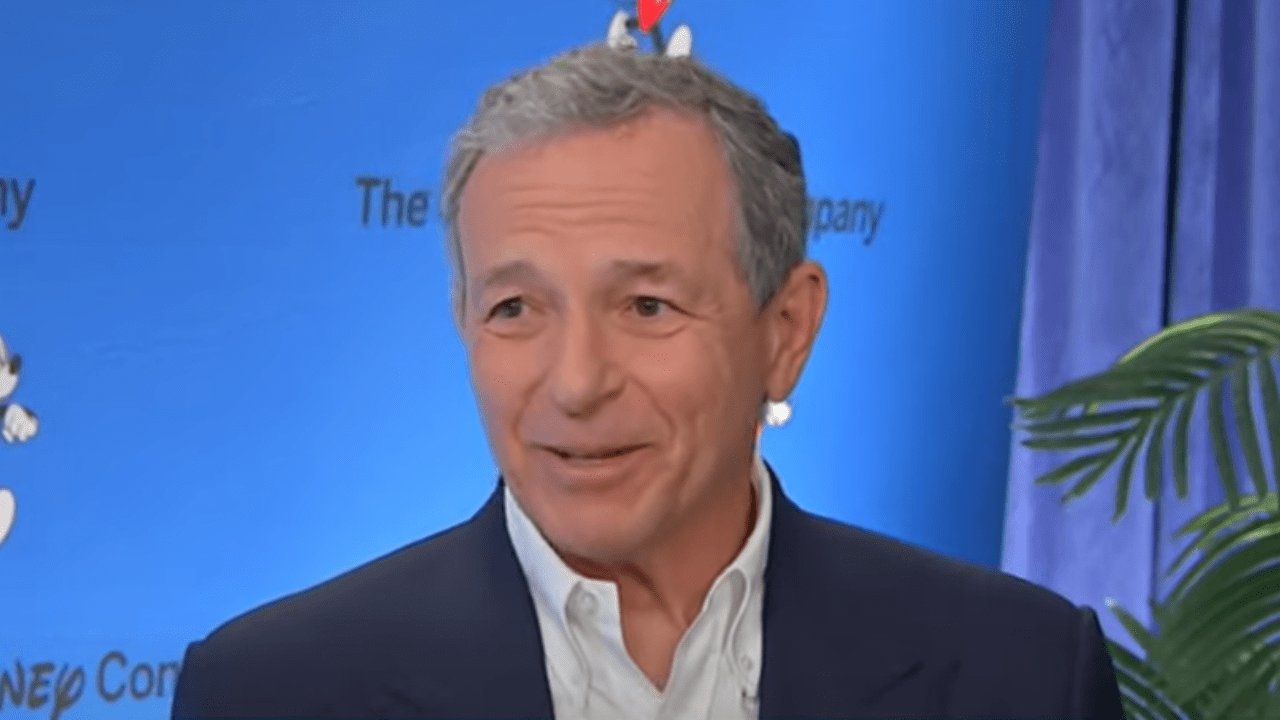
Bob Iger via CNBC Television YouTube
And looming in the distance are two massive Avengers films with rumored budgets that could crest the billion-dollar mark for one installment. That’s not hyperbole—Disney has already been reported to be spending nearly $200 million just on talent and directors for those films.
That kind of spending only makes sense if the films are guaranteed to earn multiple billions. But nothing in the last five years has suggested audiences are ready to stampede back to the box office the way they once did.
The Picture This Filing Paints
When you lay out all the numbers side by side, the conclusions are unavoidable:
- Disney is spending more to make and market its movies than those movies bring in.
- Streaming revenue is large but squeezed by equally massive expenses.
- Disney expenses keep accelerating year after year, even as theatrical recovery stalls.
- The company now relies on brand recycling to minimize financial exposure.
Disney can talk about turning corners, restructuring, synergy, or “future-forward content pipelines,” but the SEC doesn’t care about wishful thinking—only math. And the math shows a studio that hasn’t figured out how to make its movies profitable again.
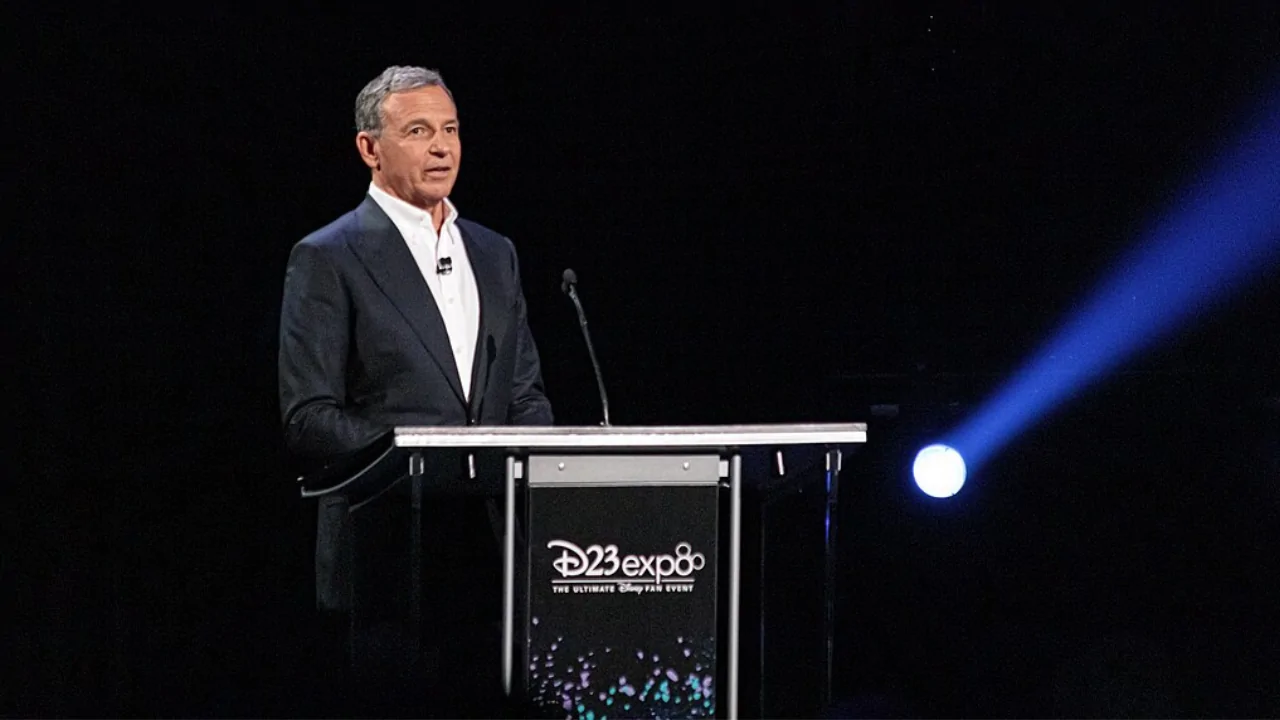
Bob Iger | 2019 Disney Legends Awards Ceremony | D23 EXPO 2019. Photo Credit: nagi usano from Tokyo, Japan, CC BY-SA 2.0 <https://creativecommons.org/licenses/by-sa/2.0>, via Wikimedia Commons
Until that changes, each new fiscal report will read less like a victory lap and more like a warning.
How do you feel about these ballooning Disney expenses? Sound off in the comments and let us know!
UP NEXT: Netflix Stock Split: Why NFLX Suddenly Looks Like It Dropped 90% Overnight
