

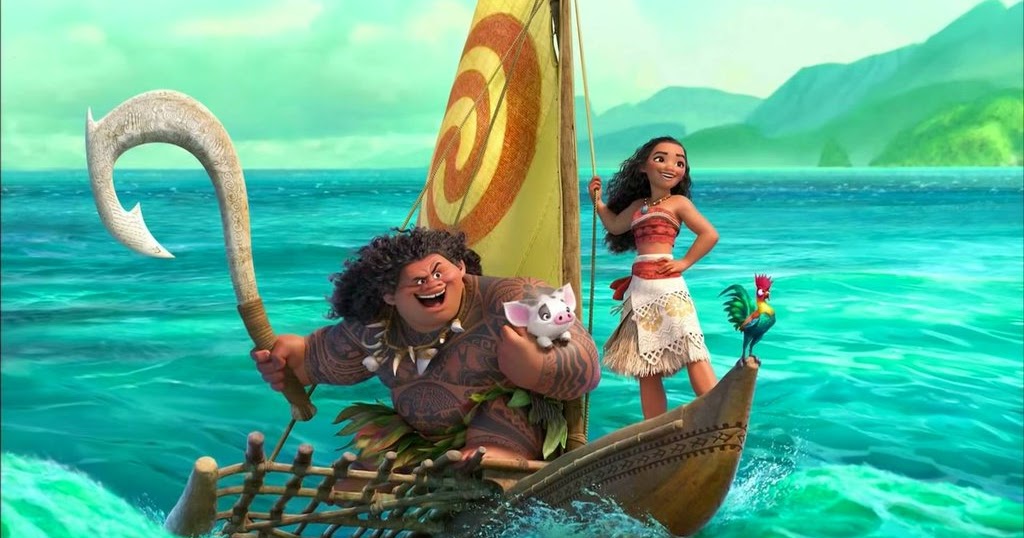
The Walt Disney Company is facing a $10 billion lawsuit over claims they stole large parts of Moana and Moana 2 from another writer. But how likely is it that Disney will either lose or settle the case?
Animator Buck Woodall has filed a multi-billion dollar lawsuit against Disney, alleging that the “Moana” franchise, including the recent “Moana 2” released in November 2024, was derived from his screenplay “Bucky the Wave Warrior” without his consent. Woodall claims that former Mandeville Films development director Jenny Marchick secretly provided his confidential materials to Disney, leading to the creation of the films. He points to numerous similarities between his work and the “Moana” films, such as Polynesian themes, animal guides, and specific plot details.
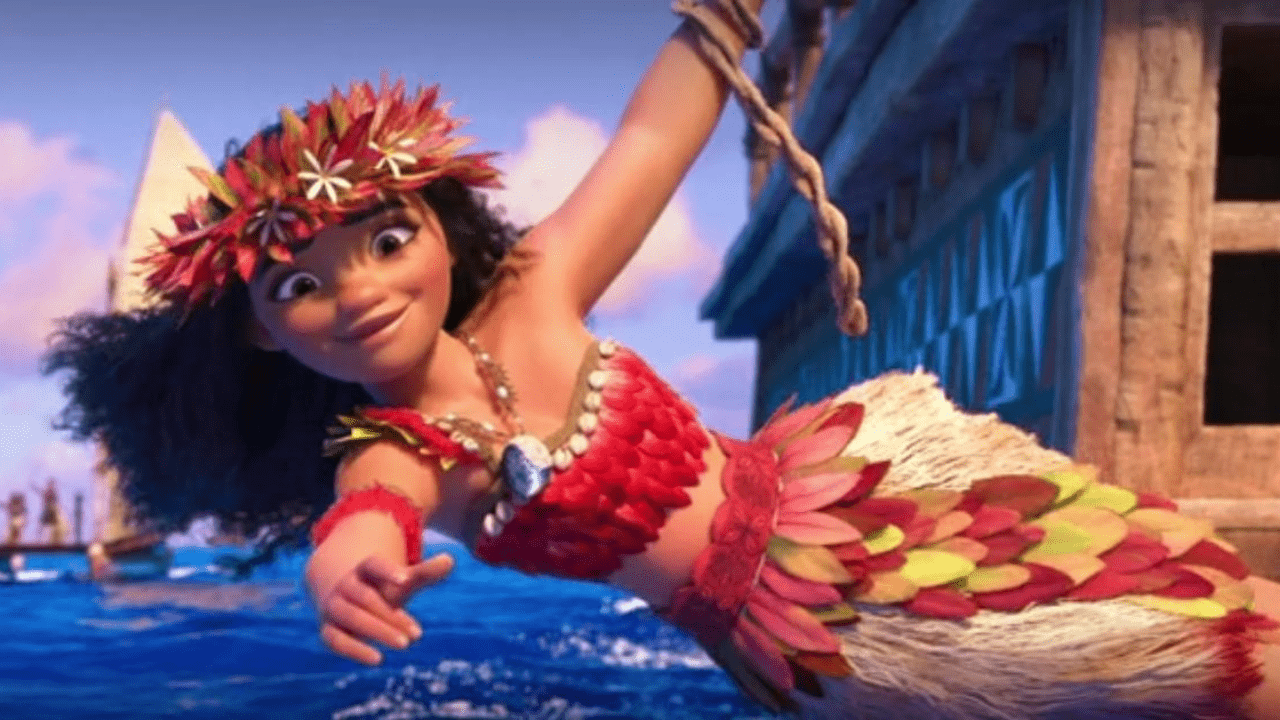
Moana in Moana (2016), Walt Disney Studios
However, in the entertainment industry, it’s relatively rare for studios like Disney to lose copyright infringement lawsuits. These companies typically have substantial legal resources and implement rigorous processes to ensure originality and compliance with copyright laws. For instance, in 2020, Disney successfully defended against a copyright infringement claim regarding its film “Inside Out,” with the court finding no substantial similarity between Disney’s work and the plaintiff’s. In an episode of Renegade Online, attorney Ron Coleman and entertainment analyst Tom Connors could not think of a single instance in which a major studio such as Disney had lost in one of these sorts of cases during the modern Hollywood era to the extent the Moana case would demand.
However, there have been minor exceptions. In 2022, Disney settled a five-year litigation concerning the “Pirates of the Caribbean” franchise. The plaintiffs alleged that Disney had infringed upon their screenplay, and after the court denied Disney’s motion for summary judgment, the case was settled confidentially.
Animator Buck Woodall has filed a $10 billion lawsuit against Disney, alleging the studio copied his screenplay for Bucky to create the hit animated films Moana and its sequel#disney #bucky #moana https://t.co/zx2YPoCkKY
— Business Standard (@bsindia) January 13, 2025
Another notable case is “Disney Enterprises, Inc. v. VidAngel, Inc.,” where Disney and other studios sued VidAngel for copyright infringement. The court ruled in favor of Disney, granting a preliminary injunction against VidAngel. However, in that situation, it was the behemoth of Disney waging legal war against a much smaller entity.
The outcome of Woodall’s lawsuit remains uncertain. While entertainment companies almost always prevail in such cases, the specific facts and evidence presented will be crucial in determining the result. It’s worth noting that Woodall’s previous attempt to sue over the original 2016 “Moana” film was dismissed due to timing issues, but the sequel’s release has provided a new opportunity for legal action. At the same time, Woodall’s specific claims include problems of Disney having created a demigod character who has tattoos and uses a giant hook. That would seem to be a hard sell since Maui is a public domain religious figure in polynesian mythos who has tattoos and a giant hook. It would seem to this layperson author that Woodall will need more of a “hook” than just what Maui uses. And even then, ten billion Washingtons are unlikely to come raining down on his head anytime soon.
Is a settlement possible? Maybe. But you’re unlikely to ever know the details if it happens. Even that seems remote.

They should have shown actual Polynesian mythos some respect and done some of the stories about Maui doing stuff like pulling up islands and capturing the sun. Instead they made him a joke and chose an outfit that boys aren’t allowed to wear for Halloween even if they do like him.