



Disney has released its fiscal year 2025 numbers, and once again the story is clear: Disney Parks attendance in the United States is continuing its slow downward slide. The domestic theme parks saw a 1% drop in attendance in 2025, following a 1% increase in 2024.
Fewer people are visiting Disney’s American parks — something That Park Place has been documenting for months — yet somehow Disney is pulling in more money than ever.
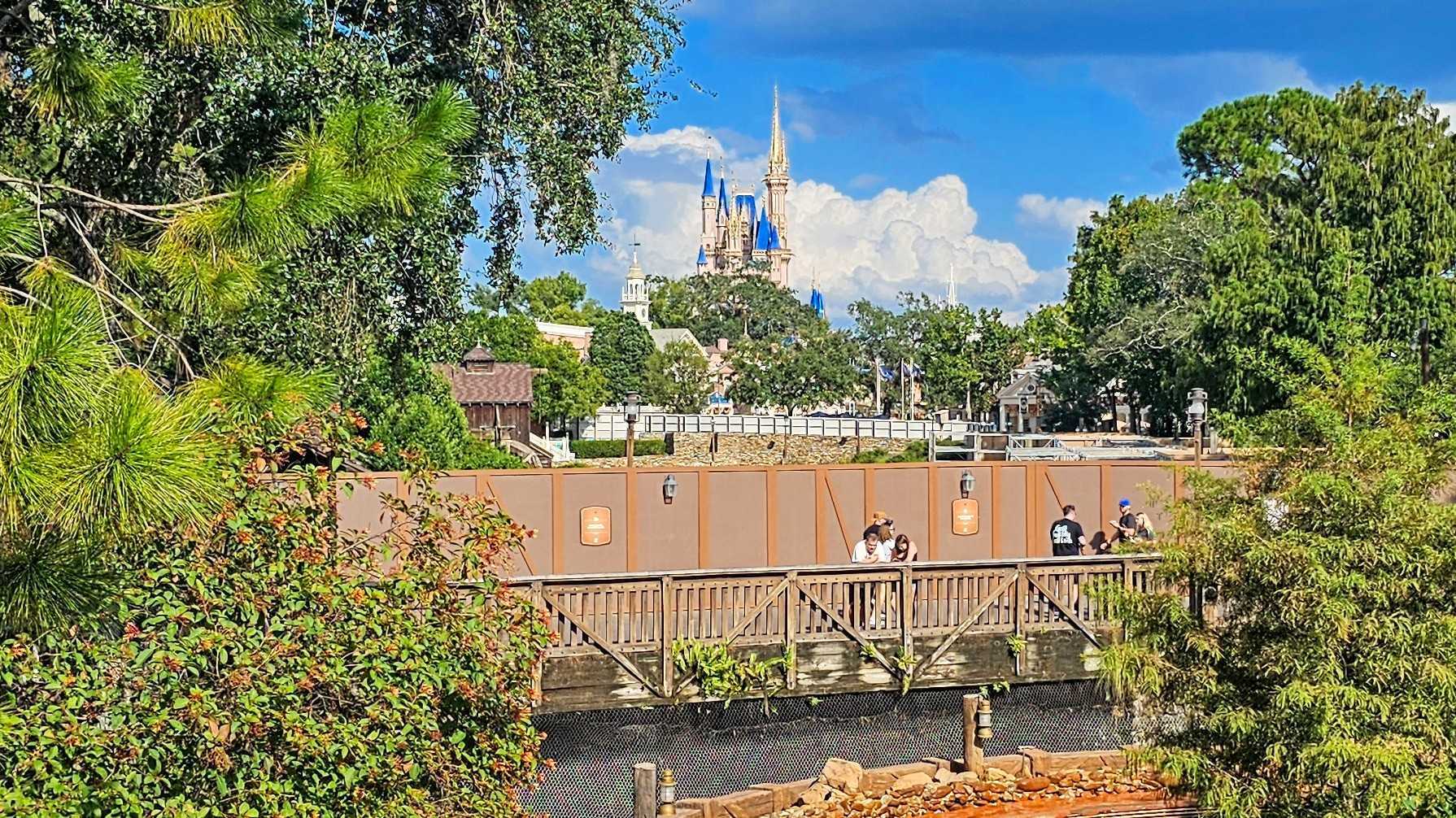
Cinderella Castle peeks above construction walls in the Magic Kingdom at Walt Disney World – Photo Credit: Follow The Bradley’s Fun
The explanation is straightforward: the guests who still show up are paying more. A lot more.
Attendance Down, Prices Up
According to the fiscal results, Disney’s domestic parks saw a 1% decline in attendance year-over-year, while international parks grew by 1%. On paper, that may look minor, but in a business this large, a 1% shift represents hundreds of thousands of visits.

Main Street USA in Magic Kingdom at Disney World on Labor Day 2025 – Photo Credit: That Park Place
This also continues the trend from the previous year, where domestic attendance only rose 1% — making it effectively flat over a two-year period. When a company as large and historically dominant as Disney stops growing its foot traffic at its flagship parks, that’s a sign of weakening demand.
Yet at the same time, Disney is making more money from every person who steps through the gates. Domestic per-guest spending jumped 5% in 2025, up from a 3% increase the year before. International per-guest spending rose 2% after a 4% increase the year before.

Main Street USA in Walt Disney World on July 4, 2005 – Photo Credit: That Park Place
In short:
-
Fewer guests.
-
Each guest paying more.
-
Revenue climbing anyway.
This is exactly what we’ve been reporting for months. Disney’s attendance softness hasn’t gone away — they’ve simply compensated by charging the remaining visitors more for tickets, food, hotels, merchandise, and upcharges.
Record Income… But Not From Growth
Despite the attendance decline, Disney Parks posted an 8% increase in operating income, reaching a record $10 billion. The Experiences division’s Q4 income jumped 13% year-over-year, hitting $1.9 billion.
Again, this isn’t happening because more people are going to Disney’s domestic parks. It’s happening because the people who still go are spending significantly more.

Fantasyland sits nearly empty in Walt Disney World on July 4, 2025 – Photo Credit: That Park Place
Disney’s guidance for fiscal year 2026 expects another year of high single-digit income growth, although most of that is projected to happen in the second half of the year.
That’s convenient timing, because 2026 is shaping up to be light on new offerings — the next major attractions aren’t expected until 2027. With no big domestic additions on the horizon, attendance is unlikely to move in any meaningful way.
The Strategy Is Clear
For years, Disney executives have insisted that raising prices doesn’t hurt demand. But the numbers tell a more complicated story. Demand is down — just not enough to cancel out the revenue generated by the guests willing to pay premium prices.

The statue of Walt Disney in Dreamer’s Point in EPCOT at Walt Disney World – Photo Credit: Marvin Montanaro
This is a short-term win, but it raises long-term questions:
-
How far can Disney push prices before the model breaks?
-
Does declining attendance signal customer fatigue?
-
Will new offerings in 2027 be enough to reverse the trend?
-
What happens if even loyal visitors begin to balk?
Disney’s U.S. parks remain massively profitable, but the foundation of that success has shifted. Instead of thriving on massive crowds, the parks are now leaning on higher per-guest revenue to mask declining domestic traffic.
In other words, Disney is squeezing more money out of fewer people.

Main Street USA in the Magic Kingdom in Walt Disney World – Photo Credit: Marvin Montanaro
And unless something big changes — either in offerings, pricing strategy, or guest sentiment — Disney Parks attendance may continue to sag even as the financial reports look rosy.
Are you surprised by this drop in domestic Disney Parks attendance? Sound off in the comments and let us know!
