



When news broke that Disney would plant its next castle in Abu Dhabi, many assumed the decision was simply about money and oil wealth. After all, the United Arab Emirates has made a name for itself by luring global brands with deep pockets and glittering infrastructure.
But as Caroline Reid at Forbes revealed in her excellent reporting, the real story runs deeper — and it exposes a fascinating collision of theme parks, immigration politics, and global economics.
More Than Oil Money
For years, Disney watchers expected Saudi Arabia to be the frontrunner for a Middle Eastern park. The Kingdom (of Saudi Arabia, not the Magic Kingdom) has been aggressively pursuing tourism with massive projects like Qiddiya. Yet Disney bypassed Riyadh and went with Abu Dhabi.
Why? Reid highlights a reason hiding in plain sight: visas.
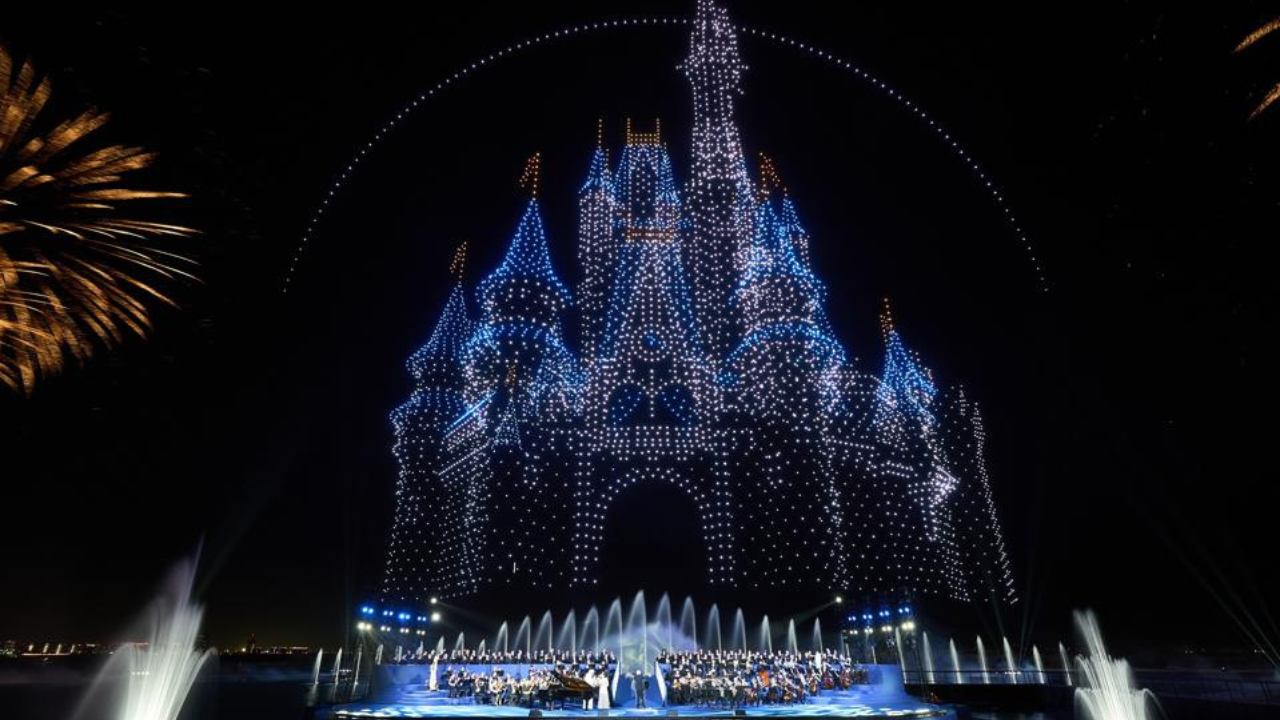
The drone show announcing the Disney Abu Dhabi theme park – Photo Credit: Miral
The UAE has some of the most open visa policies in the world. A staggering 88.5% of its population are expats, people who have left their homelands to work and live in the Gulf. Unlike Europe or the United States, the UAE thrives on being open to foreign workers. That policy has turned Abu Dhabi into one of the most international cities on earth.
For Disney, that makes the country a magnet not just for oil wealth, but for families who can’t easily visit other Disney parks.
A World Locked Out of Disney
Reid’s Forbes article points out a striking statistic: 23.7% of visa applications to Europe made by UAE residents last year were rejected. That isn’t a reflection of UAE policy itself — it’s because so many residents come from countries whose passports face steep restrictions.

The Train Station at Main Street USA
Consider India. Indians make up more than a third of the UAE’s population. Yet the Indian passport offers far fewer visa-free options than a UAE or U.S. passport, and rejection rates for Europe and America are notoriously high. That rules out Disneyland Paris or Walt Disney World for many families.
In contrast, Asian nationals with the highest US visa rejection rates represent 74.3% of UAE residents. That rules out visiting US $DIS parks. However, UAE residents won’t need to travel to visit @disney #AbuDhabi. THAT’s the real reason for building it 👇https://t.co/0ty3r9NyeS
— Movieconomics (@movieconomics) August 18, 2025
It doesn’t stop with India. Asian countries with the highest U.S. visa rejection rates represent nearly three-quarters of the UAE’s population. Which means, practically speaking, Disneyland in Anaheim or Orlando is simply off the table for them.

The Dapper Dans on Main Street USA in Walt Disney World – Photo Credit: That Park Place
As one travel agent told Forbes: “Passports will no longer be needed for UAE families dreaming of Disney magic.”
In short, Abu Dhabi provides access to a market locked out of Disney’s other parks.
Strategic Retreat from the West
The move also fits into a larger pattern. Disney’s American parks are facing backlash over ticket hikes, political controversies, and falling satisfaction scores. Disneyland Paris, meanwhile, has struggled to grow attendance beyond a plateau.
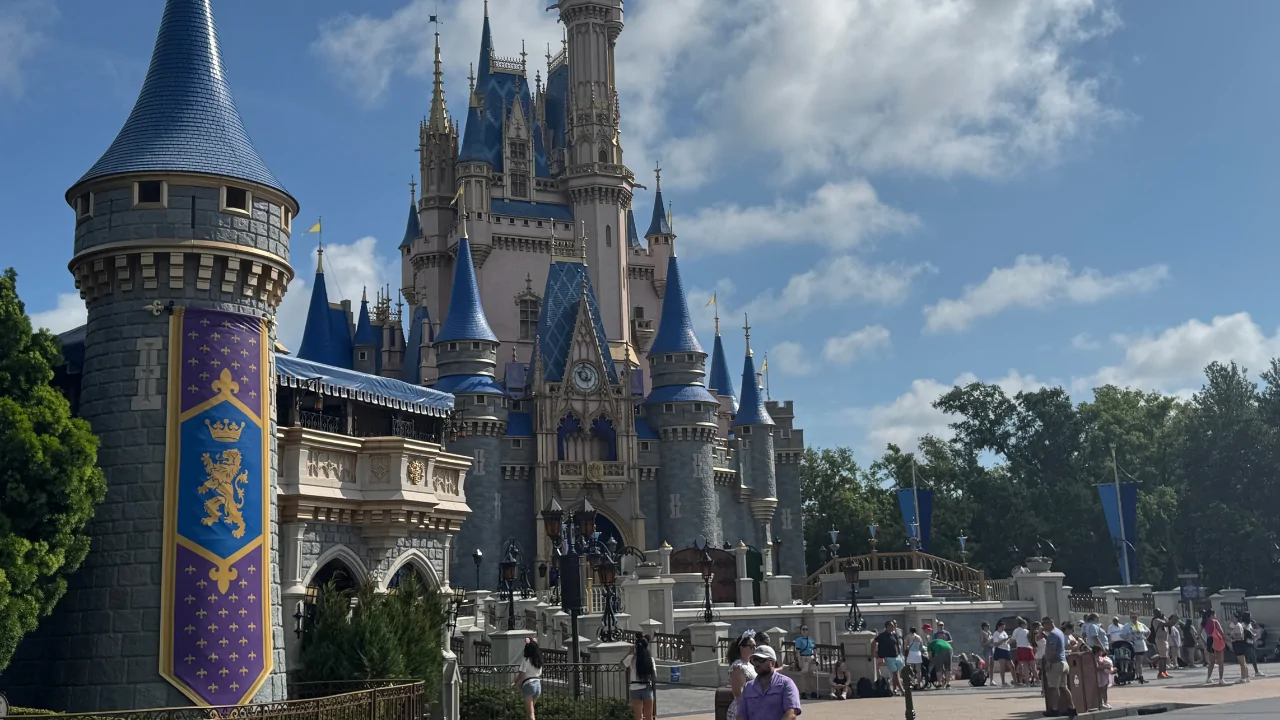
Cinderella Castle in Walt Disney World – Photo Credit: That Park Place
By contrast, international expansions have become lifelines. Shanghai Disneyland opened in 2016, fueled by a joint venture with the Chinese government. Tokyo Disneyland also came about due to a similar licensing agreement with the Oriental Land Company. Abu Dhabi now represents the next phase: a new market where the government is eager to subsidize mega-projects and the demand is already waiting.
Disney isn’t abandoning America or Europe, but it is hedging its bets. Abu Dhabi offers something the West no longer does: growth without roadblocks.
Sweetheart Deals and Subsidies
Another likely factor? Financial incentives. The UAE government has a long history of footing the bill for cultural prestige projects. The Louvre Abu Dhabi exists thanks to heavy state backing. The same goes for Ferrari World and Warner Bros. World on Yas Island.
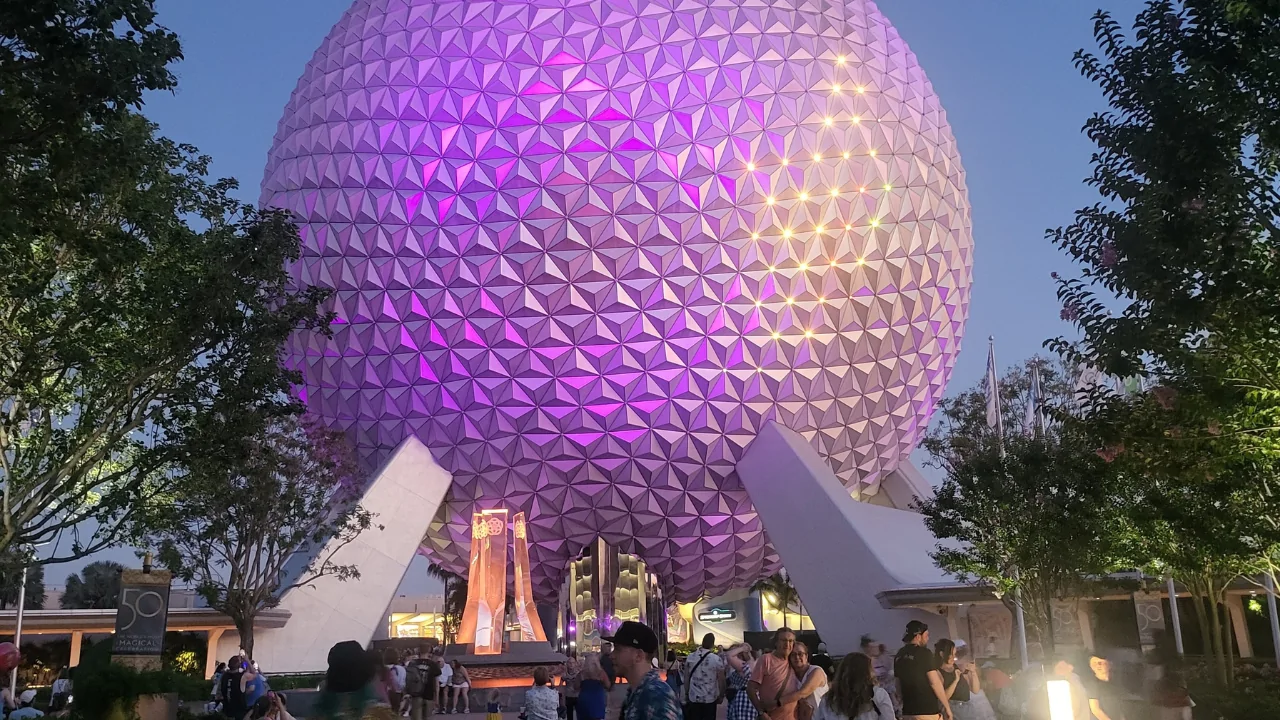
Spaceship Earth in the evening in EPCOT at Walt Disney World – Photo Credit: Marvin Montanaro
It’s safe to assume Disney secured tax breaks, infrastructure guarantees, and land deals to make the project possible. That mirrors the Shanghai arrangement, where Disney got access to China’s market by partnering with state entities. Abu Dhabi is offering the same — with fewer political strings.
Culture Clash Ahead?
Still, the question lingers: what will Disneyland Abu Dhabi look like? The UAE brands itself as modern but Islamic. That balance raises issues.
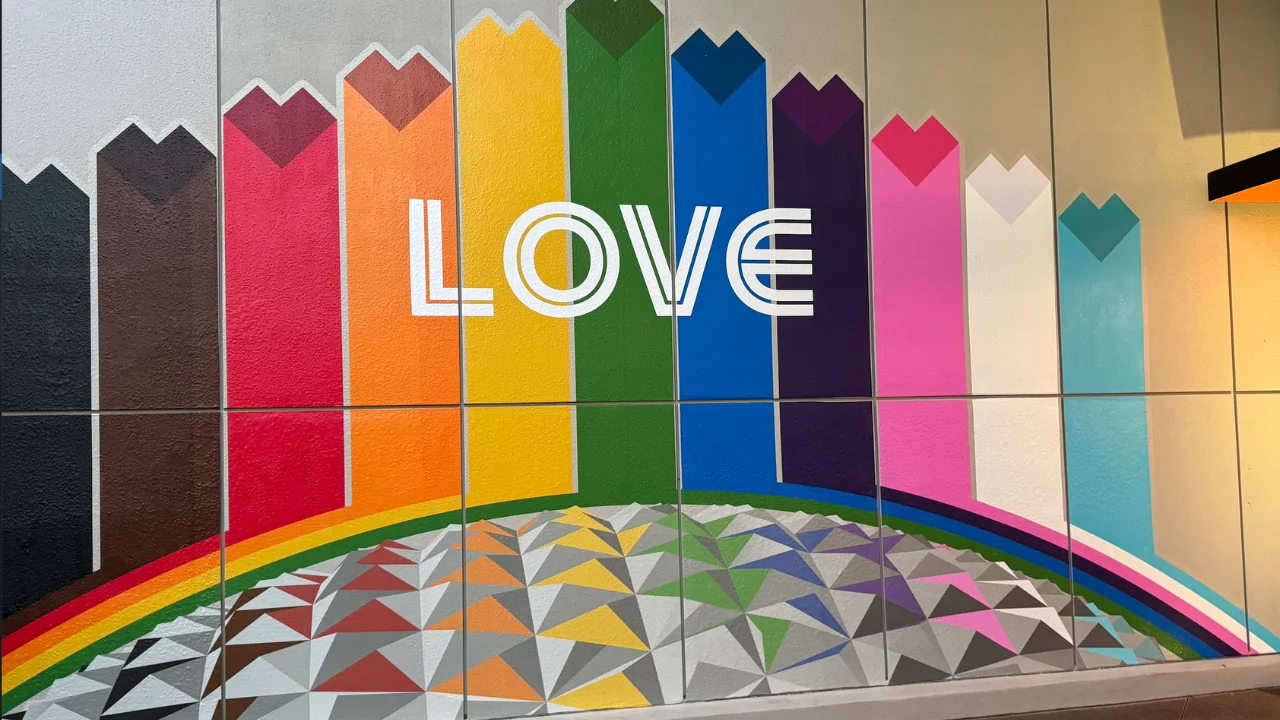
The PRIDE mural in EPCOT – Photo Credit: That Park Place
Will Disney bring the same Pride-focused marketing that has sparked controversy in Orlando? Or will it present a sanitized, family-first park to respect the region’s cultural norms? Halloween, alcohol sales, and character meet-and-greets may all be tailored differently than in Anaheim or Paris.
The cultural adjustments could create a park that looks like Disney but feels very different — one designed to avoid friction in its new home.
A Captive Market for the Castle
In the end, Disney’s move is about access. Abu Dhabi offers something priceless: a massive audience who dream of Disney but are shut out of the West by visa issues. As Reid summed up, this could be the real reason for building Disneyland in Abu Dhabi.

The Tree of Life in Disney’s Animal Kingdom in Walt Disney World – Photo Credit M. Montanaro
It’s not just diversification, and it’s not just oil wealth. It’s Disney finding a way to unlock a market of millions — in a place where passports no longer stand in the way of pixie dust.
Credit: Reporting on visa dynamics and demographic breakdown originally by Caroline Reid, Forbes (August 17, 2025).
Do you think Disney is wise to build a theme park in Abu Dhabi? Could it open new markets for the mouse that are otherwise shut out of the West? Sound off in the comments and let us know!
UP NEXT: Disney Scrambles to Win Back Men and Boys After Driving Them Away from Marvel and Star Wars
