


For years, Disney has been accused of alienating men and boys, the very audience that once made Marvel and Star Wars global juggernauts. Now, according to a Variety exclusive, the company is quietly admitting its mistake. Executives are instructing their film division to create content specifically targeted at Gen Z males—boys and young men between the ages of 13 and 28, who Disney has been pushing away for years.
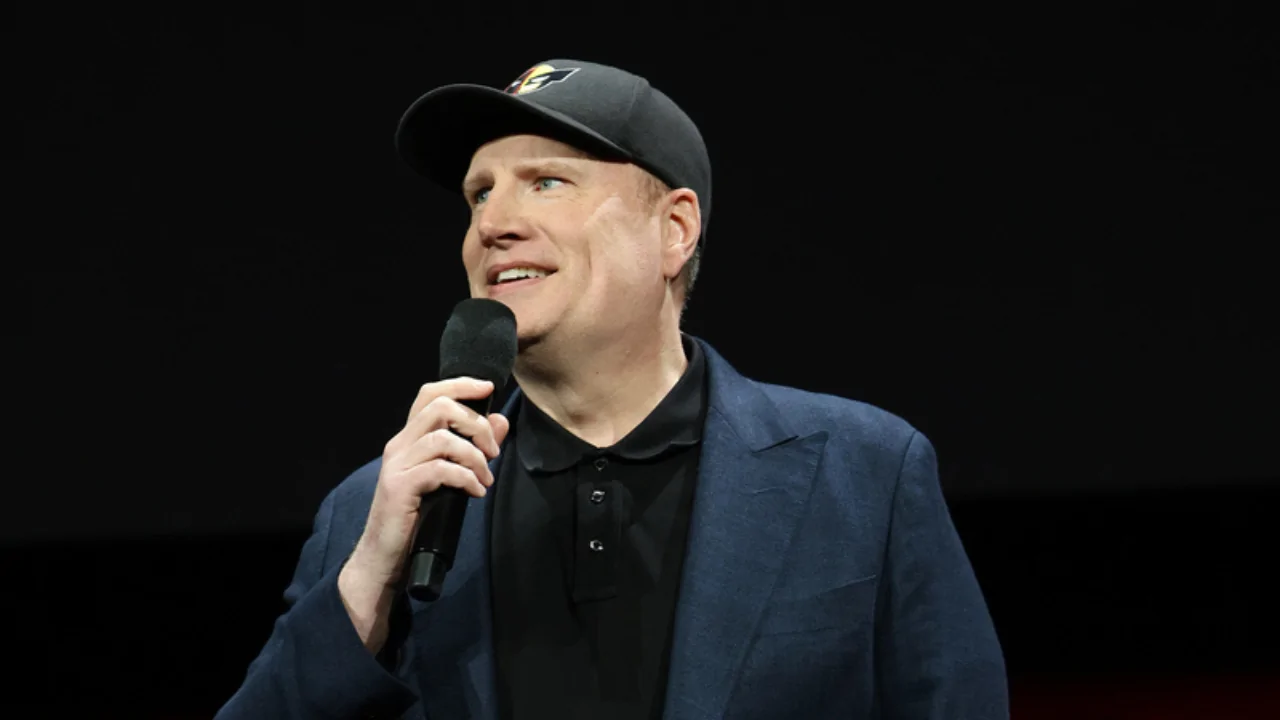
LAS VEGAS, NEVADA – APRIL 11: Kevin Feige, President, Marvel Studios speaks onstage during the Walt Disney Studios presentation at Cinemacon in Las Vegas, Nevada on April 11, 2024. (Photo by Jesse Grant/Getty Images for Disney)
The revelation is stunning not only for what it says about Disney’s current crisis, but for the fact that it comes straight from one of the most establishment-friendly Hollywood trade outlets.
If Variety is running it, that almost certainly means the marching orders are coming directly from Burbank.
Years of Pushing Marvel and Star Wars for Girls
It wasn’t that long ago that Marvel and Lucasfilm were cultural staples for men and boys. Fathers brought their sons to Iron Man and The Force Awakens with the same sense of excitement that earlier generations had for Indiana Jones or The Empire Strikes Back. But in the Bob Iger, Kevin Feige, and Kathleen Kennedy era, Disney’s approach shifted dramatically.

LOS ANGELES, CALIFORNIA – MAY 23: Kathleen Kennedy, President, Lucasfilm attends the launch event for Lucasfilm’s new Star Wars series The Acolyte at the El Capitan Theatre in Hollywood, California on May 23, 2024. (Photo by Alberto E. Rodriguez/Getty Images for Disney)
Superheroes and Jedi were reimagined, reshaped, and in many cases sidelined, as the studio rebranded its most valuable franchises to appeal to female audiences instead. That wasn’t a small adjustment—it was a company-wide strategy. Captain Marvel was positioned as the face of Marvel. Luke Skywalker was dismantled to make way for Rey. And long-time male fan favorites were often written off as outdated, or worse, problematic.
Disney leadership may have thought this was expanding the tent. Instead, it narrowed it. Boys who grew up idolizing Iron Man and Han Solo increasingly felt like guests at their own party.
The Variety Bombshell
Enter Variety, which this week reported that Disney has charged David Greenbaum, the studio executive who took over live-action films in 2024, with developing original IP aimed at Gen Z men and boys. The age bracket given—13 to 28—isn’t an accident. This is exactly the audience that Marvel and Star Wars once dominated, and exactly the one Disney has struggled to keep.
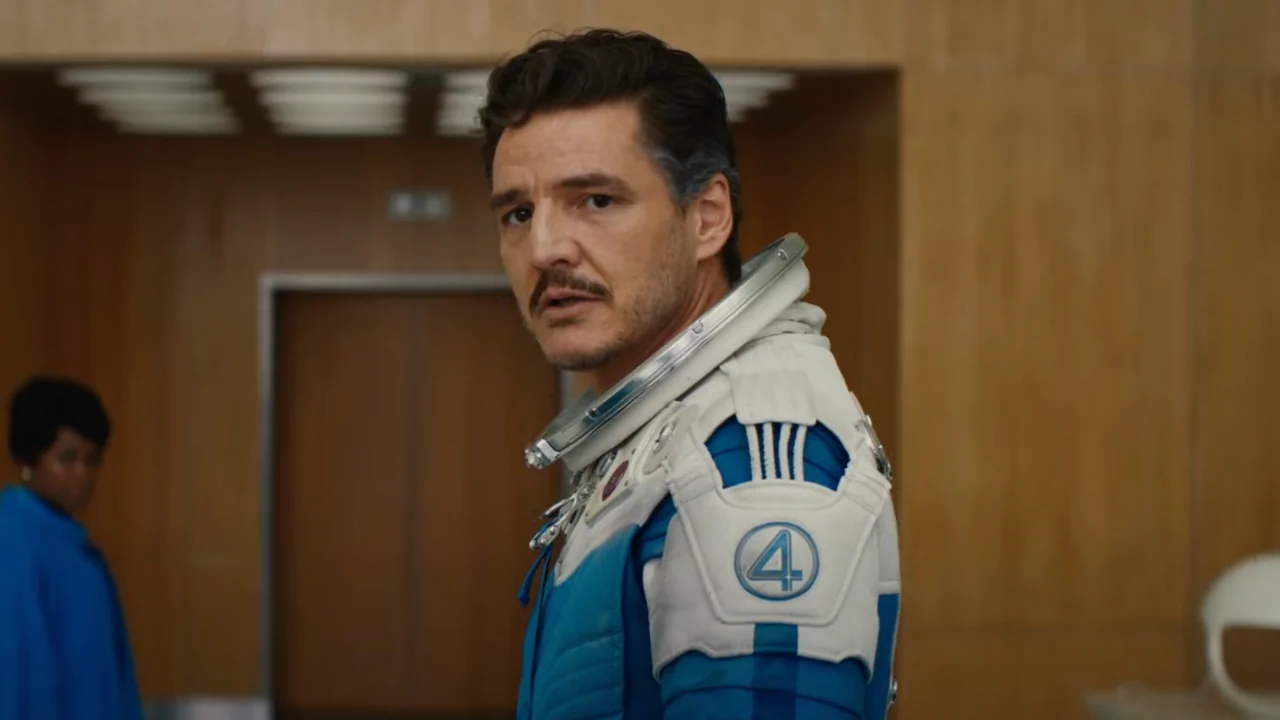
Pedro Pascal as Reed Richards in Fantastic Four: First Steps – YouTube, Marvel Entertainment
The report pointed to Marvel’s The Fantastic Four: First Steps, a movie that had strong reviews but couldn’t sustain box office momentum, as well as the fact that Star Wars has not released a theatrical film in seven years.
The article even included a telling quote from a rival studio executive: “I never thought I’d say it, but it looks like Disney is going to have to start trying.”
That comment, tucked inside a Hollywood trade piece, speaks volumes.
Disney’s Self-Inflicted Wound
The problem for Disney is not that girls and women watch Marvel or Star Wars. They always have. The problem is that Disney chose to chase one audience that was already watching by neglecting another. Instead of expanding the reach of its stories, Disney repeatedly lectured, retooled, and sidelined the very characters that made their brands appealing to men and boys in the first place.
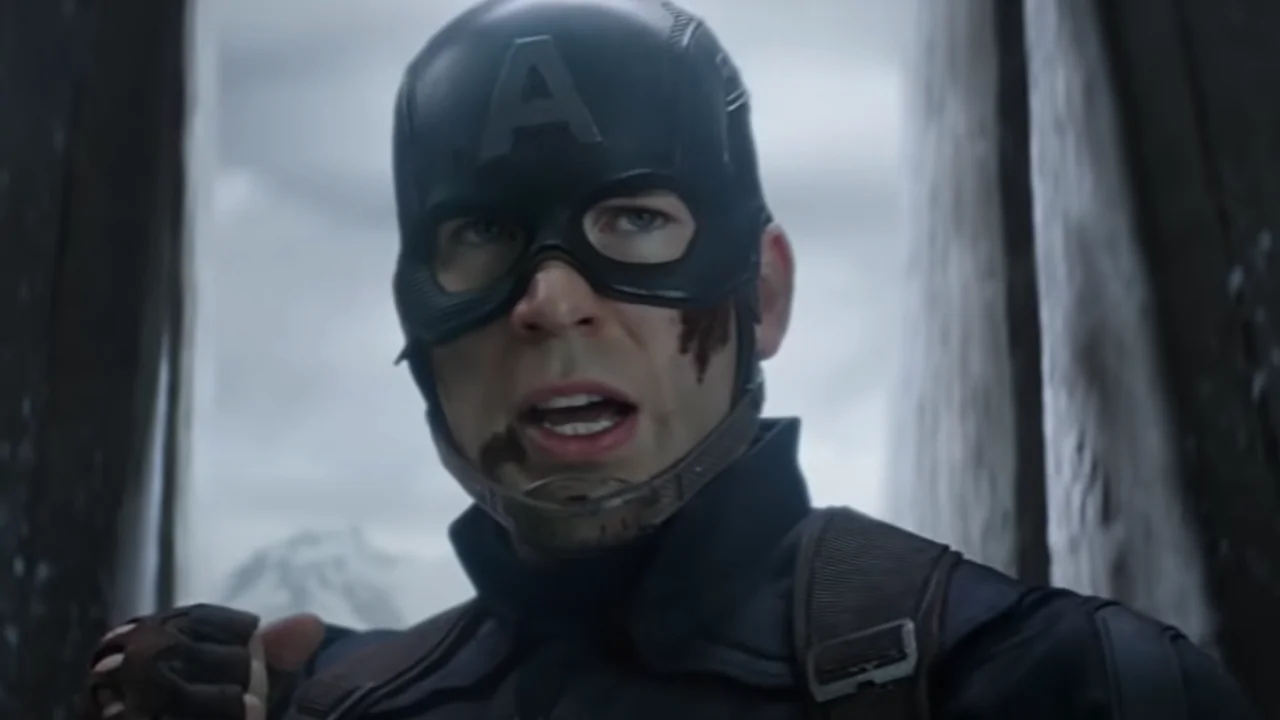
Chris Evans as Captain America in Captain America: Civil War (2016), Marvel Studios
The result? Fractured fandoms, declining box office legs, and a sense of fatigue that no amount of glossy marketing can fix.
By the time Variety is reporting that Disney must create “new stories for boys,” the truth is already undeniable: the studio abandoned them.
Original IP or Corporate Panic?
This new Disney directive to develop original stories for young men and boys should, in theory, be welcome news. After all, Hollywood desperately needs fresh ideas. But the timing reveals just how reactionary this strategy is. For years, the company dismissed fan concerns as toxic or backward. Now, as profits falter, the same audience they mocked has suddenly become essential again.

Daisy Ridley as Rey in Star Wars: The Rise of Skywalker (2019), Lucasfilm
It’s hard not to view this as a PR firefight rather than a genuine course correction. Disney has a habit of chasing demographics like they’re checkboxes, and Gen Z males are simply the next target on the spreadsheet. The company seems to believe it can market its way out of a problem that was never about gender in the first place. It was always about storytelling.
Winning Back Trust Won’t Be Easy
The big question isn’t whether Disney can market films to men and boys—it’s whether men and boys will care. Mosy boys have grown up surrounded by Marvel and Star Wars, but they’ve also grown tired of being lectured to, bait-and-switched, or told their heroes were obsolete.

(L-R): Osha Aniseya (Amandla Stenberg) and the Stranger in Lucasfilm’s THE ACOLYTE, season one, exclusively on Disney+. ©2024 Lucasfilm Ltd. & TM. All Rights Reserved.
Winning them back won’t happen because a corporate memo says “make boy content.” It will happen only if the studio produces movies that are exciting, original, and respectful of the fans who made Marvel and Star Wars cultural icons.
And here’s the hard truth: fans don’t trust Disney anymore. That’s evident in the performance of projects like Fantastic Four, The Acolyte, and others. That trust isn’t restored with a press release. It’s restored when the product delivers.
Final Thoughts
Disney’s decision to refocus on young men is an astonishing admission of failure, delivered in the pages of Variety like a carefully leaked distress signal. The company spent years alienating its core fanbase to chase cultural trends. Now, with Marvel and Star Wars limping, they’re realizing that men and boys still matter—and always did.
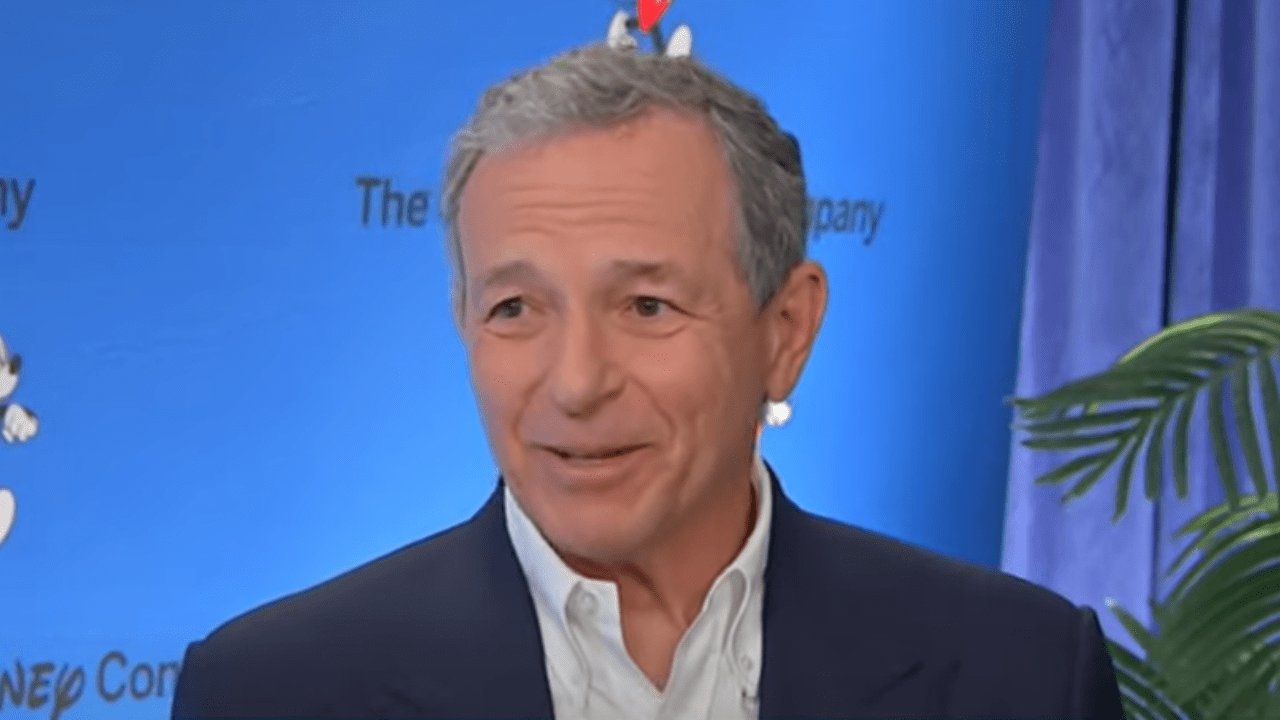
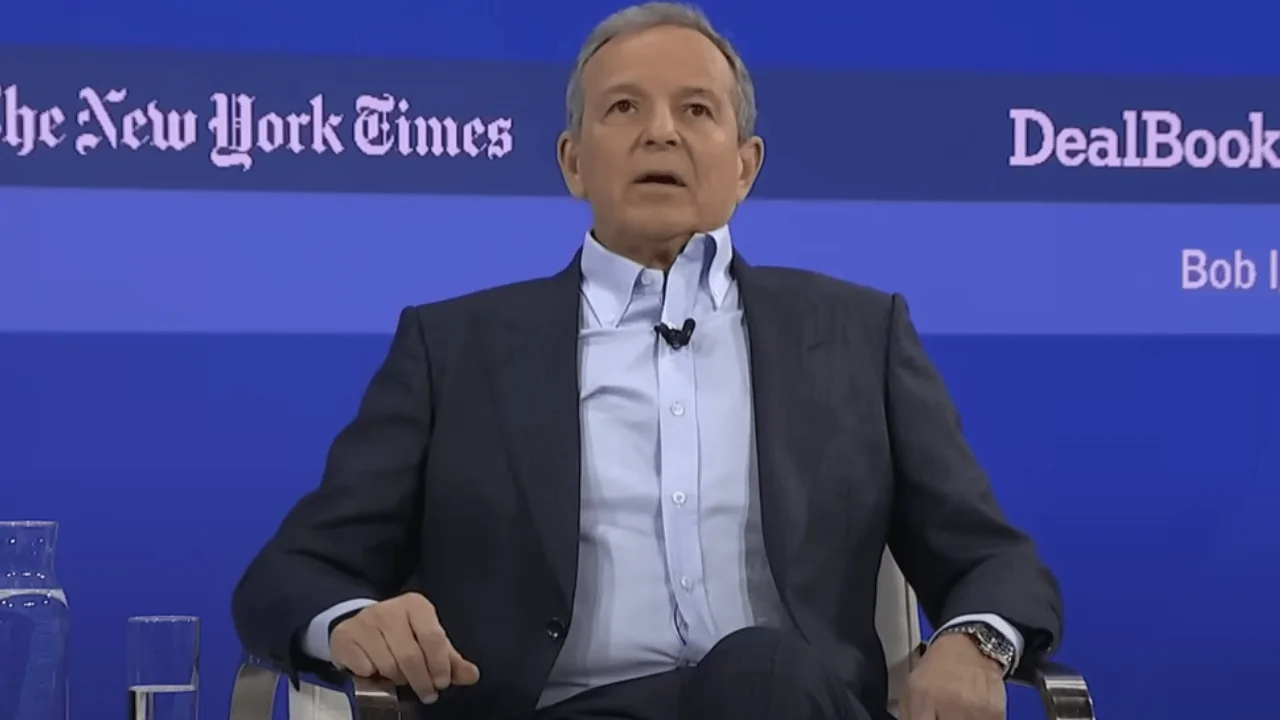
Bob Iger via CNBC Television YouTube
The irony is that this company once defined the modern blockbuster by capturing that very demographic. To claw back its credibility, Disney will have to do more than announce a new strategy. It will have to stop lecturing, stop pandering, and start telling stories worth believing in again.
Until then, this latest pivot looks less like vision and more like desperation.
Do you think Disney can pivot to win back men and boys? Sound off in the comments and let us know!
UP NEXT: Disney Turns the Muppets into a Broadway Rental After Shutting Down Jim Henson’s Masterpiece
