


The Walt Disney Company has taken Sling TV to court with a lawsuit accusing the streaming service of violating its carriage contract by introducing short-term “passes” that give customers access to ESPN, Disney Channel, and other Disney-owned networks for as little as $4.99. The lawsuit, filed in the Southern District of New York, highlights just how fragile content licensing agreements have become in the rapidly shifting world of streaming television.
What Sling TV Rolled Out
Earlier this month, Sling unveiled three new products designed to give customers temporary access without committing to the platform’s $45.99-per-month subscription:
- $4.99 Day Pass – 24-hour access to select networks
- $9.99 Weekend Pass – Friday through Sunday access
- $14.99 Weekly Pass – Seven-day access
Introducing, Passes by Sling. Get the live TV you love for the day, week, or weekend.
Learn more: https://t.co/H6qVuLR4S4 pic.twitter.com/sGoYhrw0PP
— sling (@Sling) August 12, 2025
Marketed as affordable and flexible, these passes were pitched to cord-cutters who want to watch a big sporting event or one-off television program without paying for an entire month of service. For casual viewers or fans of marquee sports broadcasts, the idea had immediate appeal.
But Disney was not amused.
Disney’s Legal Challenge
According to the lawsuit, Sling introduced the mini-bundles without any Disney knowledge or approval. The company argues that its carriage deal with Dish Network—the parent company of Sling—requires distribution only through traditional monthly subscriptions. Anything else, Disney contends, is a violation of contract.

A clip from the NFL on YouTube – YouTube, NFL
The case, listed as ESPN Enterprises, Inc. et al v. DISH Network, L.L.C., is currently under seal but expected to be unsealed in the coming weeks. Disney is seeking to block Sling from continuing to offer the passes, claiming they undermine the agreed-upon value of its channels.
Disney recently launched its own direct-to-consumer ESPN streaming service for $29.99 per month. Sling’s bargain-basement day and week passes risk cannibalizing that effort by offering sports fans a much cheaper way to tune in only when it suits them.
Sling TV Pushes Back
Sling has described the lawsuit as meritless and says it will “vigorously defend” its right to innovate.
In a public statement, the company positioned itself as consumer-first, arguing that modern viewers deserve flexibility.
“We will defend our right to bring customers a viewing experience that fits their lives, on their schedule and on their terms,” Sling said.
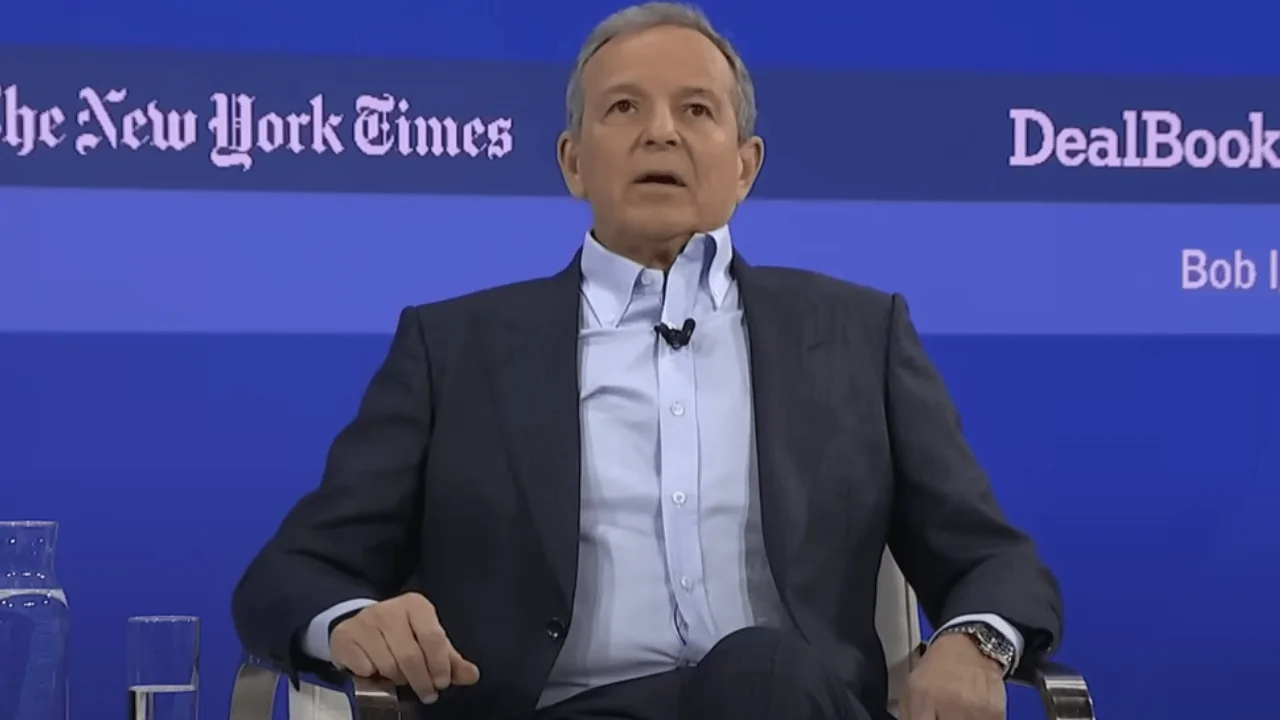
Bob Iger via New York Times Events YouTube
That framing taps into a growing frustration among cord-cutters, many of whom see the rise of new streaming bundles as little more than a return to the old cable model—with rising costs, fewer options, and constant disputes between content owners and distributors.
Why This Fight Matters
At its core, the Disney-Sling lawsuit is about more than just a few $5 passes. It represents a collision between two competing visions of television’s future:
- Disney’s Position: Protect established carriage deals, enforce monthly subscription models, and defend the pricing integrity of its direct-to-consumer services like ESPN+.
- Sling’s Position: Offer short-term, event-driven flexibility that mirrors the way many viewers already consume sports, news, and live television.
The logo for Disney+ – YouTube, Disney+
The stakes are high. If Disney wins, it could cement content owners’ ability to dictate rigid distribution terms in the streaming space. If Sling prevails, it could open the door for more services to experiment with short-term, à la carte access—something cable companies have resisted for decades.
Historical Context for the Sling Disney Lawsuit
This isn’t the first time carriage disputes have disrupted the industry. Traditional cable customers are familiar with “blackout” battles, where networks disappear from lineups for weeks or months due to contract disputes. Disney itself famously pulled ESPN and other channels from Dish during a 2022 negotiation standoff, only restoring them after a last-minute agreement.
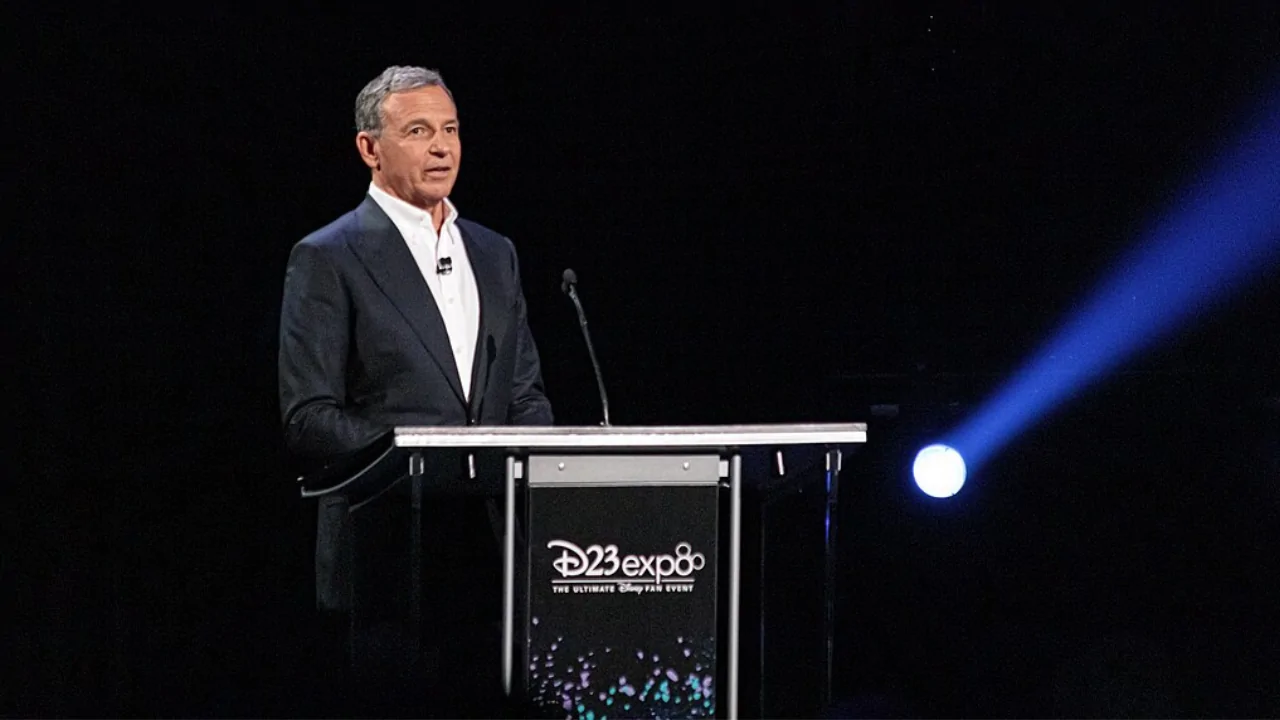
Bob Iger | 2019 Disney Legends Awards Ceremony | D23 EXPO 2019. Photo Credit: nagi usano from Tokyo, Japan, CC BY-SA 2.0 <https://creativecommons.org/licenses/by-sa/2.0>, via Wikimedia Commons
But this case is different. Instead of simply fighting over fees, it tests whether streaming distributors can repackage channels in innovative ways without explicit approval. The contract language—and how the court interprets it—could set a precedent affecting every streaming partnership moving forward.
Industry Implications
There are broader consequences at play as well:
- Cannibalization Concerns: Disney’s new ESPN streaming platform is positioned as a premium product. Sling’s cheaper passes could make that offering look overpriced.
- Consumer Expectations: As streaming matures, customers expect options closer to buying a single event ticket than a month-long subscription. Sling is leaning into that demand, while Disney is resisting it.
- Precedent Setting: If Disney prevails, distributors may be more hesitant to experiment with innovative packaging. If Sling wins, content owners could lose some control over how their channels are marketed.
- Competitive Pressure: Rival services like YouTube TV and Hulu + Live TV will be watching closely. The outcome could inspire copycat products—or reinforce the dominance of the monthly bundle.
What Comes Next?
Because the lawsuit is sealed, details of Disney’s contract with Dish are not yet public. Once unsealed, industry analysts will be combing through the language to see whether Sling has any legal wiggle room.
The Walt Disney Company is suing Sling TV, alleging the pay-TV service included its networks without permission in new short-term packages. pic.twitter.com/2320b7mwjJ
— Pirat_Nation 🔴 (@Pirat_Nation) August 28, 2025
In the meantime, Sling’s passes remain available, though Disney may seek an injunction to halt them before the case proceeds. The court could also push the parties toward a settlement, as has happened in many past carriage disputes.
Either way, this case is shaping up to be one of the most significant streaming battles of 2025.
The Bottom Line
Disney filed its lawsuit against Sling TV to block $5 to $15 mini-bundles it says breach their carriage deal. Sling insists it’s innovating for consumers, while Disney fears devaluation of its networks and its direct-to-consumer ESPN service.
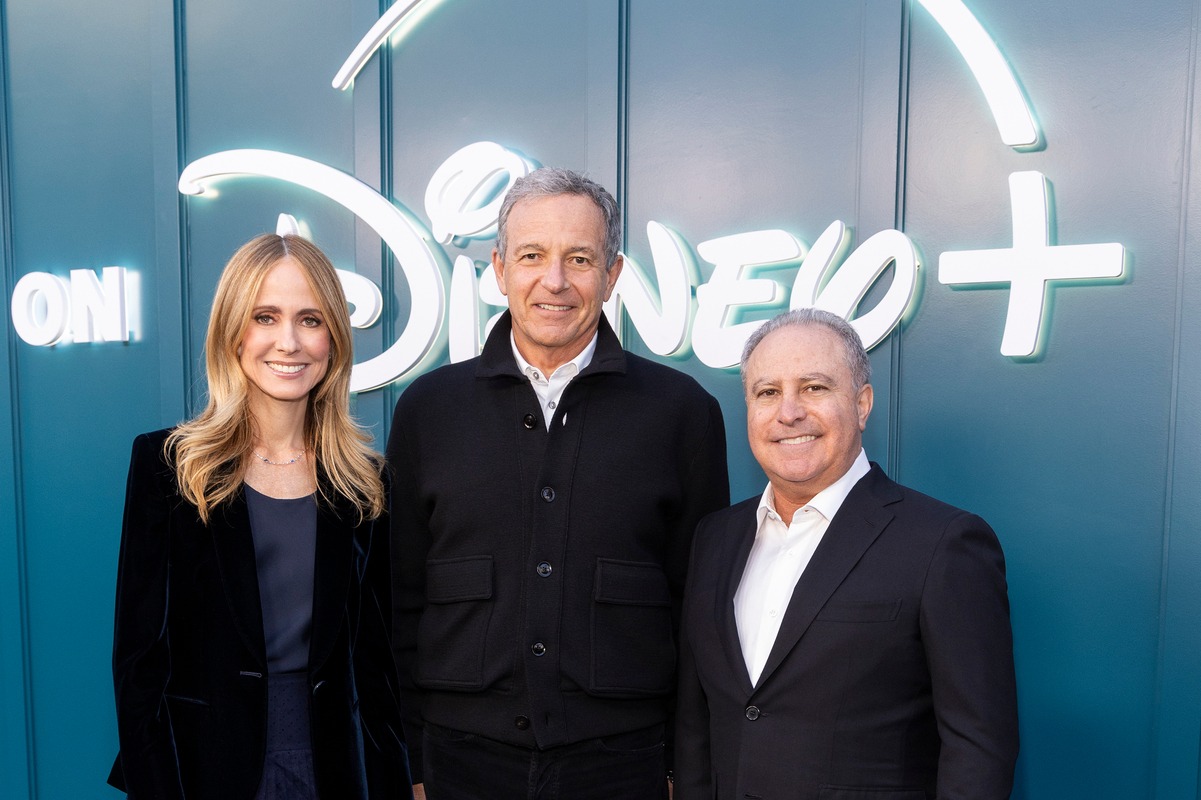
HULU ON DISNEY+ CELEBRATION – Some of the biggest stars across The Walt Disney Company celebrate the official launch of Hulu on Disney+ at an exclusive cocktail reception hosted by Dana Walden and Alan Bergman, along with special guest Bob Iger, on Friday evening in Los Angeles. (Disney/Greg Williams)
DANA WALDEN (CO-CHAIRMAN, DISNEY ENTERTAINMENT, THE WALT DISNEY COMPANY), ROBERT A. IGER (CHIEF EXECUTIVE OFFICER, THE WALT DISNEY COMPANY), ALAN BERGMAN (CO-CHAIRMAN, DISNEY ENTERTAINMENT, THE WALT DISNEY COMPANY)
The dispute is about more than one lawsuit—it’s about the future shape of streaming television, whether consumers will gain more à la carte freedom, and whether legacy media companies can continue dictating terms in a world where audiences want flexibility above all else.
Who do you think will prevail in the Disney Sling lawsuit? Sound off in the comments and let us know!
UP NEXT: Original Harry Potter Movie Director Chris Columbus Blasts HBO Reboot: “What’s the Point?”
