


Disney’s Star Wars has introduced another set of names for the Force, continuing a pattern of putting its own stamp on George Lucas’s mythology.
Marvel’s Star Wars: The Fall of Kylo Ren gives the Knights of Ren their own terms for the light and dark sides: “the Shine” and “the Shadow.” The terminology follows The Acolyte’s introduction of “the Thread,” another interpretation of the energy field central to Lucas’s saga.
Different cultures using different names for the Force is not inherently contradictory. However, these accumulating reinterpretations suggest an increasing emphasis on distinguishing Disney’s version of Star Wars from Lucas’s, potentially muddying the ideas that gave his mythology meaning.
The Force Gets Another Set of Names
According to ScreenRant, the Knights of Ren refer to the dark side as “the Shadow,” while Tava Ren calls the light side “the Shine.”
Written by Charles Soule and illustrated by Will Sliney, the comic series takes place between The Last Jedi and The Rise of Skywalker. It explores Kylo Ren’s activities as leader of the First Order.
GamesRadar also reports that the third issue uses “radiant,” apparently to describe someone who may be Force-sensitive.

Kylo Ren in The Rise of Skywalker – Disney+
READ: Tom Cruise Will Receive the 52nd AFI Life Achievement Award
These expressions reflect the Knights of Ren’s vocabulary. Their use does not establish that Lucasfilm has replaced “light side” and “dark side” throughout the franchise or altered how the Force operates.
Still, the creative impulse is familiar. Another group receives another vocabulary, allowing Disney-era storytellers to leave their fingerprints on a concept audiences already understood.
That approach can expand a fictional world. It can also make something different without making it more compelling.
From “The Thread” to “The Shine”
Disney previously explored an alternative understanding of the Force through the witches of Brendok in The Acolyte.
Mother Aniseya called the connection running through existence “the Thread,” challenging the idea that it was a power someone could wield.
“Pull the Thread. Change everything,” she told Osha and Mae.

(L-R): Osha Aniseya (Amandla Stenberg) and the Stranger in Lucasfilm’s THE ACOLYTE, season one, exclusively on Disney+. ©2024 Lucasfilm Ltd. & TM. All Rights Reserved.
READ: Islands of Adventure Lockers Swap Ticket Scans for Facial Recognition
The series went beyond vocabulary by revealing that Aniseya created the twins, while Koril carried them. That development invited comparisons with Anakin Skywalker’s fatherless birth, raising questions about whether it diminished the significance of his origins.
Taken together, these additions can create the impression that building upon Lucas’s mythology is insufficient. Each creative team must introduce its own terminology, interpretation, or exception to distinguish its contribution.
There is room for unfamiliar traditions within Star Wars. The concern is whether those traditions deepen the audience’s understanding or obscure the underlying moral framework beneath competing explanations.
Lucas Already Explained What the Force Meant
Lucas’s explanation of the Force centered on a distinction more substantial than terminology: selfishness versus selflessness.
In a 2010 discussion, he explained:
“The core of the Force. I mean you got the Dark Side and the Light Side. One is selfless. One is selfish. And you want to keep them in balance. What happens when you go to the Dark Side is that it goes out of balance, and then you get really selfish and you forget everybody.”
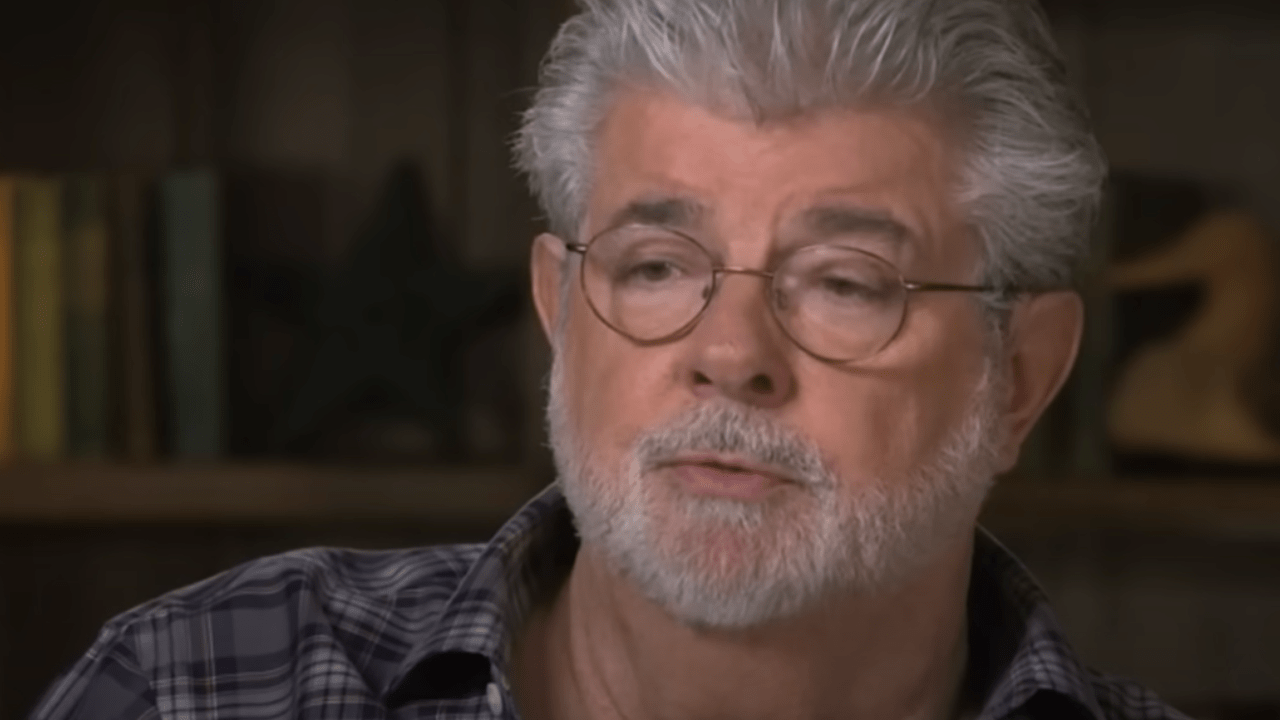
George Lucas via Laurent Touil-Tartour YouTube
READ: Universal Theme Park Revenue Falls 4.4% in Q3 as Profit Drops 17%
He described how desire can become fear of loss, which then gives way to anger, hatred, and suffering.
“And that anger leads to hate. And hate leads to suffering.”
In Lucas’s explanation, the dark side represents a destructive temptation. Balance does not mean treating selfishness and selflessness as equally desirable ways to live.
Lucas Said His Original Ideas Were Lost
Lucas later lamented how some of his ideas had been lost under new ownership. Speaking at Cannes in 2024, as reported by The Hollywood Reporter, he said:
“I was the one who really knew what Star Wars was … who actually knew this world, because there’s a lot to it. The Force, for example, nobody understood the Force.”
His accompanying remarks addressed the loss of original ideas in the films made after he sold Lucasfilm.
The new names alone do not demonstrate a deliberate effort to undermine his vision. They do, however, fit a broader pattern of reframing the mythology Disney inherited. The desire to make its own mark risks becoming a creative priority in itself, with each addition valued for its novelty rather than its contribution.
Without stronger storytelling to justify those choices, Star Wars risks burying Lucas’s clear moral ideas beneath an expanding glossary.
How do you feel about Disney’s changes to Star Wars and the Force? Sound off and let us know!
