


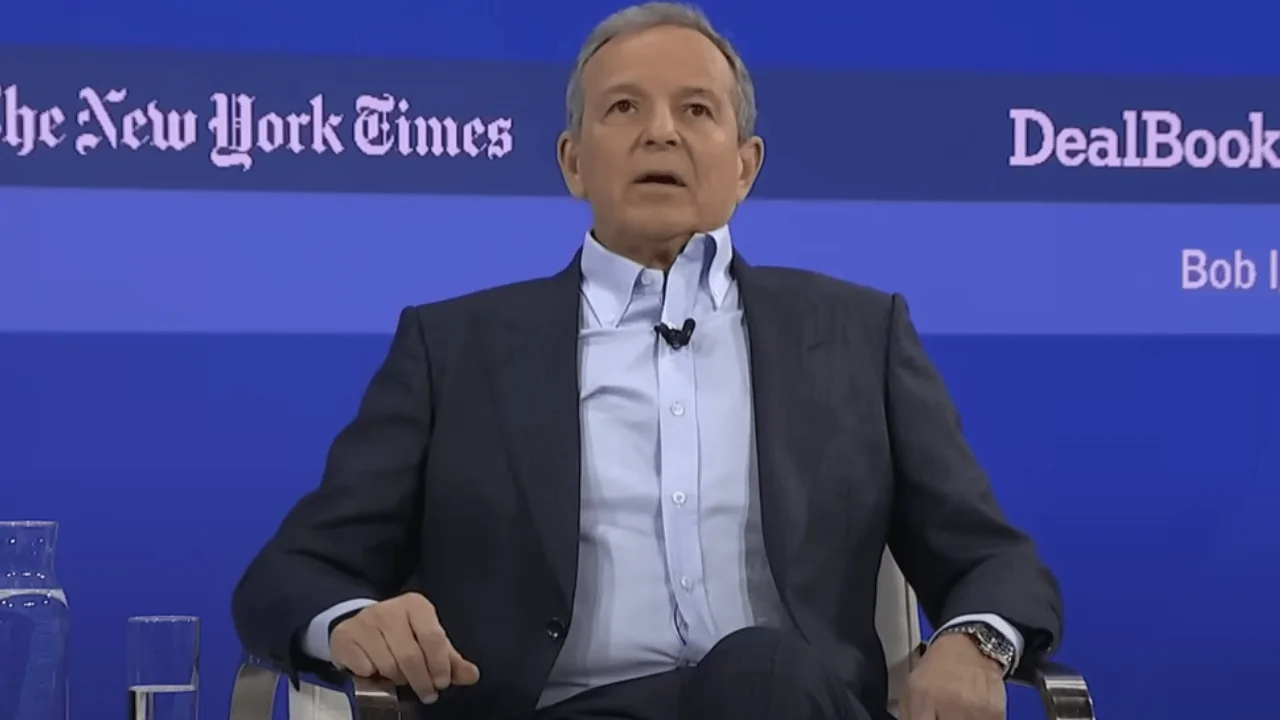
Universal Studio’s new Epic Universe theme park is indeed incredible. It eclipses, by far, anything Disney has to offer. But thoughts that Disney could begin building a response for the next five years may all be dashed away by the new Chinese tariffs. For Bob Iger, it could be a devastating blow to his legacy.
The recent escalation in tariffs between the United States and China poses significant challenges for companies like The Walt Disney Company, particularly concerning the expansion and maintenance of their domestic theme parks. The construction, or even expansion, of new theme park assets domestically would likely lean heavily on Chinese imports, which could be double the cost for years to come. Setting aside Disney’s complacent manner in which they allowed their biggest competitor to outclass them in Orlando significantly without any immediate response, the Magic Kingdom now faces a possible reality in which they can’t afford to even respond late. In contrast, Universal Studios‘ timely opening of its Epic Universe theme park has fortuitously shielded it from these financial strains.
Disney boss Bob Iger warns about impact of Trump tariffs in surprise stop at ABC News staff meeting: report https://t.co/1u5KByxDcW pic.twitter.com/iSUTT074eb
— New York Post (@nypost) April 4, 2025
Disney’s domestic theme parks, notably Walt Disney World and Disneyland, rely heavily on imported materials and advanced animatronics, many of which are manufactured in China. The U.S. administration’s recent tariff increase to 104% on Chinese goods, effective April 9, 2025, has substantially raised the cost of these imports. In retaliation, China imposed an 84% tariff on U.S. goods starting April 10, 2025, further intensifying the trade conflict.
Disney CEO Bob Iger has expressed concerns about the potential impact of these tariffs on the company’s $60 billion expansion plans for its theme parks and cruise lines. Iger indicated that escalating costs might necessitate scaling back or delaying these projects. He also warned that increased expenses could lead to higher prices for consumers, affecting everything from admission fees to merchandise and food within the parks.
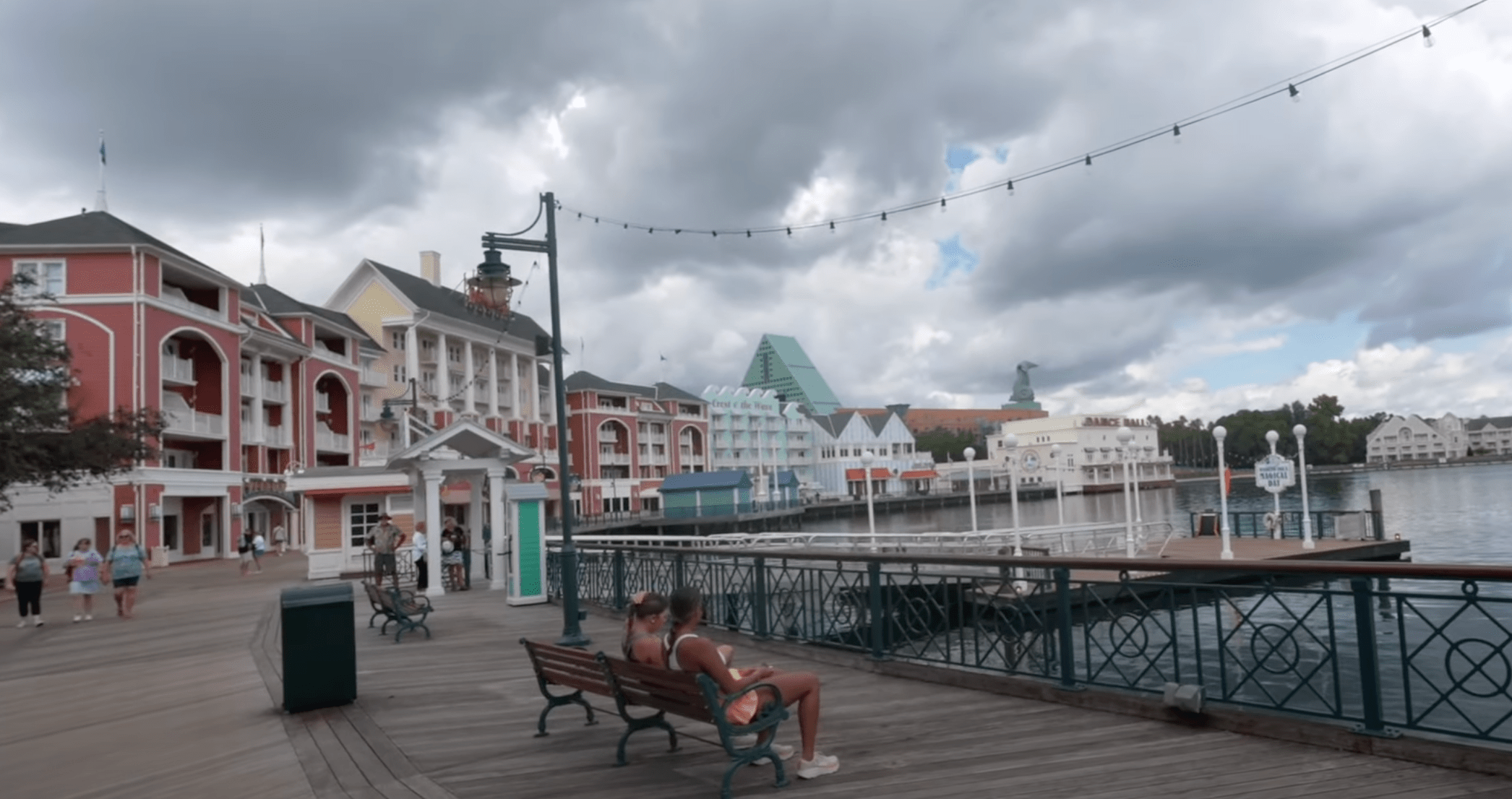
Disney’s Boardwalk – YouTube, Hollywood Studios
The construction industry is already feeling the pressure of rising material costs due to these tariffs. Companies building new factories in the U.S. are bracing for higher expenses, with some projects being delayed or canceled as a result. This trend suggests that Disney’s planned expansions could face similar financial hurdles, potentially leading to project postponements or increased debt to finance the higher costs. Even maintaining current tech could be a stretch for Disney as our own sources claim Disney is struggling to source components for broken animatronics already in the domestic parks. One work-around for this is that Disney could purchase the parts for their Chinese parks via Chinese companies, then ship them to domestic Disney parks as a intra-company sale. But would the US government allow such a thing? It might ease burdens on existing supply needs if the government allows it, but a new park or expansion certainly couldn’t use such a method for its construction acquisitions.
In contrast, Universal Studios is poised to benefit from the timing of its new theme park, Epic Universe, which is scheduled to open on May 22, 2025. The construction of Epic Universe was largely completed before the implementation of the new tariffs, allowing Universal to avoid the brunt of increased material and equipment costs. This strategic advantage enables Universal to offer competitive pricing and maintain robust profit margins, positioning it favorably in the market.
Had an Epic Day today pic.twitter.com/YlGm94aOl5
— Jay D3PO 🏴☠️ (@Drunk3po) April 6, 2025
The broader theme park industry is likely to experience ripple effects from the U.S.-China trade war. Rising costs for construction materials and imported goods could lead to increased ticket prices, reduced consumer spending, and potential declines in attendance. Theme park operators may need to reassess their supply chains, seek alternative suppliers, or consider domestic manufacturing options, all of which could involve additional costs and logistical challenges. However, tariffs can lead to much better financials for domestic theme parks that aren’t spending heavily on imported cap-ex projects. The reason is that it becomes a far easier financial burden for families to spend domestically in a tariff environment. This is why Universal Studios could not have timed this any better!
Moreover, the uncertainty surrounding international trade policies may deter future investments in large-scale projects, as companies become more cautious about committing substantial resources amid volatile economic conditions. This environment underscores the importance of strategic planning and adaptability for companies operating in industries heavily reliant on global supply chains.

Concept art for Disney’s unnamed Cars attraction at Magic Kingdom
The escalating tariffs between the U.S. and China present significant challenges for The Walt Disney Company, potentially hindering its expansion plans and increasing operational costs. Iger has already suggested cruise ships may not be completed as planned. Now analysts will begin to wonder if Disney World expansions are also on the chopping block. Meanwhile, Epic will be chopping away at Disney’s market share… relentlessly.
