


Late Thursday night into Friday morning (around 11:30 pm–12:00 am ET, October 30→31, 2025), all Disney-owned linear networks, including ABC (and local ABC stations), ESPN’s suite of channels, FX, Freeform, Disney Channel, and National Geographic, were removed from YouTube TV after the companies failed to reach a new carriage agreement before the prior deal expired. Viewers reported the channels going dark just before the midnight deadline.
Despite our best efforts, we have not been able to reach a fair deal, and starting today, Disney programming will not be available on YouTube TV. This means you will no longer be able to watch channels like ABC and ESPN or access recordings from these networks in your Library.
— YouTube TV (@YouTubeTV) October 31, 2025
YouTube TV, America’s largest internet TV bundle by far, says the blackout impacts millions of subscribers (widely reported in the 8–10+ million range). All Disney networks on the service are currently unavailable, which immediately touches high-demand live programming such as college football, the NBA, NHL, and other live sports carried by ESPN, plus local news and entertainment on ABC affiliates.
In addition to the live channels disappearing, access to on-demand and DVR recordings from those networks may also be disrupted while the blackout lasts.

The logo for YouTube TV – YouTube
Both sides have their reasons for entrenched battle.
-
YouTube TV’s stance: Google (YouTube TV’s parent) says Disney pushed for terms that would raise prices for subscribers and strengthen Disney’s competing live-TV bundles (e.g., Hulu + Live TV). Google frames the blackout as a pressure tactic and has pledged a $20 credit if the outage persists for an extended period.
-
Disney’s stance: Disney contends Google refused to pay fair market rates for its channels, undermining industry standards for carriage fees. In previous disputes Disney has argued that the value of ESPN and its other brands merits higher compensation.
However, beyond the talking points, Disney and YouTube are fierce streaming competitors and the stakes could not be higher. YouTube content creators passed The Walt Disney Company for the leader in produced media viewed on American television (no, not phones, tablets and/or computers). That’s a huge change and should be almost impossible given Disney’s sports acquisitions that drive much of its content. With YouTube TV ahead of Hulu in subscribers, and not by a small amount, Disney is likely looking to slow YouTube and decrease the gap. If streaming is the future, YouTube is far in the lead with Netflix a distant second and Disney a much farther third.

A clip from the NFL on YouTube – YouTube, NFL
So what does this mean for sports fans while the blackout is in place?
The timing is punishing: a packed fall calendar (college football Saturdays, early-season NBA and NHL, plus international events like F1 on ESPN) is suddenly inaccessible on YouTube TV. For many households, ESPN is the main reason to keep a live TV bundle; losing it creates immediate pressure on both companies to settle—or on viewers to churn to a rival bundle.
YouTube TV says it will issue a $20 account credit if Disney networks remain unavailable for a meaningful stretch (YouTube hasn’t defined the exact duration but reiterated the pledge in recent statements). The service’s current base price is $82.99/month.
News outlets are already rounding up interim alternatives (e.g., Hulu + Live TV, Fubo, Sling, and traditional cable/satellite), though pricing, channel lineups, regional sports, and local ABC availability vary by market. Switching can restore ESPN/ABC access immediately, but likely at similar or higher monthly rates. (Always check free trials, channel lists, regional availability, and any commitment terms.)
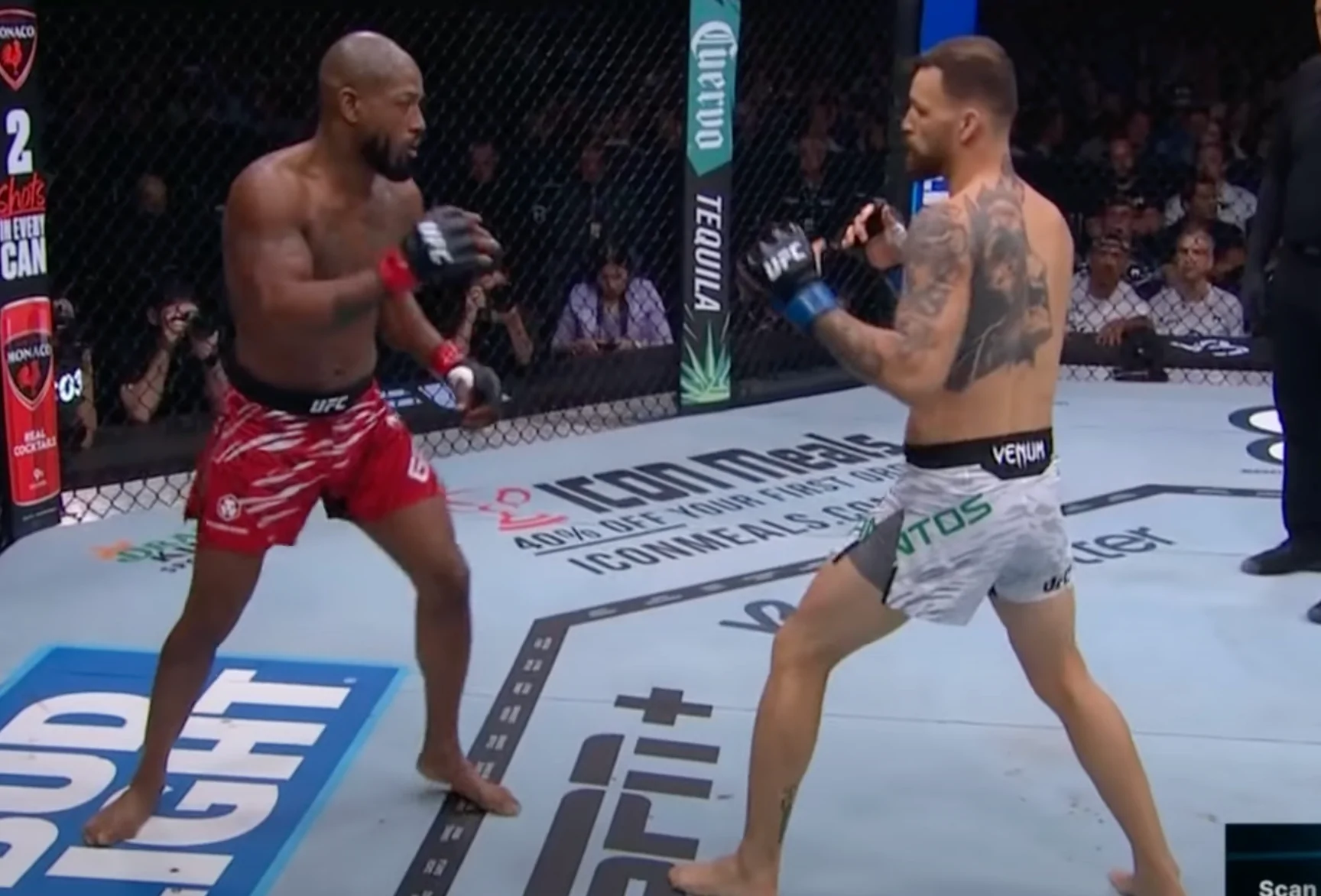
A screenshot from UFC 313 on ESPN+ – YouTube, ESPN MMA
How long could this last?
There’s history here on both sides:
-
Disney vs. YouTube TV (2021): A similar blackout ended after two days, once a renewal was struck.
-
Disney vs. Charter/Spectrum (2023): ESPN/ABC disappeared for about 10–11 days before a deal returned channels and bundled some streaming perks into pay-TV tiers. The standoff was widely viewed as a turning point for the bundle’s economics.
Past isn’t prologue, but these episodes show that high-stakes disruptions often end within days or a couple of weeks, once the pain for subscribers (and advertisers, leagues, and teams) spikes.
The Disney logo with a Tron Ares Overlay – YouTube, Disney
So what’s going to end this impasse and get Disney back on YouTube TV for subscribers?
-
Weekend sports pressure: Expect mounting fan frustration and social/media heat if ESPN stays dark through the weekend slate, often the point when concessions surface.
-
Temporary extensions: Either party might agree to a short extension to restore channels while talks continue; that’s a common off-ramp in carriage battles (no such extension is in place as of this morning).
-
Bundling/streaming trade-offs: Recent deals (e.g., Disney–Charter) blended linear carriage with streaming entitlements; a similar construct could appear here, potentially involving ESPN’s future DTC product or Disney’s existing streamers.
Ultimately, Disney is looking for a way to maintain competitive in live television streaming. YouTube, on the other hand, has a singular weakness and it’s the very live sports that Disney has gobbled up. Who flinches first is anyone’s guess but don’t expect a subscription price increase from YouTube anytime this year as a result of whatever happens. At least for the moment it seems YouTube is determined to not go up in price… especially as Disney just increased Hulu subscription costs and could be providing YouTube another chance to find unhappy Mickey Mouse subs looking for a new digital streaming provider.
Do you think Disney will put its content back on YouTube TV? Sound off in the comments and let us know!
