


At a time in which President Trump is slashing DEI initiatives and major corporations are following suit, Disney has doubled down on its commitment to diversity. How does Disney define diversity?
By not being a white man.

Cinderella Castle in Walt Disney World at Magic Kingdom during a clear Orlando day – Photo Credit: M. Montanaro
READ: Disney Sets Final Date for MuppetVision 3D, Sealing the Fate of Jim Henson’s Legacy Once and For All
In its recent annual filing with the United States Securities and Exchange Commission (SEC), The Walt Disney Company showcased unwavering commitment to its controversial Diversity, Equity, and Inclusion (DEI) agenda. While companies like Amazon, Walmart, Boeing, and Ford are moving away from such initiatives amidst growing national scrutiny, Disney is doing the opposite—proudly incorporating DEI into its board selection process and executive bonuses.
Strikingly, Disney made no public announcement or press release accompanying the filing this year, raising eyebrows and questions about whether the company is trying to downplay its ongoing DEI focus in the face of public criticism.
Disney Lists Diversity as a “Skill” and Valid “Experience”
Disney’s SEC filing emphasizes the diversity of its Board of Directors, boasting that 50% of its members are considered diverse, with 40% non-male and 30% non-White. It’s clear from this filing that Disney considers anyone who isn’t a white male to be diverse.

A graph from Disney’s recent SEC filing that shows the supposed diversity of its Board of Directors – U.S. SEC
However, the filing doesn’t stop at celebrating the board’s demographics—it shockingly lists diversity itself as a skill and leadership qualification, grouping it with legitimate credentials like finance, cybersecurity, and strategic transformation.
The absurdity of equating race or gender with hard-earned expertise should not be lost on anyone.
Under the section titled “Corporate Governance and Board Matters,” Disney explicitly states that board members are evaluated based on how well they reflect “the diversity of the Company’s shareholders, employees, customers, guests, and the communities in which it operates.” In other words, identity politics—not necessarily professional accomplishments—play a significant role in determining who sits on Disney’s board.
This approach may resonate with activists, but it flies in the face of traditional merit-based selection, where qualifications, skills, and proven experience determine leadership. Treating diversity as a checkbox for “skills and experience” demeans individuals’ actual achievements by prioritizing immutable characteristics over true competence.
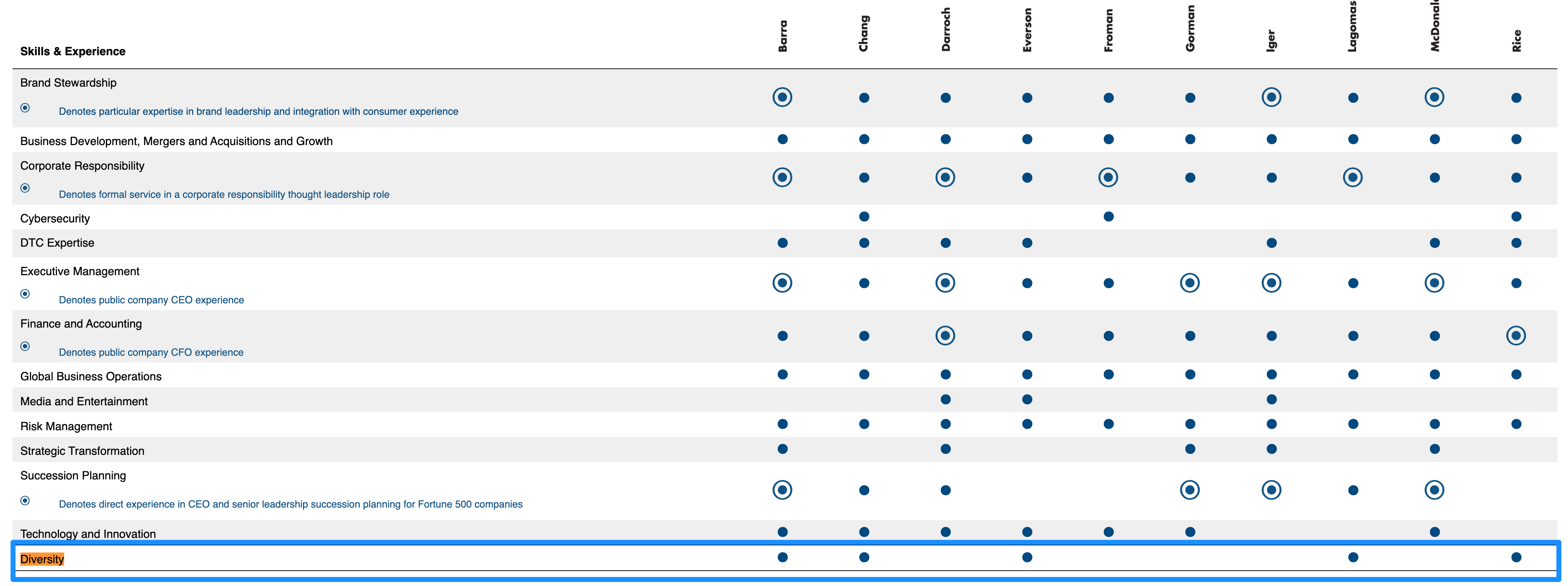
A chart from Disney’s SEC filing that shows Diversity listed under “Skills and Experience” – U.S. SEC
It also flies in the face of President Trump’s inaugural remarks.
“This week, I will also end the government policy of trying to socially engineer race and gender into every aspect of public and private life,” Trump said in the Capital Building after taking the Oath of Office. “We will forge a society that is colorblind and merit-based.”
Disney apparently doesn’t agree.
Bob Iger’s Bonus Tied to DEI Performance
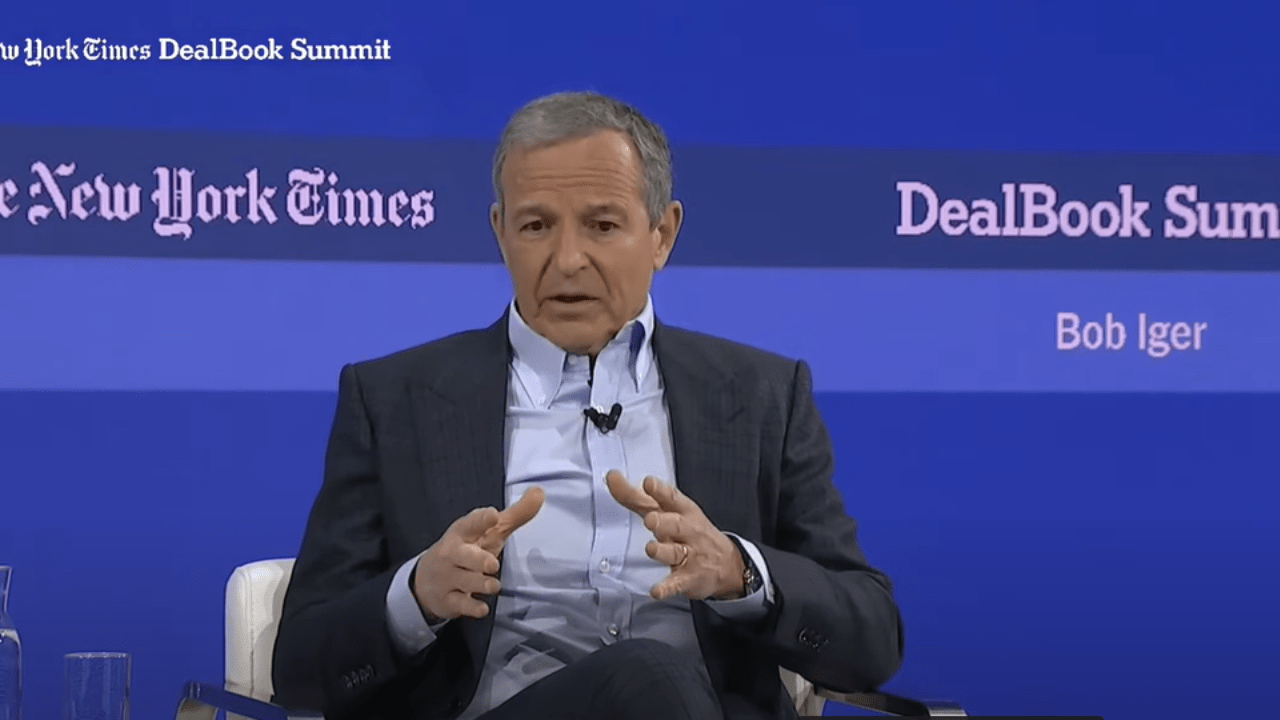
Perhaps most troubling is Disney’s admission that its DEI agenda directly impacts the bonuses of its most senior executives, including CEO Bob Iger.
Among the three “Other Performance Factors” (OPFs) used to calculate annual bonuses for Named Executive Officers (NEOs), Disney lists “Diversity & Inclusion.” This is given equal weighting to “Synergy” and “Storytelling and Creativity,” placing DEI on par with actual business performance metrics.
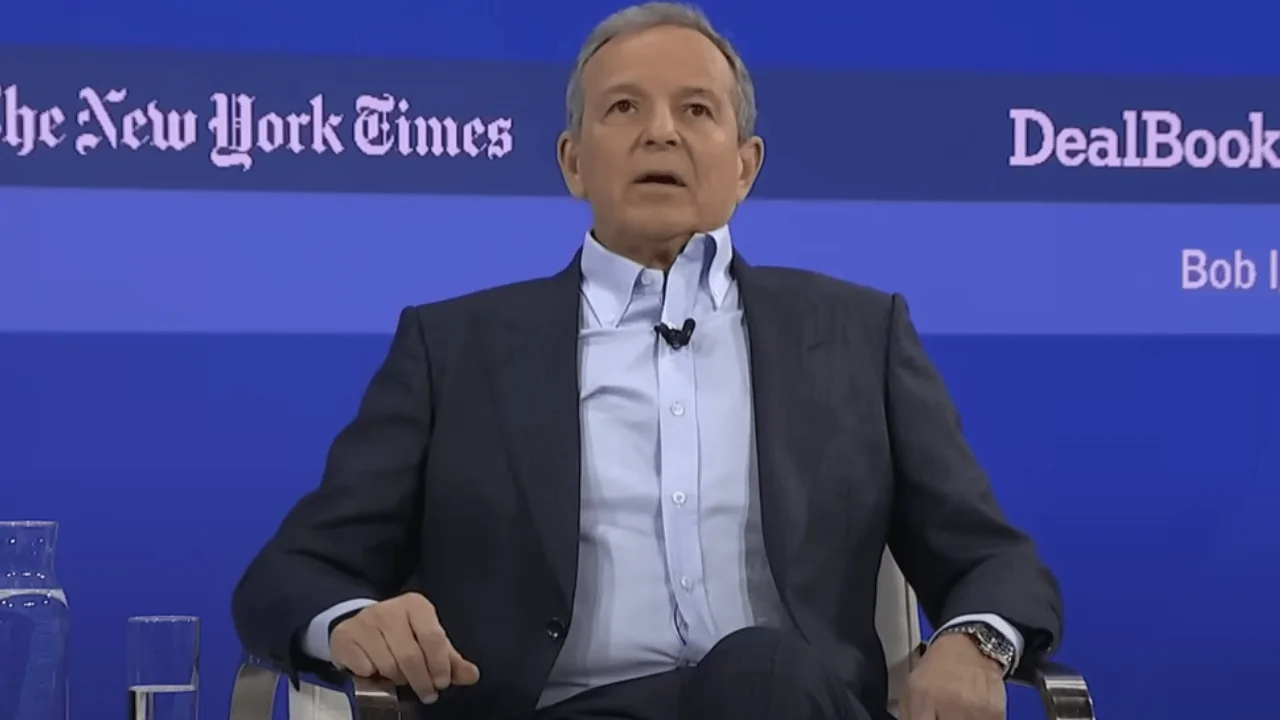
Bob Iger via New York Times Events YouTube
Disney’s filing explains the Diversity & Inclusion OPF as fostering a culture of respect, increasing diversity in executive ranks, and creating entertainment that reflects a broad spectrum of identities and experiences. Notably, the company highlights multicultural turnout for Inside Out 2 and Deadpool & Wolverine, along with ESPN’s promotion of women’s sports and the Emmy success of Shogun, a series lauded for its Japanese cast and dialogue.
While these achievements might be spun as DEI wins, critics could argue they’re more about pandering to progressive social trends than delivering for shareholders. Worse still, tying executive bonuses to DEI goals incentivizes prioritizing political narratives over financial performance, leaving shareholders to foot the bill if these efforts fail to resonate with audiences.
Disney’s Not-So-Transparent Strategy
Interestingly, Disney chose not to issue its usual press release touting the annual filing or put the document on its website for all to see. That’s a curious departure from past years. The filing is available in full through the SEC website.
One can’t help but wonder if this silence is an attempt to avoid drawing attention to policies that are increasingly controversial. With the Trump administration cracking down on DEI initiatives and public sentiment shifting against corporate wokeness, Disney’s decision to hide its filing in plain sight may be a tactical move to sidestep backlash.
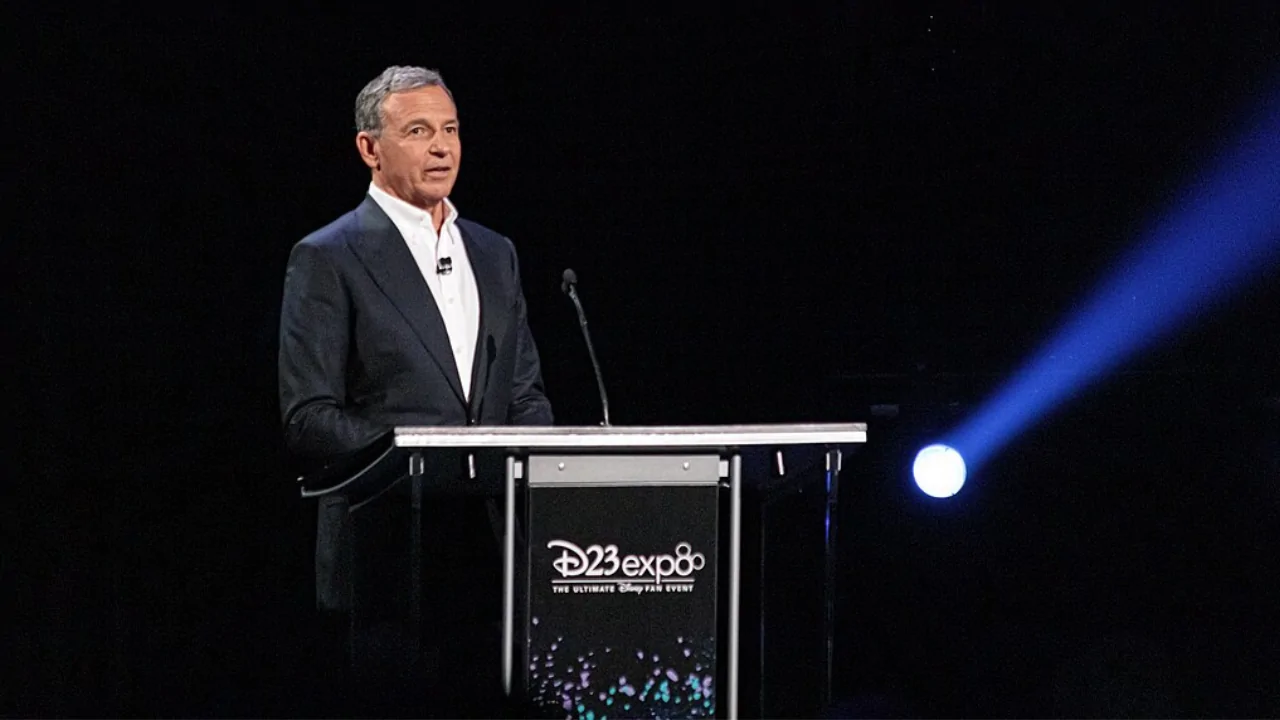
Bob Iger | 2019 Disney Legends Awards Ceremony | D23 EXPO 2019. Photo Credit: nagi usano from Tokyo, Japan, CC BY-SA 2.0 <https://creativecommons.org/licenses/by-sa/2.0>, via Wikimedia Commons
READ: RUMOR: X-Men’s Storm Role in The MCU May Go To Socialist Pride Activist Hollywood Celebrity
However, the contents of the filing speak volumes. By embedding DEI into its governance and compensation structures, Disney sends a clear message that it is doubling down on its ideological commitments, even as other corporations retreat. Whether this strategy is brave or brazen depends on one’s perspective, but it undeniably risks further alienating a significant portion of Disney’s customer base.
A Divisive Disney Future
Disney’s continued embrace of DEI, from prioritizing identity politics in board selection to tying executive bonuses to ideological goals, showcases a company that refuses to adjust to changing national attitudes. As other corporations recognize the growing backlash against wokeness and pivot accordingly, Disney’s insistence on this path that rejects merit-based hiring risks alienating investors, employees, and customers who are tired of having politics injected into their entertainment.
Bob Iger via New York Times Events YouTube
With no press release and an SEC filing filled with divisive policies, Disney may have hoped to sneak these details under the radar. Unfortunately for them, the truth is out in the open—and it’s sure to fuel the ongoing debate about whether corporate America should prioritize ideology over merit and profitability.
What’s your take on Disney and its embrace of diversity initiatives? Sound off in the comments and let us know!
UP NEXT: Disney World Prepares to Permanently Damage Hollywood Studios and Relations with Fans of Jim Henson
