


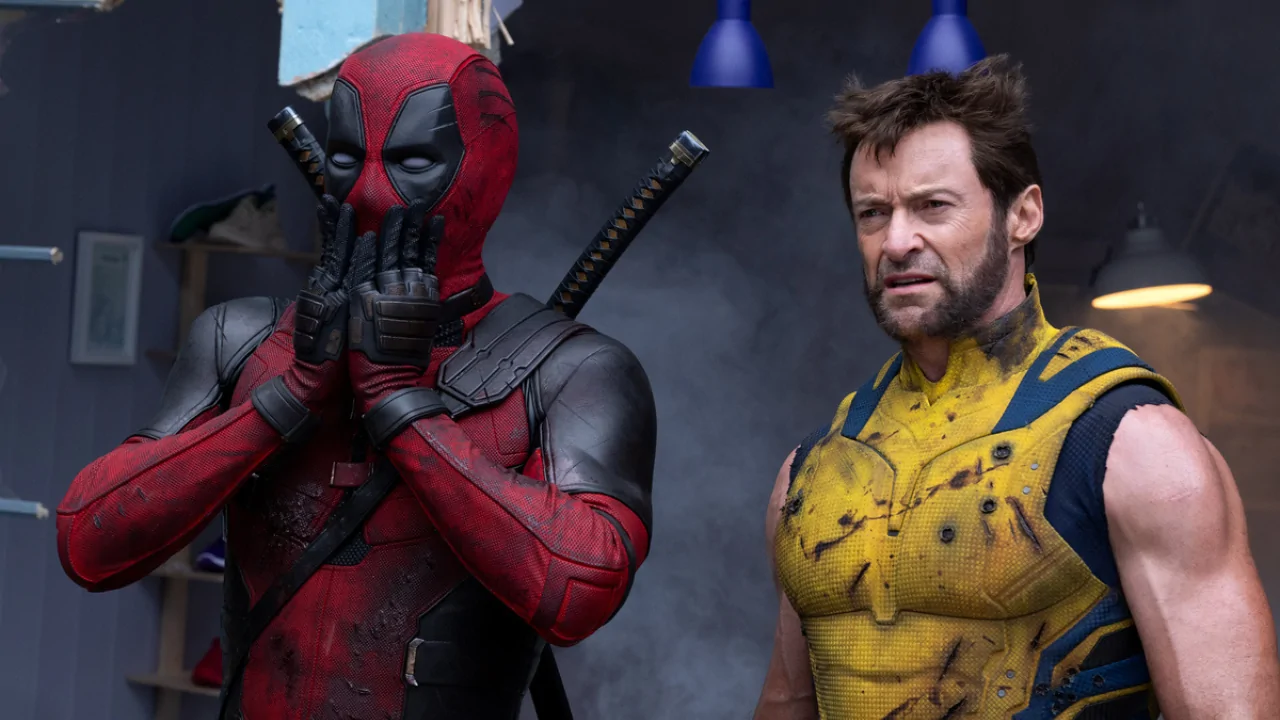
Disney’s Marvel Studios, once the crown jewel of Hollywood’s box office dominance, is now bleeding money on a scale that even Iron Man couldn’t patch up. A new report from Forbes journalist Caroline Reid reveals that the company has lost an average of $619 million in takings on each Marvel film over the past two years — a stunning reversal from the MCU’s billion-dollar glory days.
From Billion-Dollar Club to Box Office Bust
Between 2015 and 2020, Marvel was unstoppable. Seven of its superhero films broke the billion-dollar barrier, capped by Avengers: Endgame’s record-setting (at the time) $2.8 billion run. That movie was the ultimate payoff to a 21-film saga, and it gave audiences closure on characters they had followed for a decade.
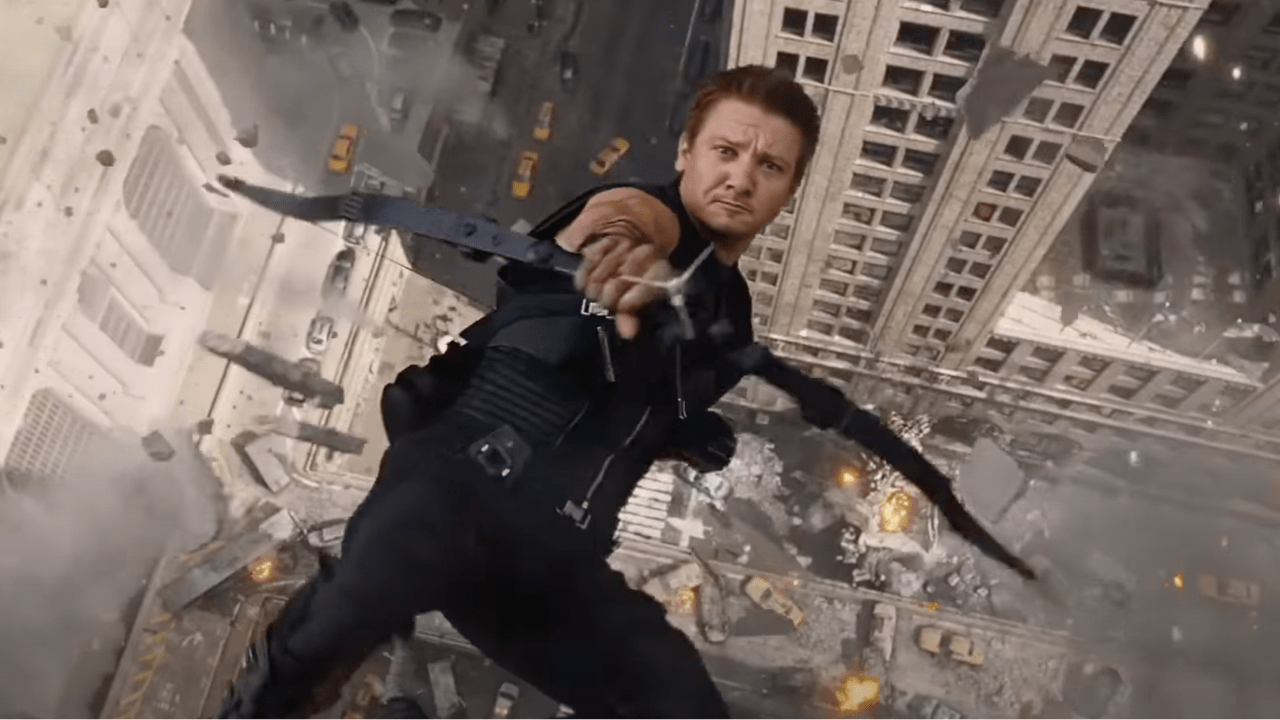
Hawkeye in the Marvel Cinematic Universe – YouTube, Keep Cool Scenes
But since 2020, only Spider-Man: No Way Home and Deadpool & Wolverine have crossed that billion-dollar line. Reid notes that everything else has underperformed badly, creating a new and damaging trend for Disney’s once bulletproof franchise.
The Vicious Circle of Declining Audiences
Reid traces Marvel’s decline to several self-inflicted wounds:
- Lockdown timing: The first film back in theaters was Black Widow — a prequel for a character already dead, robbing the story of tension or stakes.
- Confusing continuity: Eternals followed with what Reid calls an “implausible premise,” alienating audiences who were already hesitant to return to theaters.
- Streaming overload: Disney flooded Disney+ with Marvel series, then tied them to the films. Once fans missed one show, they worried they’d be lost on the next movie, leading to a “vicious circle” of disengagement.
- Shift to younger demos: Marvel leaned toward teen and child heroes, but kids flocked to movies like Super Mario Bros. instead, while adults — the MCU’s original backbone — lost interest.
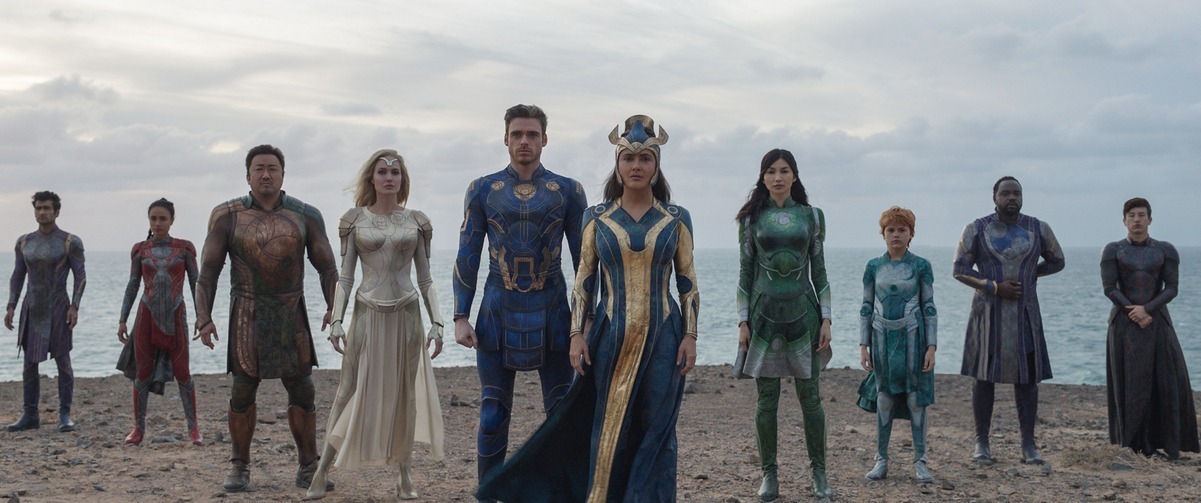
(L-R): Kingo (Kumail Nanjiani), Makkari (Lauren Ridloff), Gilgamesh (Don Lee), Thena (Angelina Jolie), Ikaris (Richard Madden), Ajak (Salma Hayek), Sersi (Gemma Chan), Sprite (Lia McHugh), Phastos (Brian Tyree Henry) and Druig (Barry Keoghan) in Marvel Studios‘ ETERNALS. Photo courtesy of Marvel Studios. ©Marvel Studios 2021. All Rights Reserved.
On top of all that, Marvel’s embrace of divisive cultural messaging only deepened the problem. Instead of doubling down on beloved, proven heroes, Disney shifted its focus toward female-centric storylines and B-list characters that lacked the audience connection of Iron Man, Captain America, or Thor.

Black Widow/Natasha Romanoff (Scarlett Johansson) in Marvel Studios’ BLACK WIDOW, in theaters and on Disney+ with Premier Access. Photo by Jay Maidment. ©Marvel Studios 2021. All Rights Reserved.
Movies like Black Widow leaned heavily into #MeToo-era themes, while shows like The Falcon and the Winter Soldier became lectures on racial inequality and border politics. Rather than offering escapism and adventure — the very things that drew fans to the MCU in the first place — Disney delivered political sermons. For many viewers, that wasn’t the deal. They wanted spectacle and fun, not identity politics masquerading as superhero storytelling.
The result? Even loyal fans began to tune out, not because they stopped loving Marvel, but because Marvel stopped loving them back.
The $619 Million Problem
The real kicker comes from the financial math. Reid explains that Disney only takes home about 50% of global box office grosses, a standard cut known in Hollywood as the “rental fee.” That means box office headlines don’t reflect the studio’s actual intake.
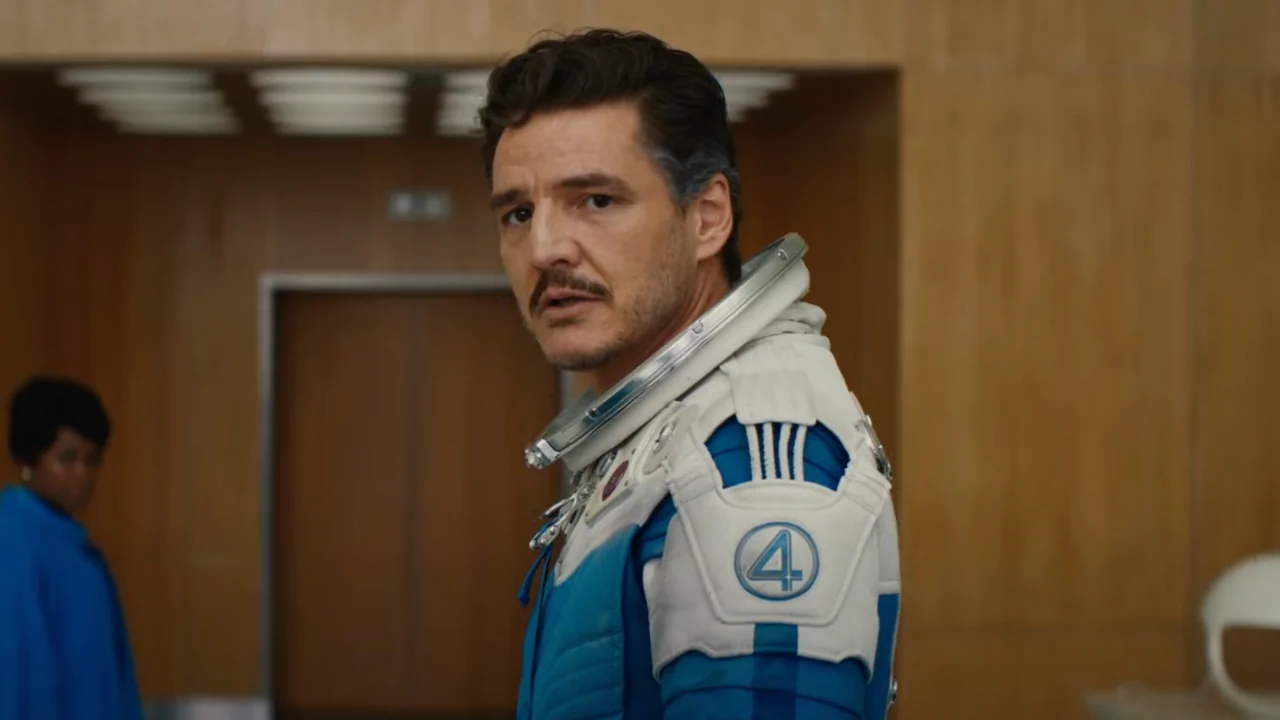
Pedro Pascal as Reed Richards in Fantastic Four: First Steps – YouTube, Marvel Entertainment
Take Marvel’s latest releases:
- Thunderbolts grossed $382.4 million worldwide. Disney’s share was only about $191 million — far less than its production and marketing costs combined.
- The Fantastic Four: First Steps made $507.8 million, which translated into about $254 million for Disney — again below its ballooning $250+ million production budget.
With budgets climbing after Endgame and audiences shrinking, the shortfall has become staggering. As Reid summarizes, over the past two years Disney’s Marvel division has lost an average of $619 million in takings per film.
A Dangerous Bet on Avengers: Doomsday
This financial nosedive is especially ominous given what’s next on Marvel’s calendar. The upcoming Avengers: Doomsday is set to feature an all-star cast — including the return of Robert Downey Jr. — and is rumored to be one of the most expensive films in history. Reid points out that Disney is banking on Doomsday to recapture Endgame’s magic, but warns that if fans didn’t bother with Thunderbolts or Fantastic Four, they may not care enough to follow the threads further.
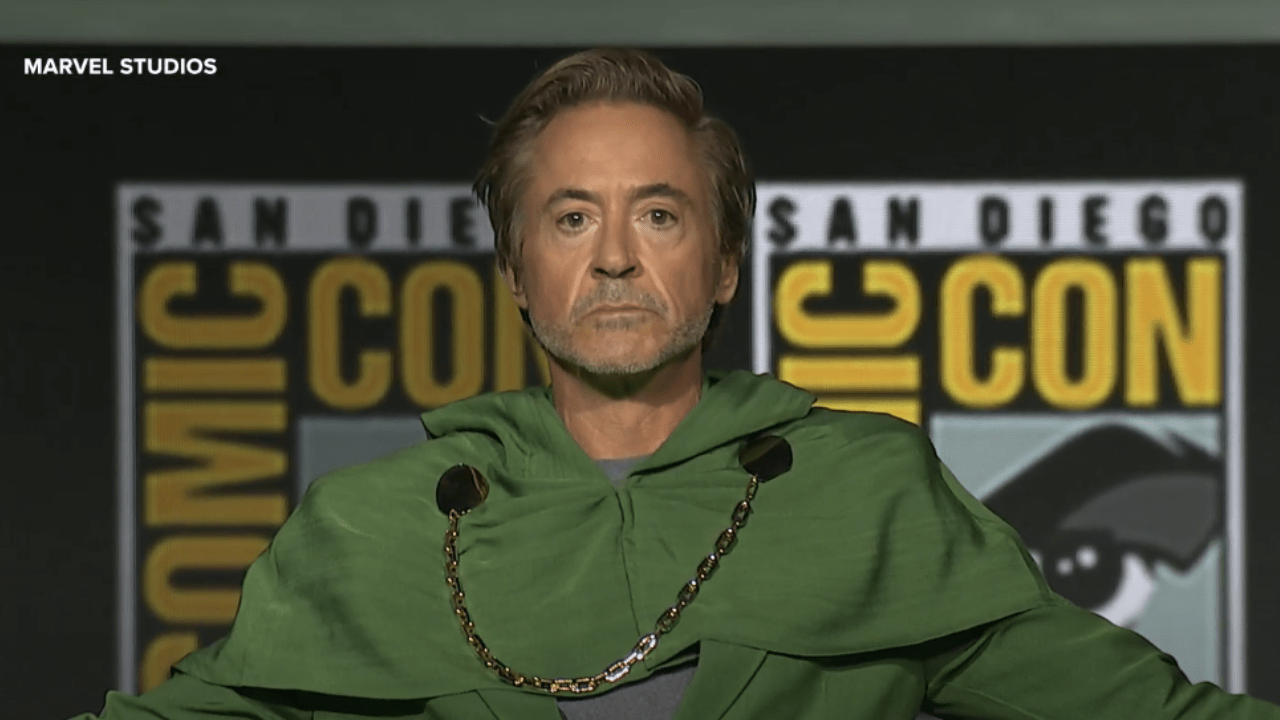
Robert Downey Jr. revealed to be Doctor Doom at Marvel Studios’ Hall H presentation at San Diego Comic-Con via OnTheRedCarpet YouTube
And if Doomsday fails, it won’t just be another box office disappointment — it could mark the most catastrophic financial loss in the history of the MCU and even the Walt Disney Company itself.
Conclusion
Caroline Reid’s reporting in Forbes pulls no punches: Marvel Studios has gone from the most reliable money machine in Hollywood to a financial sinkhole, with each of its recent movies losing hundreds of millions in takings.
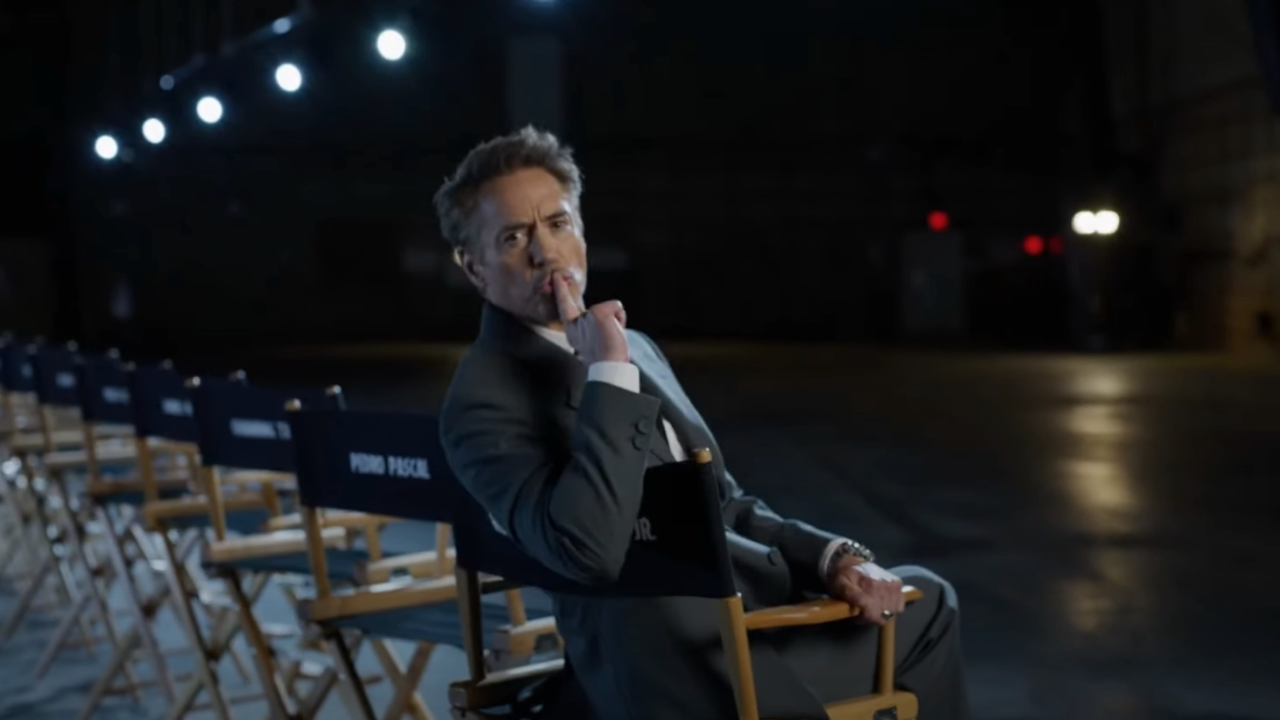
Robert Downey Jr. at the Avengers Doomsday cast reveal – YouTube, IGN
Disney CEO Bob Iger and Marvel chief Kevin Feige are promising a reset, smaller budgets, and fewer projects. But as Reid’s numbers show, the damage already done is immense — and the road back may be longer than Disney cares to admit.
How do you feel about Marvel and its box office performance? Sound off in the comments and let us know!
UP NEXT: Is Sweet Baby Inc. Involved With Insomniac’s Wolverine Game?
