



The DOJ just opened an antitrust investigation into NFL television and streaming deals. This probe, reported in early April 2026, focuses on whether the league’s media contracts drive up prices for consumers. It also investigates if it limits competition among providers. Government officials described this inquiry simply as, “This is about affordability for consumers and creating an even playing field for providers.”
Fans already know the pain. Watching a full slate of NFL games can easily cost hundreds of dollars or close to $1,000 a year when you add cable, satellite, and streaming bundles. I personally decided to end my support of the NFL via the DirecTV bundles years ago. Now out-of-market Sunday afternoon games often require the expensive Sunday Ticket package.
Worse yet, more and more live games shift behind paywalls on services like Amazon Prime, Peacock, or Netflix. In other words, the days of flipping on network TV for free local games feel like ancient history. This has been a very anti-consumer approach.
The NFL Built a Protected Empire
The foundation is the 1961 Sports Broadcasting Act. That law gave the NFL a limited antitrust exemption so teams could collectively sell national broadcast rights. It helped create the league’s massive media revenue machine—now worth tens of billions annually. The exemption let the NFL package games in ways that other businesses normally couldn’t without facing Sherman Act violations.

A clip from the NFL on YouTube – YouTube, NFL
Now critics say the league has stretched that protection too far. The shift toward exclusive streaming deals and bundled rights has left fans paying more for less choice. A 2024 federal jury in Los Angeles already ruled the NFL violated antitrust laws in how it distributed Sunday Ticket, though the verdict faced post-trial challenges. Now the DOJ is taking a broader look at the league’s overall media strategy.
The Government Pushback and Potential Remedies
The investigation comes as the NFL reopened media rights talks early, sparking concerns over massive price increases across the board. It also follows pressure from lawmakers, including Sen. Mike Lee, who urged regulators to examine soaring costs for fans. FCC Chairman Brendan Carr has separately questioned whether the rise of streaming has harmed viewers and suggested broadcast networks should get more flexibility to negotiate collectively.
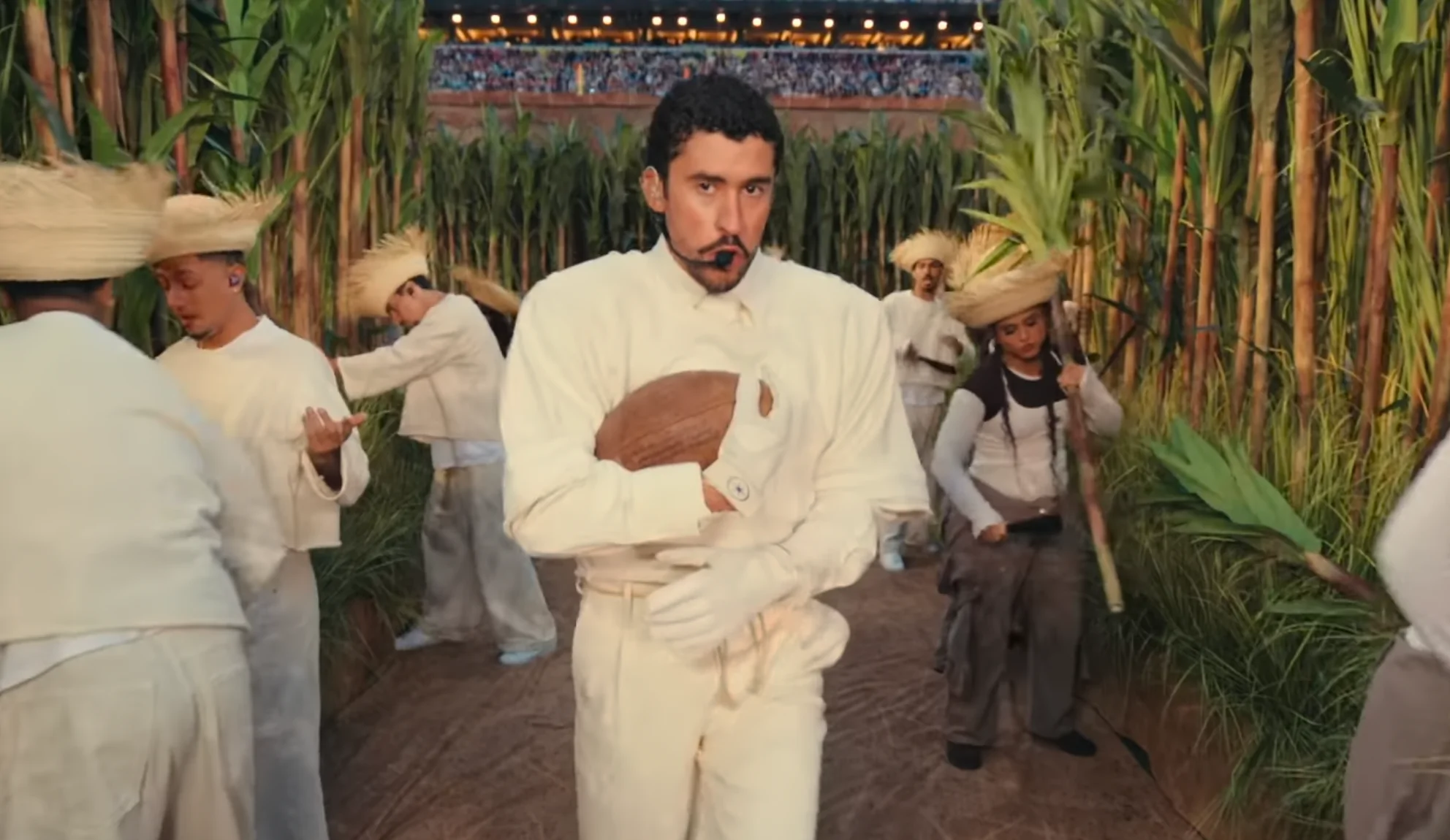
Bad Bunny performs at the Super Bowl Halftime Show – YouTube, NFL
If the DOJ finds anticompetitive behavior, remedies could include forcing changes to how rights are sold. This would be opening the door to more over-the-air broadcasts, or even pressuring Congress to narrow or repeal parts of the NFL’s antitrust exemption. That would be a game-changer. Without the full shield, the league might have to compete more like a normal business—potentially leading to wider distribution on free or basic channels instead of forcing fans into expensive subscriptions.
What Threats Could Spark Change
The NFL, like much of the entertainment business, chased maximum revenue through fragmented, paywalled distribution during the streaming boom. Fans got flooded with options that mostly required multiple logins and bigger bills. The same pattern shows up across Hollywood and media: overproduction, consolidation, and higher costs passed straight to consumers while insiders cash in.

A clip from the NFL on YouTube – YouTube, NFL
Threatening the antitrust exemptions could actually fix some of this for regular people. More free or basic-tier access to games would lower barriers, increase viewership, and force the league to prioritize broad appeal over niche pay-per-view profits. It could also shift focus back to ad supported games which would change commentary and culture of the league itself.
In The End Fans Win
When the dust settles from this DOJ probe, will the NFL be forced to give fans more breathing room with wider free distribution, or will it find new ways to protect its revenue machine? Could this be the start of real relief for consumers tired of subsidizing billion-dollar media empires, or just another round of Washington theater that ends with business as usual?
What do you think? Should the government push harder to bring back more free NFL games on broadcast TV? Does the league still deserve its protections? Is this a rare case where antitrust action could actually help everyday fans? Let us know your thoughts in the comments below.
UP NEXT: Australian Police Investigating Katy Perry Over Ruby Rose Accusations
