



The Duffer brothers are speaking out to defend the controversial Stranger Things scene where Will Byers comes out as gay. But coverage of these comments has become less about what the show’s creators actually said — and more about how entertainment media chose to frame it.
In a recent interview with Variety, Matt and Ross Duffer defended their creative decision to include Will Byers’ coming out scene in the penultimate episode of the series. While the creators spoke in measured, reflective terms about narrative intent and performance, Variety’s headline and narrative framing recast those comments as a confrontation with so-called “toxic fans,” inserting charged language about “review bombing” that does not originate from the Duffers themselves.
Variety’s Headline Sets the Tone
Variety published the interview under the headline:
“Stranger Things Creators Defend Will’s Coming Out Scene and Confront Toxic Fan Review Bombing: ‘The Ultimate F— You to Vecna’”
Before a single quote from Matt or Ross Duffer appears, the framing establishes several assertions as fact: that fan criticism constitutes “review bombing,” that it is “toxic,” and that the creators are actively “confronting” viewers.
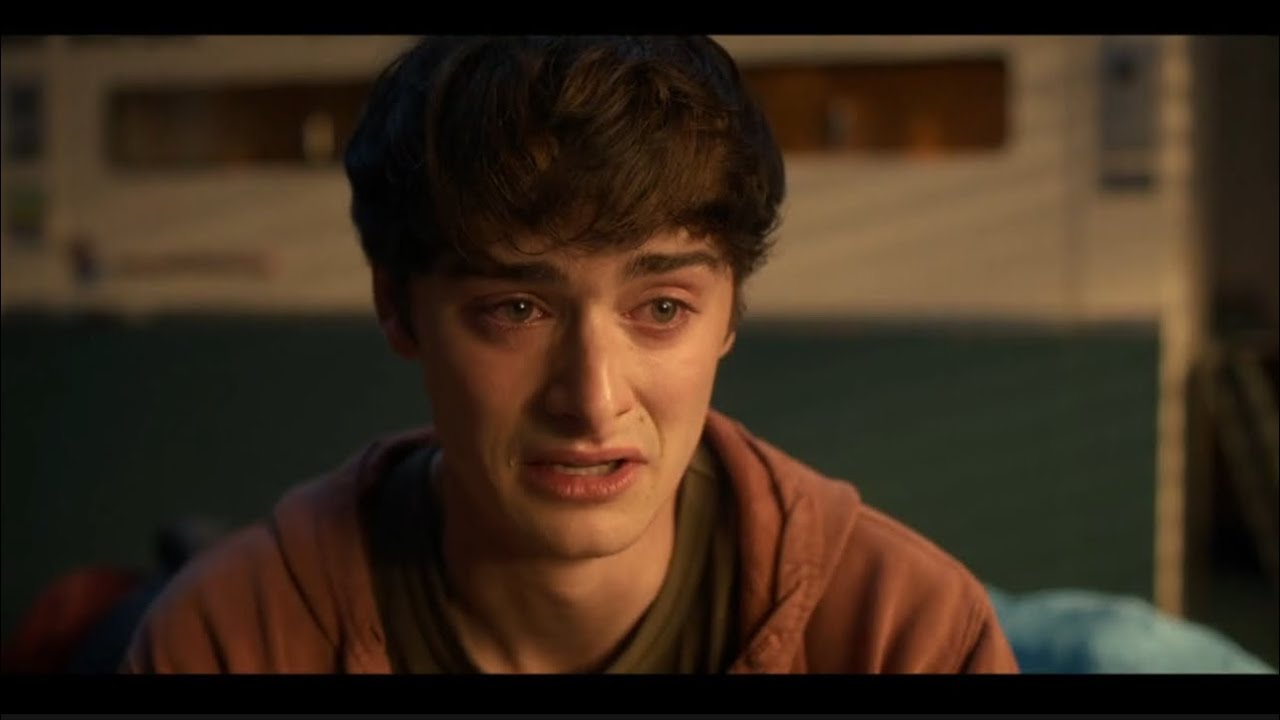
Noah Schnapp as Will Beyers in Stranger Things 5 – Netflix
Those descriptors are editorial choices by Variety — not language used by the Duffers to characterize their audience.
What the Duffers Actually Said
In their own words, the Duffer Brothers focused almost entirely on story structure, character development, and Noah Schnapp’s performance.
Ross Duffer explained the intent behind the moment.
“The coming out scene is something we’ve been building to for nine years now,” he said. “It was a really important scene for us, and a really important scene for Noah — not just from a thematic point of view, but also a narrative point of view.”
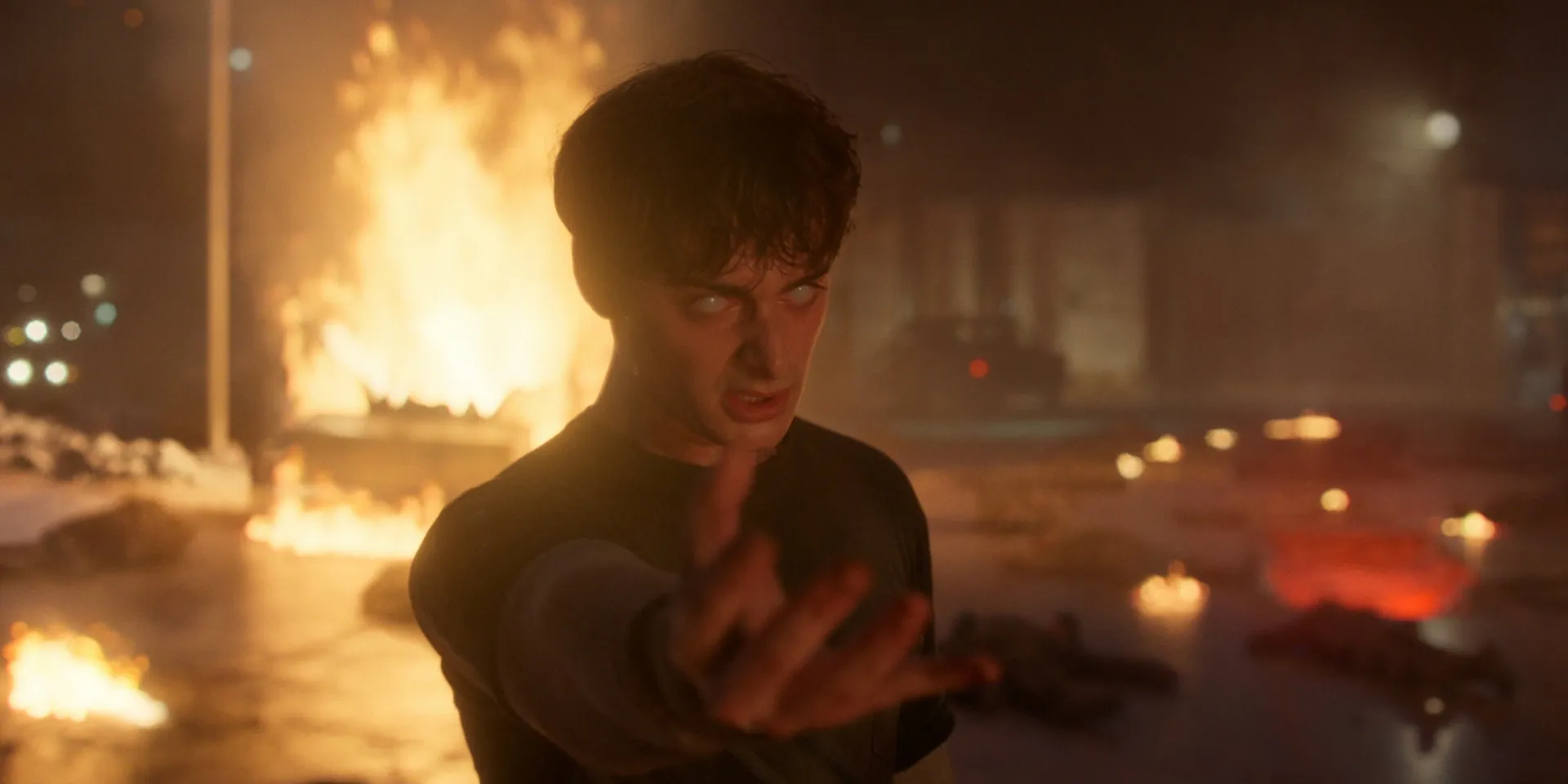
Noah Schnapp in an emotional moment as Will Beyers in Stranger Things 5 – Netflix
He went on to frame the scene within the show’s mythology, not as a cultural statement aimed at viewers:
“This show has always been about our characters overcoming evil… Vecna, in so many ways, represents all the dark thoughts and the evil of society,” he said. “And for our characters to overcome that, it really becomes about embracing themselves, and then also embracing one another.”
Matt Duffer echoed that sentiment, describing Will’s arc as foundational to the season’s structure.
“The scene was the final step in Will’s journey, and Will is, in so many ways, the key to defeating Vecna,” he said.
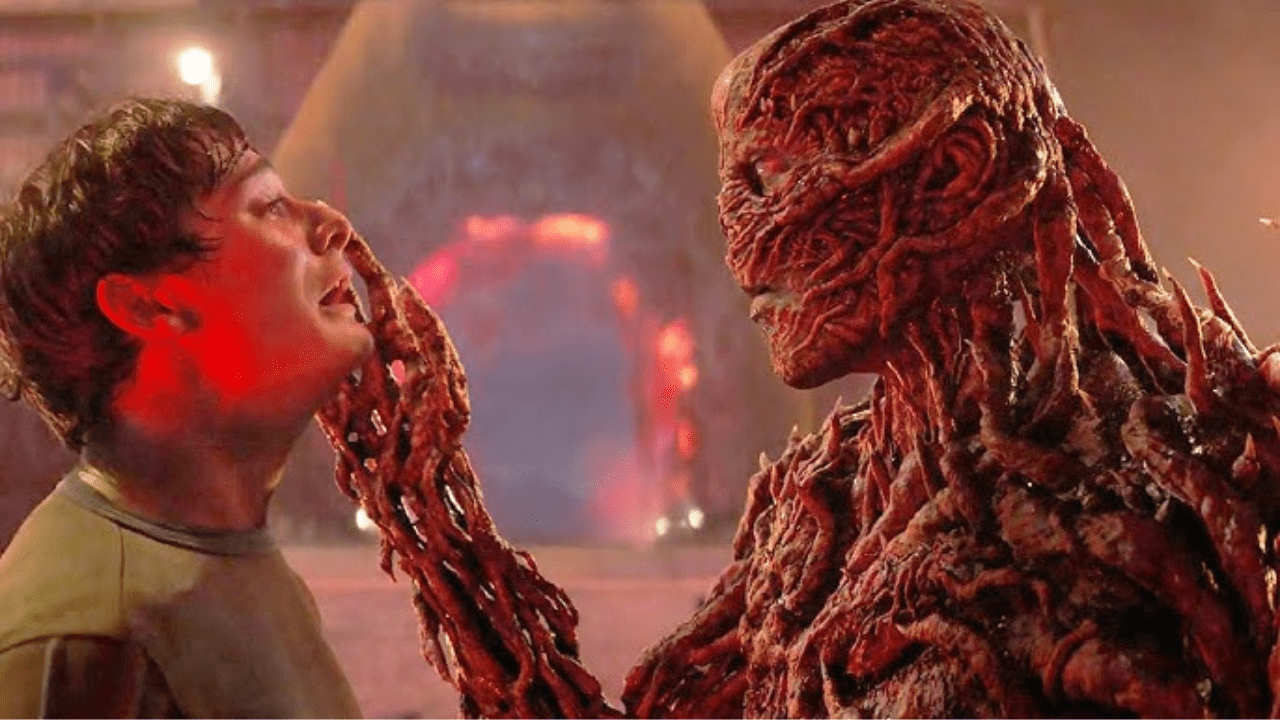
Vecna confronts Will in Stranger Things 5 – Netflix
Whether you agree with their comments or not, one has to immediately note that this is not the thrown gauntlet defiant brawl with the fanbase Variety is framing it as.
“The Ultimate F— You to Vecna” — Not the Audience
One of Variety’s most prominent framing choices centers on Matt Duffer’s remark that the scene was: “Really the ultimate f— you to Vecna. That was the intention.”

Will and Vecna in Stranger Things 5 – Netflix
In context, the quote is explicitly about the villain, not fans, critics, or viewers who disliked the scene. However, Variety elevates the line into a headline framed around “confronting toxic fan review bombing,” effectively redirecting the quote’s target away from the fictional antagonist and toward the audience.
Pride in the Performance, Not Condemnation of Viewers
When addressing the backlash, the Duffers repeatedly emphasized their pride in Schnapp rather than hostility toward critics.
Ross Duffer stated: “We’re proud of the episode, and we’re proud of the scene, and proud of Noah, who gave a really brave, very vulnerable performance.”
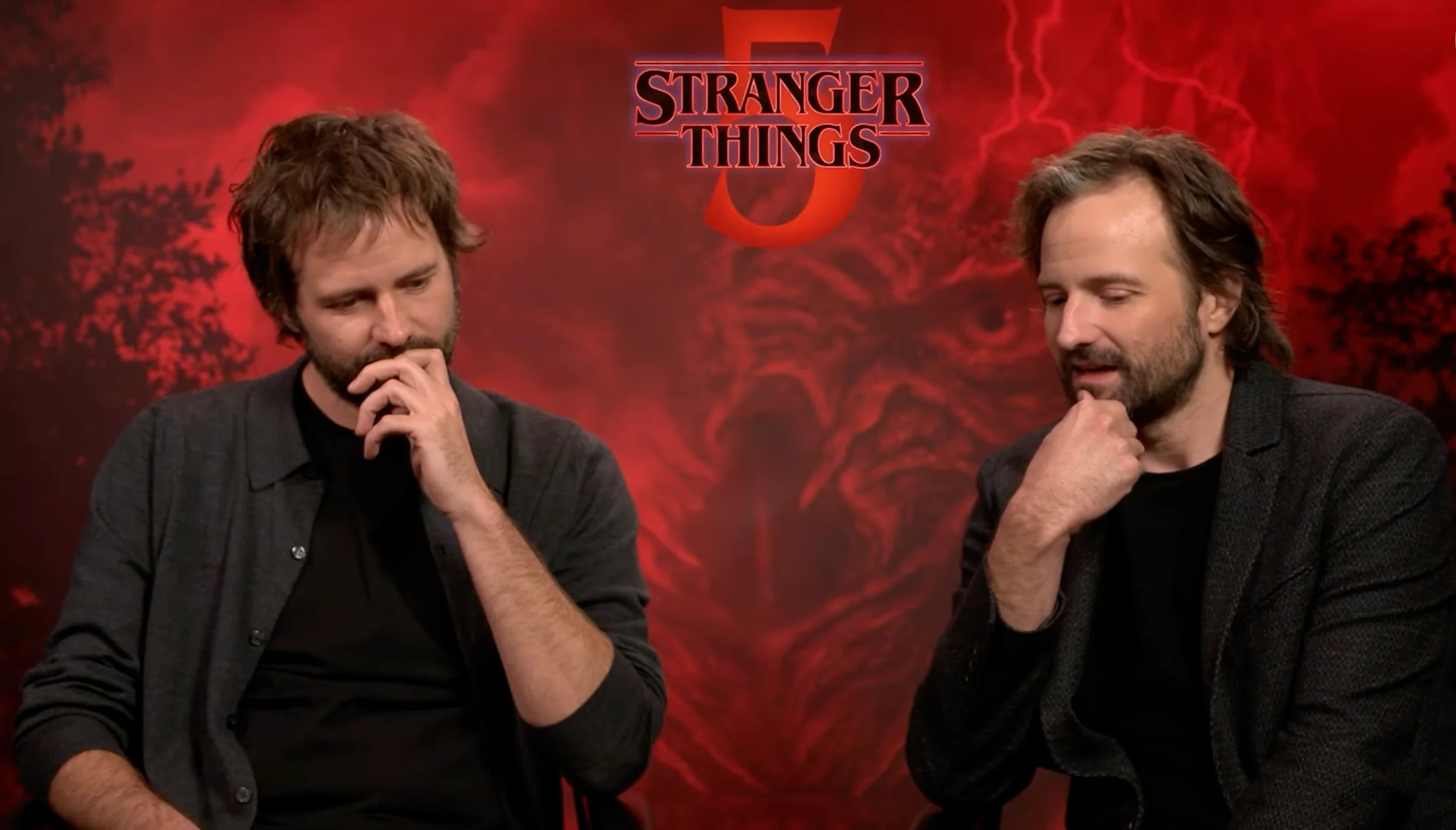
The Duffers in an interview for Stranger Things 5 – YouTube, CBR Presents
Matt Duffer similarly stressed that their priority was the actor’s comfort.
“Our goal was to make sure that he was comfortable and happy with the scene,” he said. “And when he was, we felt good about it.”
These remarks are defensive of a creative choice and protective of a performer — not accusatory toward the audience.
Where Variety’s Framing Goes Further
Variety’s narrative voice repeatedly inserts loaded language that does not appear as unsolicited condemnation from the Duffers.
For example, the article states: “But still, even in 2025, the online hate surprised them.”
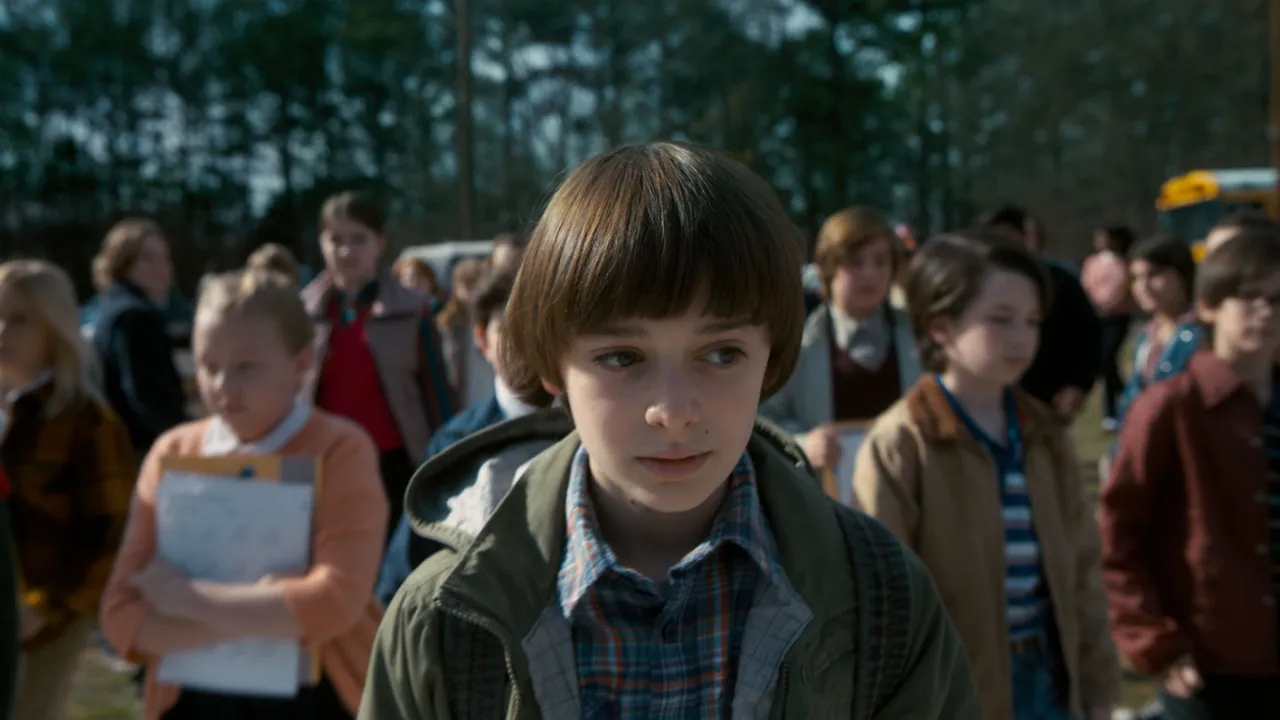
Noah Schnapp Plays Will Beyers in Stranger Things – Netflix
Later, Matt Duffer responds to a directly framed question.
“No is the honest truth,” he says when asked whether he’d anticipated the “homophobic backlash.”
Notably, the term “homophobic backlash” is introduced by the interviewer, not volunteered by the creators. The distinction matters: answering a question that presupposes motive is not the same as asserting that motive independently.
Audience Scores and Criticism
Variety reports that following the episode, Season 5’s Rotten Tomatoes audience score dropped to 56%, with Episode 7 (“The Bridge”) becoming the lowest-rated episode of the series at 5.6/10 based on roughly 96,000 reviews.
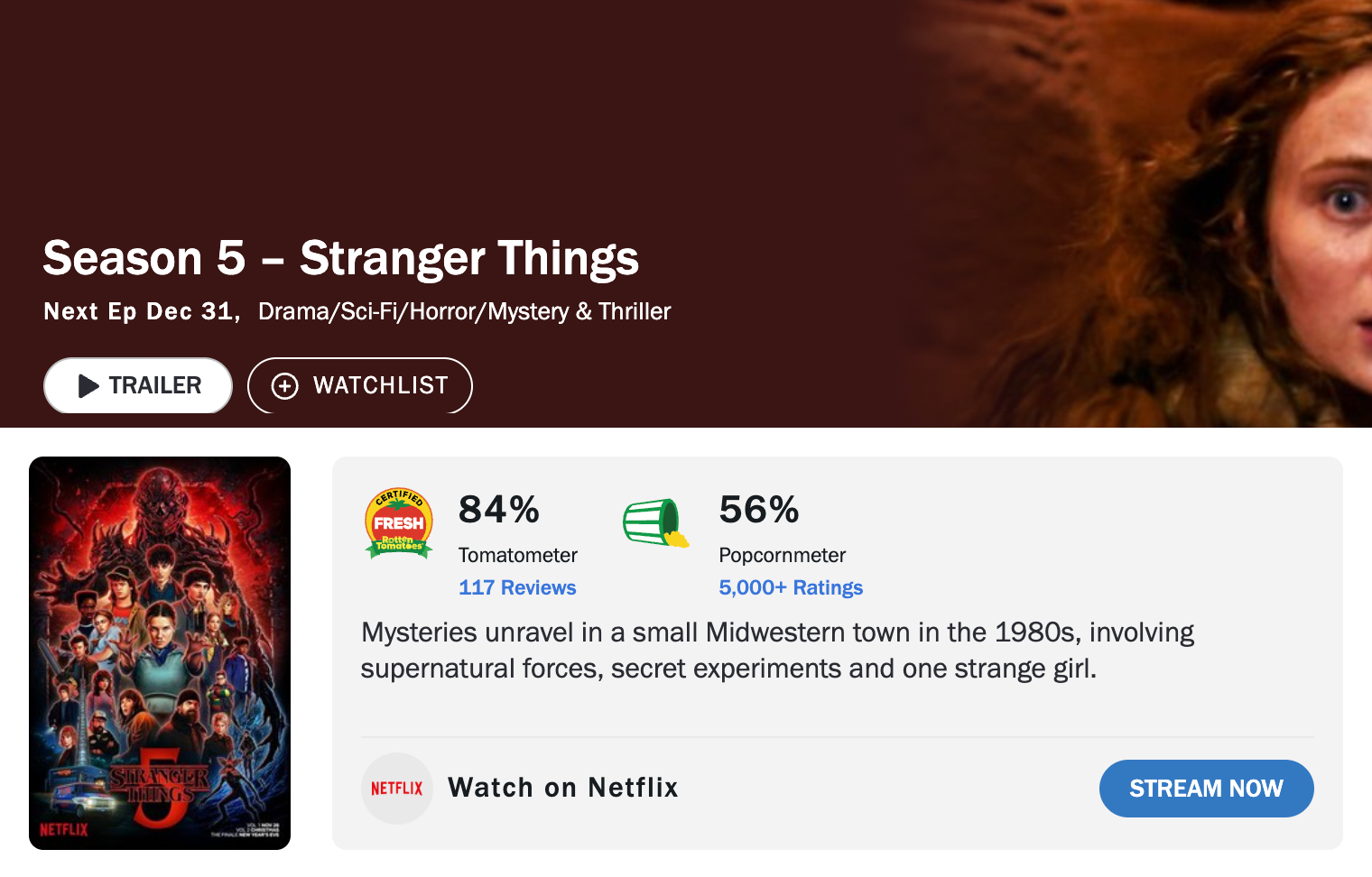
Review scores for Stranger Things Season 5 on December 29, 2025 – Rotten Tomatoes
However, the article treats the volume of negative response as evidence of “review bombing,” rather than acknowledging that heightened engagement often accompanies controversial storytelling choices — especially in a series finale.
A Framing Problem, Not a Creator-Fan War
The Duffers’ comments, taken on their own, amount to a straightforward defense of narrative intent and a strong endorsement of an actor’s work. The escalation — framing the exchange as a clash with “toxic fans” — comes from Variety’s headline and narrative structure, not from the creators themselves.
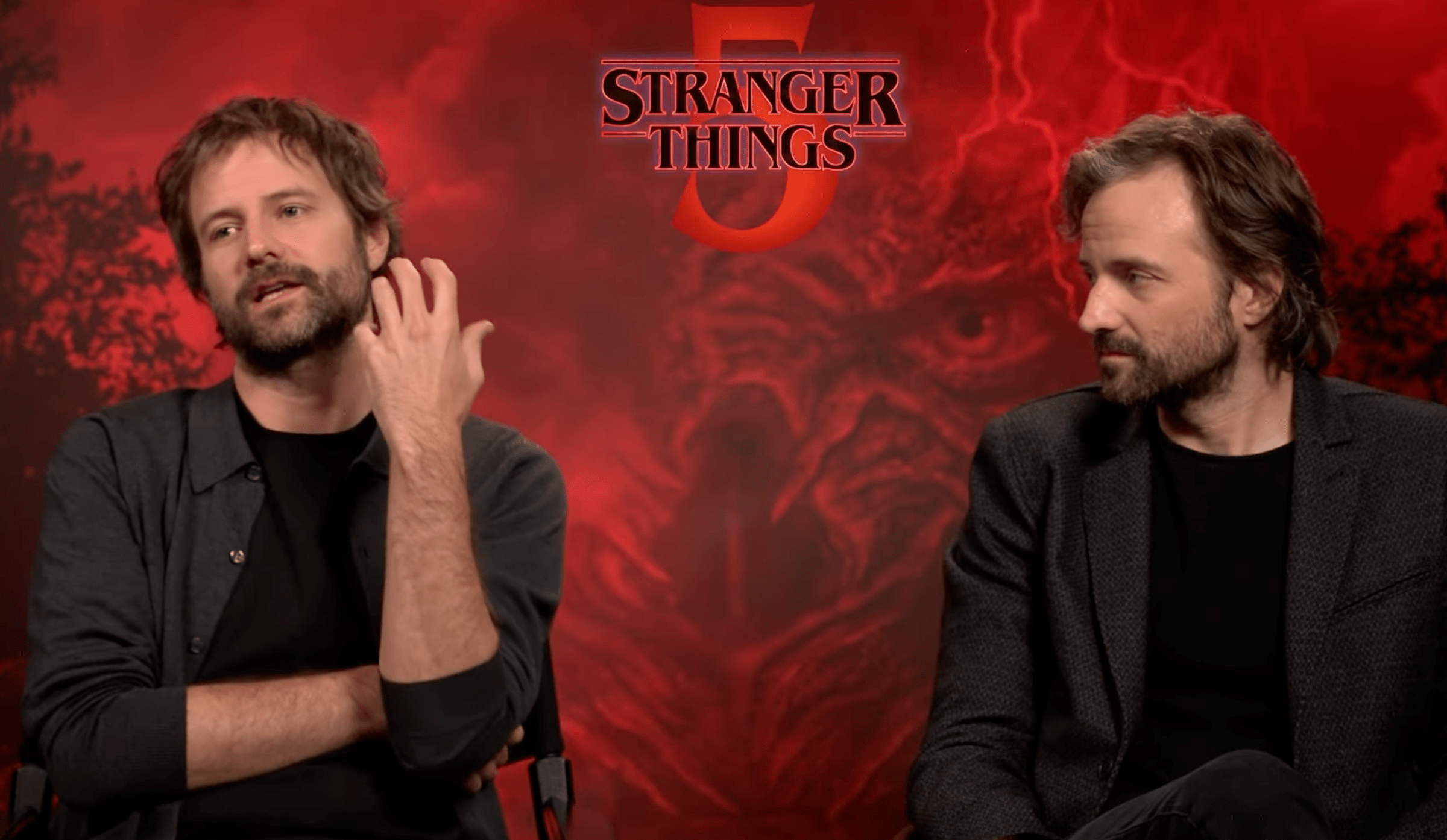
The Duffer Brothers speaking about Stranger Things 5 – YouTube, CBR Presents
In the debate over the Will scene, the sharpest rhetoric does not come from the Duffers. It comes from the trade press interpreting their words through a preexisting lens — one that treats audience dissent less as disagreement and more as misconduct.
That distinction is at the heart of the controversy — and it’s one Variety’s framing largely glosses over.
Do you think Variety was twisting the Duffers’ words about the controversial Stranger Things Will scene? Sound off in the comments and let us know!
UP NEXT: LGBTQ Content Appears in Nearly Half of Netflix Kids’ Shows, New Study Finds
