


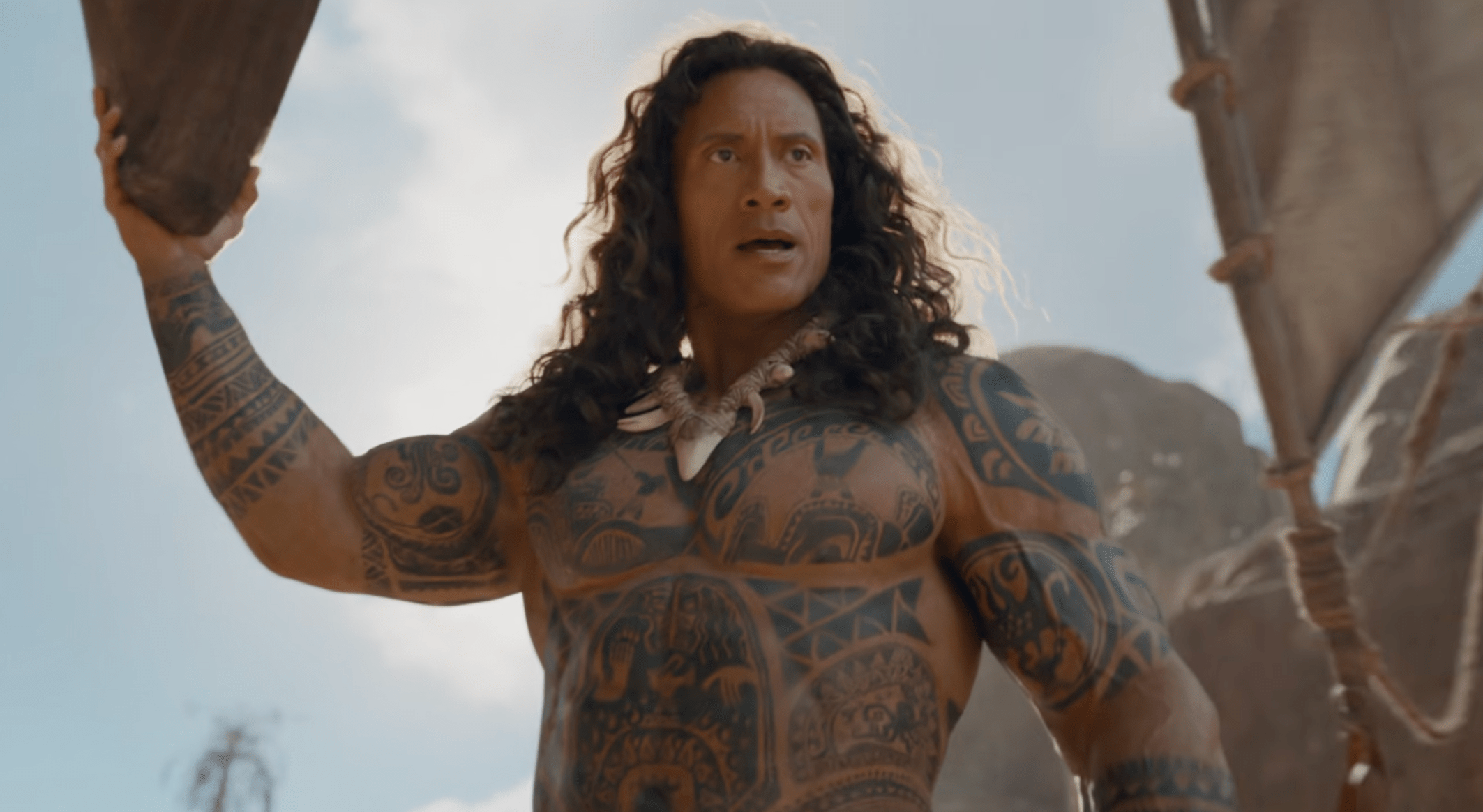
Dwayne “The Rock” Johnson is once again at the center of a cultural conversation, this time over what he calls “real masculinity,” a definition that is already raising eyebrows among fans who feel Hollywood continues to move further away from traditional male archetypes.
Speaking at CinemaCon while promoting Disney’s live-action Moana, Johnson made it clear how he views the role of men in modern storytelling.
“All men of all ages, we should empower and support and champion all women,” he said. “That’s what real masculinity looks like.”
The comment, delivered while introducing the film’s female lead, is being framed by many as part of a broader industry trend—one that repositions masculinity away from traditional traits like stoicism, strength, and protection, and toward a more supportive, secondary role.
A Shift in the Definition of Masculinity
Dwayne “The Rock” Johnson’s remarks on masculinity were paired with a clear emphasis on Moana as a female-driven story.
“The hero of our story is not a princess, she’s a warrior,” Johnson claimed.
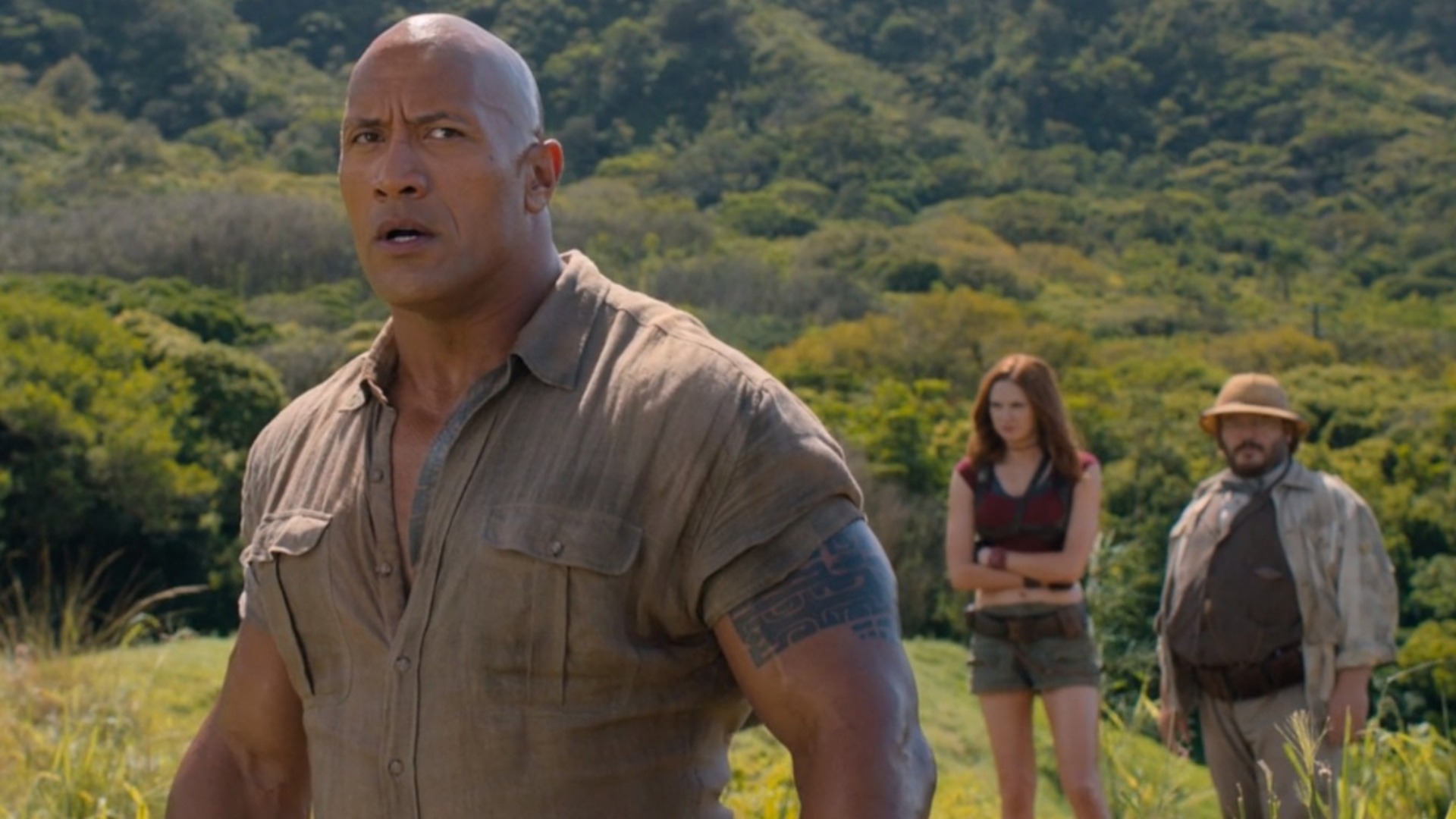
The Rock, Karen Gillian, and Jack Black in Jumanji – Sony
READ: New Details Announced for ‘Godzilla Minus Zero’ as Teaser Trailer Released
There’s nothing inherently controversial about highlighting a strong female lead. Hollywood has done that for decades. But what’s different now—and what continues to spark backlash—is the way male roles are increasingly reframed in contrast.
Instead of standing alongside female heroes as equals, male characters are often positioned as guides, supporters, or even obstacles to be overcome. Johnson himself described his character Maui as someone there to “guide and empower” Moana, reinforcing that shift.
That may play well in a press room. It’s a different story when audiences start deciding what they actually want to watch.
The Disappearance of Traditional Male Heroes
For generations, Hollywood built its biggest icons around a very different idea of masculinity than the one The Rock is peddling. Actors like Arnold Schwarzenegger and Sylvester Stallone weren’t just action stars—they were cultural symbols of toughness, resilience, and sacrifice.
Those characters didn’t exist to step aside. They existed to lead.

Sylvester Stallone as Rocky Balboa in a promotional image for Rocky IV – MGM/UA Entertainment
Today, that model is increasingly treated as outdated, if not outright undesirable. The modern framing often suggests that traditional masculinity needs to be softened, reinterpreted, or replaced entirely lest it be framed as “toxic.”
Johnson’s comments fit neatly into that evolving narrative which appears to claim that the only real masculinity in Hollywood is feminism. Whether intentionally or not, they echo a message that has become increasingly common across major studios: masculinity isn’t about strength or dominance—it’s about stepping back.
Box Office Reality Tells a Different Story
The problem for Hollywood is that audiences haven’t consistently embraced that shift.
Recent female-led action films built on traditionally male-driven franchises have struggled to gain traction. While each project has its own circumstances, the broader pattern has been hard to ignore. When legacy brands pivot too aggressively away from what made them popular in the first place, audiences tend to notice—and respond accordingly.
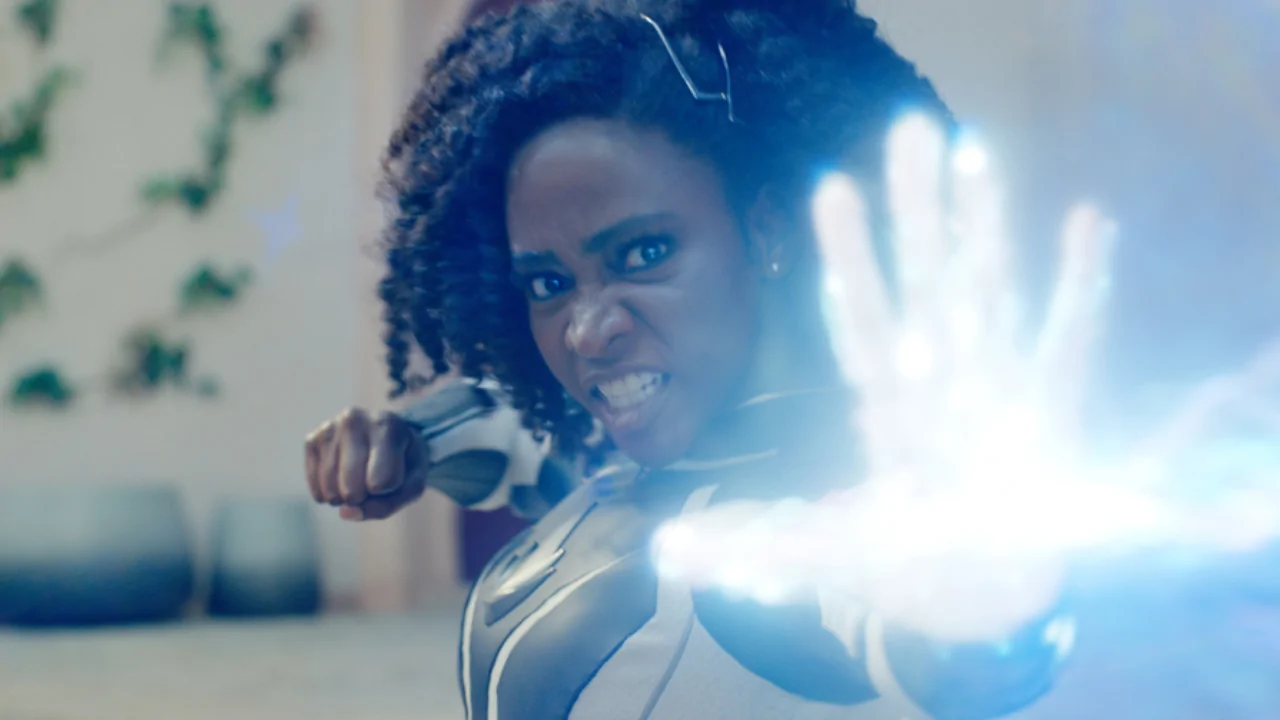
Teyonah Parris as Captain Monica Rambeau in Marvel Studios’ THE MARVELS. Photo courtesy of Marvel Studios. © 2023 MARVEL.
READ: Pedro Pascal Signs Paramount Merger Opposition Letter as Activism Becomes Central to His Brand
At the same time, films that lean into more traditional heroic frameworks—regardless of whether they feature male or female leads—continue to find success when they focus on compelling storytelling rather than messaging.
Hollywood Keeps Pushing—Audiences Keep Deciding
Johnson’s comments are unlikely to change the industry’s trajectory. If anything, they reinforce it.
Studios have made it clear they’re committed to redefining long-standing archetypes, including masculinity itself. The question is whether audiences will continue to go along with that vision.
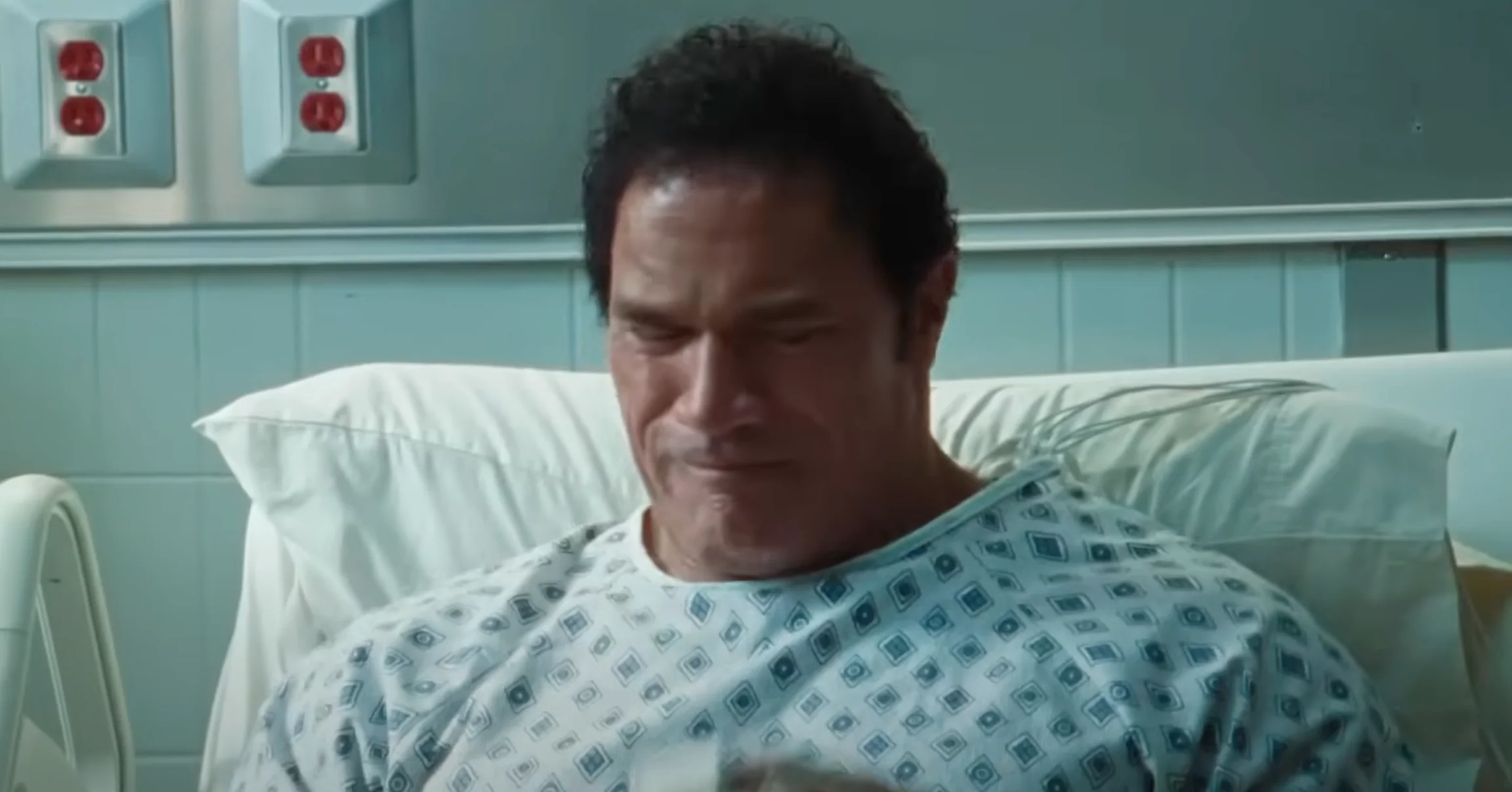
The Rock crying in the Smashing Machine – Youtube, A24
Because while Hollywood can promote a new definition of masculinity from the stage at CinemaCon, the final verdict doesn’t come from critics or industry insiders.
It comes from ticket buyers.
And lately, that response has been far more mixed than the messaging might suggest.
How do you feel about Dwayne “The Rock” Johnson’s comments on masculinity? Sound off in the comments and let us know!
UP NEXT: Mark Ruffalo Rails Against Paramount WB Merger in Front of U.S. Senate
