



Electronic Arts CEO Andrew Wilson has finally addressed the disaster that is Dragon Age: The Veilguard, but his response was as out-of-touch as one might expect. Instead of acknowledging the real reasons the game failed—shoddy gameplay, a narrative that betrayed the franchise’s roots, and an overbearing focus on identity politics—Wilson has instead blamed a lack of live service elements for the game’s commercial flop.
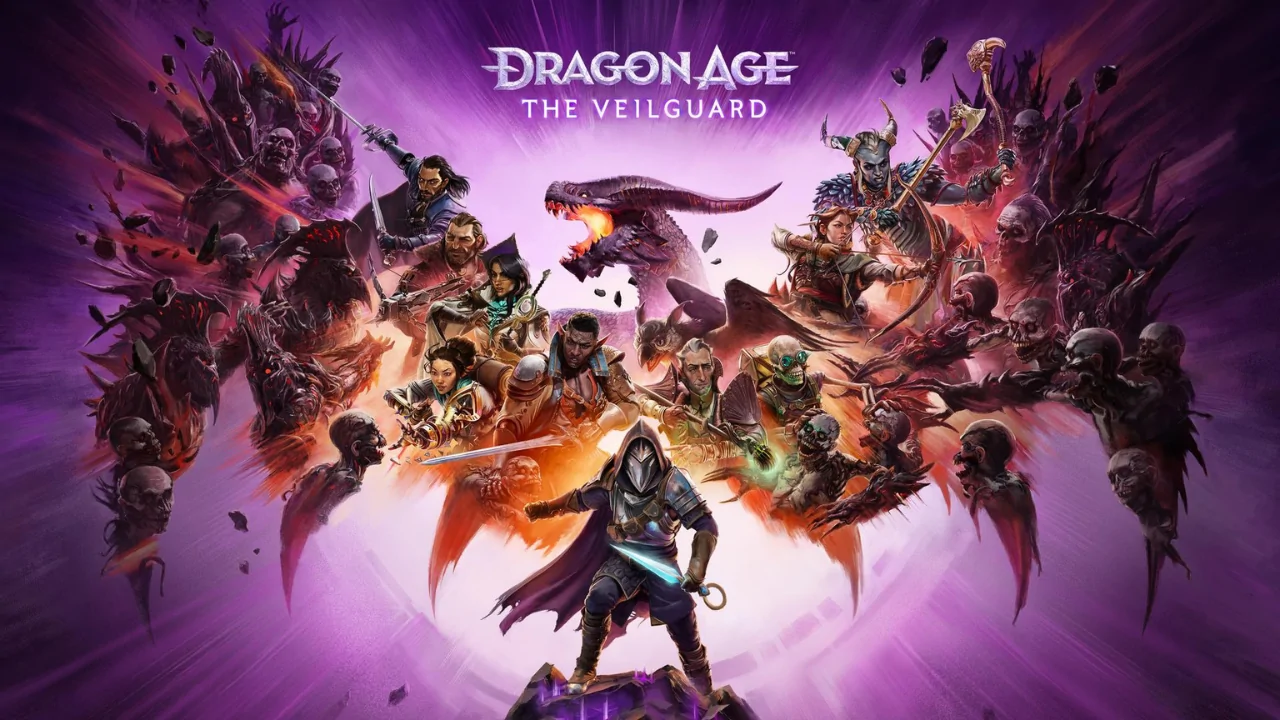
Key art for Dragon Age: The Veilguard (2024), BioWare
READ: BioWare Down to Less Than 100 Employees After Mass Layoffs Decimate Dragon Age: The Veilguard Studio
During EA’s Q3 2025 Earnings Conference Call, Wilson lamented the company’s financial struggles, pointing to the underperformance of both EA Sports FC and The Veilguard. He admitted that The Veilguard “engaged” around 1.5 million players, a number that fell short by nearly 50% of EA’s expectations. However, Wilson never actually said that it “sold” 1.5 million copies—just that the game “engaged” that many players, a critical distinction that suggests EA is playing with its numbers and leaning on subscription services to soften the blow.
Instead of confronting the real reasons for The Veilguard’s failure, Wilson is shifting the blame to a supposed lack of “shared-world features” and “deeper engagement” mechanics—corporate speak for “this game should have been a live service cash grab” instead of a single-player RPG.
But live service elements don’t automatically make a success. In just the last year alone two high-profile live-service games that leaned as heavily into identity politics as Veilguard failed in spectacular fashion. Both Suicide Squad: Kill the Justice League and Concord crashed and burned despite leaning into those “shared world features” Wilson believes would have salvaged Veilguard.

A screenshot from Dragon Age: The Veilguard (2024), BioWare
It’s no mystery why Dragon Age: The Veilguard flopped—it wasn’t because it lacked live service mechanics, but because, as many have pointed out, it was a fundamentally broken game that alienated the franchise’s core audience. Fans were furious over its low-quality gameplay, generic art direction, and writing that felt more like an ideological lecture than a compelling fantasy narrative.
Under the leadership of Corinne Busche and John Epler, The Veilguard abandoned what made Dragon Age special in the first place. The deep, player-driven storytelling and morally complex characters that defined previous entries were replaced with shallow, preachy writing and a focus on gender ideology over actual worldbuilding. The backlash was immediate, with thousands of returns flooding retailers and GameStop slashing its price from $69.99 to $24.99 in less than four months.
The game’s trade-in value was gutted to $22 almost immediately, a sign that players weren’t just dissatisfied—they were actively rejecting the game in droves.
Instead of acknowledging this, Wilson doubles down on the idea that the game would have been better if it had live service elements, ignoring the fact that BioWare’s attempts at live service in the past—Anthem, anyone?—have been some of the biggest disasters in modern gaming.

A screenshot from Dragon Age: The Veilguard (2024), BioWare
Ironically, The Veilguard did start as a live service game, as admitted by its own co-directors, Busche and Epler. They eventually pivoted away from this model to make it a single-player experience, with Busche claiming both BioWare and EA supported the decision.
Now, Wilson is saying that the shift away from live service was a mistake. This directly contradicts BioWare’s previous messaging that EA was onboard with the pivot, making it clear that EA is now scrambling to cover for the game’s commercial failure by pinning it on a lack of microtransactions and multiplayer mechanics.
BioWare’s recent mass layoffs tell the real story. The developer is now down to fewer than 100 employees, a skeleton crew compared to its peak when the studio employed over 400 developers. The failure of The Veilguard led to massive layoffs and the permanent relocation of many employees to other EA studios.
EA’s financial problems are mounting, and The Veilguard’s failure is only part of the story. The company’s stock plummeted nearly 20% in the wake of the game’s underperformance, and investors are rightfully skeptical of EA’s leadership.
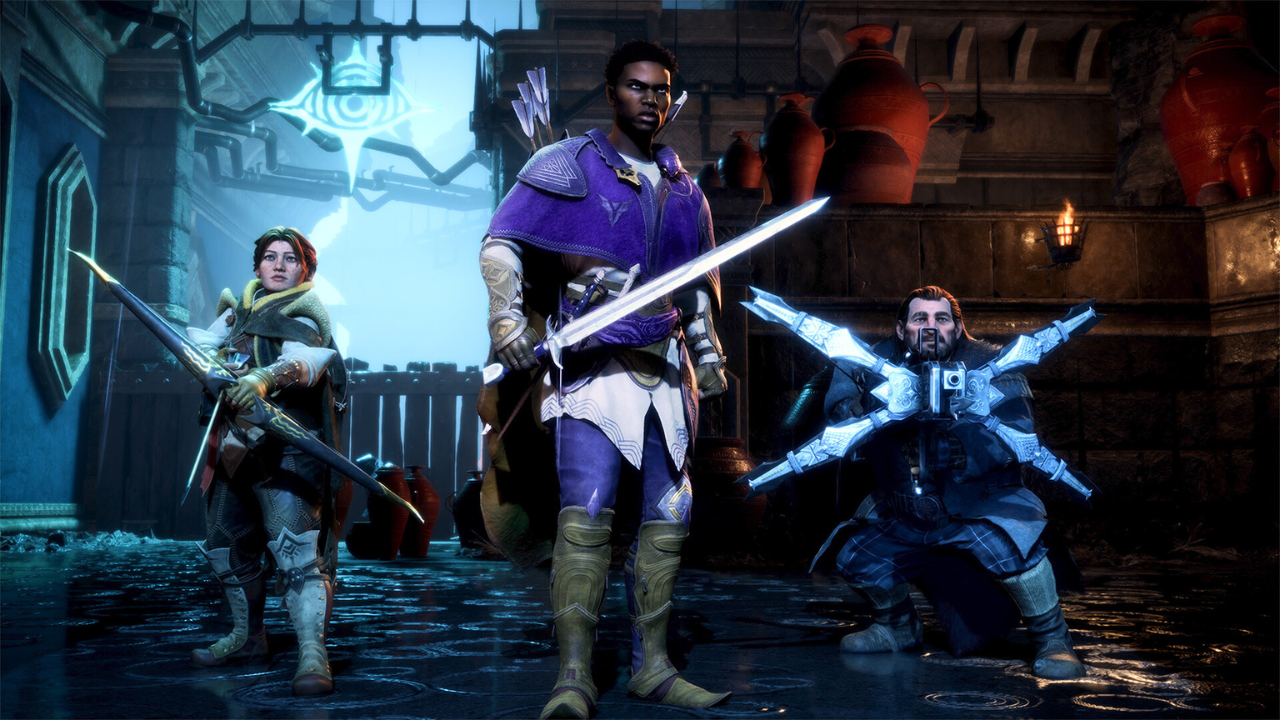
A screenshot from Dragon Age: The Veilguard (2024), BioWare
Wilson’s comments make one thing abundantly clear: EA refuses to learn from its mistakes. Instead of recognizing that poor writing, weak gameplay, and forced ideological messaging killed The Veilguard, Wilson is doubling down on corporate nonsense about how the game should have had more “engagement” and “shared-world features.”
The reality is simple: fans didn’t reject Dragon Age: The Veilguard because it wasn’t a live service game. They rejected it because it was bad. But instead of taking responsibility, Wilson is spinning a narrative that sets up BioWare’s future to be yet another disaster—one that, if the next Mass Effect doesn’t deliver, may be the final nail in the coffin for the once-great studio.
What’re your thoughts on the EA CEO claiming Dragon Age would have succeeded as a live service game? Sound off in the comments below and let us know!
