


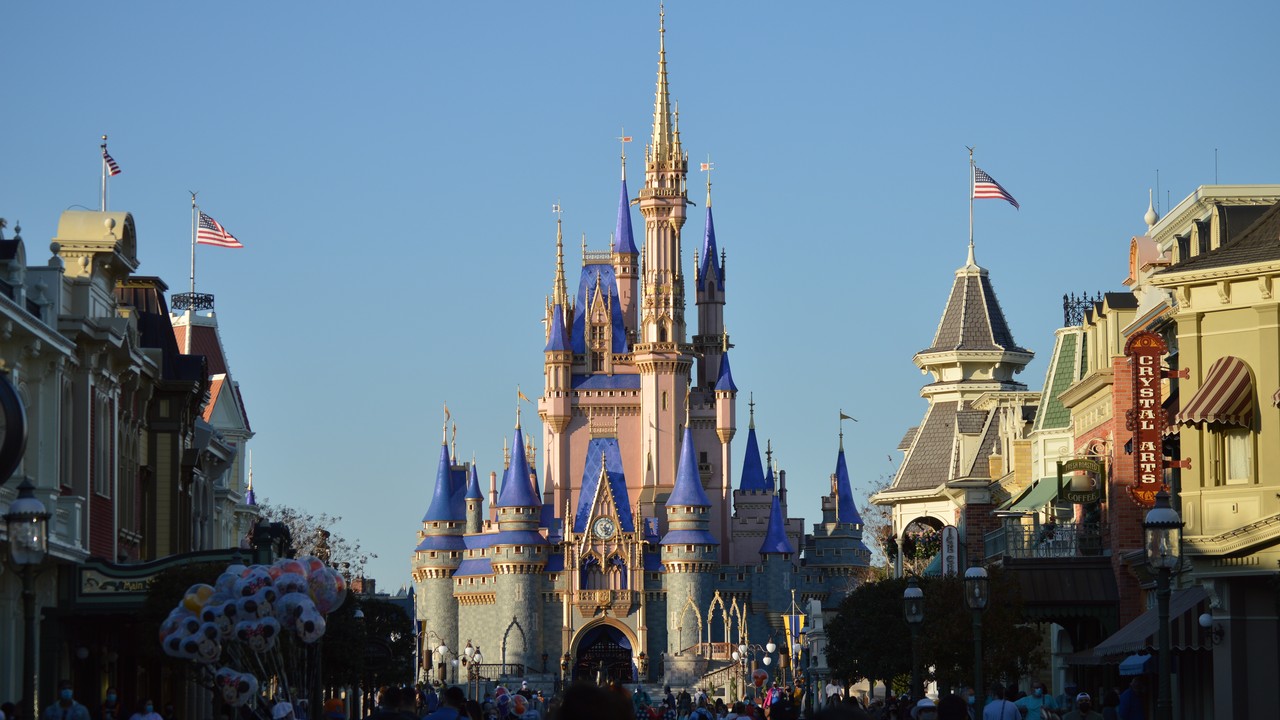
Magic Kingdom kept the top spot on the planet in 2025, and Universal’s newest Orlando park posted a partial year that already sits near 4 million visits, according to the TEA Global Experience Index rundown from Attractions Magazine.
The world’s top 25 theme parks logged about 245.4 million visits, down 0.2% from 2024. Magic Kingdom led with 17.8 million visits, a 0.2% dip, while Disneyland followed at 17.4 million with a 0.4% gain. Tokyo Disneyland, Shanghai Disneyland, and Universal Studios Japan also held upper-tier slots as Disney operated or licensed a dozen parks on the worldwide list.
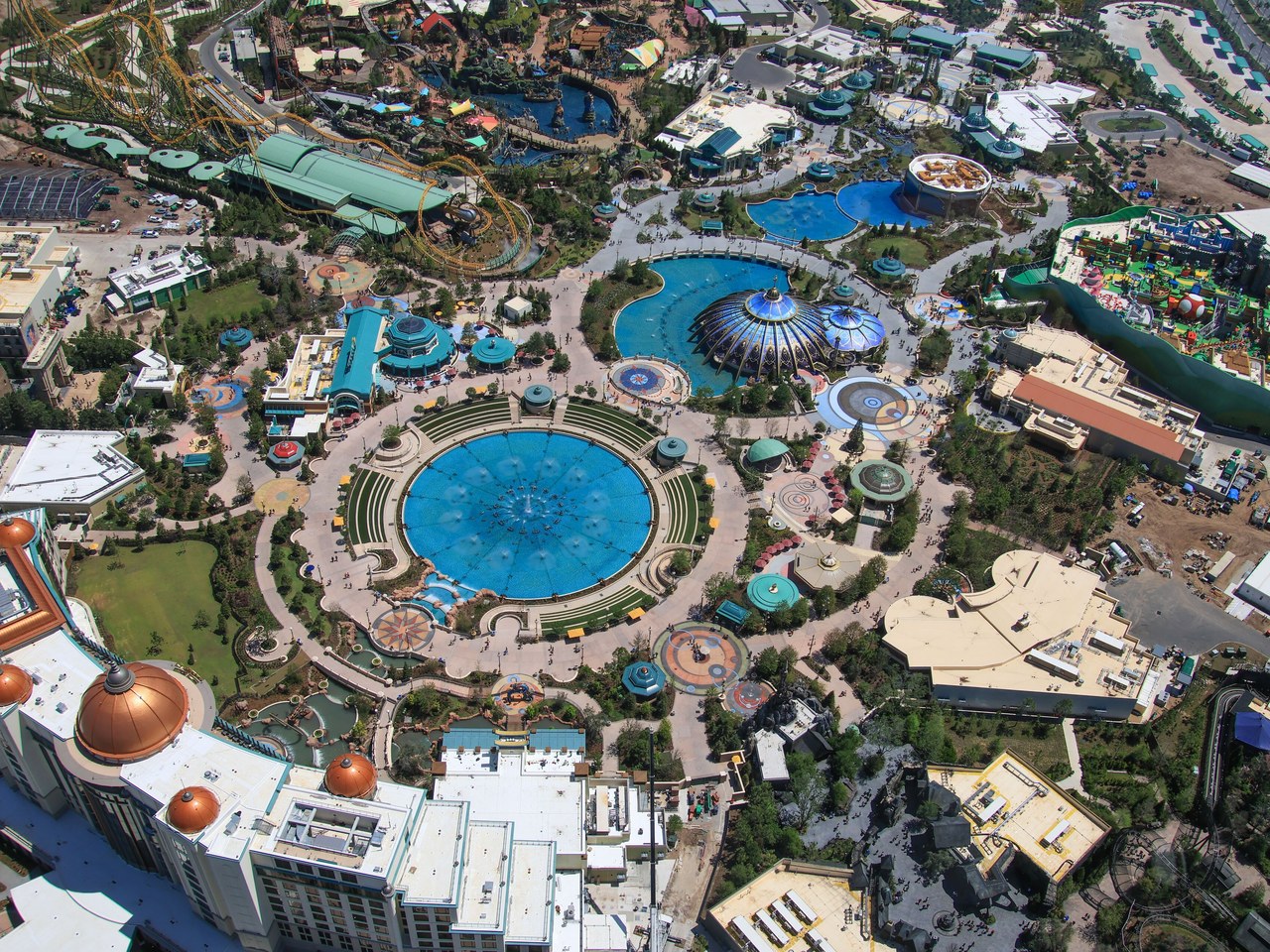
Epic Universe opened May 22, 2025, and finished the year with an estimated 4 million visits, good for No. 13 among North American theme parks. That figure covers a partial operating year, which matters when you stack it against parks that ran all 12 months.
Universal Studios Florida fell 2.1% to 9.3 million, Islands of Adventure dropped 2.6% to 9.2 million, and Universal Studios Hollywood slid 8% to 8 million. Even with those slips, Universal Orlando’s three parks combined for about 22.5 million visits, up roughly 3.55 million from the two-park total in 2024.
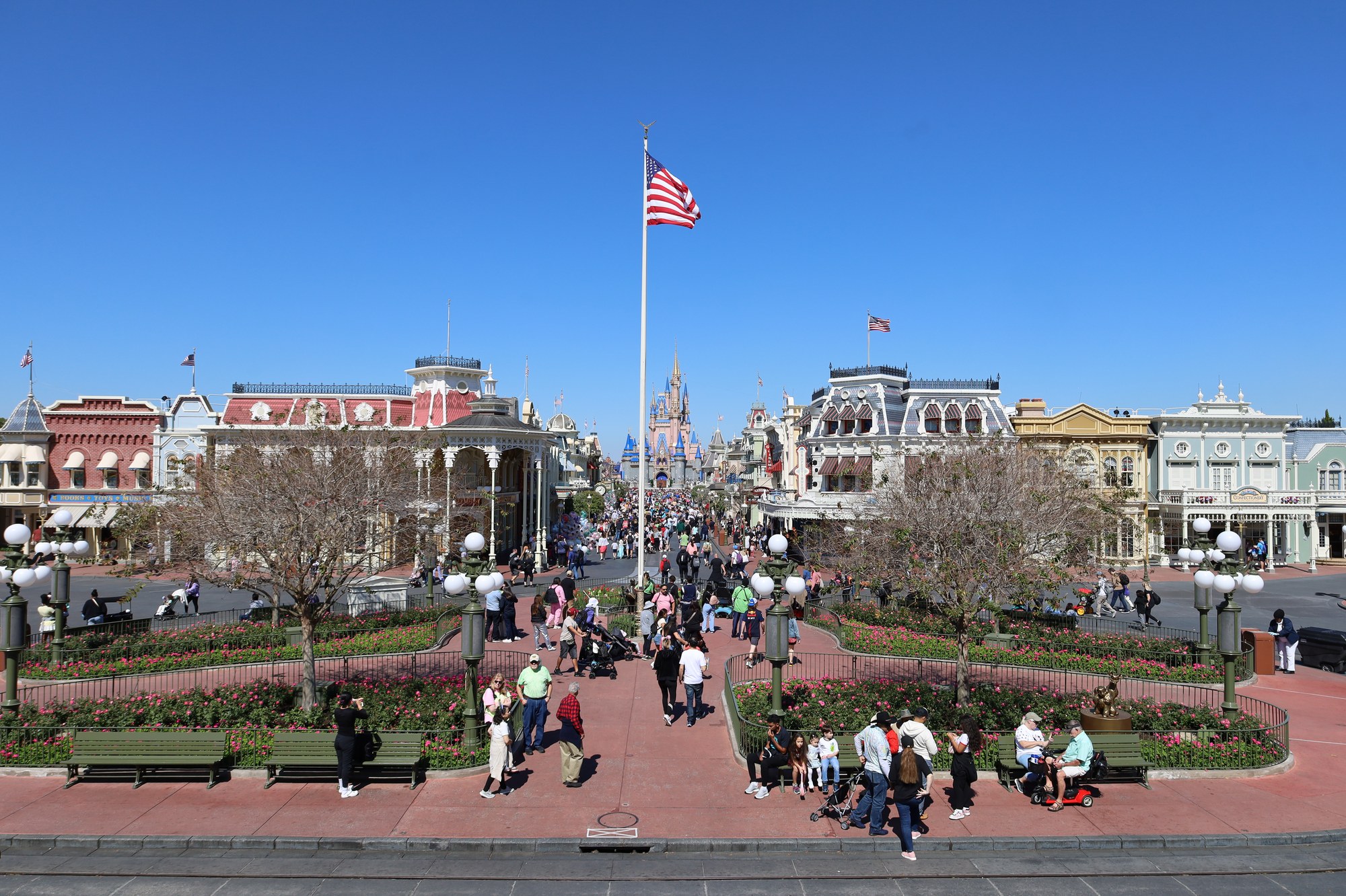
Walt Disney World’s four parks moved almost in lockstep. Magic Kingdom, Epcot, Hollywood Studios, and Animal Kingdom each posted about a 0.2% decline, and the combined WDW total landed at 49,003,000 visits, only 99,000 behind 2024.
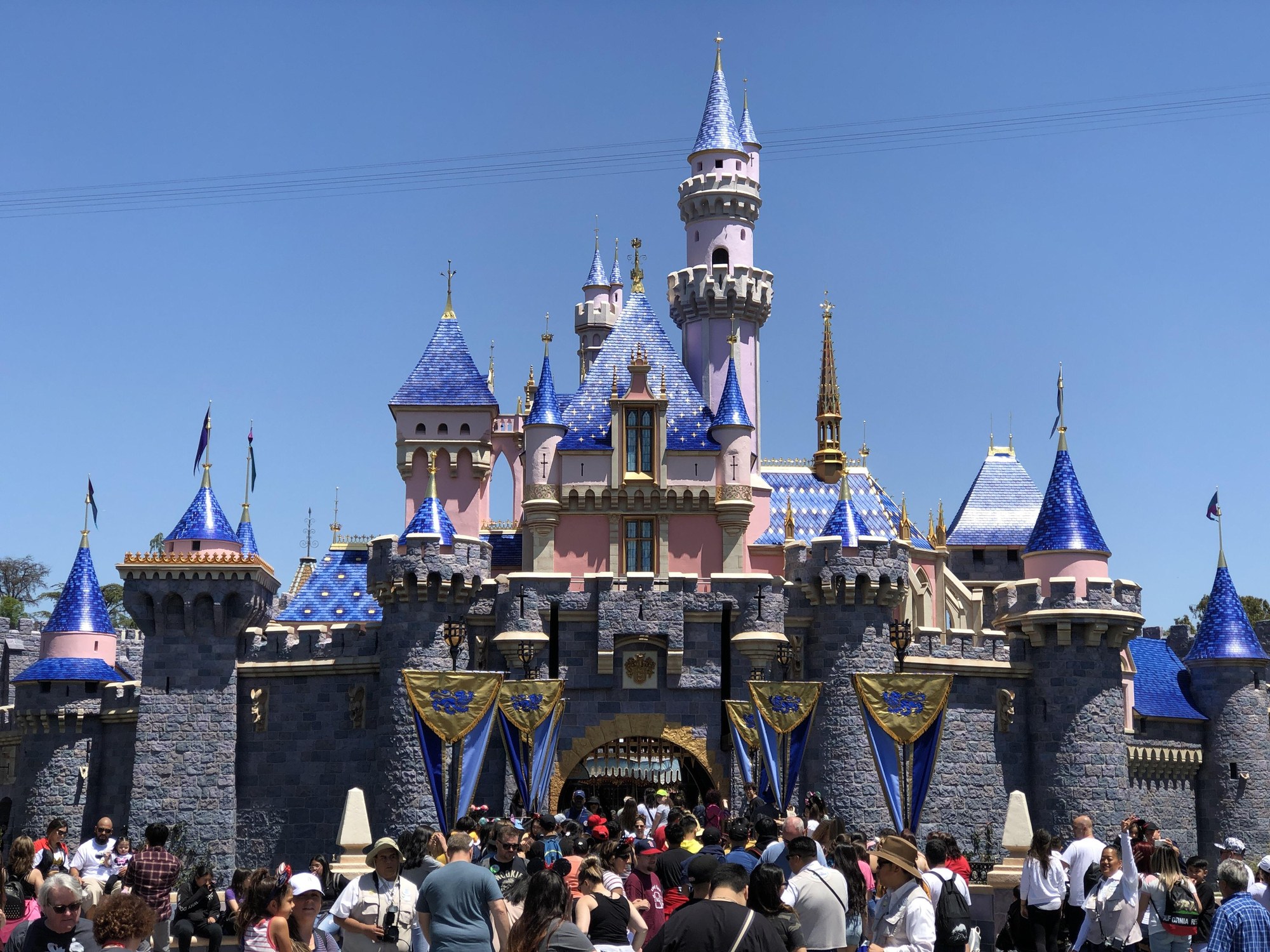
Disneyland Resort’s California parks each grew about 0.4%. Disney California Adventure reached 10.09 million, and Disneyland’s climb kept it a close second worldwide behind Magic Kingdom.
READ: Comcast Says Universal Orlando Slump Will Last Into 2027 as Fast & Furious Coaster Heads East
Europe’s four parks on the top 25 added more than 1.1 million visits. Both Disneyland Paris parks grew 5.7%, while Efteling rose 3.2% and Europa-Park gained 0.8%. South Korea’s Everland fell 15.6%, with TEA pointing to extreme summer weather in the region.
Where Epic Universe Lands
Four million visits in a debut year that started in late May is a strong opening beat for Universal’s newest Florida gate. It didn’t crack the worldwide top 25 threshold on its own, but it still lifted Universal Orlando’s combined count and helped push Central Florida’s leading parks up 4.3% as a group.
The contrast with Universal’s older Florida parks is the story operators will watch. Guests clearly showed up for the new park, while USF and IOA gave back a slice of last year’s traffic. Hollywood’s sharper drop sits in a different market, yet it still lands in the same annual report.
Disney’s Steady Floor
Disney’s Florida parks barely moved. A 0.2% slide across all four gates reads like a soft landing after years of post-reopening swings, and Magic Kingdom’s hold on No. 1 keeps the brand’s flagship on top even as Disneyland closes the gap.
International Disney parks were mixed. Shanghai Disneyland approached 15 million, Tokyo’s two parks rose, and Hong Kong Disneyland fell 3%. That spread shows how local tourism and weather still shape the same franchise differently by region.
Outside the mega brands, Dollywood jumped 8.1% to about 3.4 million visits, the strongest percentage gain among established parks on the North American top 20. Hersheypark grew 1.7% to 3.05 million, while several Six Flags-operated parks on that list declined.
How to Read the Index
TEA builds the Global Experience Index with Entertainment + Culture Advisors and The Park Database, and the counts mix operator data, tourism sources, mobile analytics, and estimates. Attendance means visits, not unique people, so a guest who hops parks can show up in more than one total.
For Orlando planners, the clean takeaway is a new Universal gate that already moves millions, a Disney World slate that held nearly flat, and a California Disneyland Resort that edged up while Magic Kingdom stayed first worldwide.
Does Epic Universe’s partial-year haul change how you’re planning 2027 park days?
UP NEXT: Dunkin Donuts Appears to Charge Customers for Receipts
