


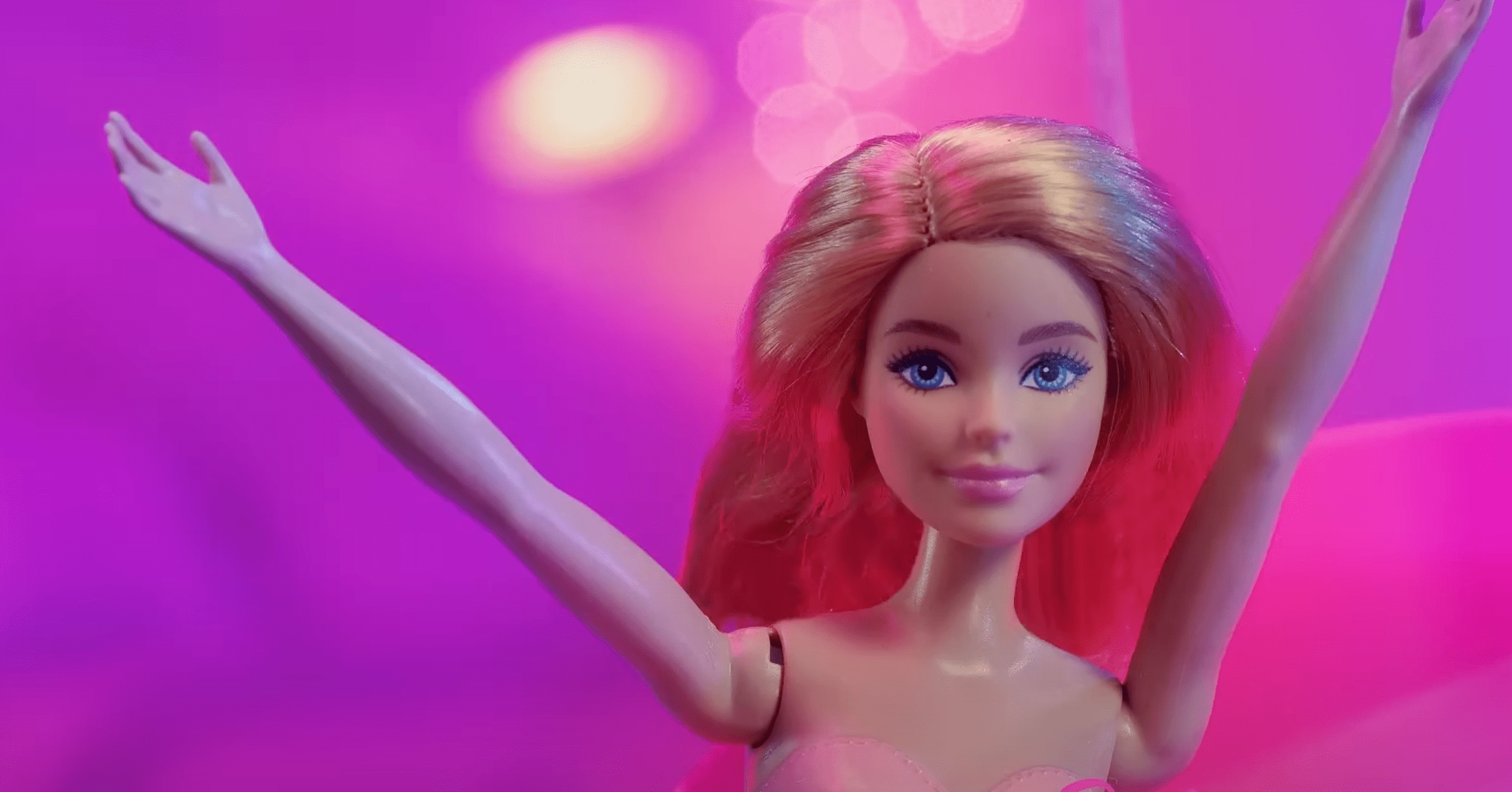
What is Mattel, a toy company, going to do with artificial intelligence? That’s the question toy fans have been asking since last Monday’s OpenAI Developers Conference. OpenAI—the company behind ChatGPT and the AI video-generation platform Sora 2—announced a new partnership with Mattel to explore how artificial intelligence can speed up the toy design process.
At the event, OpenAI CEO Sam Altman said: “Mattel has been a great partner working with us to test Sora 2 in the API (application programming interface) and see what they can do to bring product ideas to life more quickly. So one of their designers can now start with a sketch and then turn these early concepts into something that you can see and share and react to.”
Artificial Intelligence in Toy Design
Artificial intelligence applications are expanding rapidly, and Altman’s goals are nothing short of ambitious. OpenAI partnering with Mattel has intriguing implications.
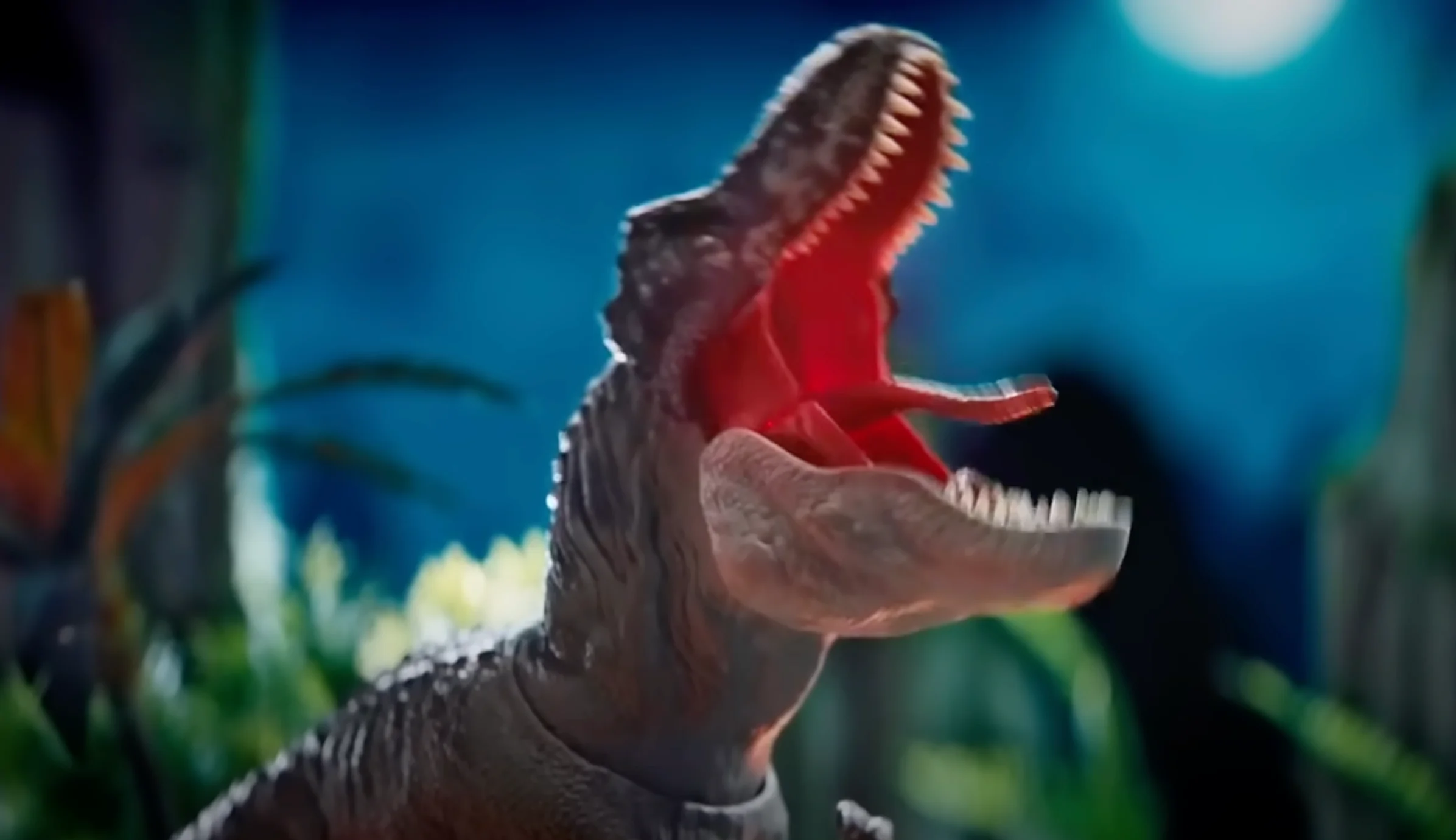
A screenshot from a Jurassic World commercial – YouTube, Mattel
From Altman’s statement, it appears designers are using AI to fill creative gaps—turning rough concepts into visual prototypes in minutes. But how far can AI go in developing a toy? Could it design a video game, or even invent an entirely new board game?
In the future, will kids, families, and collectors be playing with Mattel products conceived and designed mostly by humans—or by computers? For now, AI is simply a tool. The bigger question is: how long will it remain one?
Criticism of Sam Altman and Sora 2
Monday’s announcement was just the latest in a series of bold moves by OpenAI. Since launching ChatGPT three years ago, the company has fueled a modern boom in artificial intelligence development.
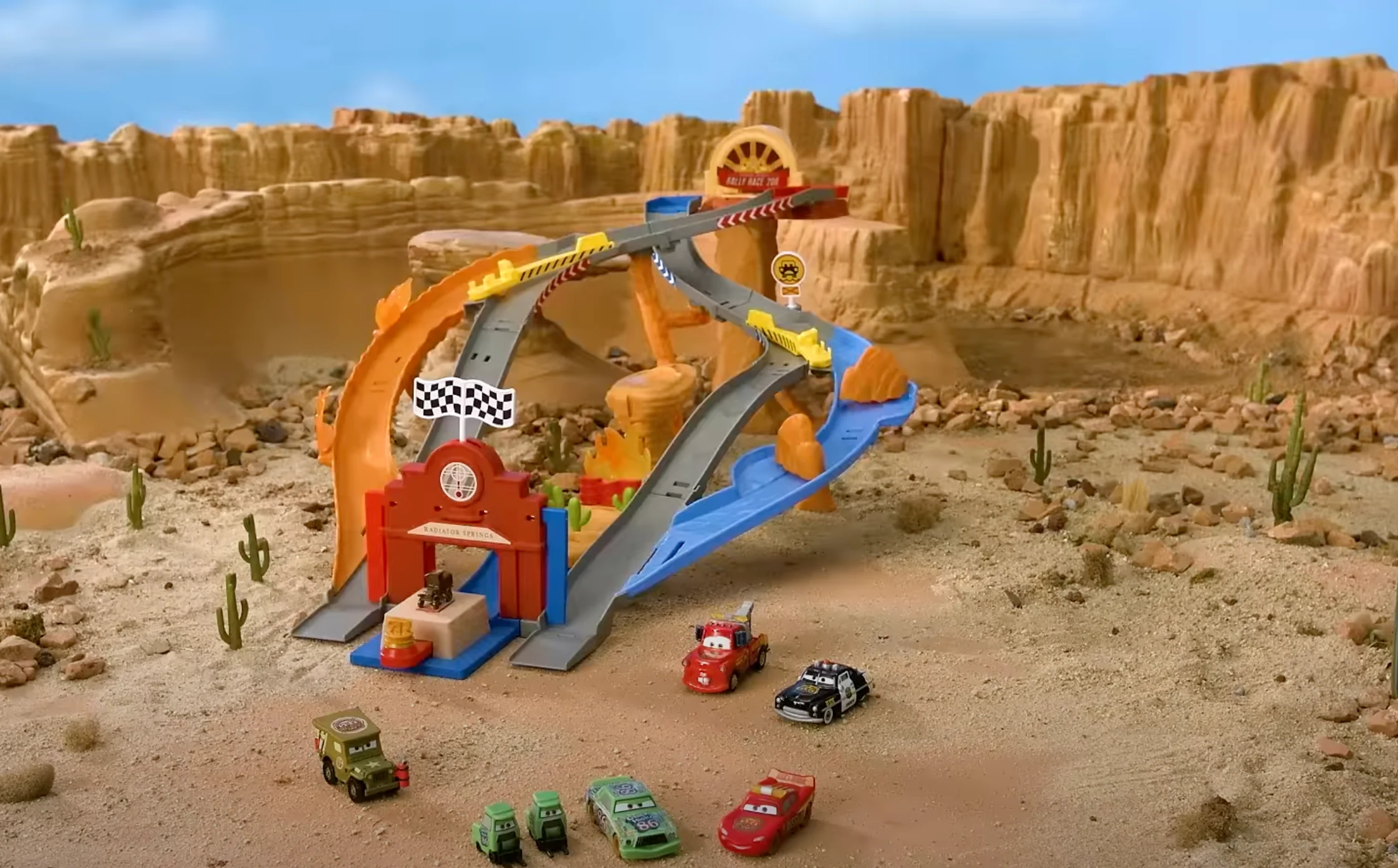
A screenshot from a Disney’s Cars toy commercial – YouTube, Mattel
“Many of CEO Sam Altman’s ambitions are bold and expensive, even by Silicon Valley standards, sparking some concern among tech investors about whether or not AI investments are a bubble,” writes Zaheer Kachwala of Reuters. That’s not the only criticism the company faces.
Children’s Characters Used Inappropriately
Sora 2 has recently come under fire after users created unsettling videos featuring characters familiar to children. In one viral clip, SpongeBob and Patrick appear in a Breaking Bad-style scenario, seemingly producing illegal substances.
Whoa 😲 Sora 2 is next-level! the quality is unreal!
Prompt: SpongeBob SquarePants meets Breaking Bad parody mashup pic.twitter.com/VNsExMTEqn
— Miro (@Mirro0x) October 2, 2025
In another, SpongeBob is seen evading the police.
Sure my electricity bill is up 40%, but check out all these cool AI videos of SpongeBob evading arrest.
pic.twitter.com/lWvaTNawlm— High Yield Harry (@HighyieldHarry) October 7, 2025
These examples raise serious questions about copyright law, fair use, and the responsibility of AI developers to prevent children from encountering inappropriate material.
The Bad, The Good, and The Future
So where is all this AI innovation leading? Whether it’s generating videos or designing the next big toy, AI can be a powerful creative assistant—but it also opens the door to misuse.
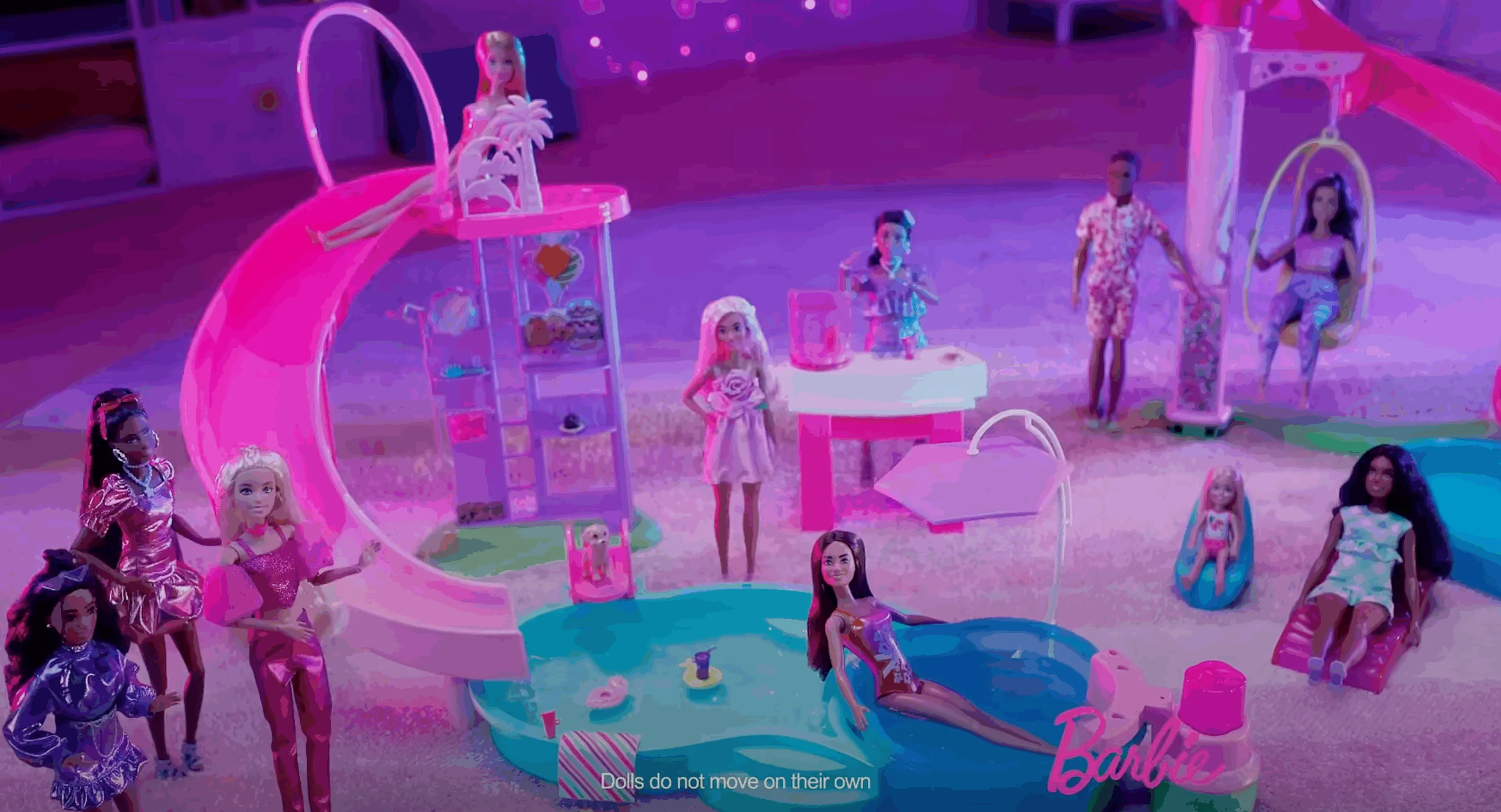
A screenshot from a Barbie commercial – YouTube, Mattel
Parents certainly have a right to be concerned about any negative implications AI can have on their kids. For now, it appears both Mattel and OpenAI are proceeding responsibly, using AI to enhance rather than replace human creativity. If successful, this partnership could lead to toys that are more imaginative, educational, and inspiring—products that not only entertain but also connect us more deeply to our shared humanity.
How do you feel about Mattel working with OpenAI? Sound off in the comments and let us know!
