



Hollywood is patting itself on the back for achieving a so-called milestone in “gender equality,” as more than half of the top 100 movies in 2024 featured a female lead or co-lead. However, a closer look at the box office numbers tells a different story—one that suggests audiences are becoming increasingly disengaged from the industry’s forced representation efforts.

Daisy Ridley as Rey in Star Wars: The Rise of Skywalker (2019), Lucasfilm
Despite more movies being released in 2024 than in 2023, the total box office declined, raising serious questions about the actual impact of Hollywood’s identity-driven agenda.
The Box Office Continues to Struggle
Before the pandemic, Hollywood was consistently pulling in over $11 billion per year. Now, post-2020, the industry struggles to break past $8.5 billion, with 2024’s total box office revenue declining from 2023.
Despite releasing more films in 2024, the industry made less money.
That’s not a sign of success—it’s a glaring red flag that studios are failing to connect with audiences.
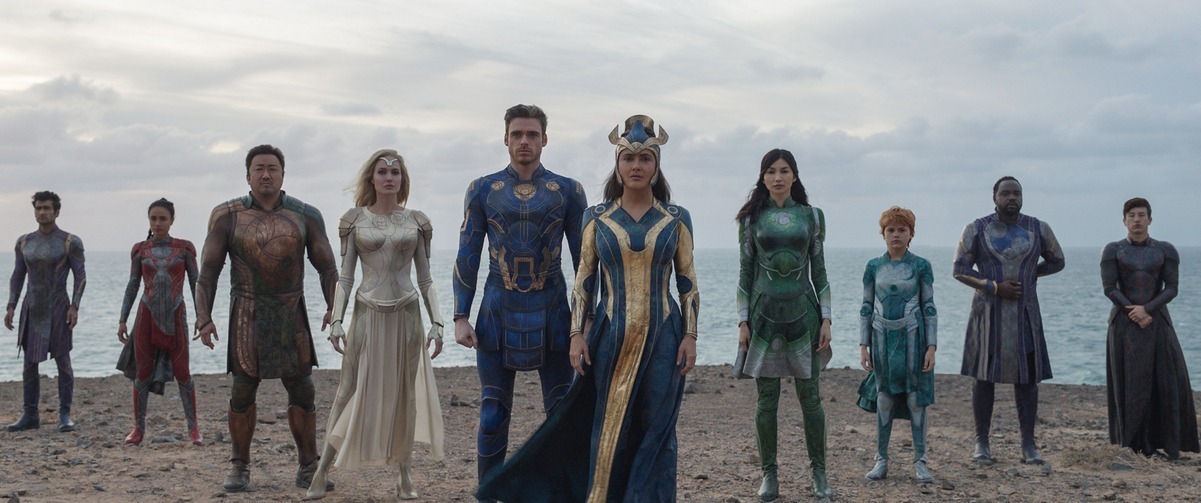
(L-R): Kingo (Kumail Nanjiani), Makkari (Lauren Ridloff), Gilgamesh (Don Lee), Thena (Angelina Jolie), Ikaris (Richard Madden), Ajak (Salma Hayek), Sersi (Gemma Chan), Sprite (Lia McHugh), Phastos (Brian Tyree Henry) and Druig (Barry Keoghan) in Marvel Studios‘ ETERNALS. Photo courtesy of Marvel Studios. ©Marvel Studios 2021. All Rights Reserved.
Here’s the breakdown:
– 2019 (Pre-Covid): $11.3 billion box office revenue
– 2023 (Post Covid): $8.9 billion (a significant drop from pre-2020 levels)
– 2024: $8.5 billion (a further decline from 2023)
What makes this even more damning is that as the years go by, movie prices get more expensive. So what can already be perceived as a downturn in business is actually even worse.
In 2019, movie tickets cost an average of $9.16. In 2024, those same tickets cost an average of $10.78.
The numbers don’t lie—Hollywood is making more “inclusive” movies, but fewer people are showing up to watch them. If representation alone were enough to drive box office success, the industry wouldn’t be facing a downward trend in revenue.
More Representation, But Still Not Enough?
Despite the increase in female-led films, the diversity advocates aren’t fully celebrating just yet. The USC Annenberg Inclusion Initiative report highlights that leads and co-leads from “underrepresented racial and ethnic groups” declined in 2024, sparking fresh complaints that Hollywood isn’t doing enough. Only 25 of the top 100 films featured a lead of color in 2024, a significant drop from 37 in 2023.
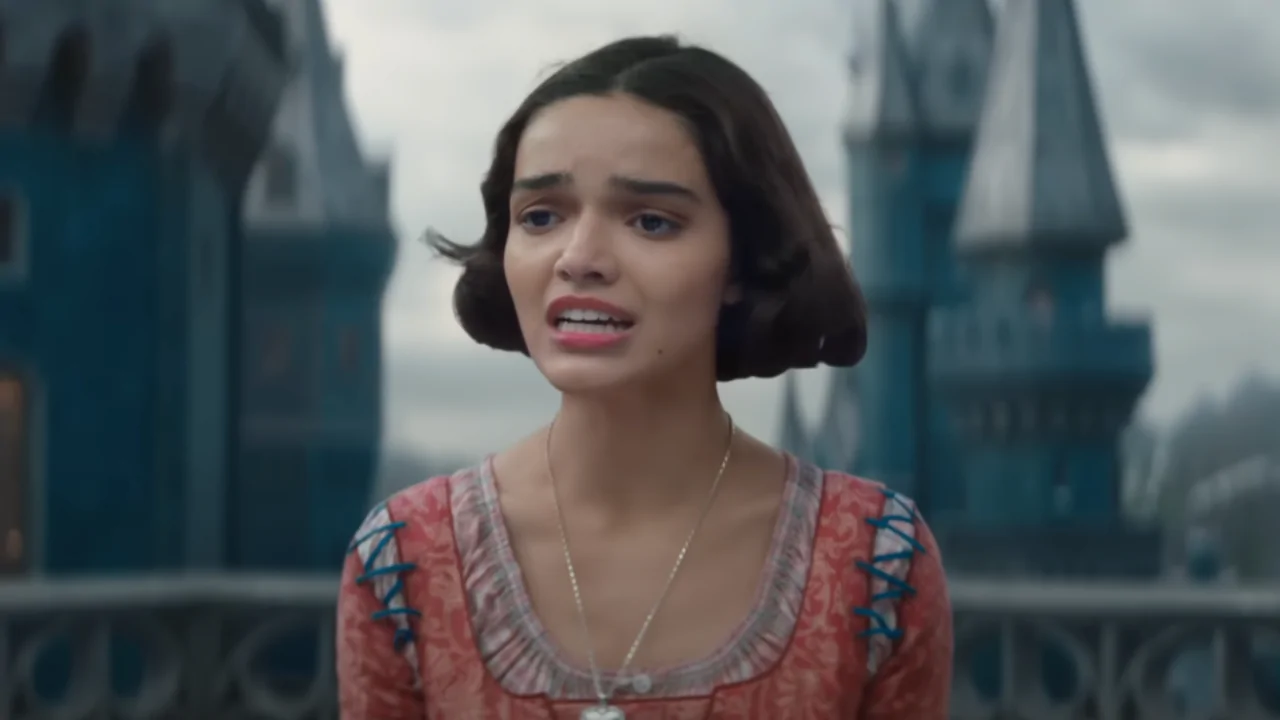
Rachel Zegler singing the original song “Waiting on a Wish” from Disney‘s Snow White live action remake – YouTube, Disney
READ: EXCLUSIVE: U.S. Government Paid Over $14 Million of Taxpayer Funds to Suspected Disney Subsidiary
So what’s the response from activists? Instead of acknowledging that audiences simply prefer well-crafted stories over identity politics, the reaction is to demand even more DEI-driven casting and storytelling. No matter how much Hollywood bends over backward to meet these expectations, it will never be enough.
The Audience-Hollwood Disconnect
The biggest post-COVID hits—Top Gun: Maverick, Spider-Man: No Way Home—succeeded because they focused on entertainment first. They weren’t movies built around gender equality narratives, diversity quotas, or checking representation boxes. In contrast, many of Hollywood’s most identity-focused projects have struggled to find traction, proving that audiences want compelling characters and great stories, not agenda-driven filmmaking.

JOY AND ANXIETY — Disney and Pixar’s “Inside Out 2” returns to the mind of freshly minted teenager Riley just as a new Emotion shows up unexpectedly. Much to Joy’s surprise, Anxiety isn’t the type who will take a back seat either. Featuring the voices of Amy Poehler as Joy and Maya Hawke as Anxiety, “Inside Out 2” releases only in theaters Summer 2024.© 2023 Disney/Pixar. All Rights Reserved.
Consider the case of 2024’s top-grossing film, Inside Out 2. While featuring a female lead, the film’s success was due to its strong storytelling and franchise recognition—not because of gender representation. Meanwhile, movies that heavily marketed themselves around identity politics, like The Marvels, often struggled to connect with general audiences.
Hollywood executives and advocacy groups continue to claim that audiences demand more representation, yet the numbers suggest otherwise. If this approach were truly resonating, box office numbers would be soaring, not shrinking year after year.
Rather than forcing identity politics into every film, studios should take a step back and ask a simple question: Are these movies entertaining? Because, at the end of the day, audiences don’t care about diversity quotas—they care about good movies. Until Hollywood realizes this, expect the downward trend to continue.
Does gender equality play a role in what movies you see in theaters? Sound off in the comments and let us know.
