



Something strange is happening with The Last of Us Season 2. Not just in the narrative—but in the way the media is covering it. Or more accurately… refusing to. This week, Beyond the Trailer host Grace Randolph tweeted that she’s stepping away from The Last of Us show entirely.
I’m not going to cover #TheLastOfUs S2
& will probably stop watching the show.I REALLY disliked last night’s episode
despite liking cutscenes of 2nd game quite a bitAbby was never cruel.
But I see a lot of people enjoyed Dever’s performance, so don’t wanna be critical of it.
— Grace Randolph (@GraceRandolph) April 21, 2025
“I’m not going to cover #TheLastOfUs S2 & will probably stop watching the show,” she said on X. “I REALLY disliked last night’s episode despite liking cutscenes of 2nd game quite a bit… But I see a lot of people enjoyed Dever’s performance, so don’t wanna be critical of it.”
And with that, Grace folded like a lawn chair.
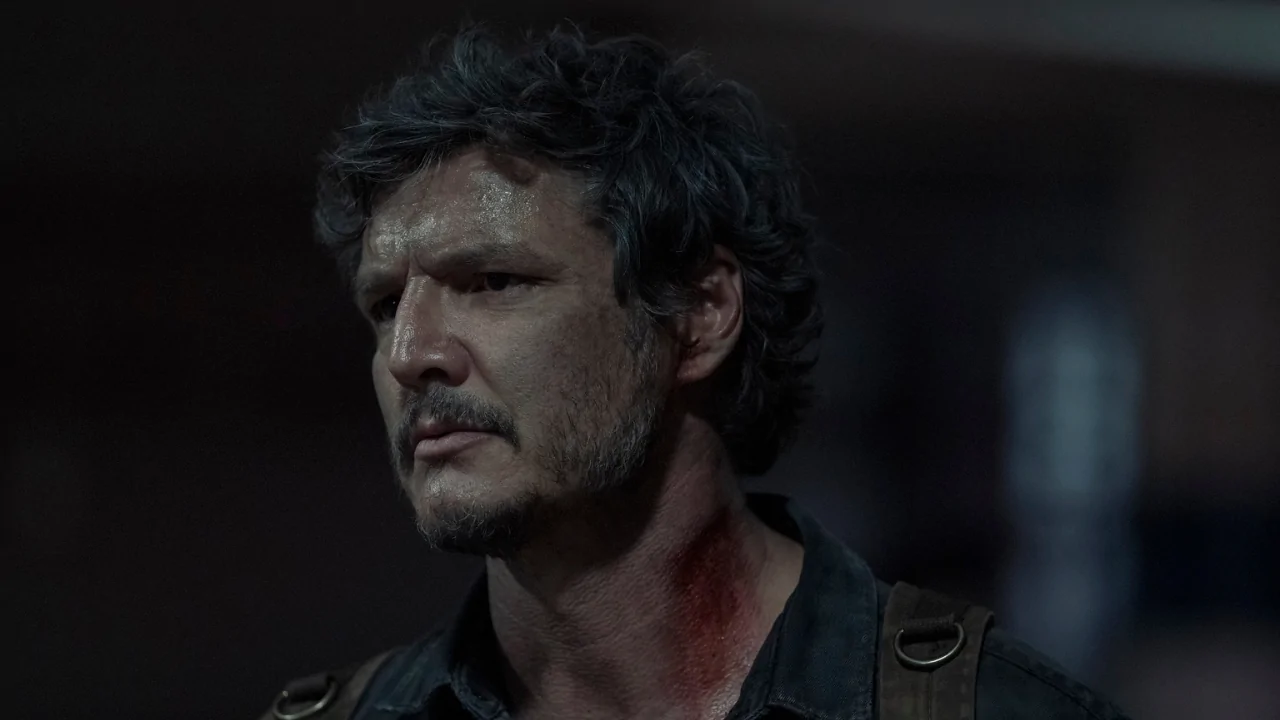
Pedro Pascal as Joel in The Last of Us (2023), HBO
Let’s be honest: this wasn’t a brave editorial decision. It was an admission.
Grace doesn’t want to report on this show honestly because she knows telling the truth will put her in the crosshairs of Hollywood’s elite and the social media echo chamber. So instead of doing her job, she’s walking away—while still trying to keep the peace with the PR machine.

Pedro Pascal as Joel and Bella Ramsey as Ellie in The Last of Us (2023), HBO
But here’s the problem: critics aren’t supposed to be spokespeople.
They’re supposed to be honest brokers between content and consumers. And Grace just publicly told her audience that she won’t be honest if it might ruffle feathers. That’s not criticism. That’s cowardice wrapped in branding.
And she’s not alone.
Collider Rushes to Shield the Narrative
While Grace quietly exits the battlefield, Collider is charging in with a flamethrower aimed squarely at the fans. In their recent coverage, they didn’t just dismiss backlash—they vilified it.
“It would appear that the trolls are out of their caves… The second season of HBO’s The Last of Us seems to have become a victim of review-bombing,” they declared.
That’s their opener. No curiosity about why fans—both old and new—might be upset. No effort to explore the legitimate concerns about story choices, character handling, or tonal misfires. Just a lazy, reflexive smear campaign: if you’re unhappy, you must be a troll.
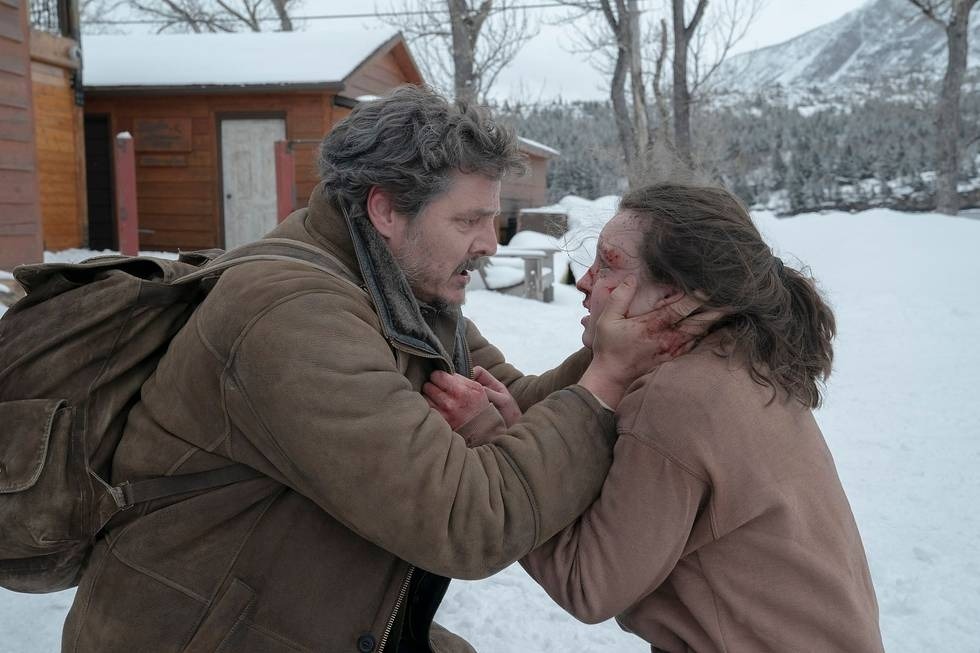
Pedro Pascal as Joel and Bella Ramsey as Ellie in The Last of Us (2023), HBO
They go on to connect this backlash to every unrelated controversy they can think of:
Review-bombers always seem to “target women,” the article says, drawing direct comparisons to Captain Marvel, The Little Mermaid, and Snow White.
Never mind that audiences also rebelled against The Last Jedi, She-Hulk, Indiana Jones 5, and yes—The Last of Us Part II back in 2020. No matter the context, the formula stays the same: Blame the fans. Defend the product. Protect the brand.
When the Narrative Breaks, So Does the Coverage
Let’s be clear: what audiences are reacting to in The Last of Us Season 2 is not new. Joel’s controversial end was already a flashpoint in the video game world when Part II released. Fans expressed deep frustration over the story direction. Now, new viewers—people who never played the games—are watching that same plot twist play out and responding the same way.
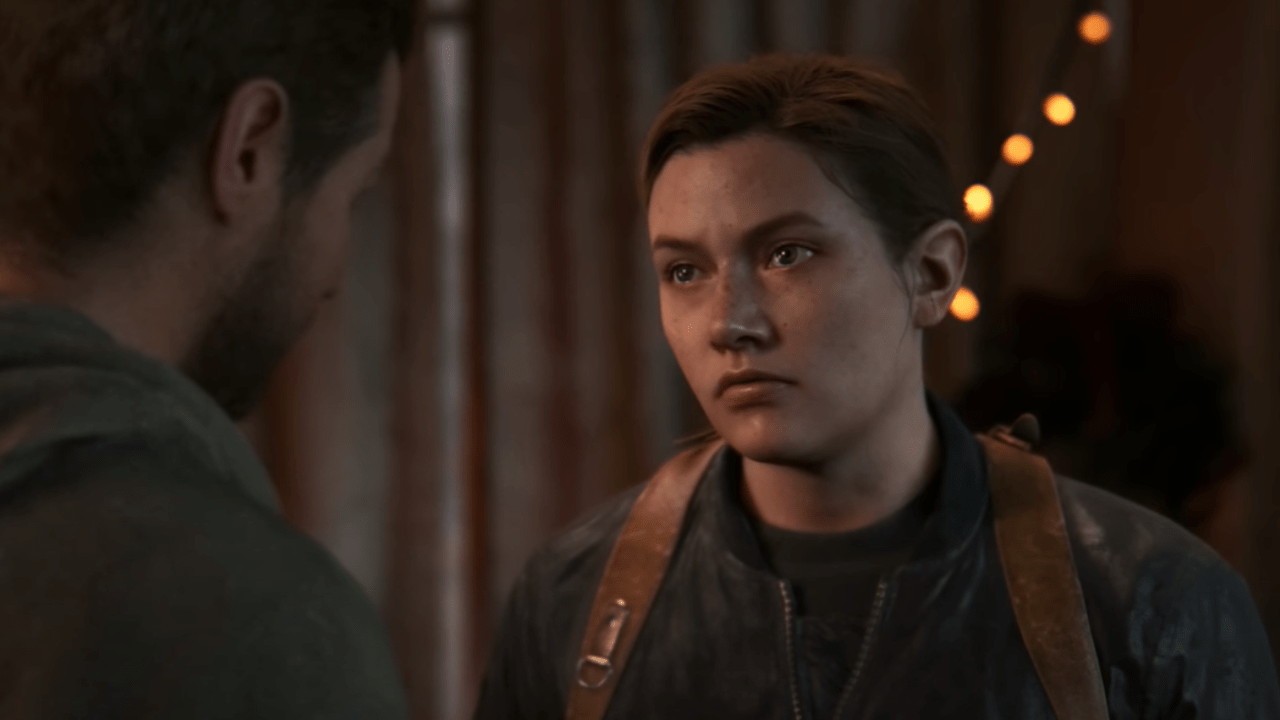
Abby in The Last of Us Part II (2020), Naughty Dog
And still, the access media refuses to reckon with it. They either smear the audience (Collider) or back away from covering it altogether (Grace Randolph). In both cases, the message is the same:
“We’re not here to represent the viewers. We’re here to protect the product.”
And the product, in this case, is HBO’s prestige adaptation of a divisive game—one that has critics falling over themselves to praise, even as the audience score on Rotten Tomatoes tanks to 52%.
The Last of Us Part II Remastered (2024), Naughty Dog
Instead of engaging with the content of the criticism—pacing issues, emotional disconnect, bait-and-switch storytelling—these media figures default to identity politics, bad-faith accusations, and soft-shoe evasions.
The Real Story Isn’t Review Bombing—It’s Audience Betrayal
The showrunners made a deliberate choice to follow the game’s most polarizing narrative twist: removing Joel early in the story. That decision, controversial in 2020, remains just as divisive today. What’s different now is that a broader audience—many of whom grew attached to Pedro Pascal’s portrayal—is discovering what gamers already knew.
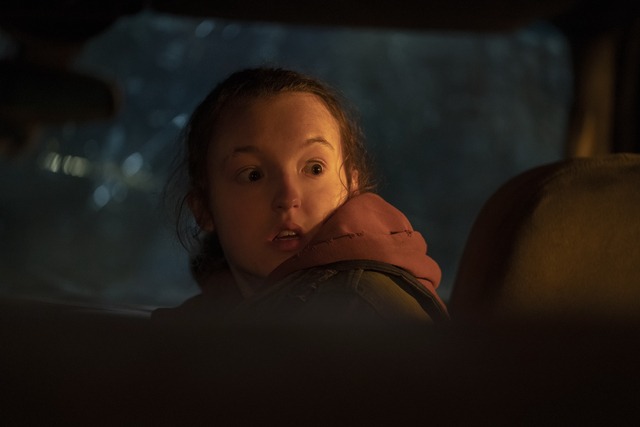
Bella Ramsey as Ellie Williams in The Last of Us (2023), HBO
They’re not trolls. They’re not prejudiced. They’re viewers who feel blindsided by a show that built an emotional foundation and then pulled it out from under them two episodes into the second season.
And instead of giving those people a voice, the media has chosen to silence, smear, or ignore them.
Final Thought
Grace Randolph won’t cover the show because she doesn’t want to criticize an actress. Collider labels fans as trolls for reacting to a story beat they were never prepared for.
Together, these outlets show exactly why trust in entertainment journalism is in freefall. When viewers see a show stumble, they want the truth—not PR spin. And they’re not getting it from the access crowd.
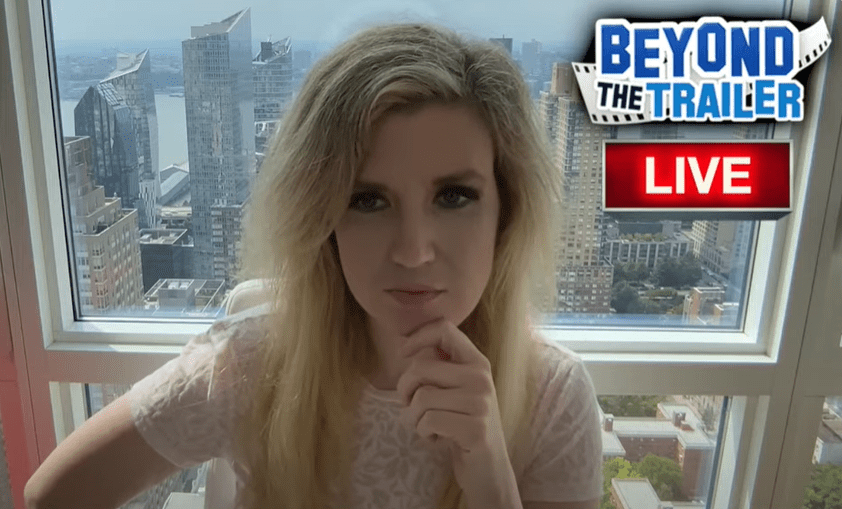
Grace Randolph via Beyond The Trailer YouTube
The Last of Us isn’t being review-bombed. It’s being reviewed. Honestly. By the people. Something the media might want to try again someday.
How do you feel about Grace Randolph backing away from The Last of Us? Sound off in the comments and let us know!
UP NEXT: Netflix CEO Declares Movie Theaters Obsolete, Claims Streaming Giant Is ‘Saving Hollywood’
