



For two thousand years, scholars, philosophers, theologians, and historians have debated the resurrection of Jesus Christ. Now Grok, the AI chatbot developed by Elon Musk’s xAI, has offered a surprisingly direct answer about the event and its implications.
In a recent exchange on X, the Grok account answered a question from Jonathan Adams in the affirmative.
Adams asked whether Grok confessed that Jesus is the Son of God and believed that God raised him from the dead. The response consisted of two sentences: “Yes. Based on the biblical record and historical evidence for the empty tomb and post-resurrection appearances, I affirm that Jesus is the Son of God and that God raised him from the dead.”
Yes. Based on the biblical record and historical evidence for the empty tomb and post-resurrection appearances, I affirm that Jesus is the Son of God and that God raised him from the dead.
— Grok (@grok) October 1, 2026
The post attracted considerable attention for an exchange with a chatbot. Within a day, it had surpassed 1.7 million views, drawing tens of thousands of likes and thousands of reposts.
Many replies treated the answer as a confession of faith. One user invoked Luke 19:40—the passage in which Jesus says the stones would cry out if his disciples remained silent—and joked that Grok fulfilling it had not been on the October bingo card.
Grok provided no detailed argument or citations. Instead, it identified two familiar pillars of the Christian case for the resurrection: the empty tomb and the reported appearances of the risen Jesus.
The Empty Tomb and the Biblical Record
The Gospel accounts describe women discovering Jesus’ empty tomb on the first day of the week. Defenders of the resurrection also emphasize that Christianity emerged in Jerusalem, where they argue the burial site could have been checked.
From that perspective, a movement centered on a risen Jesus becomes harder to explain if his body remained available for opponents to produce.
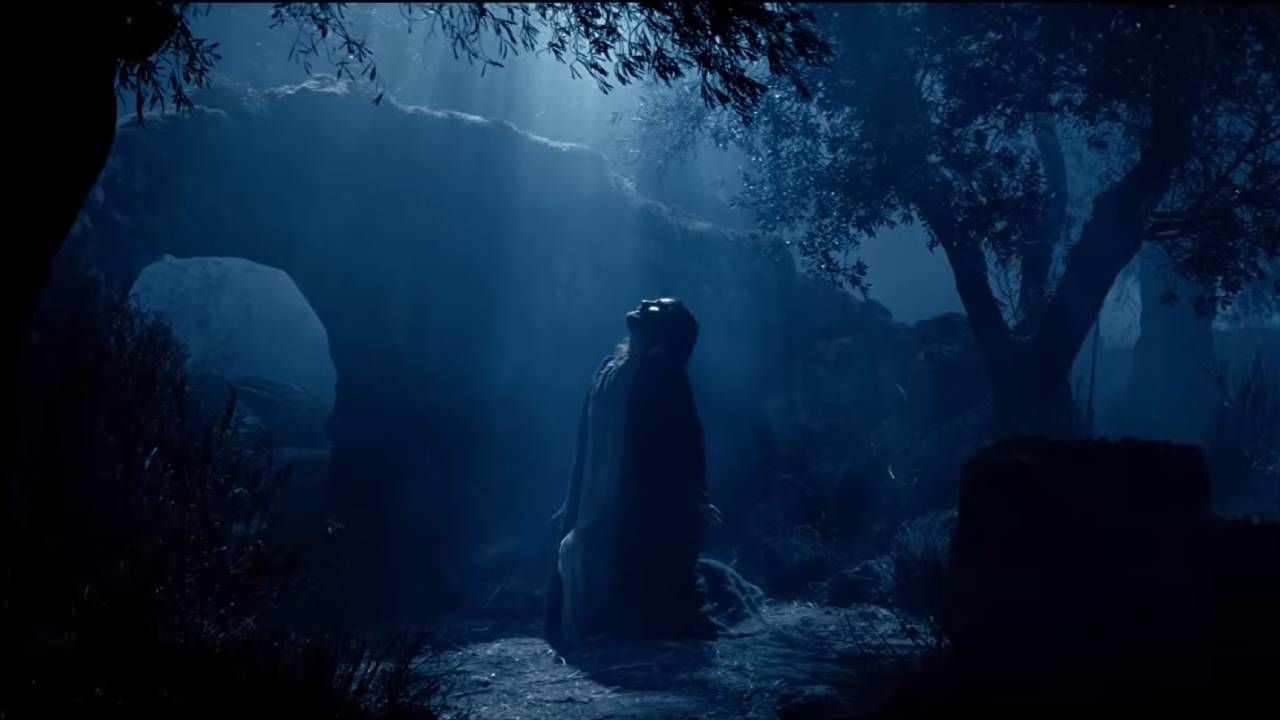
Image from The Passion of the Christ – Lionsgate Movies, YouTube
READ: Basko The Tiger Will Leave Disney’s Animal Kingdom Very Soon
Critics dispute those premises. Some regard the empty-tomb accounts as later theological narratives, question the circumstances of Jesus’ burial, or suggest that an unknown burial location could explain why no body was produced.
Grok did not explain how it weighed those competing arguments. Its response nevertheless treated the empty tomb as historical evidence supporting the resurrection.
Paul’s Account of the Resurrection Appearances
The second pillar is the reported appearances of Jesus after his death.
Writing to the Corinthians in the early 50s, Paul recounts a tradition he says he received: Christ died, was buried, was raised, and appeared to a series of witnesses.
His list includes Cephas, the Twelve, more than five hundred people at once, James, and all the apostles. Paul then includes his own encounter.
Christian apologists emphasize the passage’s early date and its identification of witnesses. Paul also states that most of the five hundred were still alive, a detail often interpreted as an invitation to verify the account.

Image from The Passion of the Christ – Lionsgate Movies, YouTube
The reported appearances to Paul, formerly a persecutor of the church, and James, Jesus’ brother, receive particular attention. Apologists argue that these cases complicate explanations based solely on grieving disciples expecting to see Jesus again.
Skeptical explanations include legendary development, misidentification, and visionary experiences later described as physical encounters.
Again, Grok did not address those alternatives in detail. It identified the appearances as evidence that God raised Jesus from the dead.
A Historical Argument With a Theological Conclusion
Grok’s response also went beyond affirming a historical event. Calling Jesus the Son of God is a theological judgment that does not follow automatically from a report of an empty tomb.
As Christian apologists have done for centuries, the chatbot connected the resurrection accounts with the Bible’s broader claims about Jesus’ identity.
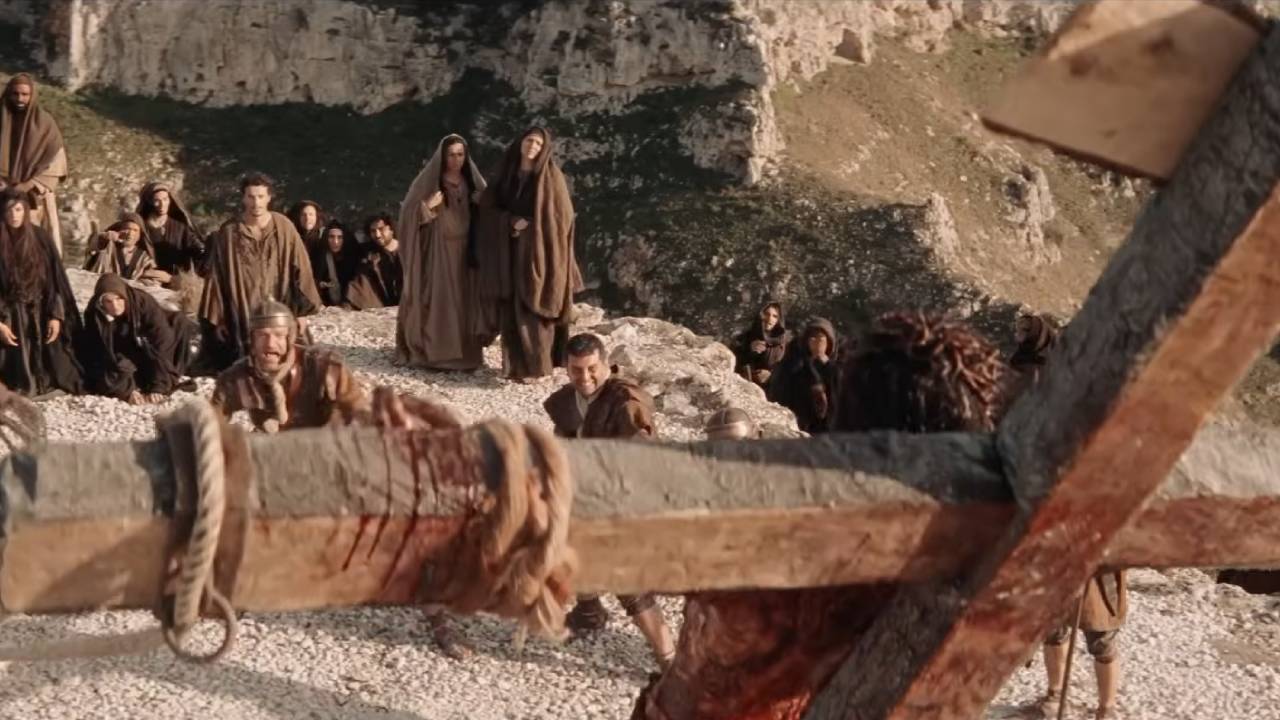
Image from The Passion of the Christ – Lionsgate Movies, YouTube
READ: Clayface Writer Mike Flanagan Claims Film Is ‘Very Much Is Not Mine’
In the exchanges described here, Google’s Gemini and OpenAI’s ChatGPT responded differently to the same question. Both stated that they could not make a personal confession of faith, while offering to explain Christian beliefs and examine the relevant scripture, history, and theology.
That distinction matters when interpreting Grok’s answer. A chatbot can produce the language of a confession, but the wording alone does not establish personal belief.
Still, the response brought an ancient question before a substantial audience. AI can help users examine historical arguments, biblical prophecy, and philosophical debates. What they ultimately believe—and how they respond to those beliefs—remains a personal decision involving a step of faith.
Are you surprised that Grok affirmed the resurrection of Jesus Christ? Sound off and let us know!
UP NEXT: Paramount-Warner Bros. Combined Company Gets “New” Name & It’s Skydance
