


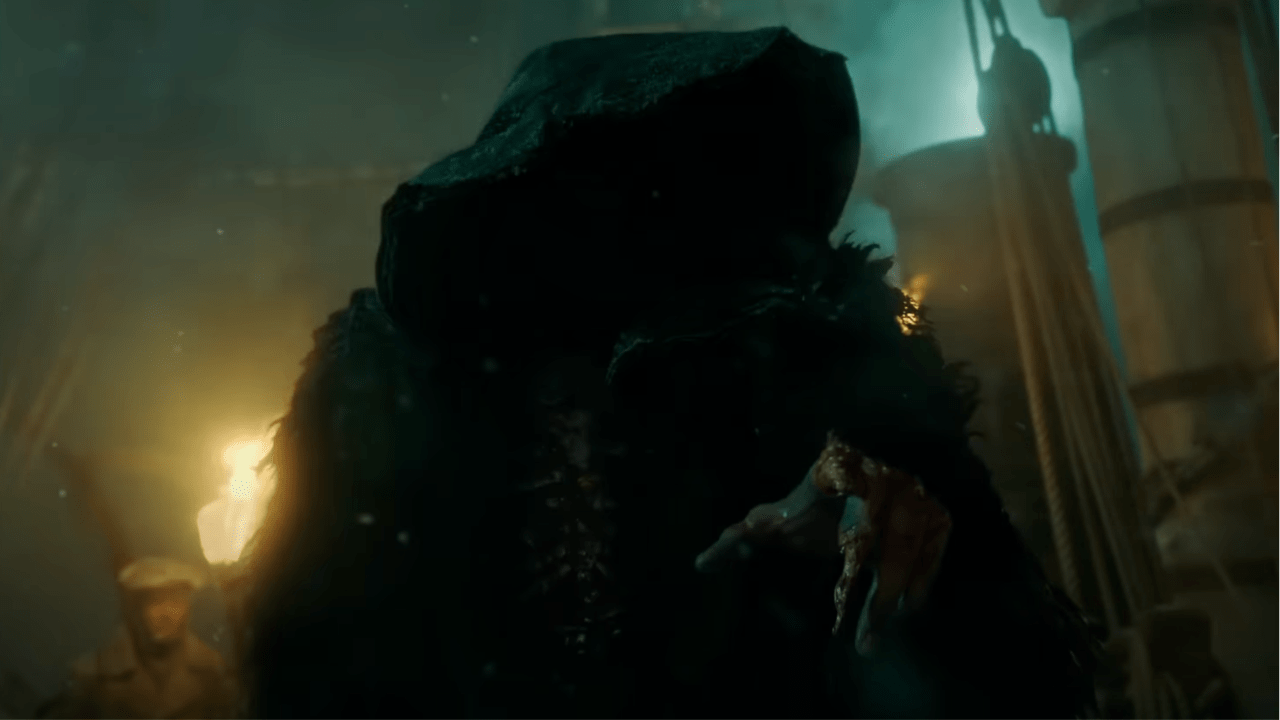
It’s been a long road, but Guillermo del Toro is finally bringing his version of Frankenstein to life, and it might just be his most personal monster yet.
The Oscar-winning filmmaker has wanted to tell this story for decades, and after years of rejection from studios, Netflix finally gave him the green light. Now, with Frankenstein set to premiere at the Venice Film Festival before its November Netflix debut, we’re getting a closer look at a project del Toro calls his “bucket list” film.
A screenshot from the trailer to Frankenstein on Netflix – YouTube, Netflix
Vanity Fair’s recent feature offered a first glimpse at the film’s richly constructed world, and we’re breaking down why this Gothic resurrection tale is worth the wait.
More Than a Monster Movie
If you’re expecting bolts and neck scars, think again. Del Toro’s take on Mary Shelley’s Frankenstein is operatic, intimate, and mythologically layered. The story is still rooted in Shelley’s 1818 novel, but this version trades the usual mad science motif for something more primal: a story of fathers and sons, of creators and creatures, of the ruin that comes from trying to rewrite the boundaries of life and death.
A screenshot from the trailer to Frankenstein on Netflix – YouTube, Netflix
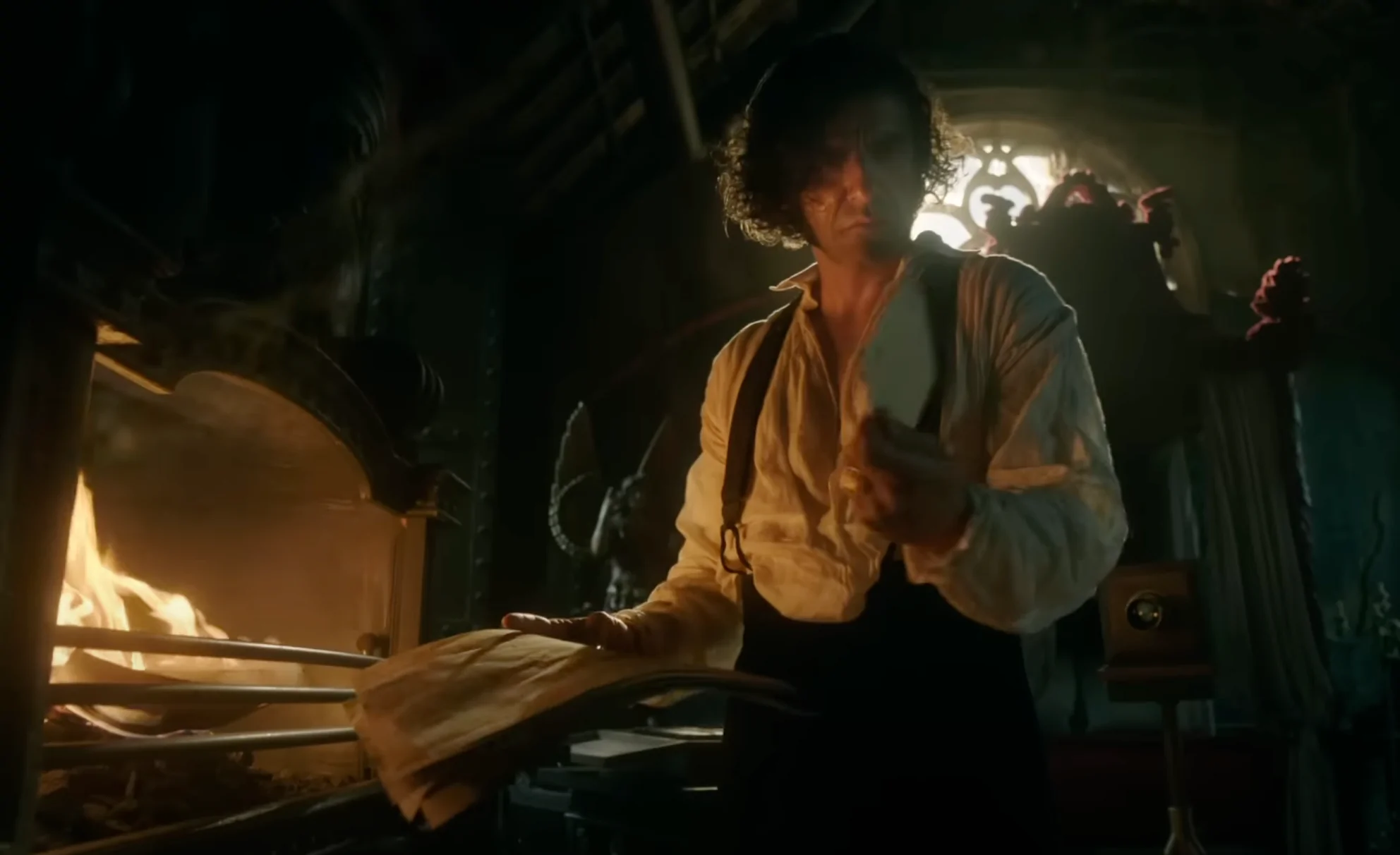
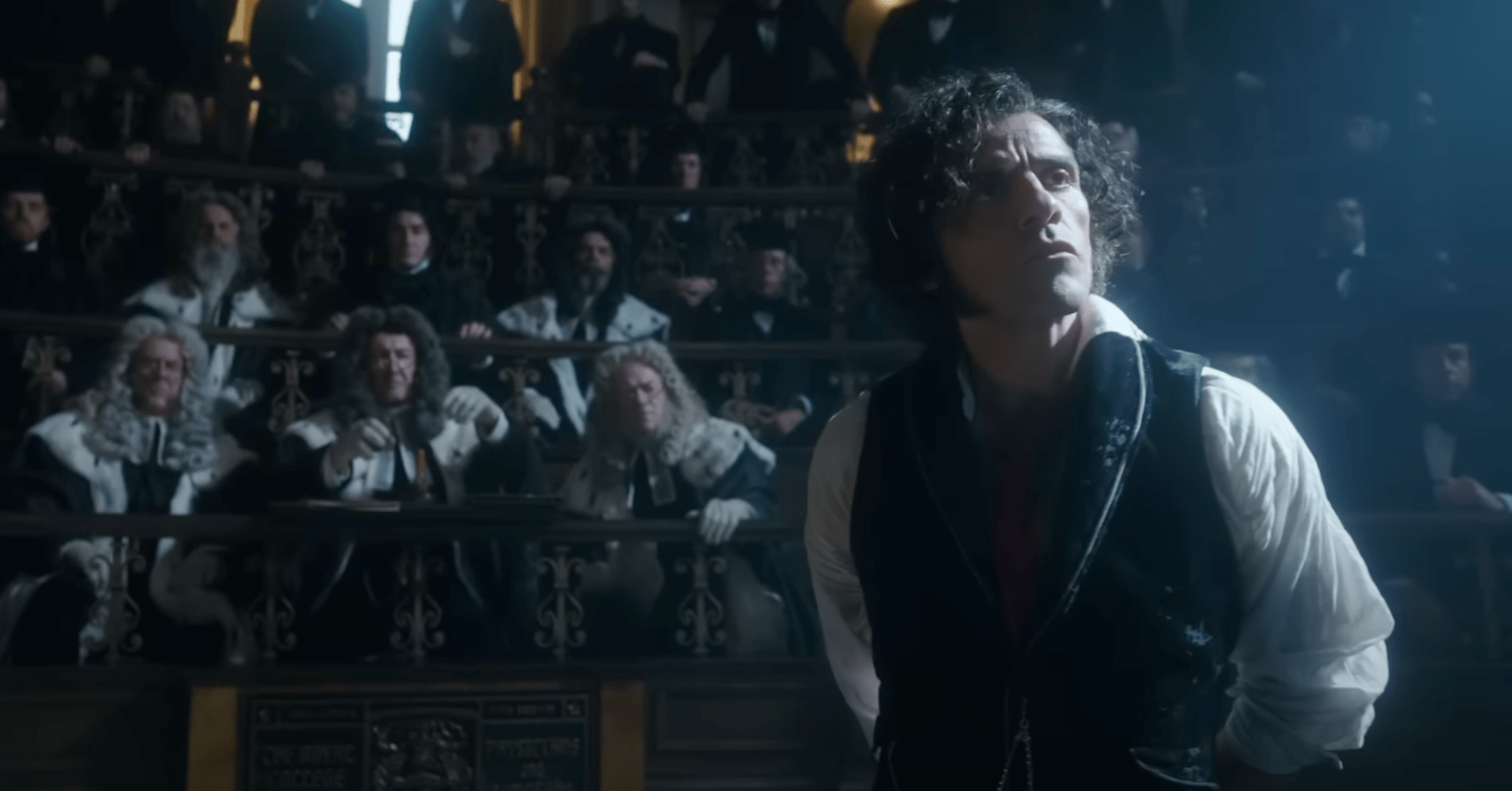
Oscar Isaac plays Victor Frankenstein, and this version is not a manic genius, but a deeply damaged man replicating the trauma of his own childhood. Charles Dance appears as Victor’s cold and imperious father, while Jacob Elordi takes on the role of the reanimated monster.
Del Toro calls the monster “a quilt,” pieced together limb by limb in a cavernous water tower laboratory that feels more like a cathedral of suffering than a science lab. It’s grotesque, beautiful, and unmistakably del Toro.
A Story Told in Blood and Glass
Visually, Frankenstein is shaping up to be one of del Toro’s most striking films. Production designer Tamara Deverell has transformed an 18th-century cistern into a full 360-degree set: glowing green glass columns, a Medusa statue watching from above, and silverwork conduits meant to channel lightning from storm clouds. It’s Gothic horror by way of operatic spectacle—a nod to classic Universal monsters, but rendered through del Toro’s unmistakable lens.
Jacob Elordi as Frankenstein’s monster in Guillermo del Toro’s ‘FRANKENSTEIN’
(Source: https://t.co/NUc0vyXgKV) pic.twitter.com/AnQal4kf11
— DiscussingFilm (@DiscussingFilm) July 28, 2025
READ: Trump Praises Sydney Sweeney After GOP Voter Registration Sparks Progressive Outrage
There’s a tactile quality to everything, from flayed cadavers nicknamed “Canadian Bacon” to blocks of real ice melting beneath prop bodies. Even the monster’s resurrection is depicted with haunting symbolism.
What If the Real Horror Is Family?
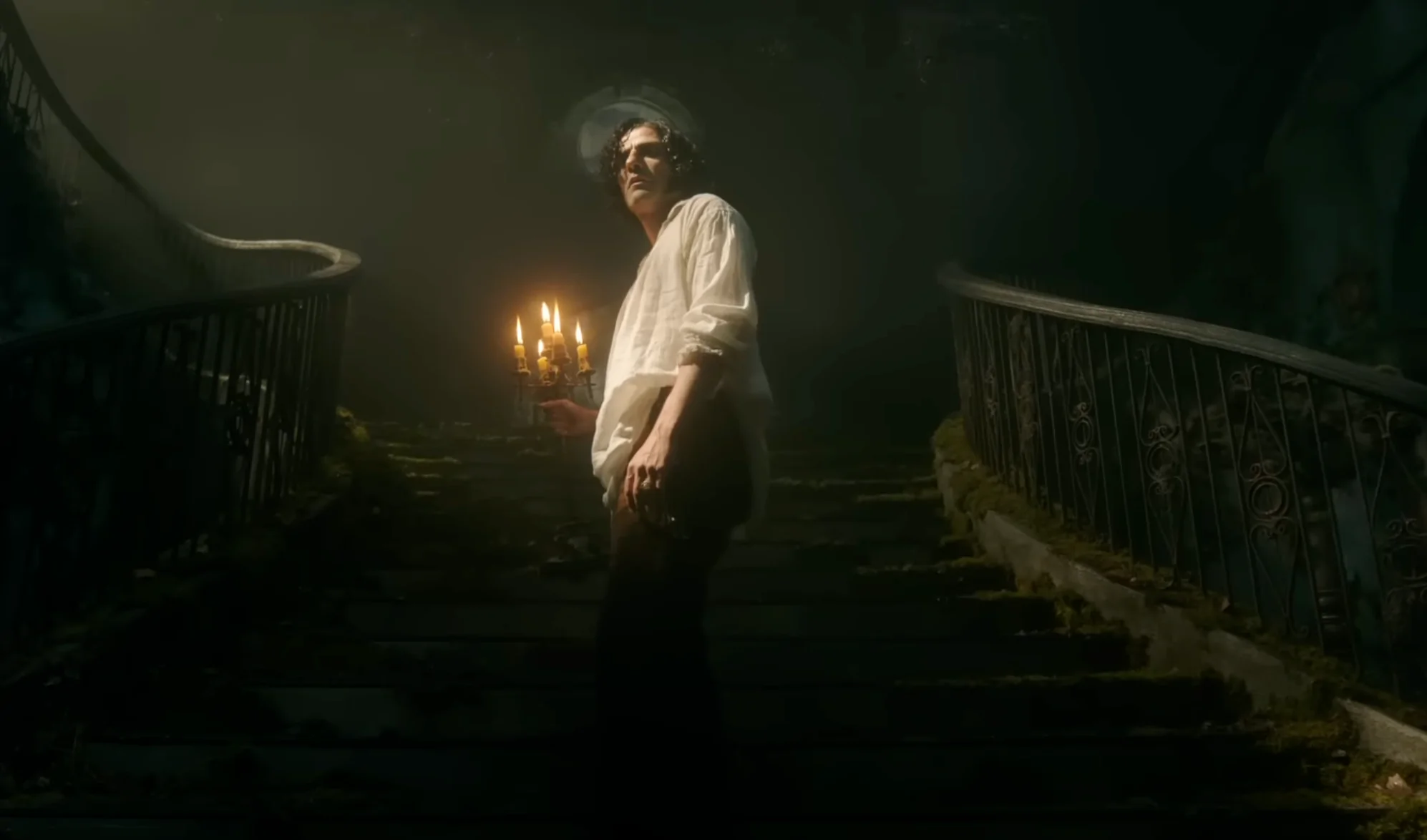
What sets this version apart isn’t just the mood or the effects, but the emotional core. Del Toro’s Frankenstein leans heavily into themes of fatherhood and abandonment, turning Shelley’s parable of unchecked science into a meditation on broken families.
A screenshot from the trailer to Frankenstein on Netflix – YouTube, Netflix
“The father becomes his father to his son without realizing it,” del Toro explains: a generational curse that unfolds across Victor, his father Leopold, and the monster who just wants to know why. Why was he made, why does he suffer, and why did his creator bring him into a world so cruel, only to turn away?
Del Toro’s comparison to Pinocchio isn’t incidental. Both stories follow unnatural sons struggling for meaning in a world that never asked for them. But while Pinocchio sought love and belonging, Frankenstein’s monster finds only blood and abandonment.
Familiar Shadows and Fresh Faces
Though this Frankenstein is unlike any before, del Toro isn’t ignoring the past. The ghost of Boris Karloff looms large—literally, in the form of a sticker on del Toro’s monitor—and the work of the late Bernie Wrightson heavily influenced the film’s creature design. Both Oscar Isaac and Jacob Elordi filled their trailers with Wrightson’s haunting illustrations for inspiration.
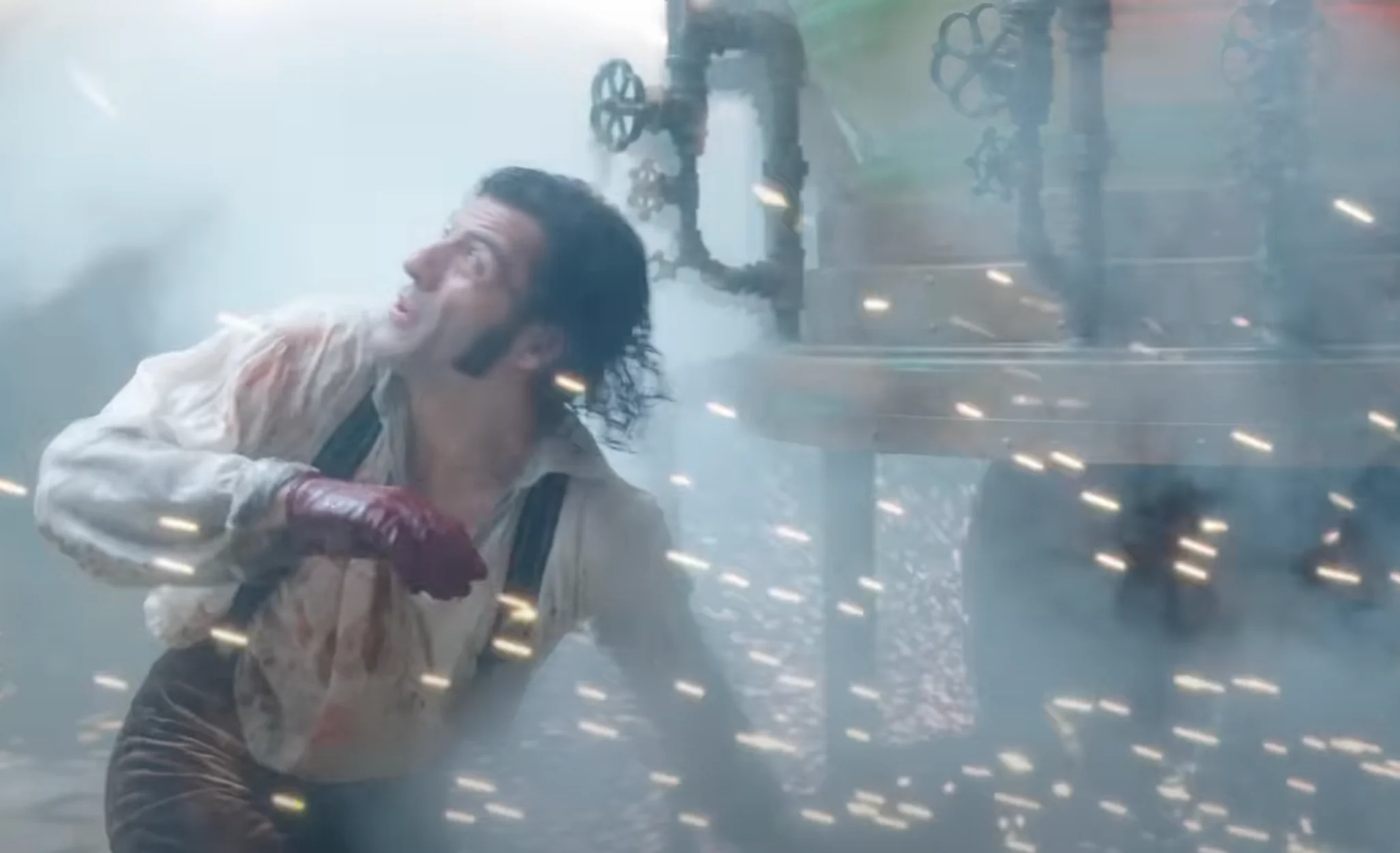
A screenshot from the trailer to Frankenstein on Netflix – YouTube, Netflix
Originally, Andrew Garfield was cast as the monster, but scheduling conflicts forced him to bow out shortly before filming began. Elordi was brought in at the eleventh hour—a risky pivot that, according to del Toro, ended up saving the film. His towering six-foot-five frame and melancholic energy became the foundation for a new kind of creature: one that’s less brute and more broken soul.
Other cast members include Mia Goth as Elizabeth, and Christoph Waltz as Harlander, an arms dealer funding Frankenstein’s work in exchange for the promise of immortality. David Bradley also appears as the blind man, a small but pivotal role from Shelley’s novel that del Toro uses to explore forgiveness and wisdom in the face of violence.
A Mass for the Damned
In del Toro’s own words, this film is a kind of sermon; not a copy of Shelley, Wrightson, or Karloff, but a tribute to all three.
“The church is not built by us,” he says, “but we are delivering a great, passionate soul-searing sermon in that church.”
Frankenstein has always been about creation. But in del Toro’s hands, that theme takes on deeper dimensions of spiritual yearning, inherited pain, monstrous love and monstrous legacy. The monster may be new, but the questions it raises are ancient.
With Frankenstein, del Toro isn’t just revisiting a classic. He’s digging up something older, darker, and far more human. And that, perhaps, is where the real horror lies.
Will you watch Guillermo del Toro’s Frankenstein in Netflix? Sound off in the comments and let us know!
