


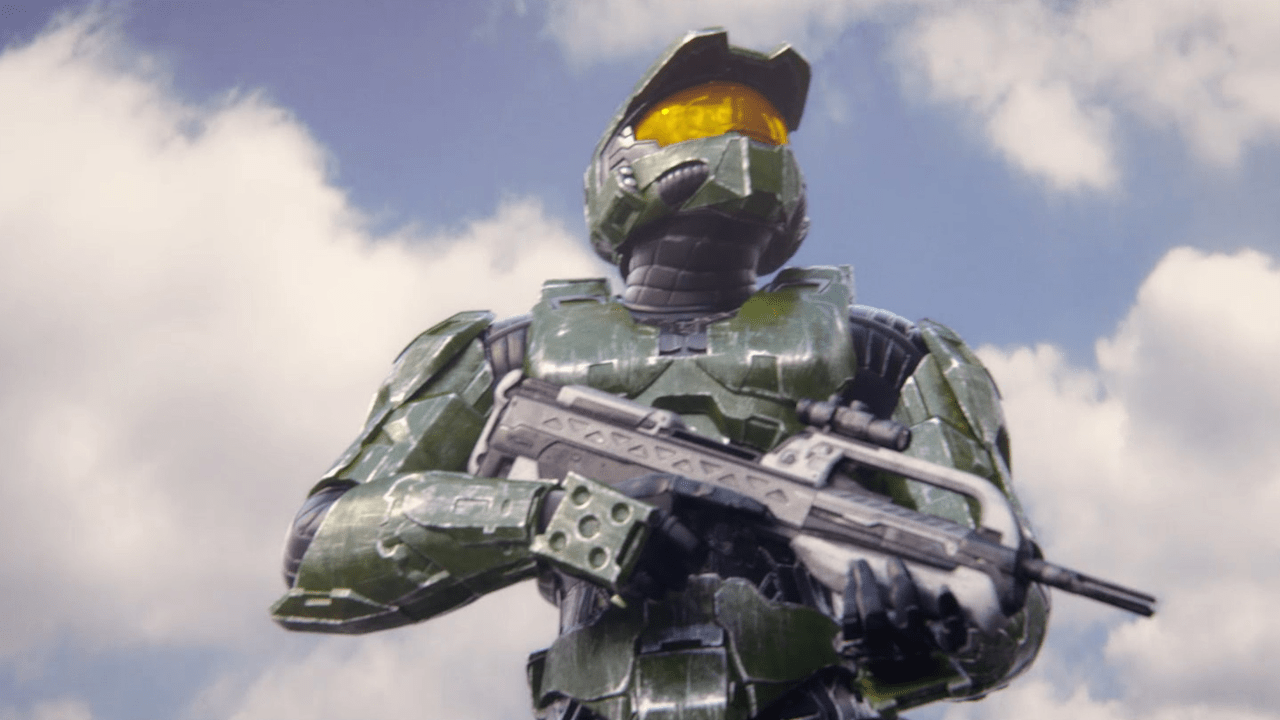
Marty O’Donnell, the composer for numerous Halo games including Halo: Combat Evolved, Halo 2, Halo 3, Halo 3:ODST, and Halo: Reach recently detailed that Microsoft executives began meddling with the franchise and pushing changes with Halo 2 out of fear of being labeled Islamophobic.

A screenshot from Halo 2: Anniversary (2020), 343 Industries
Speaking with Andrew Chapados on his Andrew Says YouTube channel, O’Donnell first explained that executives embrace controversial progressive themes out of fear.
He detailed, “I can’t say for certain what’s in everybody’s mind, but when I was there, when I was on the Board of Directors let’s say at Bungie, when I talked to the higher ups at Microsoft, there is a lot of fear. And a lot of fear started creeping in.”
“There is fear that you are going to essentially get on the wrong side of some special interest groups who can be very loud and very annoying so lets placate those people,” he elaborated. “So I would say fear is probably one of the biggest things.”
He continued, “I don’t think, in my experience, that these are deeply held beliefs. You have to understand that especially in the big companies, the C-suite and the executives, all they are doing is looking at the bottom line. And if they think something could affect the bottom line-. I honestly think a lot of these people are empty suits. They don’t actually have core values. So they adopt the core values of the moment to make sure they are on the ‘right’ side so they don’t get any sort of backlash.”
“And that’s an indictment of people who end up running companies,” he went on. “I understand that, but I’ve rarely found people with strong moral character running the companies. They tend to just be- they go the way the wind blows. It’s going to take them a little while to realize this is actually not helping their bottom line. There might be a few true believers out there, but it’s few and far between, in my opinion.”
“Almost nobody who ends up being at the top level of these entertainment companies actually ever made any entertainment. They aren’t actual directors. They’re not artists. They’re not musicians. They’re not writers. They haven’t created anything. They might’ve come from marketing, or have an MBA, or worked their way up through the production side of things where they’re not really making things, they’re just overseeing the production side. And so for some reason I don’t trust their judgment. They just don’t have good judgment when it comes to this. And they have a lot of fear. So I would say fear is the big driving factor here.”
A screenshot from Halo 2: Anniversary (2020), 343 Industries
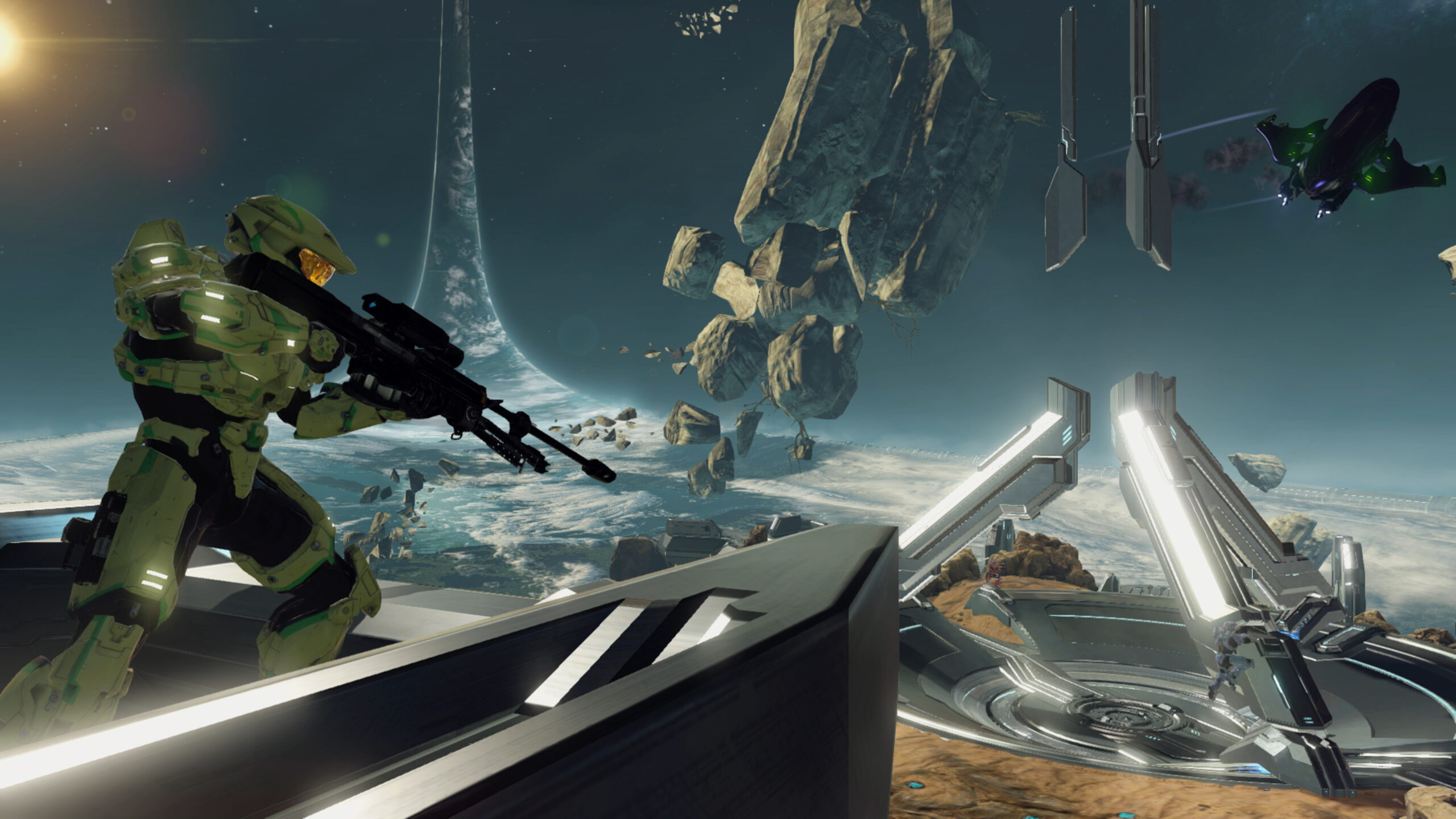
When asked to provide an example, O’Donnell pointed to Halo 2, “I started seeing it a little bit even during our Halo 2, which goes back quite a ways. We were making Halo 2 in 2002, 2003, which was close enough after 9/11. If you know the story of Halo it’s about this group of religious zealots that essentially will commit suicide to keep their religion going. That’s the characters we had for the Covenant.”
He then shared, “That started making Microsoft a little bit nervous because they felt like there could be some backlash from the Muslim community in the Middle East that maybe this could be seen as Islamophobic. All of a sudden we were being asked to be very careful about some names of people or references or phrases and things like that.”
A screenshot from Halo 2: Anniversary (2020), 343 Industries
O’Donnell then detailed how he initially reacted to this, “I started seeing that and I thought, ‘Well, that’s not necessarily unreasonable because we weren’t trying to do some sort of allegory about the political situation in the world that had to do with jihadists and all the rest of it.”
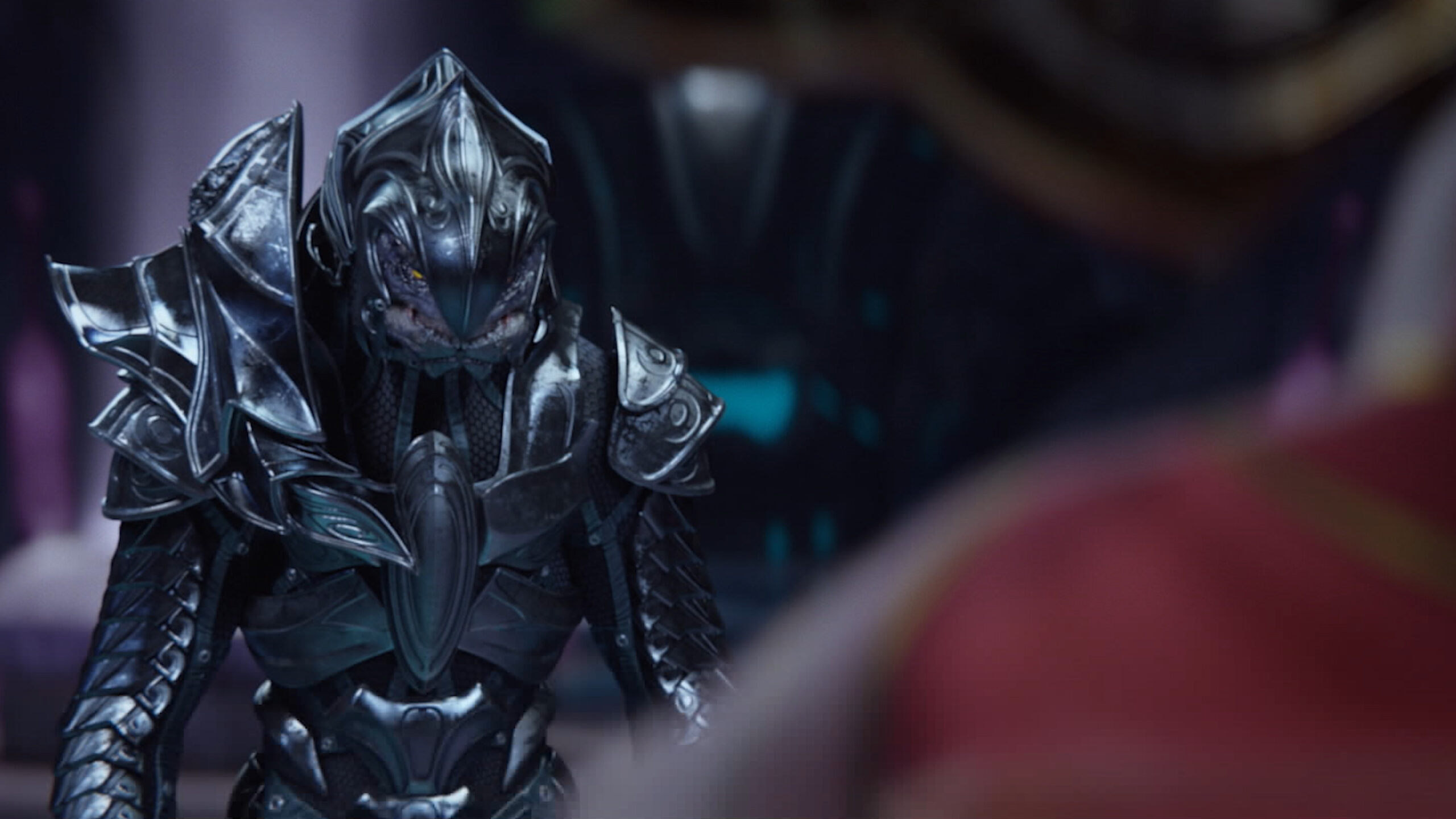
Next, he shared, “Maybe you know this story, but one of our main characters, the Arbiter was not the Arbiter during the whole time we were making Halo 2. The character’s name was the Dervish. And we had recorded all the voice. I had directed all the actors and everybody was using the term Dervish. And then we found out that like this could be seen as an insult because there is an Islamic figure known as dervishes. So we had to change it. We were forced to change that name to a different name. So we came up with the Arbiter.”

A screenshot from Halo 2: Anniversary (2020), 343 Industries
“I was never happy about it,” he continued. “I thought this is an artistic choice. This is what we had from the beginning. We were not making any sort of political or religious comment. We had tons of religious imagery: the ark, halo, the Covenant. All of these things are sort of imbued with religious terminology. So I didn’t see why the Dervish was a problem, but we were forced to change that.
“I could see that the bigger the producer the more fingers would be in the pie trying to mess with things,” he concluded.
A screenshot from Halo 2: Anniversary (2020), 343 Industries
O’Donnell would later detail that video game companies and their parent companies will never pushback against making white men villains. He detailed, “If your plot line deals with an evil white person or an evil corporation, you’re fine. Evil white guys, especially men, and evil corporations no problem. You will never get pushback on that. And that’s been around forever.”
He added, “And you can also be, ‘Yeah, let’s make the Christians hypocrites and bad people.’ That’s easy. You’re never going to get pushback on that.”
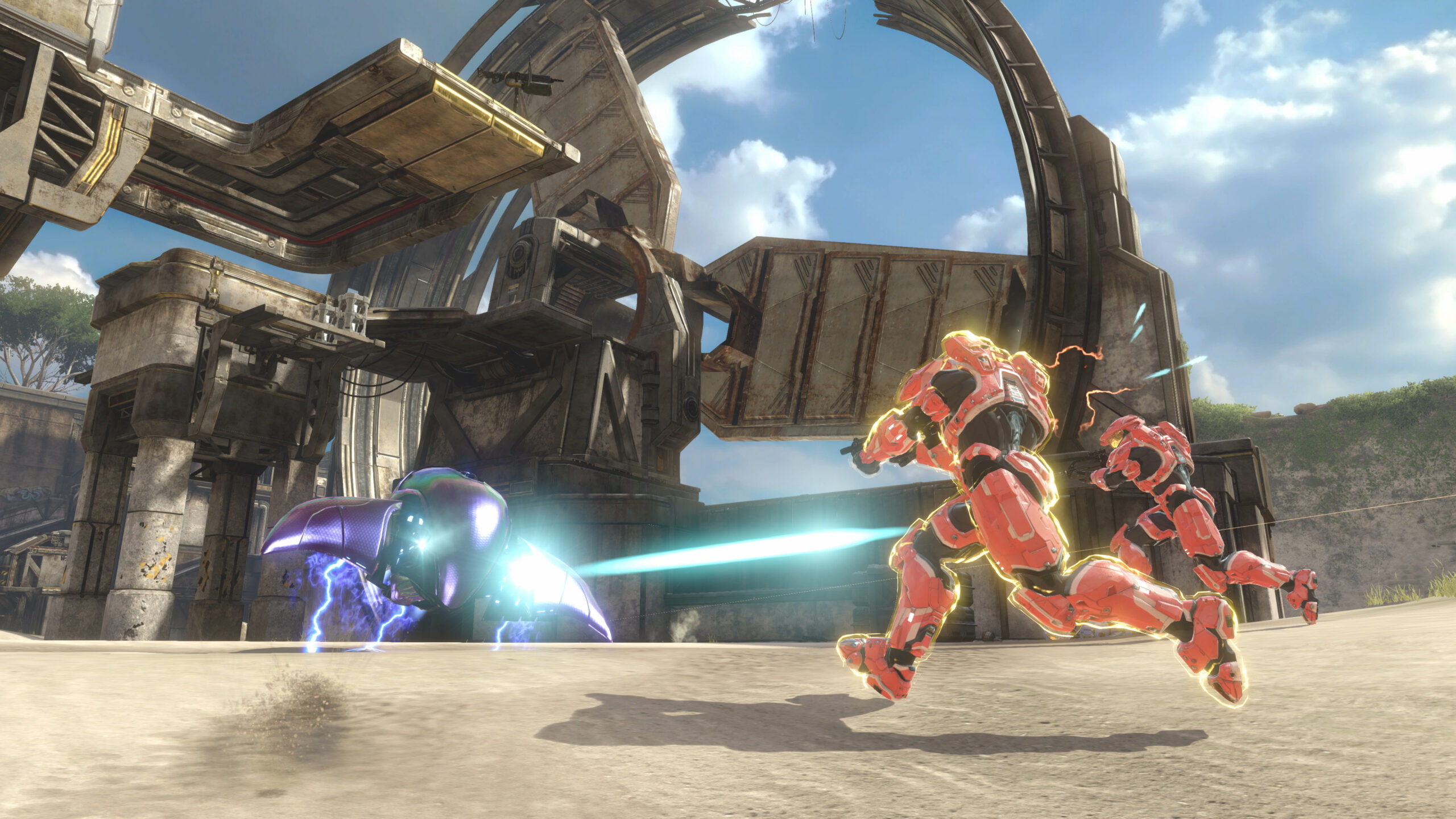
A screenshot from Halo 2: Anniversary (2020), 343 Industries
What do you make of O’Donnell’s assertion that Microsoft operates out of fear and that it began implementing changes with Halo 2?
