


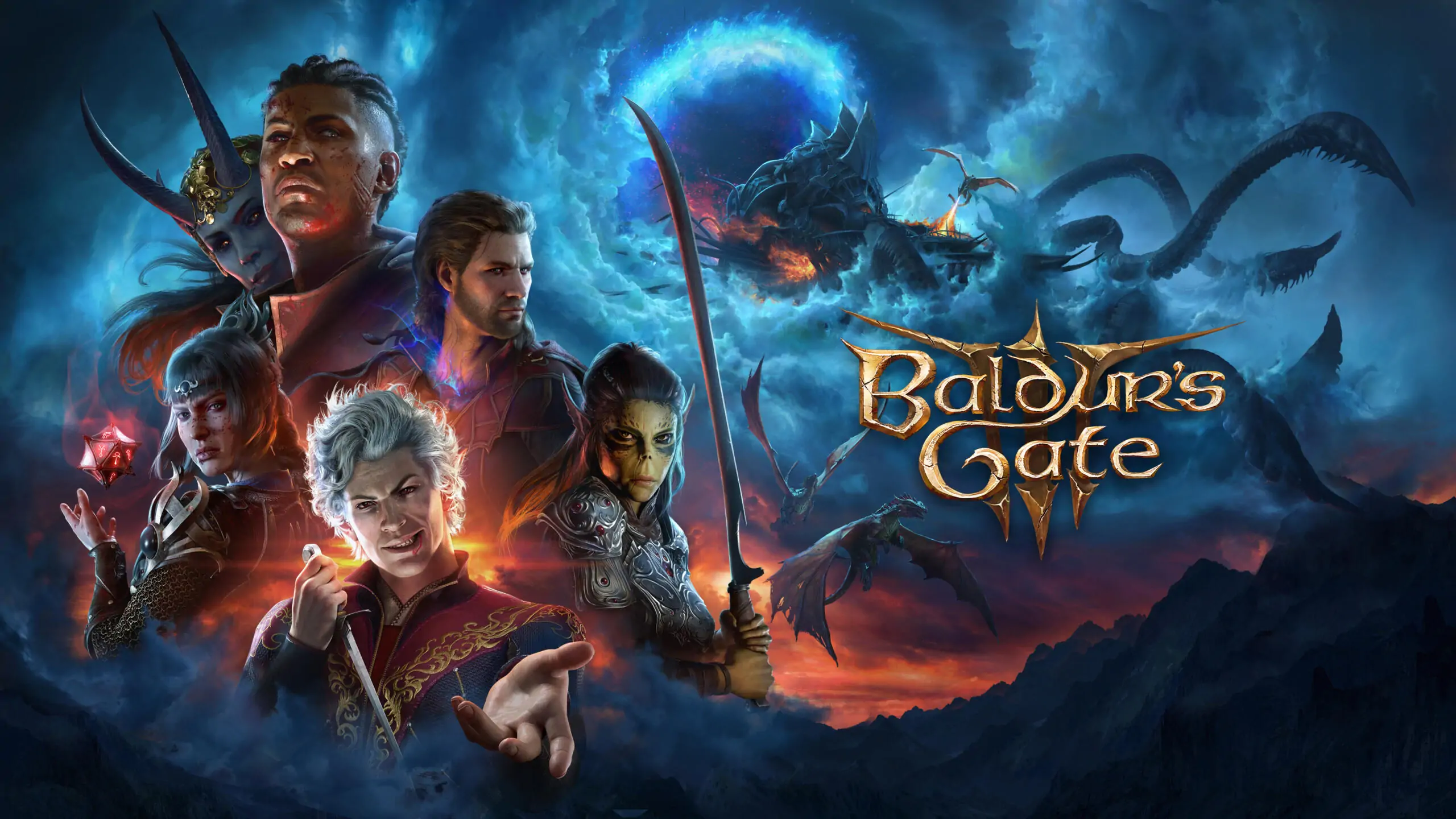
HBO is officially expanding its fantasy slate, and this time it’s diving headfirst into the world of Dungeons & Dragons. A live-action Baldur’s Gate series is now in development — and while that should be cause for celebration among RPG fans, the reaction online has been far more cautious than enthusiastic.
Why?
Because HBO has tapped The Last of Us co-creator Craig Mazin to lead the project.
And given the deeply divisive reception to The Last of Us adaptation — particularly surrounding its narrative deviations, tonal shifts, and heavy-handed thematic messaging — many longtime Baldur’s Gate players aren’t exactly popping champagne.
They’re bracing for impact.
From Critical Darling to Cultural Flashpoint
On paper, Mazin looks like a strong pick.
His work on HBO’s The Last of Us drew critical acclaim, awards attention, and strong viewership. The series was praised in mainstream entertainment press for its emotional storytelling, production value, and faithfulness — at least structurally — to Naughty Dog’s source material.
But audience reception told a far more complicated story.
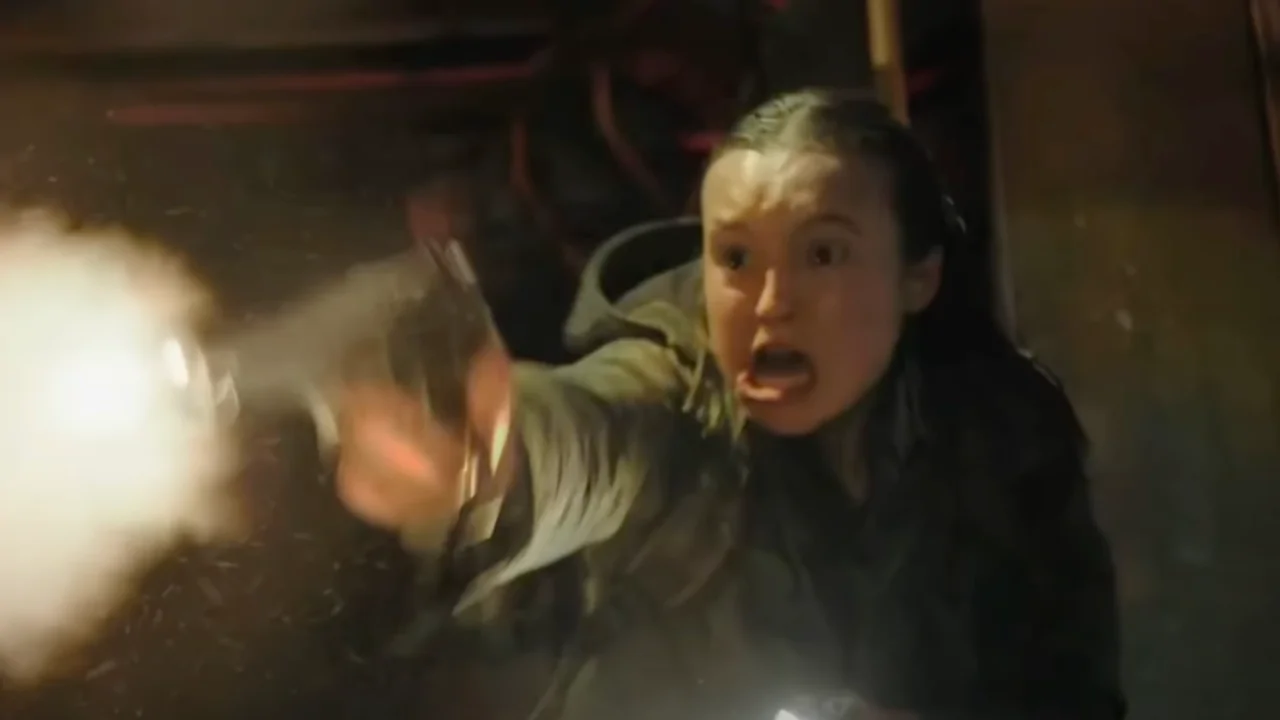
A screenshot of Bella Ramsey as Ellie in The Last of Us HBO Series – HBO Max
READ: Rotten Tomatoes Site Owner Debunks Jimmy Kimmel Claim of Rigged Audience Score for ‘Melania’
While some episodes were widely celebrated, others sparked intense backlash from fans who felt the show prioritized modern ideological themes over narrative cohesion and character integrity. Story expansions and deviations from the game’s tone became lightning rods for criticism, particularly when they sidelined core plot momentum in favor of message-driven storytelling.
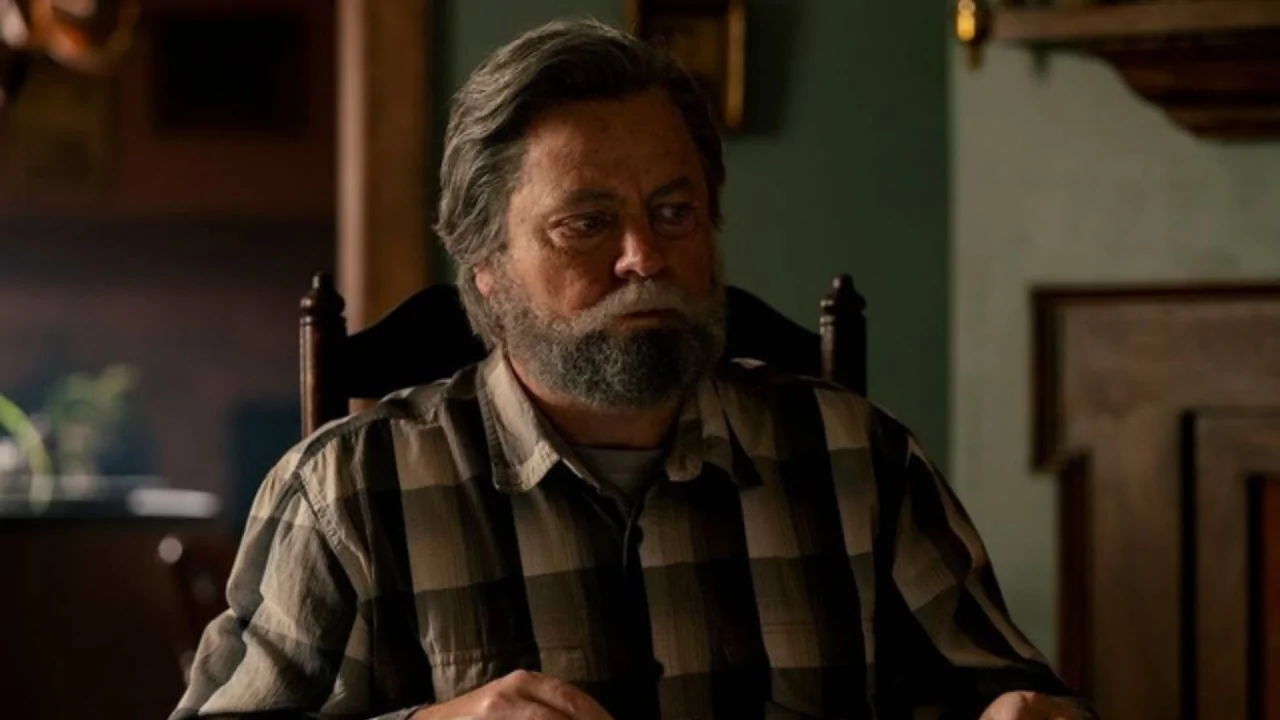
Nick Offerman as Bill in The Last of Us (2023), HBO
That split between critic praise and audience frustration has become a defining hallmark of the show’s legacy.
Which is exactly why Mazin’s involvement in a Baldur’s Gate series is raising eyebrows.
A Post-Game Story — Not a Direct Adaptation
According to early reporting, the HBO project won’t simply retell the events of Baldur’s Gate 3.
Instead, the series is expected to function as a narrative continuation — exploring the aftermath of the game’s storyline while introducing new adventurers who eventually cross paths with established heroes.
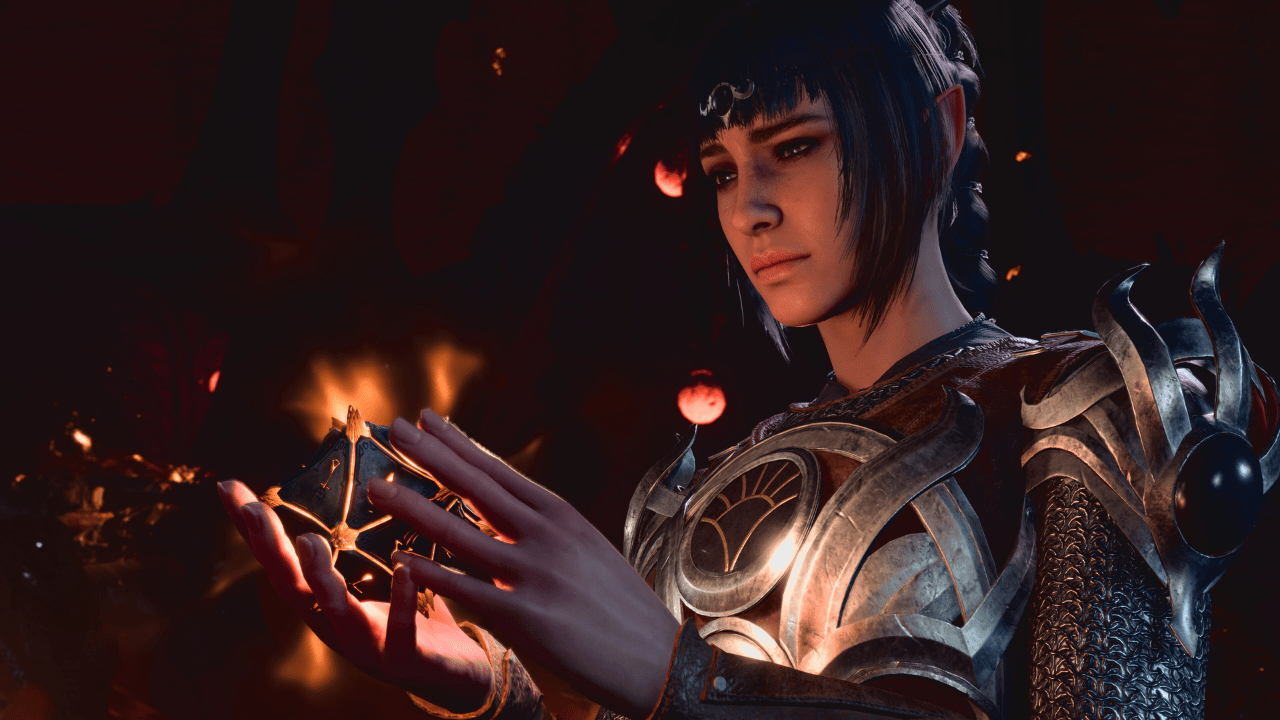
A screenshot from Baldur’s Gate III (2023), Larian Studios
On one hand, that gives the writers creative freedom.
On the other? It removes the guardrails.
The show has far more room to reinterpret lore, reshape characters, and inject new thematic priorities — the very factors that fueled debate around The Last of Us.
Fans who spent hundreds of hours shaping their own branching journeys in Baldur’s Gate 3 are particularly wary of a canon continuation that could overwrite player agency or reinterpret beloved companions.

A screenshot from Baldur’s Gate III (2023), Larian Studios
After all, Baldur’s Gate isn’t a linear story.
It’s a role-playing sandbox built on choice, consequence, and player ownership.
Translating that into a singular TV canon is already a challenge — doing so through a modern prestige-TV lens only amplifies the concern.
Mazin’s Fandom vs. Fan Skepticism
To Mazin’s credit, he is a genuine fan of the franchise.
Reports indicate he has logged nearly 1,000 hours in Baldur’s Gate 3, even completing the notoriously brutal Honor Mode. He has spoken openly about his love for Dungeons & Dragons and his desire to honor the world Larian Studios built.
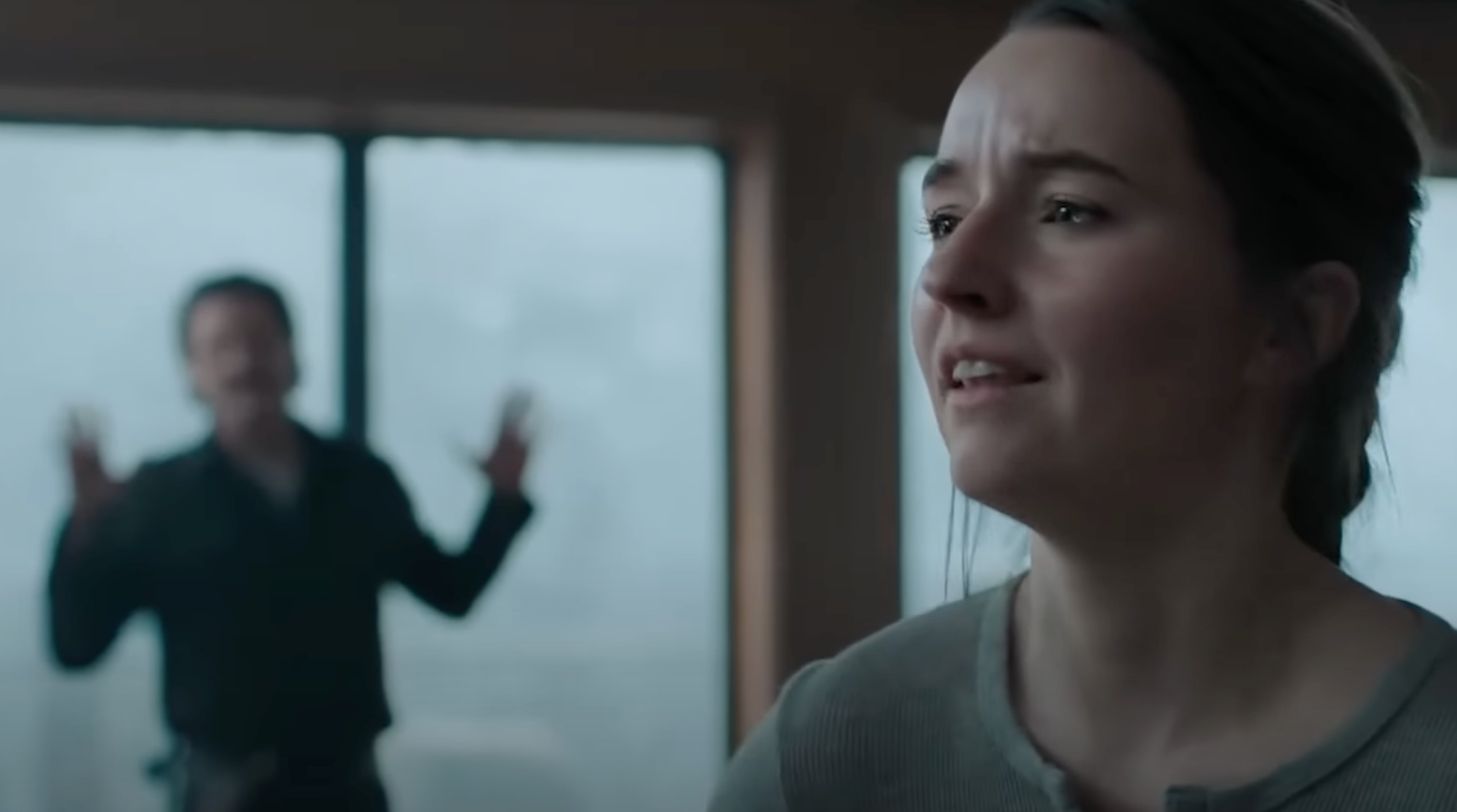
Abby and Joel in The Last of Us Season 2 – Max
That level of familiarity is encouraging.
But fandom alone doesn’t guarantee tonal alignment.
Hollywood is filled with adaptations helmed by self-proclaimed fans that still alienated core audiences once production realities — and studio priorities — entered the equation.
And HBO, like most prestige networks, tends to prioritize awards-friendly storytelling over niche fandom fidelity.

Matt Smith as Prince Daemon Targaryen in House of the Dragon (2022), HBO
That formula has produced hits.
It’s also produced friction.
The Shadow of “Virtue Signaling” Concerns
One of the biggest sticking points surrounding the Baldur’s Gate series announcement is the fear that the show will lean into the same messaging critics associated with The Last of Us.
Fantasy, perhaps more than any other genre, is particularly vulnerable to tonal imbalance when contemporary social commentary overshadows world-building.
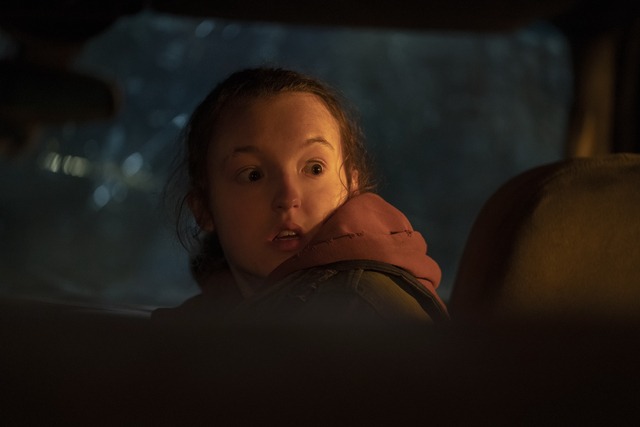
Bella Ramsey as Ellie Williams in The Last of Us (2023), HBO
Baldur’s Gate thrives on moral ambiguity, political intrigue, religious conflict, and personal corruption. Its storytelling is already layered with mature themes — but those themes emerge organically from the Forgotten Realms setting rather than being imposed externally.
Fans worry that modern TV adaptation trends could flatten that nuance into more overt ideological framing, replacing player-driven moral complexity with lecture-style storytelling.
Whether that fear proves justified remains to be seen.
But the concern is loud — and growing.
A Major Franchise Investment
From a business standpoint, the project makes perfect sense.
Baldur’s Gate 3 was a cultural and commercial juggernaut — pulling in millions of players, sweeping Game of the Year awards, and revitalizing mainstream interest in CRPGs.

A screenshot from Baldur’s Gate III (2023), Larian Studios
Hasbro, which owns the Dungeons & Dragons IP, is aggressively expanding its entertainment footprint. Partnering with HBO positions the franchise alongside prestige fantasy heavyweights rather than lower-budget streaming fare.
The series will reportedly exist within a shared live-action D&D universe, running parallel to other Forgotten Realms projects in development.
In other words:
This isn’t a one-off experiment.
It’s franchise architecture.
The Adaptation Tightrope
Adapting Baldur’s Gate is uniquely difficult.
Unlike The Last of Us, which follows a fixed protagonist journey, Baldur’s Gate is defined by player freedom:
- Multiple endings
- Companion loyalty arcs
- Branching moral choices
- Romance paths
- World-altering decisions
Any canonical storyline inevitably invalidates countless player experiences.

A scene from Baldur’s Gate III (2023), Larian Studios
That makes tone, respect for lore, and character authenticity even more critical.
If the show leans too far into reinterpretation, it risks alienating the very audience that made the franchise explode in popularity.
If it plays things too safe, it risks feeling narratively toothless.
Walking that line will define whether the Baldur’s Gate series becomes HBO’s next fantasy pillar — or its next fandom flashpoint.
Cautious Optimism — With an Asterisk
Right now, there’s no cast, no release window, and no footage. Which means the reaction cycle is running purely on creative leadership and industry precedent.
Mazin’s résumé brings prestige credibility.
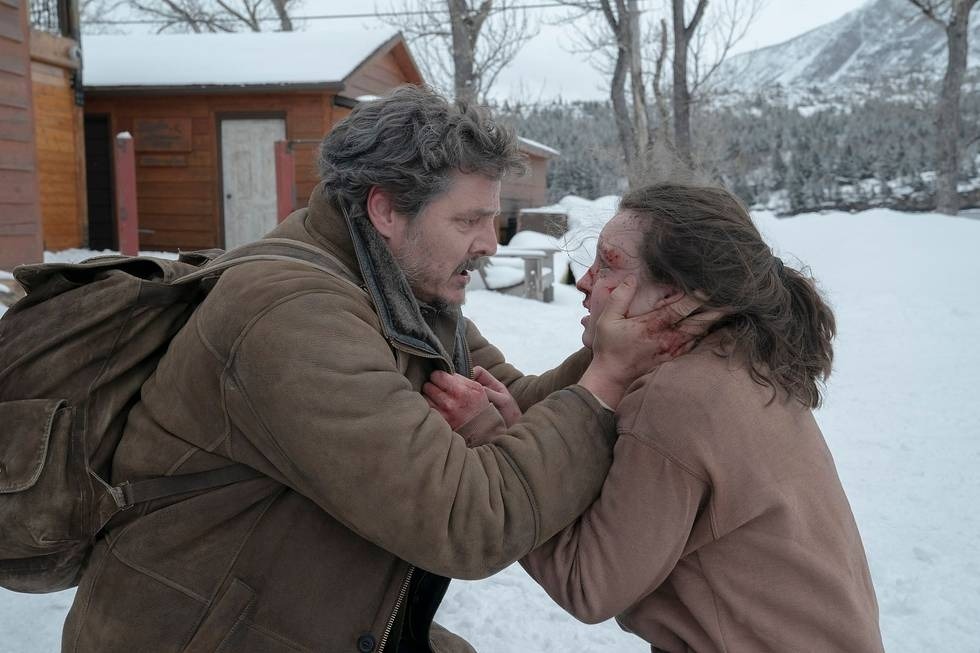
Pedro Pascal as Joel and Bella Ramsey as Ellie in The Last of Us (2023), HBO
It also brings baggage from a show that split audiences down the middle.
For fans, that creates a strange emotional cocktail: Excitement about seeing Faerûn realized in live action… Tempered by concern about how faithfully — or ideologically — that world will be portrayed.
Because if there’s one lesson Hollywood adaptations keep teaching audiences, it’s this: Loving the source material and adapting it faithfully are not always the same thing.
And until viewers see which direction HBO chooses, optimism around the Baldur’s Gate series will remain measured — not absolute.
UP NEXT: Hollywood Scrambles as Melania Documentary and YouTuber-Funded Film “Iron Lung” Dominate Box Office
