


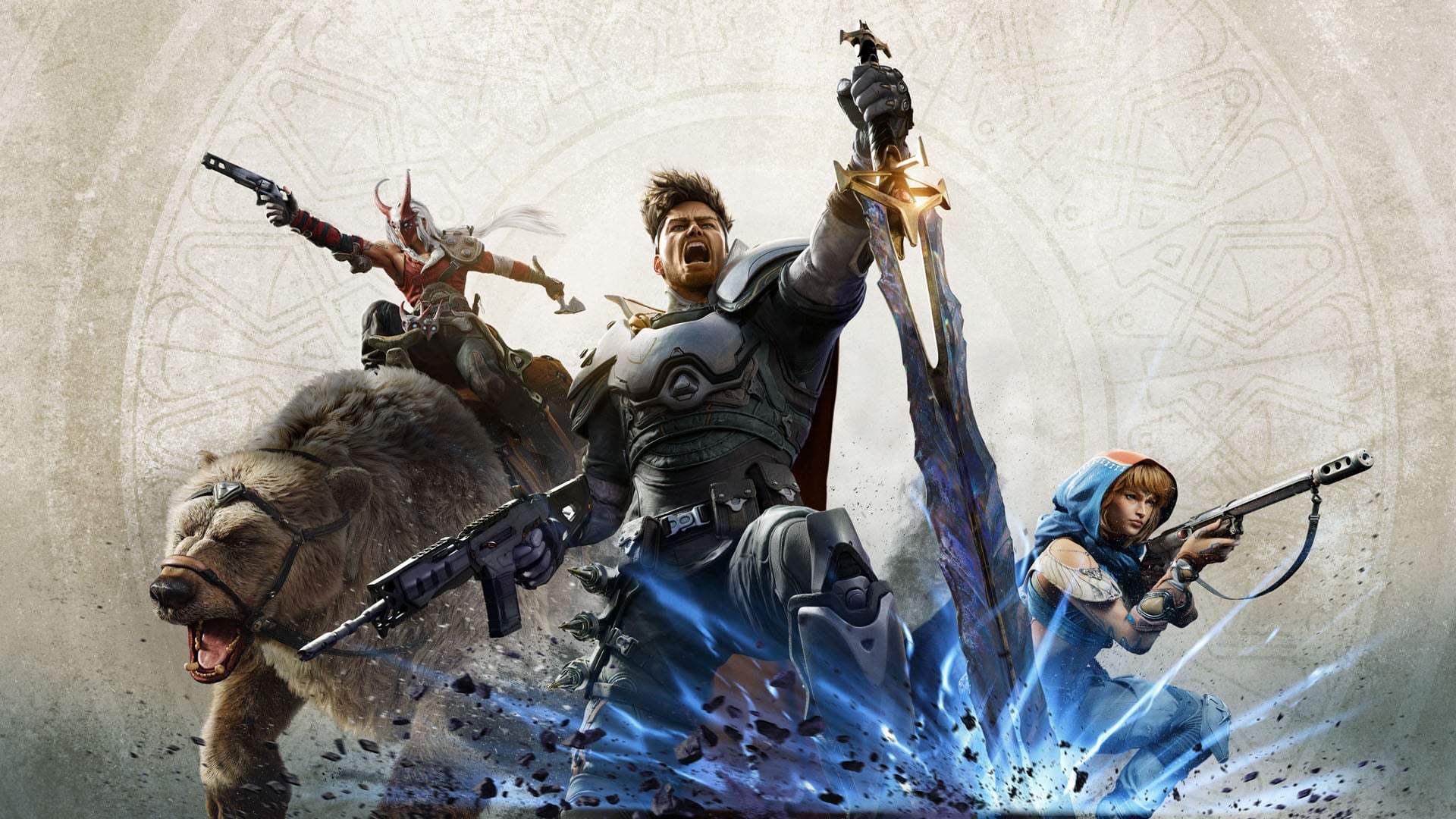
The fallout surrounding Highguard has escalated at a staggering pace, with developer Wildlight Entertainment confirming staff cuts and mass layoffs just two weeks after the game’s launch — a timeline that demonstrates just how volatile the modern live-service market has become.
What was once positioned as a major new contender in the co-op raid shooter space has now become a cautionary tale almost overnight.
And when you look at the numbers behind the game’s performance, the studio’s decision becomes far less surprising.
Player Counts Collapse After Early Curiosity Spike
Like many live-service titles before it, Highguard entered the market riding a wave of marketing visibility and industry promotion.
The game enjoyed a prominent showcase cycle, including exposure during Geoff Keighley’s The Game Awards, which helped drive early curiosity (and scrutiny) at launch.
That curiosity translated into an initial surge of 97,000+ concurrent players at peak. However, that success was short lived and the player count dropped below 10,000 within days.

The concurrent players for Highguard – Steam
Fast forward to today, just two weeks later, and there are only 2,083 concurrent players on Steam.
For a title built entirely around cooperative engagement and matchmaking ecosystems, that kind of drop is beyond concerning.
Live-service games depend on active communities to function. Once concurrency dips below sustainability thresholds, queue times spike, matchmaking falters, and player retention worsens in a feedback loop that becomes difficult to reverse.
In short: population collapse can kill a live-service game faster than almost anything else.
Wildlight Confirms Staff Cuts
Following mounting reports from developers speaking out online, Wildlight Entertainment issued an official statement confirming layoffs had taken place.
Today we made an incredibly difficult decision to part ways with a number of our team members while keeping a core group of developers to continue innovating on and supporting the game.
We’re proud of the team, talent, and the product we’ve created together. We’re also grateful…
— Wildlight Entertainment (@WildlightEnt) February 12, 2026
The studio said: “Today we made an incredibly difficult decision to part ways with a number of our team members while keeping a core group of developers to continue innovating on and supporting the game.”
The company did not disclose how many employees were affected.
However, posts from staff suggested the cuts were significant, with some claiming that large portions of the team were impacted.
Wildlight added that it intends to continue supporting the game with a smaller internal group — though what that means long-term remains unclear.
Live-Service Roadmap Now In Question
The confirmation of Highguard layoffs immediately raises concerns about the title’s post-launch roadmap.
Live-service shooters typically rely on aggressive content pipelines, including:
- Seasonal expansions
- Balance updates
- New raids and maps
- Cosmetic monetization drops
All of those require staffing bandwidth.
With team size now reduced, players are left wondering whether previously planned content will still materialize — or whether the roadmap is about to be scaled back dramatically.
History suggests the latter is often the case.
From Showcase Darling To Industry Warning Sign
What makes Highguard’s situation notable is how quickly the perception shift occurred.
Pre-launch marketing framed the game as a major genre entrant. But once players got hands-on, reception cooled rapidly.
Common criticisms included:
- Overly complex gameplay systems
- Lack of long-term progression hooks
- Genre fatigue in the co-op shooter space
That combination proved deadly for retention — the single most important metric for live-service sustainability.
Curiosity may drive installs, but only engagement drives survival.
A Growing Pattern Across The Industry
Unfortunately, the Highguard layoffs story isn’t an isolated incident. It reflects a broader industry trend tied to the high-risk economics of live-service development.

An image from Highguard – Wildlight Entertainment
Studios are increasingly betting on:
- Free-to-play monetization models
- Seasonal engagement loops
- Cosmetic economies
- Long-tail retention projections
When those bets pay off, studios scale rapidly.
When they don’t, layoffs often follow — sometimes within weeks of release rather than years.
The margin for error has never been thinner.
The Road Ahead For Highguard
For now, Highguard remains live, and Wildlight insists ongoing support will continue.
But the combination of collapsing player counts and confirmed staffing cuts places the game in a precarious position moving forward.

Highguard – Wildlight Entertainment
The remaining developers face a steep challenge:
Stabilize engagement… or risk joining the growing graveyard of short-lived live-service experiments.
Are you surprised by these Highguard layoffs? Sound off in the comments and let us know!
UP NEXT: RUMOR: Another Nintendo Direct May Happen This Month & Include New 3D Mario Title Announcement
