


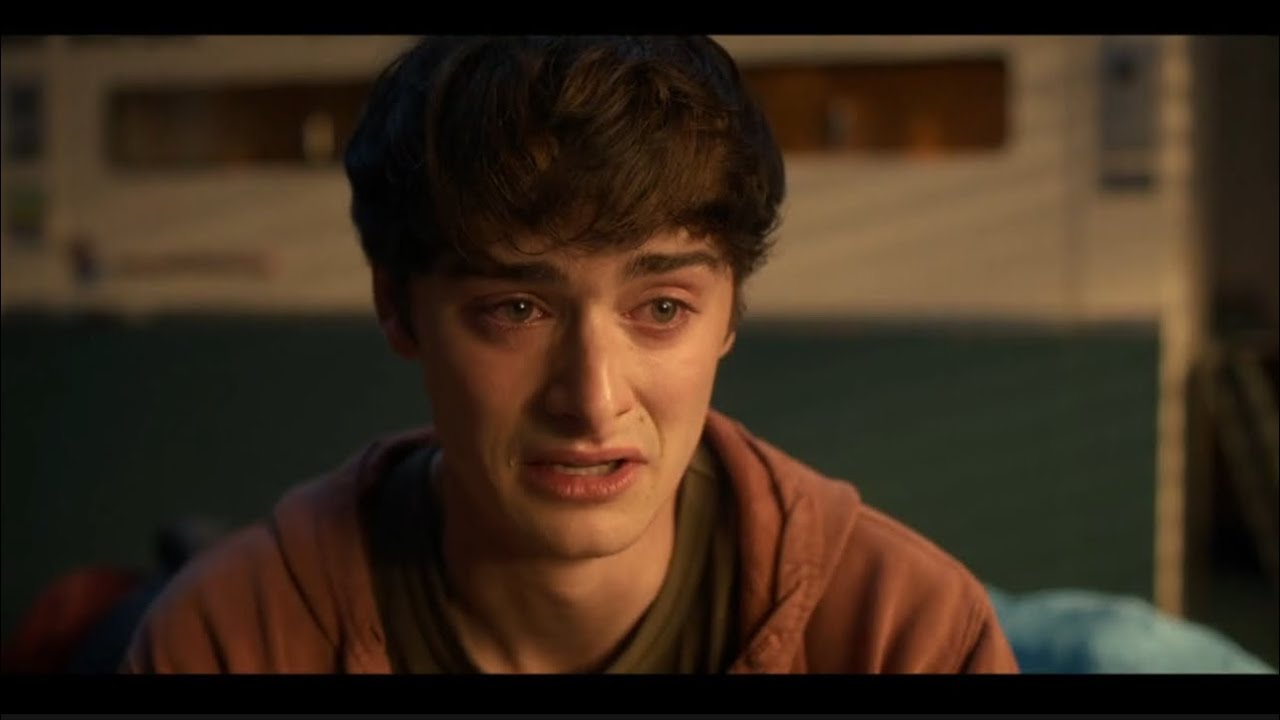
The Hollywood media has fallen back on its favorite shield yet again, and this time it’s being deployed to protect one of Netflix’s most valuable franchises. According to Variety, the backlash to Stranger Things Season 5 isn’t about pacing, bloated storytelling, poor character prioritization, or a collapsing narrative — no, it’s “review bombing.”
That word has become the industry’s all-purpose defense. Whenever audiences reject a creative decision the media class has already decided is virtuous, the criticism must be illegitimate. It must be hateful. It must be organized and political. It must be acting in bad faith.
It can’t possibly be that people just didn’t like what they were served…
The Numbers Tell a Story — And It’s Not the One Variety Wants
Season 5’s audience score on Rotten Tomatoes dropped sharply into the mid-50% range within days of the second volume’s release, officially landing the season in “rotten” territory. That’s not a rounding error. That’s not noise. That’s a massive collapse compared to prior seasons, which routinely hovered in the high 80s and 90s with fans.
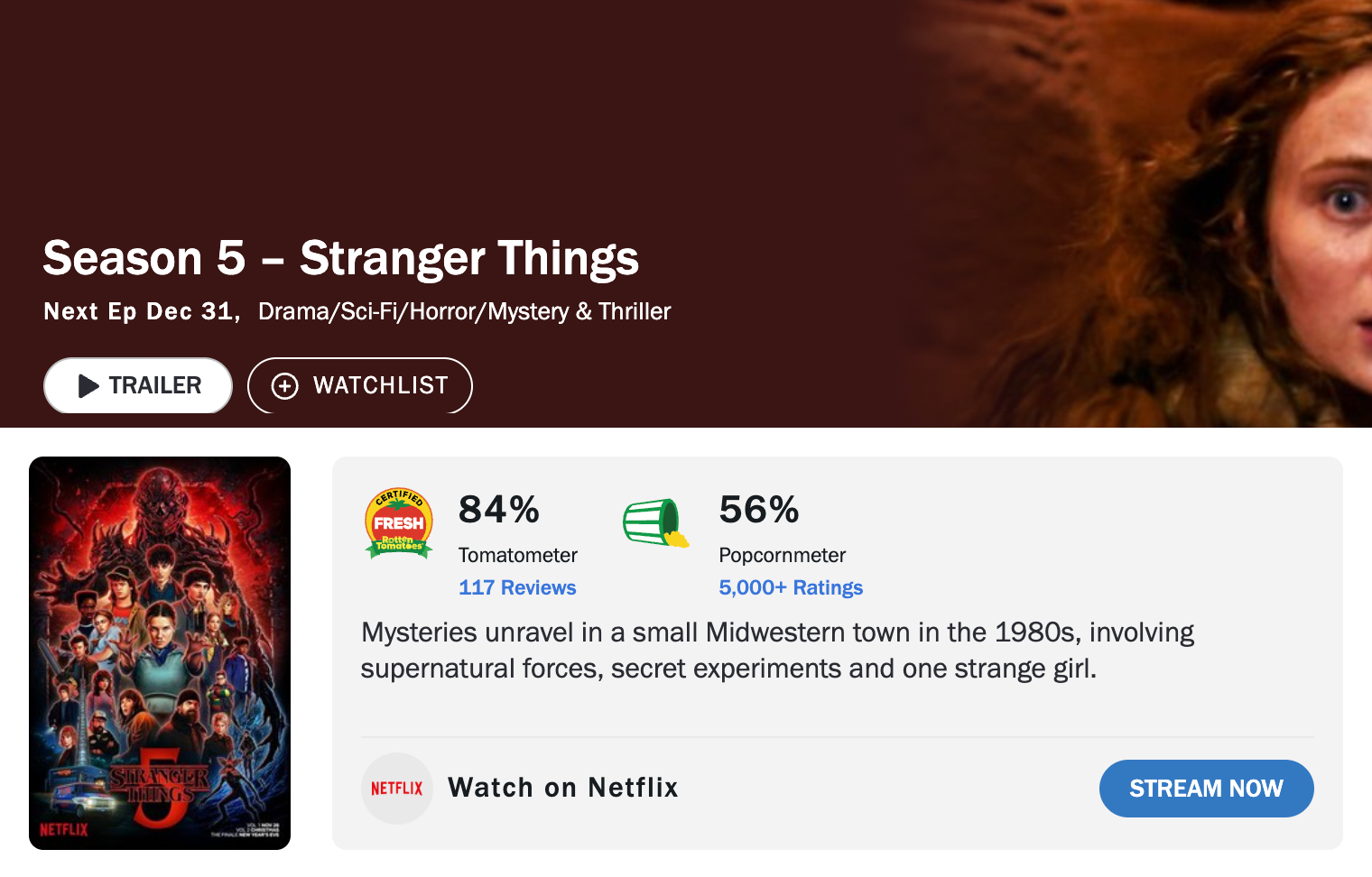
Review scores for Stranger Things Season 5 on December 29, 2025 – Rotten Tomatoes
On IMDb, the episode titled “The Bridge” — the one Variety insists was unfairly targeted — is now the lowest-rated episode in the entire series. It sits far below the show’s usual standards and stands out dramatically from every other episode this season.
And yes, it has far more user reviews than the surrounding episodes.
But that isn’t evidence of malice. It’s evidence of engagement.
More Reviews Don’t Mean Bad Faith — They Mean People Cared Enough to Speak
Review aggregation sites exist for one reason: to allow audiences to react when something resonates — or when it goes off the rails.
If a restaurant serves acceptable meals every night and then, on one particular evening, starts serving soup with human hair floating in it, that night is going to generate a flood of angry Yelp reviews. That doesn’t mean the restaurant was “review bombed.” It means customers had a bad experience and decided to say so.
That’s what happened here.
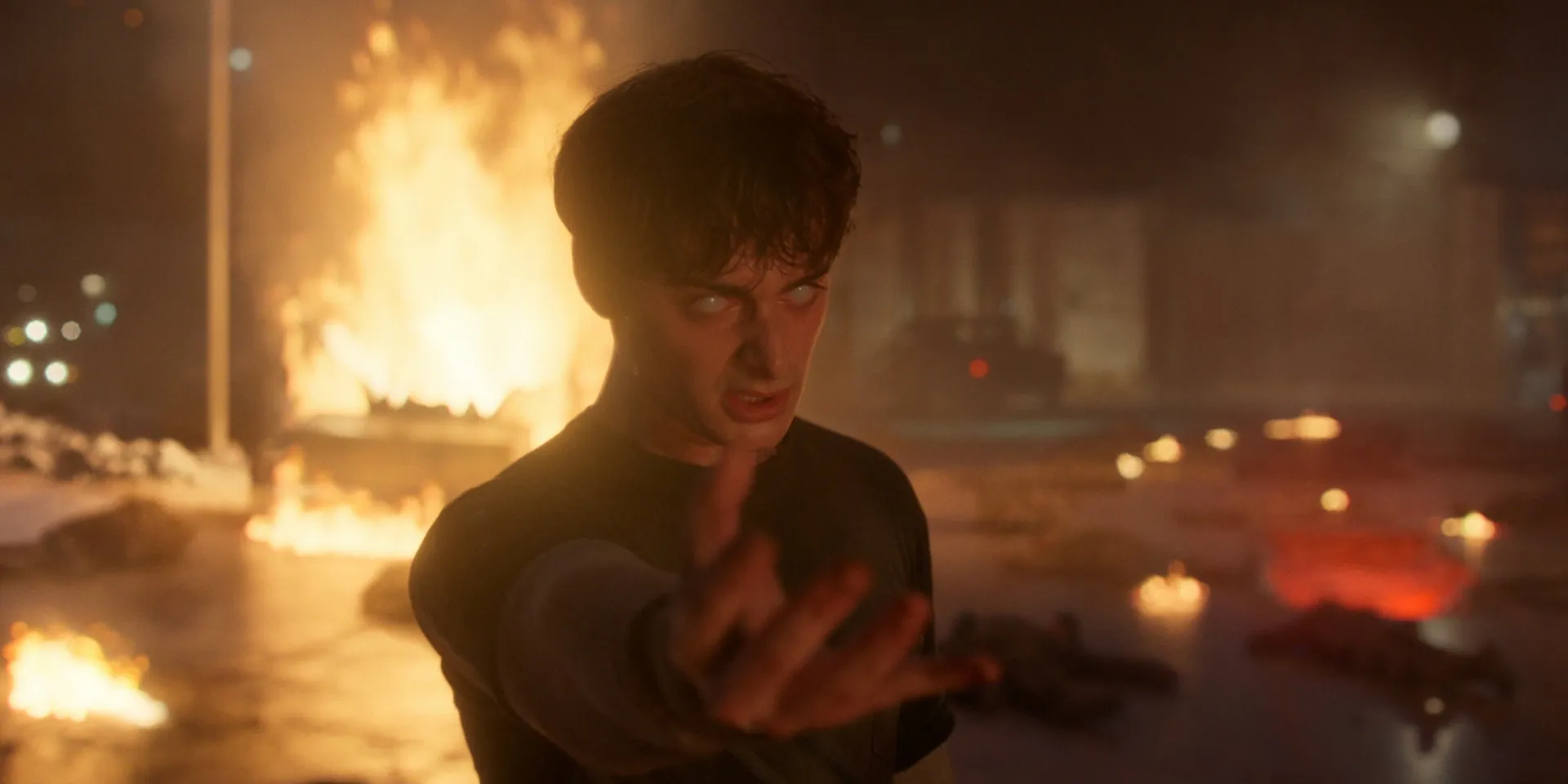
Noah Schnapp in an emotional moment as Will Beyers in Stranger Things 5 – Netflix
People watched “The Bridge.” They saw a world-ending plot grind to a halt so the show could deliver a lengthy, protected monologue that the creative team clearly viewed as untouchable. They didn’t like that decision. They felt the priorities were wrong. And they responded using the tools that were literally built for such a purpose.
Calling that “bad faith” is insulting.
The Real Sin: Treating Identity as Narrative Armor
Variety frames the backlash as though viewers were shocked by Will Byers’ feelings — despite the fact that the show has been telegraphing this aspect of the character for years. That framing is deliberately dishonest.
The issue isn’t what was said. It’s when it was said, how it was staged, and why it was elevated above everything else.
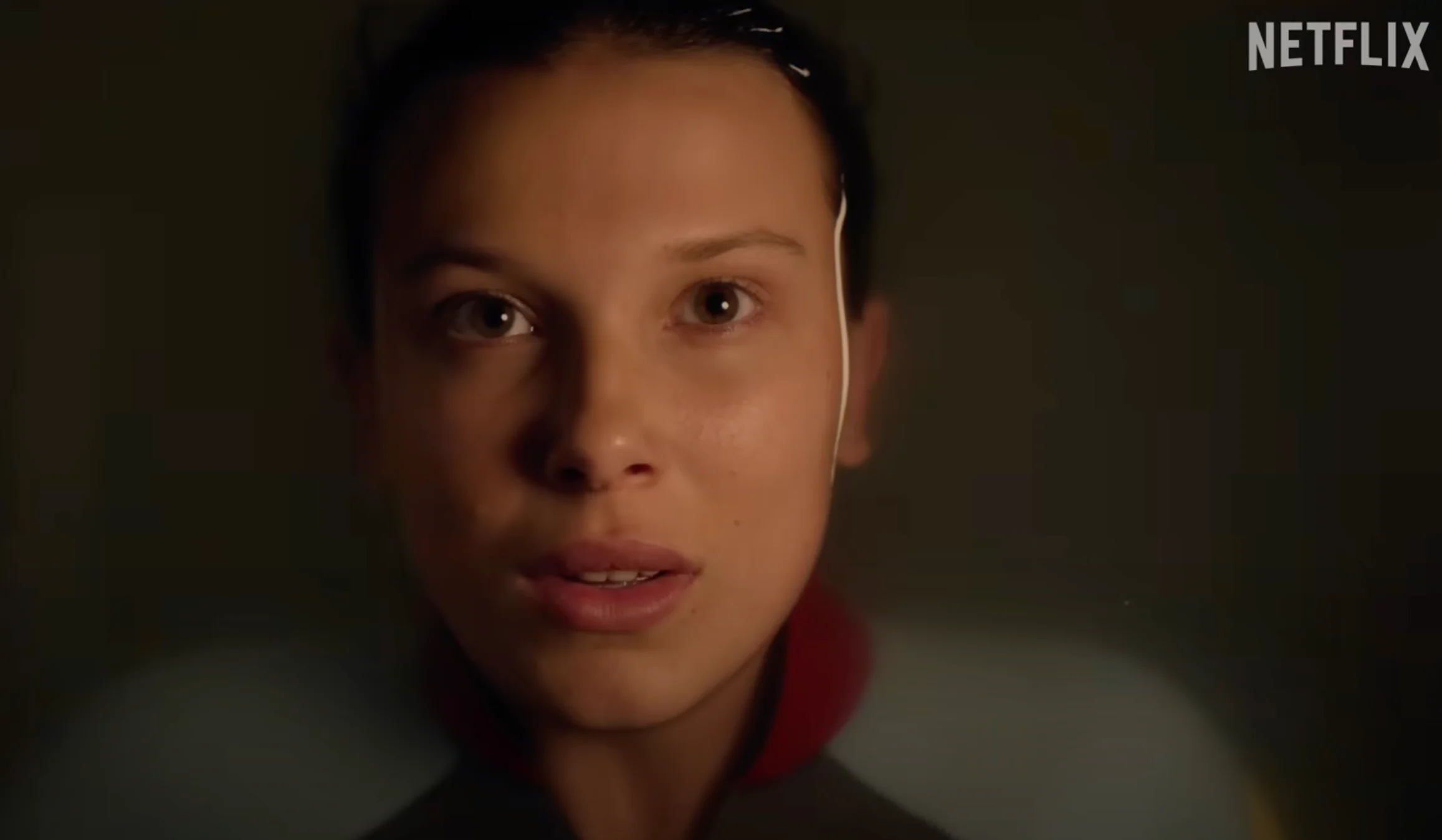
A scene from the teaser trailer for Stranger Things 5 – YouTube, Netflix
This isn’t even the first time a character has “come out” on the show. The character of Robin came out to Steve in season 3 and no one batted an eye because it was a personal contained aside from one character to another. It didn’t bring the penultimate episode of the entire series to a screeching halt and portray one character’s sexuality as the key to saving the world.
This wasn’t character development woven naturally into the story. This was a narrative red carpet rolled out in the middle of an apocalypse, with the expectation that the audience would suspend all criticism because of the subject matter. And when they didn’t, the media immediately rushed in to explain why the audience was wrong.
That isn’t criticism. That’s activism disguised as entertainment journalism.
Variety Doesn’t Just Report — It Polices
The most revealing part of Variety’s coverage isn’t the data it cites — it’s the conclusions it draws. The article goes out of its way to frame dissent as toxic, to lump frustrated viewers in with internet extremists, and to repeatedly imply that negative reactions must stem from moral failure rather than creative disappointment.
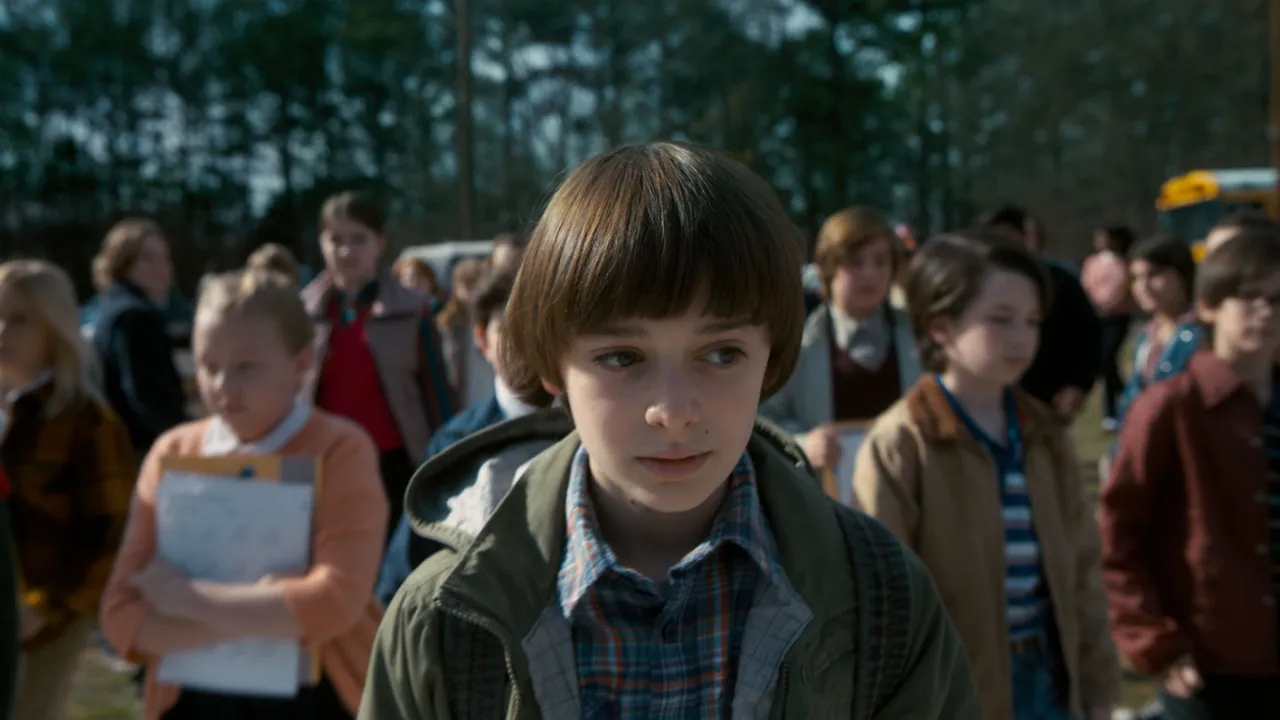
Noah Schnapp Plays Will Beyers in Stranger Things – Netflix
This is the same playbook Hollywood has used for years. When critics and audiences diverge sharply, the audience must be corrected. Their voices must be contextualized, sanitized, and ultimately dismissed.
But here’s the inconvenient truth: audiences are allowed to dislike things. They’re allowed to feel alienated. They’re allowed to say, “This wasn’t good,” even if the media wishes they wouldn’t.
Review Bombing Is the Excuse — Not the Explanation
Labeling this backlash as “review bombing” isn’t analysis. It’s damage control.
It allows outlets like Variety to avoid asking uncomfortable questions about whether Stranger Things has grown too bloated, too self-important, and too obsessed with making statements instead of telling a tight story.
It also sends a clear message to viewers: your feedback only matters when it aligns with ours.
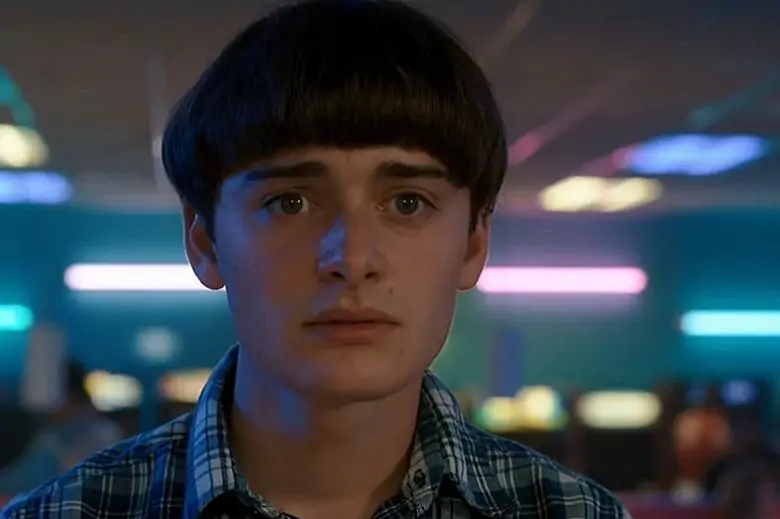
Noah Schnapp plays will Beyers in Stranger Things Season 4 – Netflix
That’s not giving the audience a voice. It’s telling them to sit down and be quiet.
And after five seasons, it looks like a lot of people have decided they’re done listening.
Do you think Stranger Things suffered from review bombing or legitimate criticism? Sound off in the comments and let us know!
UP NEXT: Biblical Film David Holds Strong at Box Office in Second Weekend With Healthy Drop and Top-10 Finish
