


Every December, Hollywood insists it still “gets” Christmas. The industry releases a handful of holiday films, floods streaming platforms with seasonal content, and assures audiences that the spirit of the season is alive and well.
And every December, audiences quietly reject most of it.
Instead, they return—again and again—to the same older films. It’s a Wonderful Life. A Christmas Story. Home Alone. Even Die Hard (thought that isn’t a Christmas movie…). These movies aren’t just watched; they’re ritualized. They’re passed down. They’re treated as part of the holiday itself.
Hollywood’s response is always the same: nostalgia. People just like what they grew up with. Times have changed.

A wreathe and Cinderella Castle in the Magic Kingdom at Walt Disney World for Christmas – Photo Credit: That Park Place
But that explanation doesn’t hold up. Audiences aren’t clinging to the past because they’re sentimental. They’re doing it because Hollywood has fundamentally lost its understanding of what Christmas stories are supposed to be.
This is the real Hollywood war on Christmas—not an attack from the outside, but a quiet abandonment from within.
When Sincerity Became a Liability
Christmas storytelling only works when it’s sincere. Not ironic. Not self-aware. Not embarrassed by its own emotions.
The great Christmas films aren’t subtle about what they believe in. They’re about family, sacrifice, redemption, generosity, forgiveness, and hope. They’re earnest to the point of discomfort—and they never apologize for it.
Modern Hollywood, on the other hand, treats sincerity like a creative risk. Holiday stories are now wrapped in sarcasm, layered with winks to the audience, or stripped of anything that might feel too traditional, too emotional, or too specific.
The result is content that technically looks like Christmas but doesn’t feel like it.
Audiences sense that immediately. Christmas is the one season where people actively reject cynicism. They don’t want commentary from Seth Rogen and Sarah Silverman. They don’t want deconstruction. They don’t want to be told why traditions are outdated or complicated.
They want to feel something real.
The Problem With Making Christmas ‘Safer’
Hollywood didn’t arrive at this place by accident. Over time, the industry became increasingly uncomfortable with the idea of Christmas as a defined cultural moment. Instead of embracing that specificity, studios tried to sand it down—making holiday stories more “neutral,” more generalized, more carefully worded.
But Christmas doesn’t survive dilution. It survives meaning.

The Osborn Family Spectacle of Dancing Lights in Disney’s Hollywood Studios – Photo Credit: Follow The Bradleys’ Fun
You can see the same instinct playing out beyond Hollywood. In cities across the country, Christmas trees still go up in public spaces—but they’re often relabeled as “holiday trees,” as if changing the name somehow changes the tradition. The lights remain. The ornaments remain. The symbolism remains. Only the word “Christmas” quietly disappears.
That same impulse has reached corporate America in full force. Even companies that once embraced Christmas without hesitation now approach it cautiously, as though acknowledging the holiday directly might cause discomfort.

The Magic Kingdom Christmas Tree in Walt Disney World – Photo Credit: That Park Place
The Walt Disney Company provides one of the clearest examples. Disney built its brand on seasonal magic, and for decades its parks openly celebrated Christmas. In recent years, however, even Disney has shifted its language—referring to Christmas trees as “holiday trees” while maintaining all the same visuals.
Nothing was added. Something was removed.
And that removal is the point.
Audiences Didn’t Change—Hollywood Did
Hollywood executives often insist that tastes have evolved, that audiences want something different now. But the data—and the behavior—say otherwise.
Every year, viewers ignore most new holiday releases and return to older films that refuse to be embarrassed by Christmas. These movies don’t hedge. They don’t apologize. They don’t distance themselves from tradition. They embrace it fully.
That’s not nostalgia. It’s preference.

The Grinch during Grinchmas at Universal Orlando’s Suess Landing for Christmas – NBC Universal
Audiences aren’t asking Hollywood to go backward. They’re asking it to stop flinching.
Christmas isn’t a problem to be managed. It’s not a brand risk. It’s not a word that needs to be softened or avoided. It’s a holiday built on meaning, and stories that strip that meaning away don’t endure—no matter how many times they’re promoted.
Why Hollywood Keeps Getting This Wrong
The modern entertainment industry is obsessed with control. Control of tone. Control of messaging. Control of interpretation.
Christmas resists all of that.
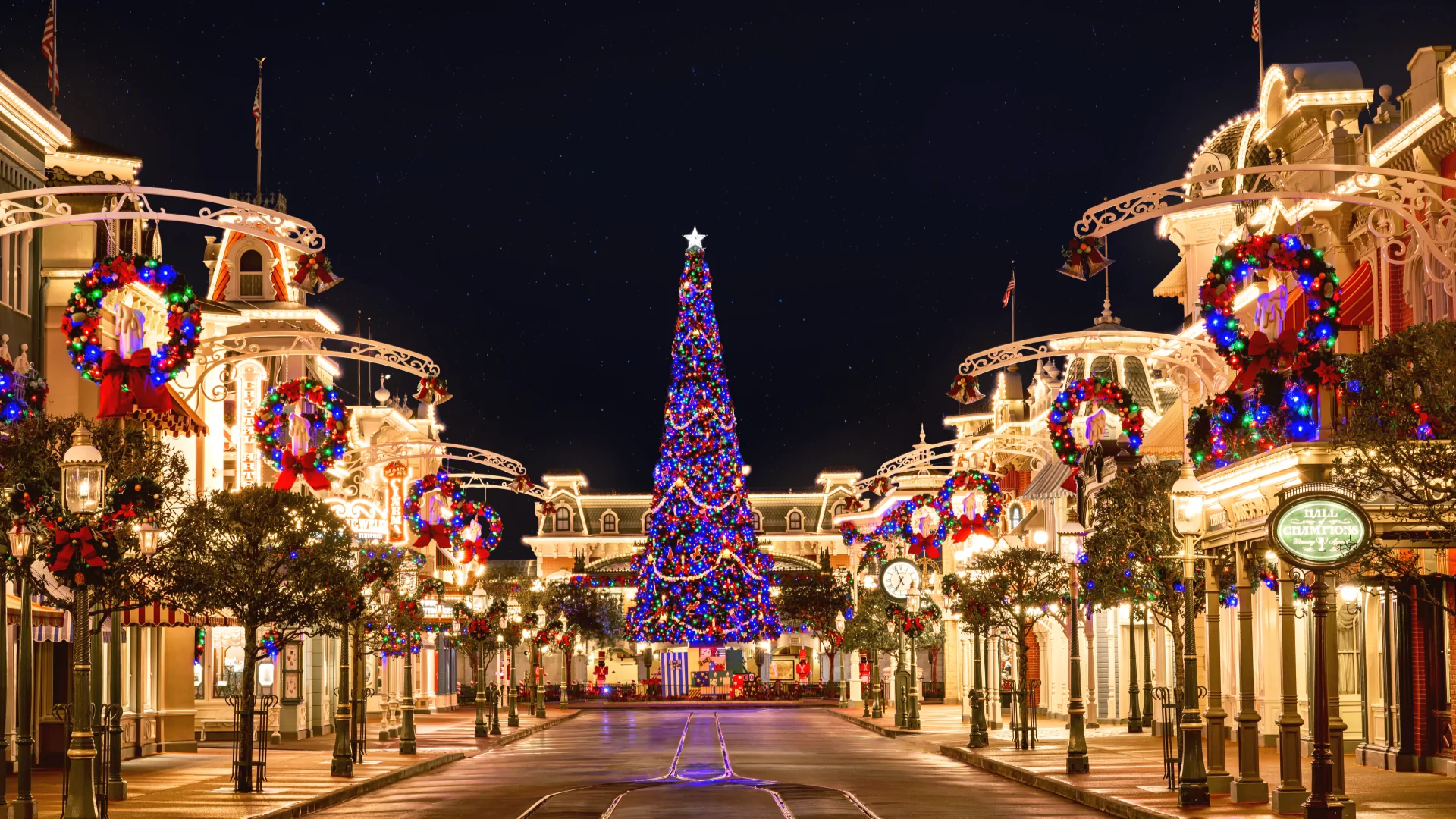
Main Street USA during Christmas season at night – Disney Parks Blog
You can’t engineer sincerity. You can’t workshop belief. And you can’t algorithm your way to a classic.
The reason Hollywood keeps losing the plot on Christmas is simple: it no longer trusts the very ideas that made the holiday stories work in the first place.
And until that changes, audiences will keep doing what they’ve already decided to do—turning away from new releases and gathering around the same old films that still remember what Christmas is supposed to mean.
Have a safe, happy, healthy, and entirely Merry Christmas, from all of us at That Park Place.
UP NEXT: Steve Rogers Returns in First Avengers: Doomsday Trailer — But Does Anyone Care at This Point?
