


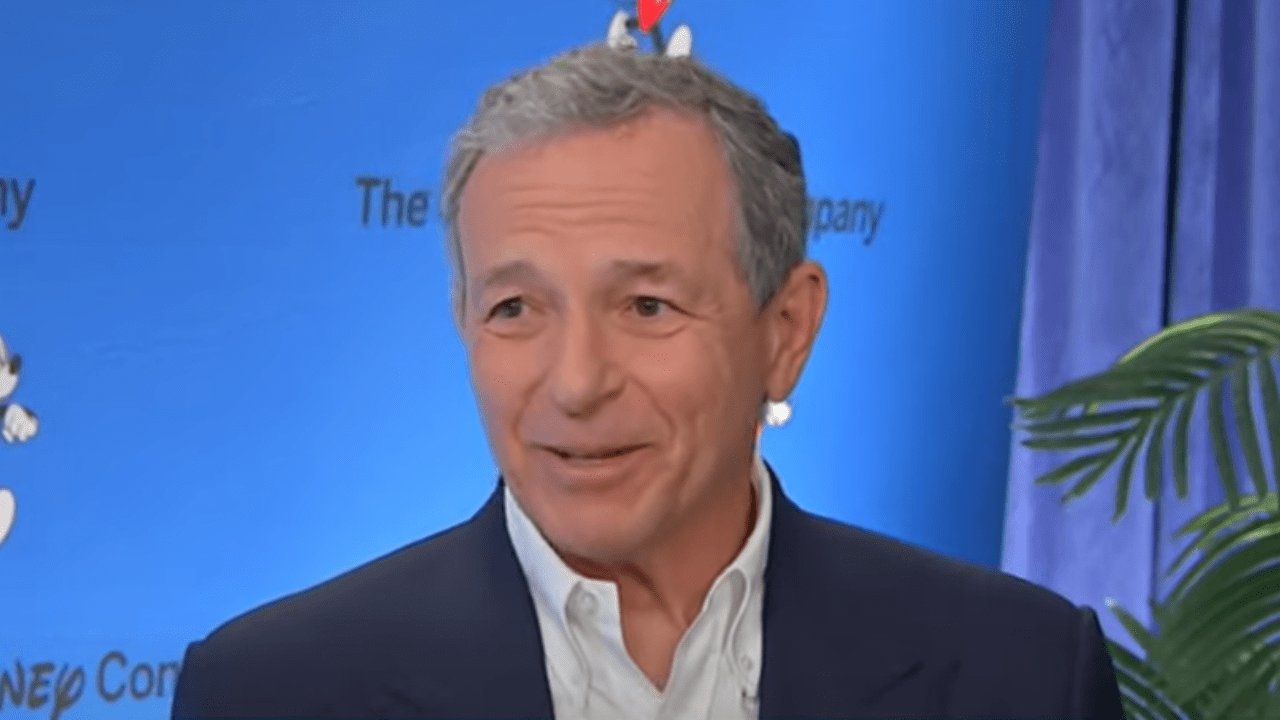
For decades, Walt Disney Imagineering was the creative engine that made Disney parks magical. It didn’t just adapt movies — it invented worlds. Pirates of the Caribbean, Haunted Mansion, Space Mountain, and Expedition Everest weren’t born from corporate mandates or IP spreadsheets. They were created by artists, engineers, and storytellers who were allowed to take risks.
And as time went on and guests fell in love with these attractions, they became their own original IP that could only be experienced in Disney Parks.
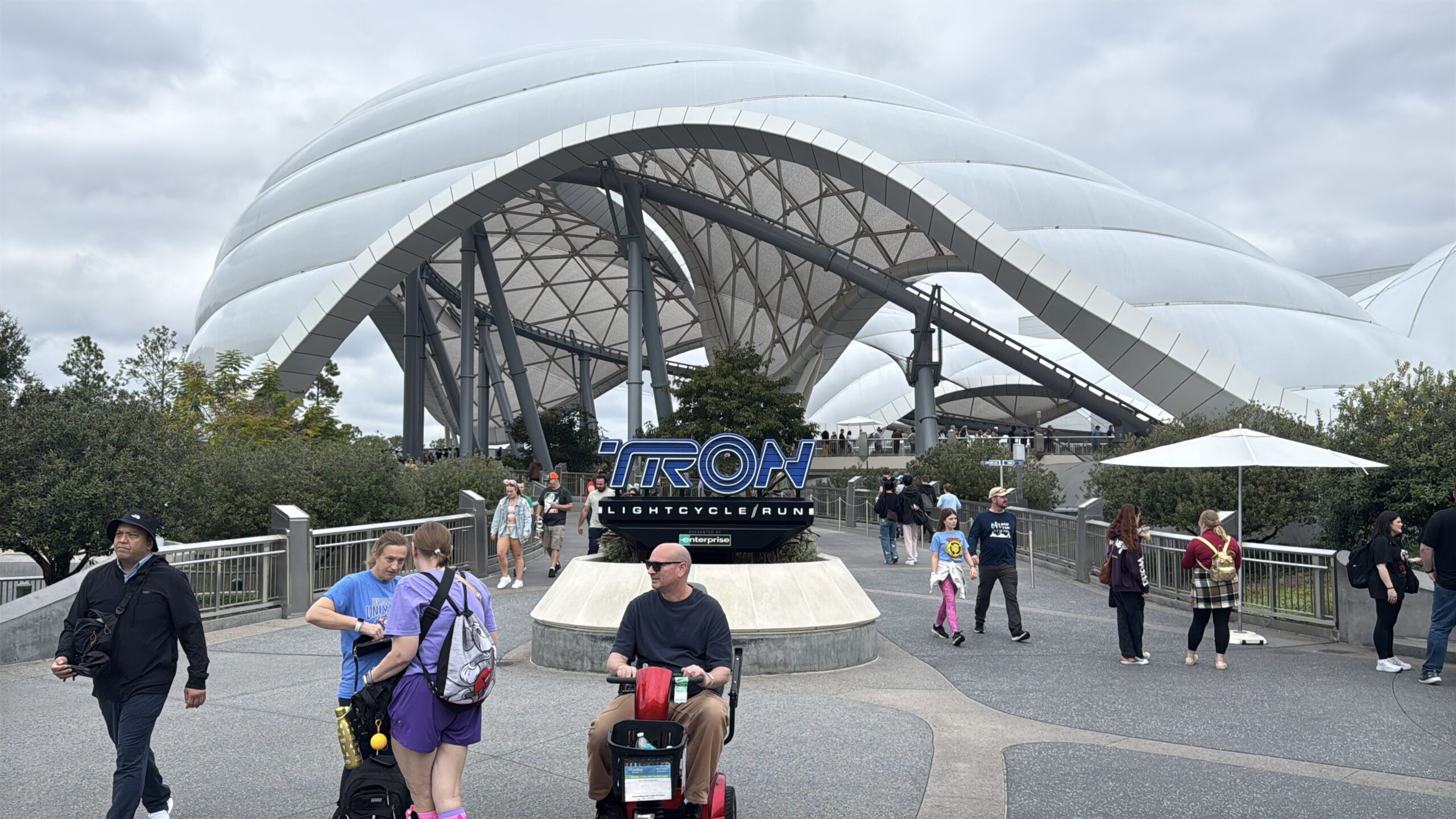
Tron Lightcycle Run in Tomorrowland at Disney World’s Magic Kingdom – Photo Credit That Park Place
READ: Godzilla Minus Zero Sets 2026 Release Date
That culture is now gone. And while much of the Disney press prefers to pin the blame on Bob Chapek, the evidence points to a much more uncomfortable truth: the dismantling of Imagineering began under Bob Iger, not after him.
Imagineering Was Never Meant to Be a Corporate Department
Walt Disney Imagineering was originally built to operate like a creative studio, not a corporate division. Even after being folded into the Walt Disney Company in the 1960s, it retained a unique internal culture — part research lab, part art house, part engineering firm.

The statue of Walt Disney in Dreamer’s Point in EPCOT at Walt Disney World – Photo Credit: Marvin Montanaro
For decades, Imagineers operated with significant autonomy. They weren’t just handed movie brands and told to build rides around them. They created original concepts, original stories, and original experiences. Some of those became Disney’s most valuable intellectual property precisely because they were not forced to be.
That independence is what created the golden age of Disney parks.
Bob Iger Changed the Mission
That all shifted when Bob Iger took over as CEO in 2005.
Under Iger, Disney’s strategy became aggressively IP-driven. Instead of allowing Imagineering to invent new worlds, the parks were redefined as physical extensions of Disney’s film and television portfolio. The mandate was simple: build attractions around brands that already exist.
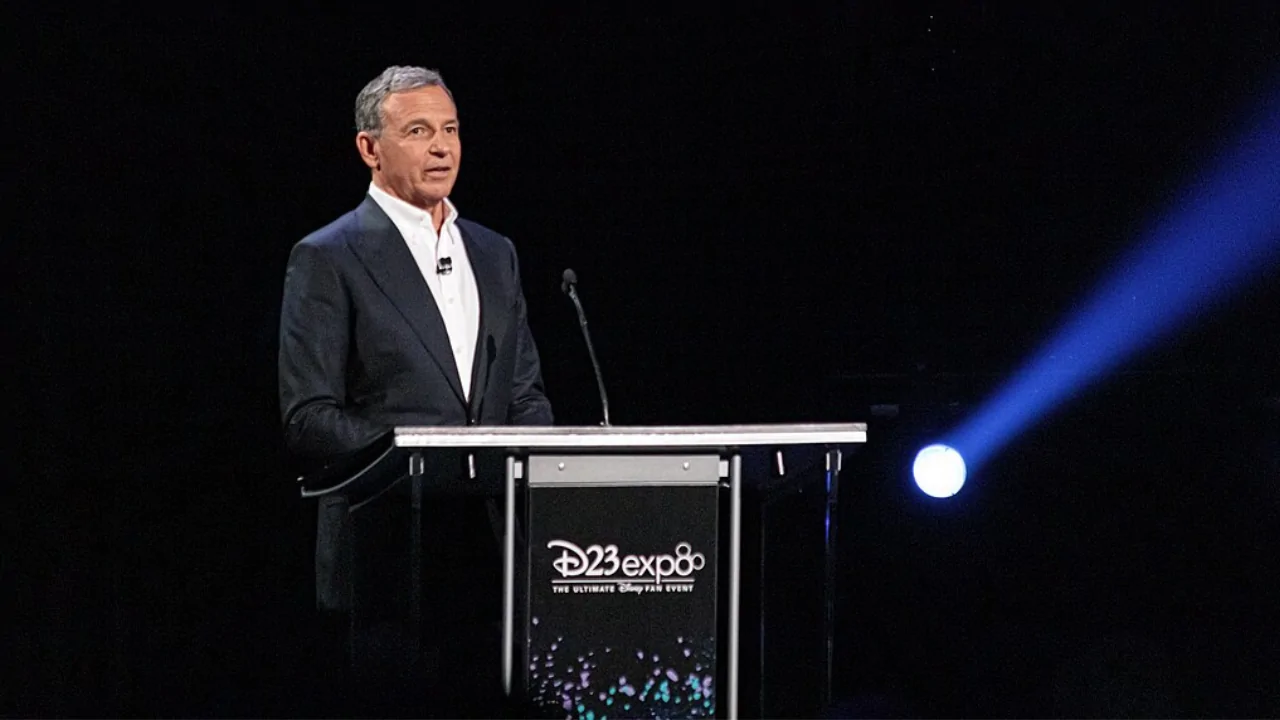
Bob Iger | 2019 Disney Legends Awards Ceremony | D23 EXPO 2019. Photo Credit: nagi usano from Tokyo, Japan, CC BY-SA 2.0 <https://creativecommons.org/licenses/by-sa/2.0>, via Wikimedia Commons
READ: Paramount Skydance Confident It Has the Upper Hand Over Netflix in Warner Bros. Discovery Fight
Marvel. Star Wars. Pixar. Disney animation. Never again would the parks get original characters with the chance to become iconic like Madame Leota or Figment.
This policy didn’t start under Chapek. It was baked into the company more than a decade earlier. Imagineering was no longer allowed to lead creatively — it was expected to serve marketing and franchise strategy.
That’s why original attractions slowed to a crawl, even as budgets ballooned and technology improved. The creative leash had already been pulled tight.
Fans Blamed the Wrong People
As originality faded from the parks, fans increasingly blamed Imagineers. But that criticism missed the point.
The problem wasn’t that Imagineers stopped having ideas. The problem was that they were no longer allowed to use them.

A photo of Star Wars: Galaxy’s Edge at Disneyland Park via Disney Parks blog
When every major project must be tied to an existing IP, creativity becomes decoration. You’re not building the next Haunted Mansion. You’re skinning a ride to fit whatever Disney is selling this quarter.
That environment was created from the top down — not from inside Imagineering.
Chapek Didn’t Create the System — He Enforced It
Bob Chapek is often blamed for turning Disney into a cold, finance-driven machine. But Chapek didn’t invent that machine.
What Chapek did, after taking over Parks leadership in 2015, was apply financial discipline to a system that Bob Iger had already transformed.

Former Disney CEO Bob Chapek in Star Wars Galaxy’s Edge – YouTube, LaughingPlace
Once Imagineering had been reduced to an IP deployment unit, it became much easier for finance executives to justify inserting themselves into creative decisions. Budgets were scrutinized. Projects were delayed. Ideas were killed. Veteran Imagineers left (and many went to Universal where they built a little park called Epic Universe…). Major initiatives, including long-promised park refreshes, quietly died.
That era damaged morale and hollowed out the department — but the philosophical groundwork had already been laid.
Bob Chapek Was Iger’s Human Shield
This is the part Disney media almost never confronts.
Bob Chapek was Bob Iger’s chosen successor. He rose through Disney under Iger’s leadership. He ran Parks using Iger’s IP-first framework. And when he became CEO, he inherited a company already designed to prioritize franchises, cost control, and quarterly performance over long-term creative investment.
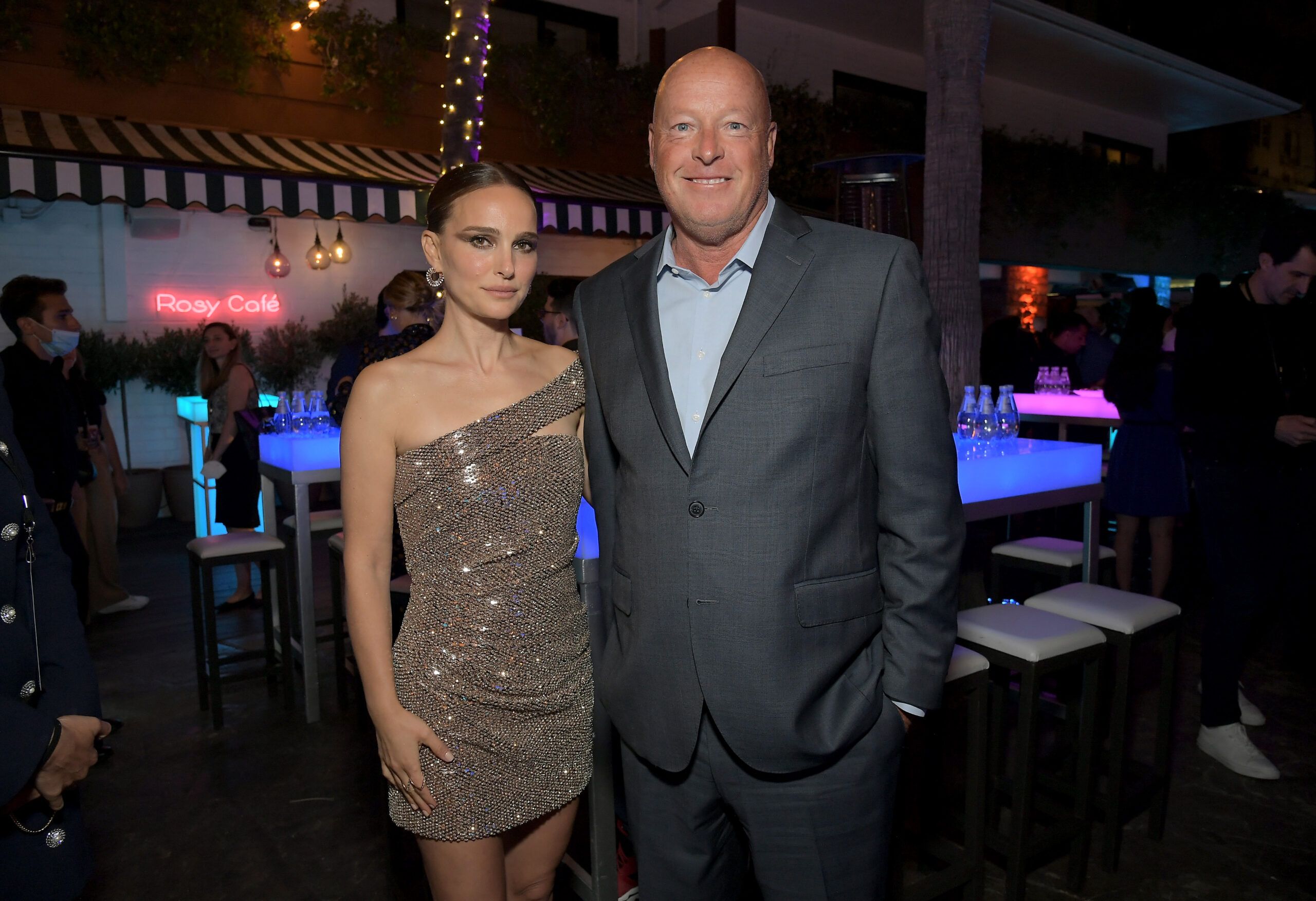
LOS ANGELES, CALIFORNIA – JUNE 23: (L-R) Natalie Portman and Bob Chapek, Chief Executive Officer of Disney attend the Thor: Love and Thunder World Premiere at the El Capitan Theatre in [Hollywood], California on June 23, 2022. (Photo by Charley Gallay/Getty Images for Disney)
Chapek never had the opportunity — or the mandate — to reverse that strategy. He was fired in the middle of the night on a Sunday and replaced by a resurgent Iger, who immediately positioned himself as the savior returning to fix the damage (It should be noted Iger never actually undid any of Chapek’s majorly unpopular mandates).
That made Chapek the perfect human shield.
All the unpopular consequences of Iger’s business model — hollowed-out creativity, risk-averse development, and a parks division dominated by brand synergy — were pinned on the man who merely enforced it.
Iger wrote the rules. Chapek took the heat.
“Restoring” Imagineering Is an Admission of Guilt
Now Disney is publicly talking about “restoring” Imagineering. That word alone is revealing.
You don’t restore something unless it was broken.

A sign honoring Disney CEO Bob Iger at Castaway Cay – Photo Credit: That Park Place
Executives now speak about rebuilding trust, encouraging originality, and reconnecting Imagineers with their creative roots. But none of that would be necessary if Bob Iger’s IP-first model hadn’t already dismantled the very culture that made Imagineering great.
Bob Iger Imagineering: The Real Legacy
Bob Iger is widely praised as Disney’s visionary CEO. But when it comes to Walt Disney Imagineering, his legacy is far darker.
He turned a legendary creative studio into a brand-servicing arm. He replaced artistic risk with corporate safety. And when the consequences became impossible to ignore, he let Bob Chapek take the fall.

Bob Iger via New York Times Events YouTube
That’s why the story being told now — of Bob Iger heroically restoring Imagineering — rings hollow.
You don’t get credit for fixing what you broke.
Do you think Bob Iger did harm to Disney imagineering? Sound off in the comments and let us know!
UP NEXT: “Wicked for Good” Faces a Shocking End: Box Office Numbers Leave Franchise (and Stars) in Limbo
