


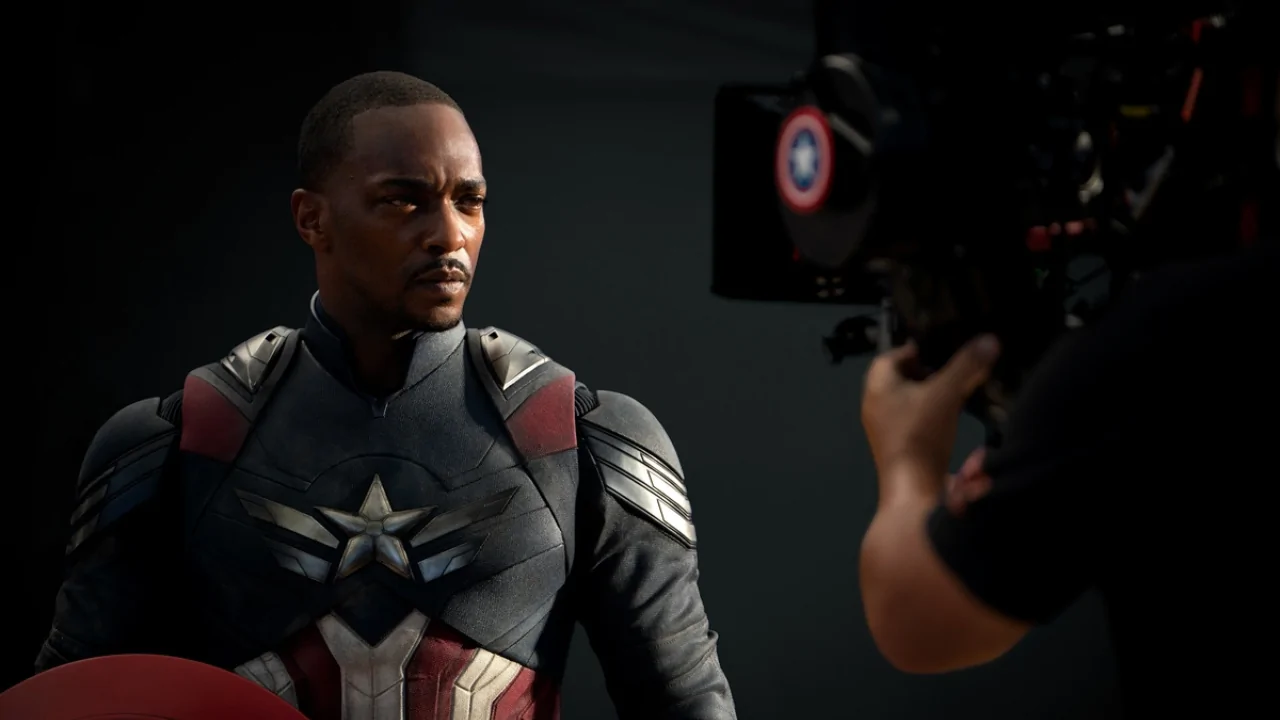
IGN has published a scathing review of Captain America: Brave New World, with writer Carlos Morales delivering harsh criticism not the film’s storytelling and pacing, but of its perceived portrayal of the U.S. military. While That Park Place’s own WDW Pro rated the movie a 4.5 out of 10 for its narrative shortcomings, Morales’s review raises eyebrows for an entirely different reason—its apparent disdain for the men and women in uniform.
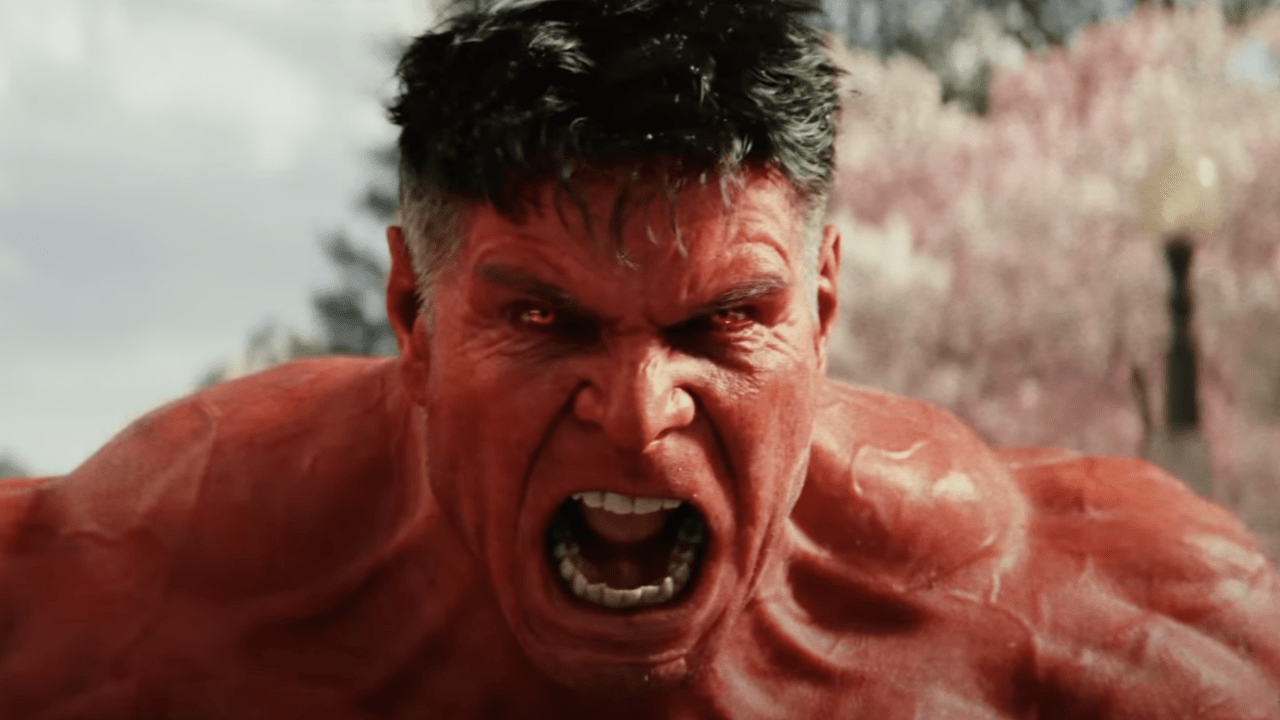
Harrison Ford as the Red Hulk in Captain America: Brave New World – YouTube, Marvel Entertainment
Morales claims the movie “retreats to the safety of easy both-sides platitudes and romanticizing the U.S. military.” He criticizes Marvel Studios for turning many of its characters into agents of the state, stating, “Virtually every major character in the movie is either a current or past member of the U.S. military, Secret Service, or associated with warfare in some other capacity.”
This critique feels less like an analysis of a superhero film and more like a political manifesto aimed at undermining the depiction of military service in popular media. Morales seems to be more upset by the film’s lack of overt progressive messaging than by any actual narrative flaws. It’s telling that much of his review focuses not on pacing, character arcs, or cinematography, but on the idea that the film didn’t go far enough in criticizing the U.S. military-industrial complex. In a franchise like the MCU, where themes of heroism, sacrifice, and duty have always played a central role, Morales’s indignation over the presence of military characters feels both misplaced and disingenuous.
His frustration is evident when he points out that Sam Wilson, originally a social worker in the comics, is now depicted as a former Air Force pararescueman in the MCU. Morales calls this shift “an alarming choice,” suggesting that Marvel’s decision to highlight military service somehow strips the character of political depth. But is it truly alarming to show a hero with a background in saving lives and serving his country? Or is Morales simply upset that the character wasn’t molded into the kind of activist figure he hoped for? His complaint reveals more about his own political expectations than any actual shortcomings in the film itself.
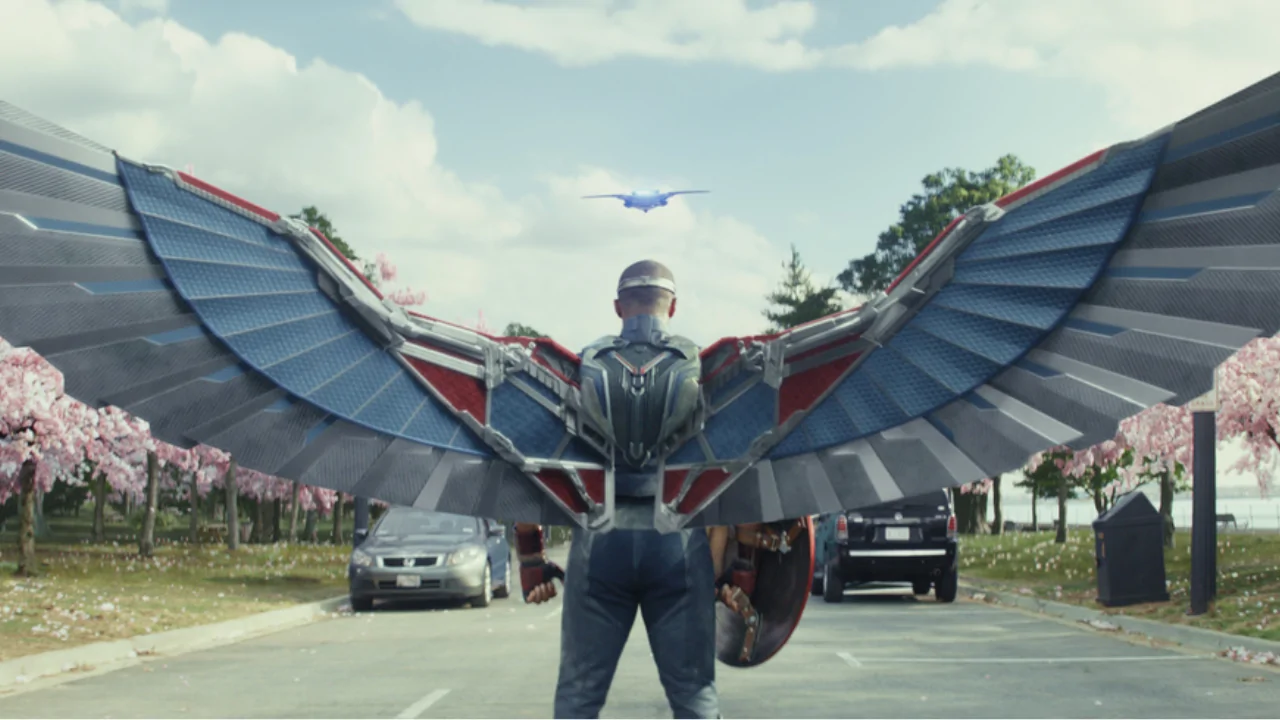
Captain America/Sam Wilson (Anthony Mackie) in Marvel Studios’ CAPTAIN AMERICA: BRAVE NEW WORLD, exclusively on Disney+. Photo courtesy of Marvel Studios. © 2024 MARVEL.
More troubling is Morales’s implication that honoring the military on screen is somehow a creative flaw.
The men and women of the U.S. Armed Forces are heroes who have dedicated their lives to protecting our freedoms, and their portrayal in media serves as a tribute to their bravery and sacrifice. These are real-life heroes who risk their lives daily, who leave behind families, and who often pay the ultimate price in service to their country. Calling this “f*tishism” as Morales does isn’t just misguided—it’s an insult to every soldier, veteran, and fallen hero who has ever served this nation. To dismiss their service as mere set dressing or a narrative crutch is to diminish the very real sacrifices they have made. Suggesting otherwise spits in the face of everyone who has fought and died in the service of this country.
IGN, long recognized as an access media outlet with a progressive slant, has never shied away from injecting politics into its coverage. But Morales’s review takes this to another level, using Brave New World as a springboard to attack the presence of military figures in popular entertainment. It’s no secret that Hollywood has increasingly catered to progressive ideologies in recent years, with many films and series prioritizing political messaging over storytelling. Morales’s review feels more like a lamentation that Brave New World dared to deviate from that trend.
Honestly, the film’s reluctance to stray into hyper biased political messaging is one of its very few redeeming qualities.
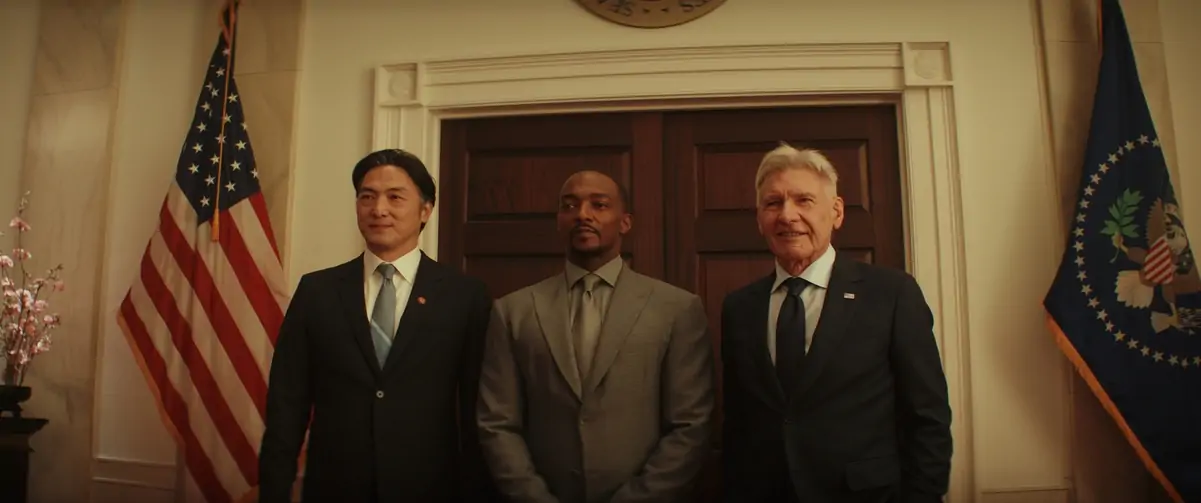
(L-R): Prime Minister Ozaki (Takehiro Hira), Captain America/Sam Wilson (Anthony Mackie), and President Thaddeus Ross (Harrison Ford) in Marvel Studios’ CAPTAIN AMERICA: BRAVE NEW WORLD, exclusively on Disney+. Photo courtesy of Marvel Studios. © 2024 MARVEL.
His comparisons to past MCU entries like Iron Man 3 and Captain America: The Winter Soldier—films that were more overtly critical of U.S. foreign policy and government overreach—further highlight his dissatisfaction. Morales writes that the MCU has “slipped into military f*tishism,” but what he seems to truly lament is that Brave New World doesn’t follow the formula of using superheroes as mouthpieces for progressive critiques. The irony here is that Morales, while accusing the MCU of lacking political dimension, is himself engaging in blatant virtue signaling, using his platform to push an ideological agenda rather than providing a fair review of the film on its merits.
It’s worth asking why a site like IGN would choose to publish such a review. As a major entertainment outlet, IGN’s influence is significant, and its alignment with progressive values is well-documented. But this review feels like a deliberate effort to stir controversy by attacking a film’s portrayal of the military—an institution that millions of Americans respect and revere.
At a time when political polarization is at an all-time high, such commentary only serves to deepen the divide.
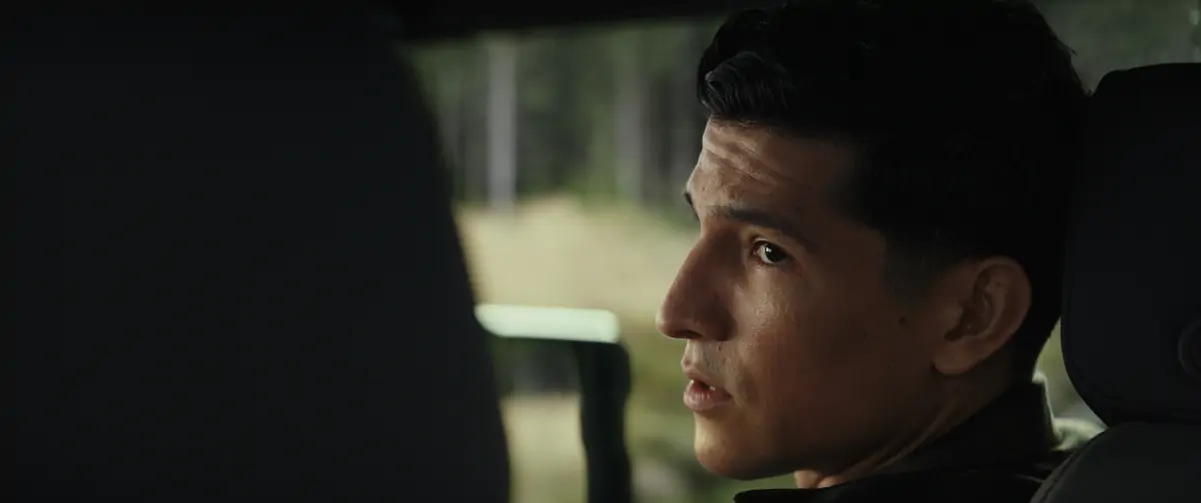
Falcon/Joaquin Torres (Danny Ramirez) in Marvel Studios’ CAPTAIN AMERICA: BRAVE NEW WORLD, exclusively on Disney+. Photo courtesy of Marvel Studios. © 2024 MARVEL.
Morales’s disdain for the military isn’t subtle. He questions why Marvel would “turn so many vigilantes into agents of the state,” as though military service is something to be ashamed of. But the reality is that many of the heroes we admire, both on screen and in real life, come from military backgrounds. Their stories are not about blind allegiance to the state but about courage, integrity, and selflessness. Reducing these characters to mere pawns of the military-industrial complex is not only unfair—it’s an outright dismissal of their heroism.
This review also reflects a broader trend in media criticism, where the merits of a film are often overshadowed by ideological litmus tests. Morales’s disappointment with Brave New World seems rooted in the fact that it didn’t serve as a vehicle for progressive activism. Instead, it chose to tell a story (albeit poorly…) about redemption, leadership, and heroism—themes that transcend political divides. Yet, for critics like Morales, any deviation from the expected narrative is grounds for condemnation.
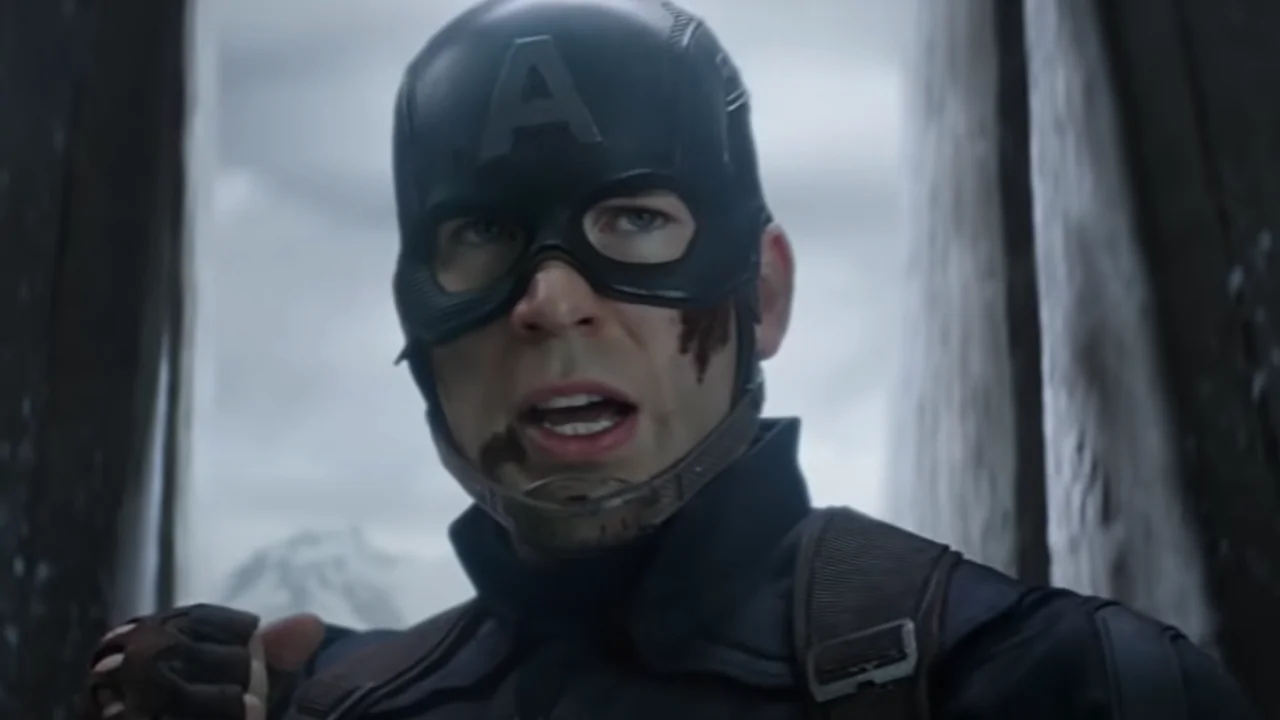
Chris Evans as Captain America in Captain America: Civil War (2016), Marvel Studios
Ultimately, Morales’s review says more about him and the current state of entertainment journalism than it does about Brave New World. In a time when so many in Hollywood and the media are out of touch with everyday Americans, this review serves as yet another reminder of that growing disconnect. The men and women of the armed forces deserve our gratitude and respect, not derision. And if honoring them on screen is now considered a flaw, perhaps it’s time to reconsider who we allow to shape the cultural conversation.
How do you feel about IGN and its take on Captain America: Brave New World? Sound off in the comments below and let us know!
