


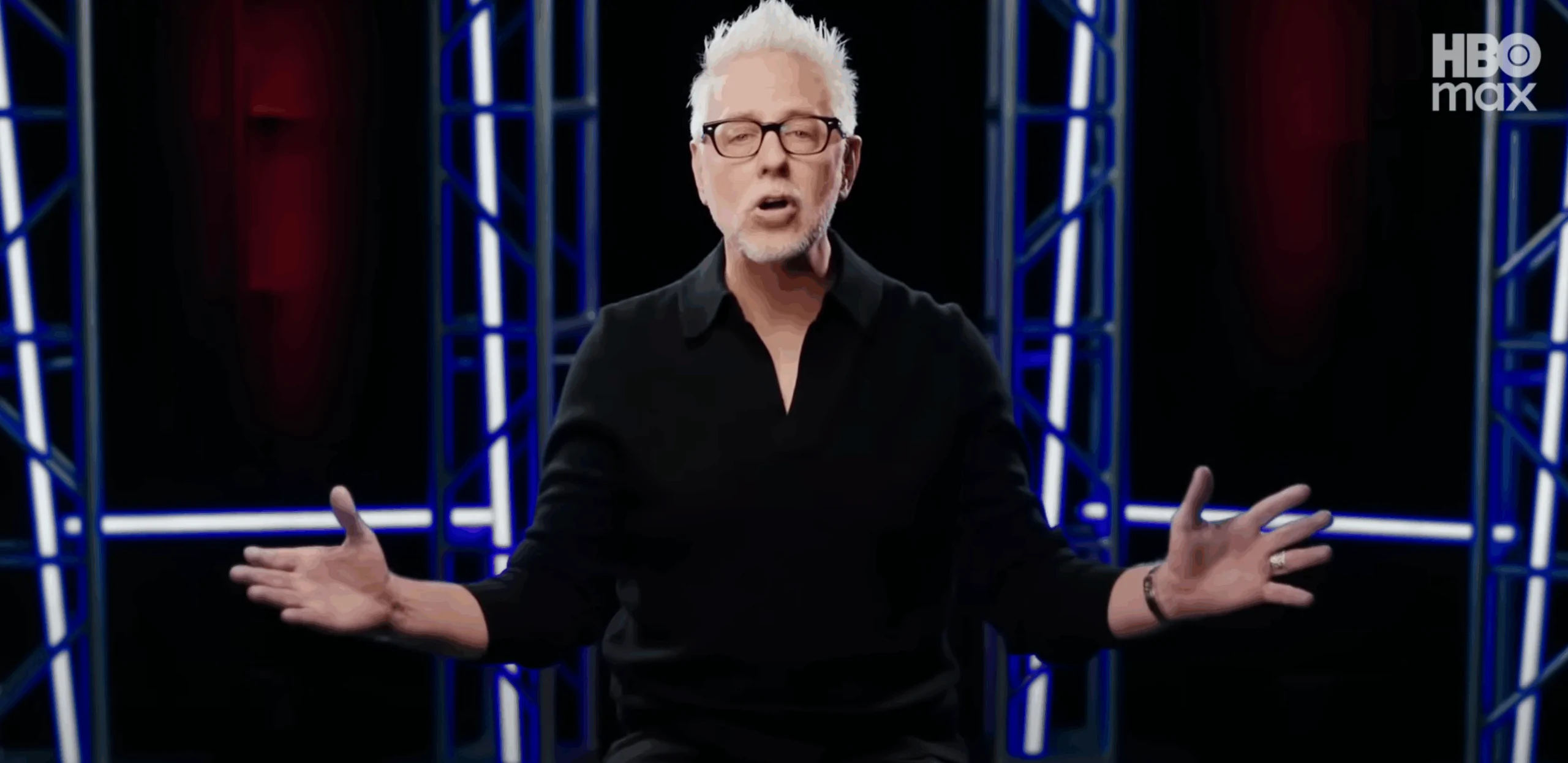
Paramount reportedly plans to keep James Gunn and Peter Safran in charge of DC Studios after completing its merger with Warner Bros.—despite Superman underperforming theatrically and Supergirl becoming one of the most disastrous superhero releases in recent memory.
The report arrives from TheWrap as scooper Jeff Sneider separately claims Gunn recently extended his contract with DC Studios.
If both reports prove accurate, the executives behind the struggling DC reboot universe may be rewarded with additional job security in the face of several high-profile misfires. Only in Hollywood can leadership deliver results like these and seemingly receive more time, more money, and continued control.
Paramount Reportedly Backs Gunn And Safran
The news comes from an August 26 analysis published by TheWrap, which examined Paramount CEO David Ellison’s promise to release 30 theatrical films annually across Paramount and Warner Bros.
Meeting that target would require Paramount to preserve much of Warner Bros.’ existing production structure rather than dismantling the studio after the merger.
According to Paramount insiders, that’s currently the plan.
“Paramount insiders said that the studio plans to keep Abdy and De Luca at Warner in a merged system alongside other top creative execs at the studio like New Line Cinema’s Richard Brener and DC Studios’ James Gunn and Peter Safran,” the outlet reported.
Gunn and Safran have also reportedly met with Ellison. Following that meeting, they said the Paramount chief was “pretty open to what we’re doing” with DC.
The report doesn’t constitute a binding guarantee that either executive will remain at DC Studios indefinitely. It does, however, reveal Paramount’s present intention to preserve their leadership after assuming control of Warner Bros.
Jeff Sneider Claims Gunn Has Extended His Deal
Entertainment reporter Jeff Sneider went further during the August 28 episode of The Hot Mic, claiming Gunn recently extended his DC Studios contract.
Sneider didn’t say how long the reported extension lasts, when it was signed, or whether Safran received a similar agreement. Gunn, Warner Bros., and DC Studios have not publicly announced a new contract.
The major Hollywood trades also haven’t independently confirmed Sneider’s claim.

James Gunn sits for an interview – YouTube, GQ
There’s also some ambiguity surrounding what “recently” means. Gunn and Safran previously confirmed that their contracts had been extended through spring 2027. Sneider could be referring to that known extension, or he could be claiming that Gunn has signed another deal carrying him beyond 2027.
Until further information emerges, the extension should remain labeled a rumor.
Still, Sneider’s claim broadly aligns with TheWrap’s reporting. Both indicate that Gunn isn’t presently preparing to leave DC Studios and that Paramount doesn’t plan to remove him when the merger closes.
These Are Gunn And Safran’s Results
The new DC Universe has released two theatrical movies produced under Gunn and Safran’s leadership: Superman and Supergirl.
Gunn personally wrote and directed Superman. He and Safran produced the movie and positioned it as the foundation of their interconnected franchise.
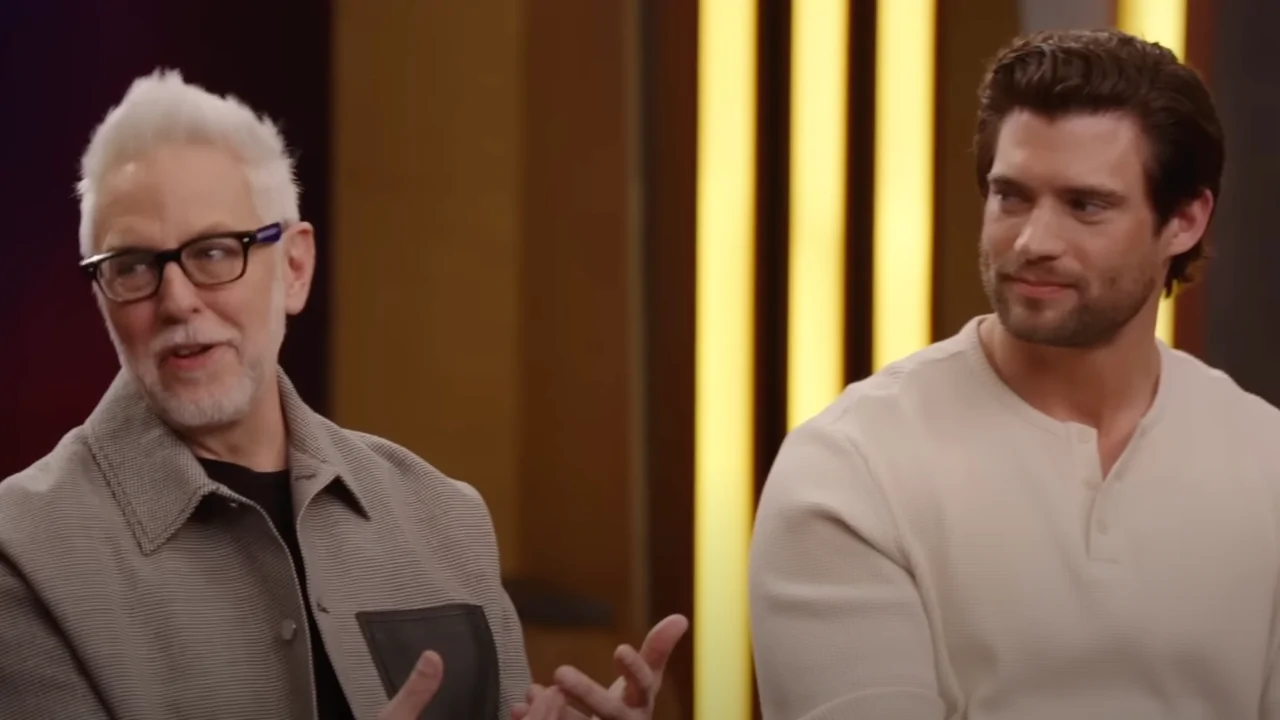
James Gunn and David Corenswet sit for an interview about Superman – YouTube, Fandango
They then selected Supergirl as the DCU’s second theatrical release, hired its creative team, cast Milly Alcock, introduced the character in Superman, and approved a reported $170 million production budget. After reports of disastrous test screenings, Gunn allegedly took control of the project, recutting the movie with his own people. It went on to become one of the worst performing films in DC history.
These weren’t inherited obligations. They were deliberate choices made by DC Studios’ current leadership.
The results have been difficult to defend.
Ted Sarandos Admitted Superman Underperformed
Superman earned approximately $618 million worldwide against a reported production budget of $225 million.
Warner Bros. publicly celebrated the result, while later reports claimed the studio eventually generated more than $100 million from the film through a combination of ticket sales, digital rentals, and merchandise agreements.
That broader revenue picture didn’t mean Superman met Warner Bros.’ theatrical expectations, however.
Netflix co-CEO Ted Sarandos effectively confirmed that point while testifying under oath before the Senate Judiciary Subcommittee on Antitrust, Competition Policy, and Consumer Rights.

Superman beaten down in the trailer for James Gunn’s Superman – YouTube, DC
Sen. Cory Booker asked Sarandos about Netflix’s proposed commitment to a 45-day exclusive theatrical window for Warner Bros. movies. Sarandos explained that studios routinely adjust those windows according to a movie’s performance.
“Routinely, movies that underperform, the window moves a little bit,” Sarandos said. “And Superman was a little shorter window, and Sinners was a little longer window.”
Sarandos used Superman as his example of an underperforming movie. He contrasted it with Ryan Coogler’s Sinners, which received a longer theatrical window because of its stronger performance.
The testimony also undermined Gunn’s previous explanation for releasing Superman digitally after only 35 days.
Gunn claimed the movie needed to reach home audiences early because Peacemaker Season 2 was approaching and viewers should have an opportunity to watch Superman first. Sarandos’s testimony offered a more conventional business explanation: movies that underperform lose theatrical exclusivity sooner.
Sarandos didn’t provide a net-loss figure for Superman. However, his testimony established that the movie fell short of expectations at the box office, despite Warner Bros.’ attempt to present the reboot as an unqualified success.
Supergirl Was An Abject Failure
If Superman underperformed, Supergirl collapsed.
The film opened to approximately $38 million domestically and finished its theatrical run with just $126.3 million worldwide.
That total was lower than the movie’s reported $170 million production budget before accounting for approximately $120 million in reported marketing expenses.
Variety estimated that Supergirl could lose Warner Bros. more than $100 million.

The poster for Supergirl – DC
READ: Hershey Park Apologizes for Insensitive Tweet Following Death of Dolly Parton
Its worldwide gross finished below notorious comic-book failures including Morbius, The Marvels, The Flash, and 2015’s Fantastic Four.
This was supposed to be the first demonstration that audiences would follow Gunn and Safran’s DC Universe beyond Superman. Instead, moviegoers overwhelmingly rejected it. The failure also raises questions about DC Studios’ decision-making process.
Before audiences had seen Supergirl, the studio selected screenwriter Ana Nogueira to write its planned Wonder Woman film. Gunn had publicly praised her Supergirl screenplay, describing it as one of the best scripts he had read. Warner Bros. now appears prepared to continue building its most valuable female superhero properties around the writer of a movie that cost the company approximately $100 million.
Failure Is Apparently Rewarded In Hollywood
In most industries, leaders are expected to answer for results.
If executives spend hundreds of millions of dollars launching a flagship product, watch it underperform, and then follow it with another product that produces a nine-figure loss, their continued employment would not be treated as a foregone conclusion.
Hollywood operates differently.
Failures are blamed on release dates, marketing, superhero fatigue, difficult audiences, online criticism, or unpredictable market conditions. The executives who selected the projects, approved the budgets, and designed the strategy routinely escape meaningful consequences.

Krypto the Super Dog in the Supergirl Trailer – YouTube, DC
When corporations decide that costs must be cut, executives are rarely the first people shown the door. Production workers, visual-effects artists, animators, marketing employees, and other rank-and-file staff members lose their jobs instead.
The people who made the expensive decisions remain in place and announce a revised strategy.
That appears to be happening at DC Studios.
Gunn and Safran’s first DCU movie underperformed theatrically. Their second reportedly lost approximately $100 million. Paramount nevertheless reportedly plans to retain them, and Sneider claims Gunn may already have secured another contract extension.
Hollywood accountability apparently stops at the executive suite.
How Many Chances Will Paramount Give DC Studios?
Paramount has practical reasons to avoid an immediate leadership purge.
Removing Gunn and Safran would interrupt projects already in development, create another period of uncertainty, and force the company to reconsider a franchise Warner Bros. only recently rebooted.
Paramount also needs Warner Bros.’ existing production pipeline to meet Ellison’s promise of 30 theatrical releases per year. DC Studios is expected to contribute Clayface and Gunn’s next Superman film, Man of Tomorrow, to that pipeline.
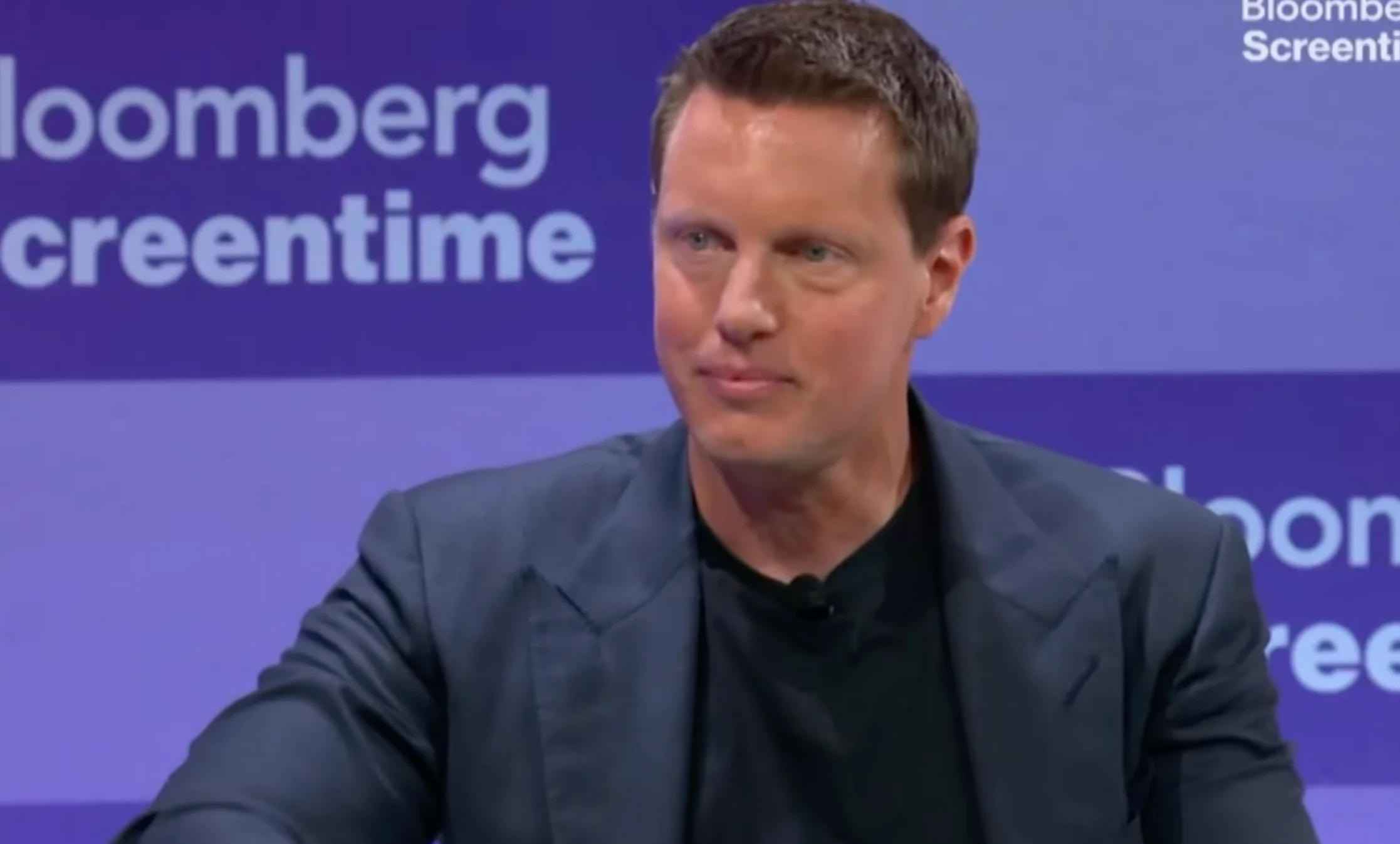
David Ellison talks to Bloomberg – YouTube, Bloomberg Podcasts
Preserving continuity may therefore be less about confidence in Gunn and Safran than Paramount’s need to keep movies moving toward theaters.
Even TheWrap questioned what would happen if Clayface and Man of Tomorrow significantly underperformed. Another pair of failures could force Paramount to retool DC, regardless of its present promises.
For now, however, Gunn and Safran appear safe. One executive may even have received an extended contract after delivering a theatrical underperformer and helping preside over a reported $100 million loss.
Only in Hollywood.
What do you make of this reported Paramount decision to retain James Gunn and Peter Safran? Should DC Studios receive more time, or have the results already justified a leadership change? Sound off and let us know!
UP NEXT: Coyote vs Acme Looks to Open Well This Weekend After Warner Bros. Initially Scrapped Movie
