

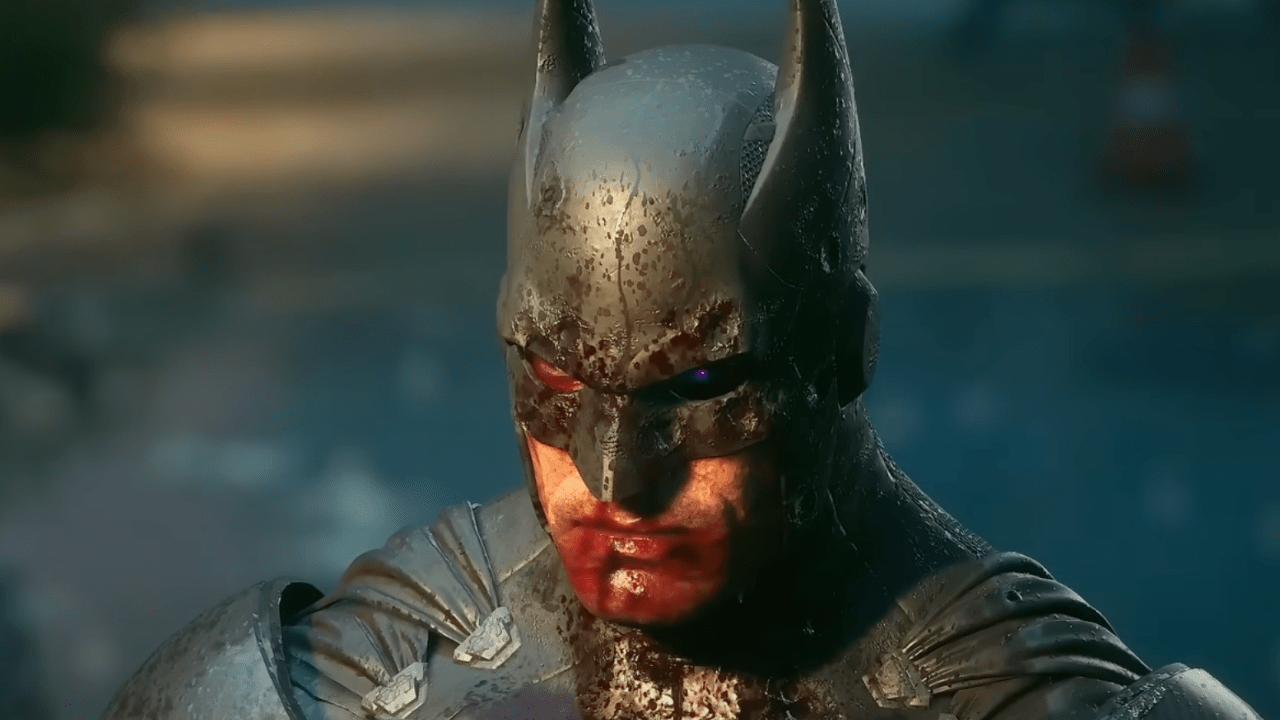
James Gunn is once again talking about Batman — and once again, it’s raising eyebrows.
In an interview with Rolling Stone from back in June, Gunn openly suggested that Batman has effectively run out of storytelling value, calling the character “boring” due to decades of exposure across comics, television, and film. While Gunn insists he has a plan for the Dark Knight within the DC Universe, his comments are already fueling concern among fans who have reservations about the brooding and serious Batman in the hands of a director with Gunn’s portfolio of zany comedic films.
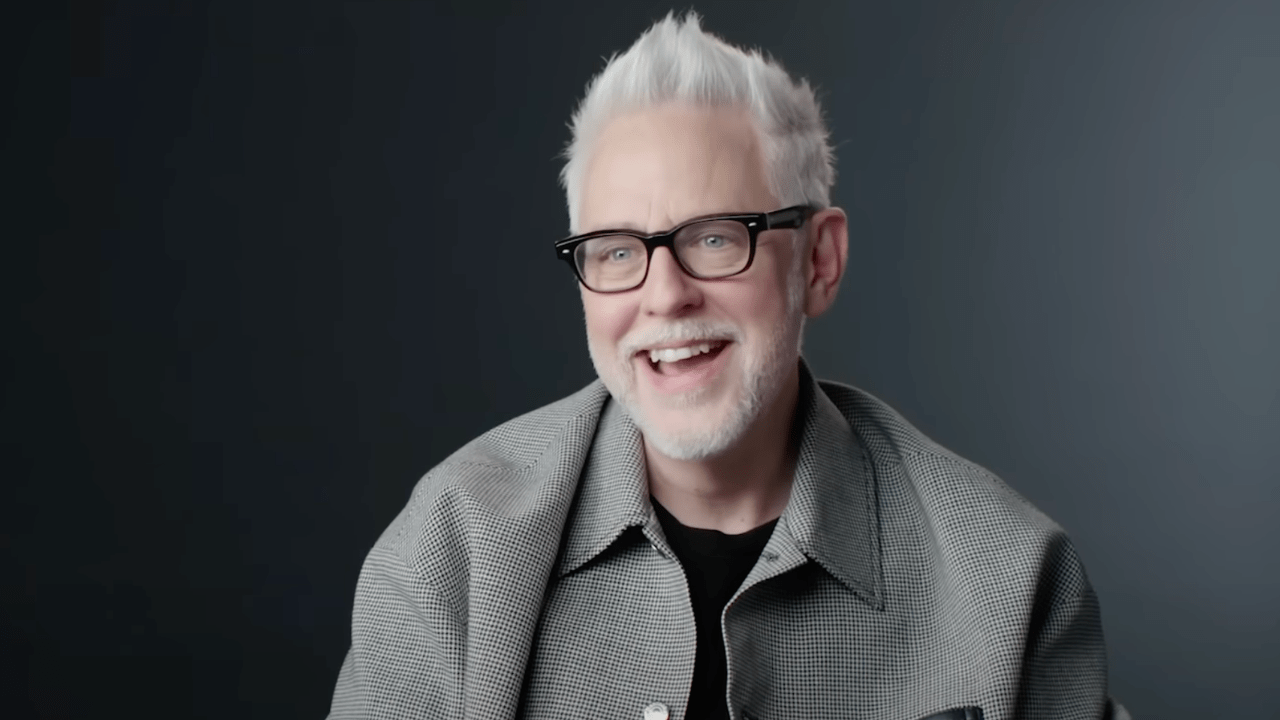
James Gunn sits for an interview – YouTube, GQ
READ: Netflix Gay Military Show ‘Boots’ Canceled After Pentagon Condemns Series as ‘Garbage’
This time, however, Gunn’s remarks go further than vague reassurances. He explicitly frames Batman as a creative problem that needs justification simply to exist — a striking position given that Batman remains one of the most consistently successful and popular characters in entertainment history.
When asked by Rolling Stone what needs to be figured out to make Batman work in the DCU, Gunn responded:
“Batman has to have a reason for existing, right? So Batman can’t just be ‘Oh, we’re making a Batman movie because Batman’s the biggest character in all of Warner Bros.,’ which he is. But because there’s a need for him in the DCU and a need that he’s not exactly the same as Matt’s Batman. But yet he’s not a campy Batman. I’m not interested in that. I’m not interested in a funny, campy Batman, really. So we’re dealing with that. I think I have a way in, by the way. I think I really know what it’s — I just am dealing with the writer to make sure that we can make it a reality.”
The framing is notable. Gunn isn’t talking about expanding Batman’s mythology or building on existing strengths — he’s talking about justifying Batman’s presence at all.
That framing becomes even more blunt when the discussion turns to Wonder Woman, which Gunn contrasts directly with Batman.

Henry Cavill, Gal Gadot, and Ben Affleck as the Snyderverse Superman, Wonder Woman, and Batman – HBO Max
“Wonder Woman I think is actually easier for me, because there haven’t been so many infinite portrayals of Wonder Woman — definitely not in movies, but really anywhere — that there have been of Batman,” he said. “Every single Batman story has been told. It seems like half the comics that have come out of DC over the past 30 years have Batman in them. He’s the most famous superhero in the world and the most popular superhero in the world. And people love him because he’s interesting, but also having so much of him out there can also make him boring. So how do you create that property that’s fun to watch?”
That last line is doing a lot of work — and not in a reassuring way.

Batman and Bane in Lego Batman: Legacy – YouTube, DC
Gunn isn’t merely acknowledging franchise fatigue. He is declaring, outright, that “every single Batman story has been told,” and that the character’s popularity has become a liability rather than a strength. For many fans, that sentiment feels disconnected from reality, especially coming on the heels of The Batman, which demonstrated that audiences are still very much willing to show up for grounded, character-driven takes on Bruce Wayne.
More importantly, Gunn’s comments reinforce a pattern that has followed him throughout his DC tenure: framing legacy characters as problems that need to be re-engineered rather than icons to be respected.
While Gunn insists he is not interested in a “campy” Batman, he also offers no concrete details about what his alternative actually looks like — only that he believes he has “a way in,” provided the writing aligns with his vision. That lack of specificity is unlikely to reassure a fanbase already wary of sweeping creative resets and long development delays.
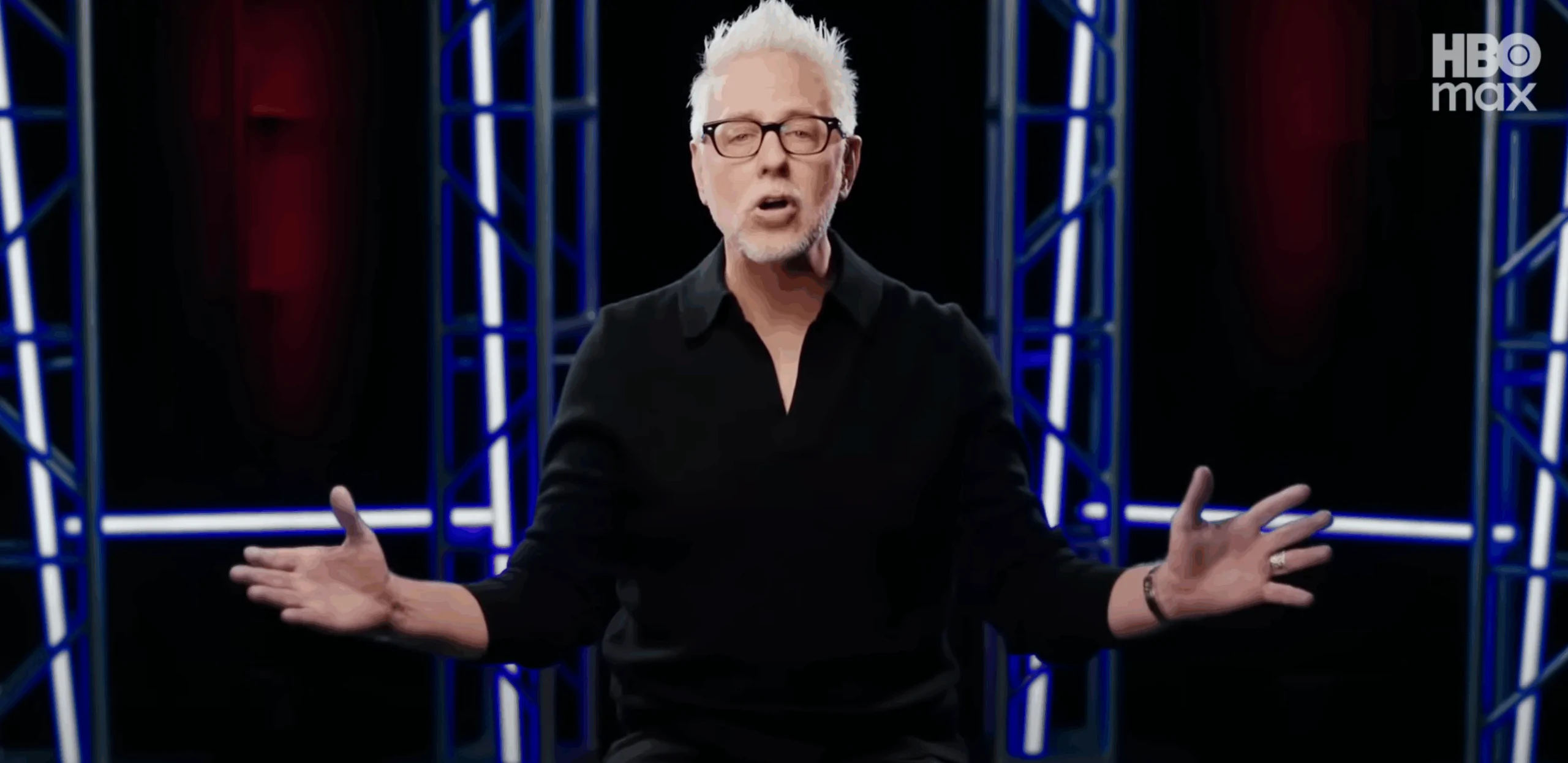
James Gunn introduces the trailer for Peacemaker Season 2 – YouTube, DC
There is also an underlying contradiction in Gunn’s argument. Batman is described as both “boring” and indispensable — the biggest character Warner Bros. has, yet one whose existence now needs narrative permission. That tension raises a fundamental question: if Gunn truly believes Batman has been exhausted creatively, why is he the one tasked with reinventing him?
For longtime DC fans, the concern isn’t that Batman needs another reinvention. It’s that Gunn seems determined to deconstruct what already works in favor of a theoretical solution that exists only on paper.
At a time when DC Studios is still trying to regain audience trust after years of instability, publicly labeling its most reliable character as creatively spent is a risky move — especially when the promised fix remains undefined.
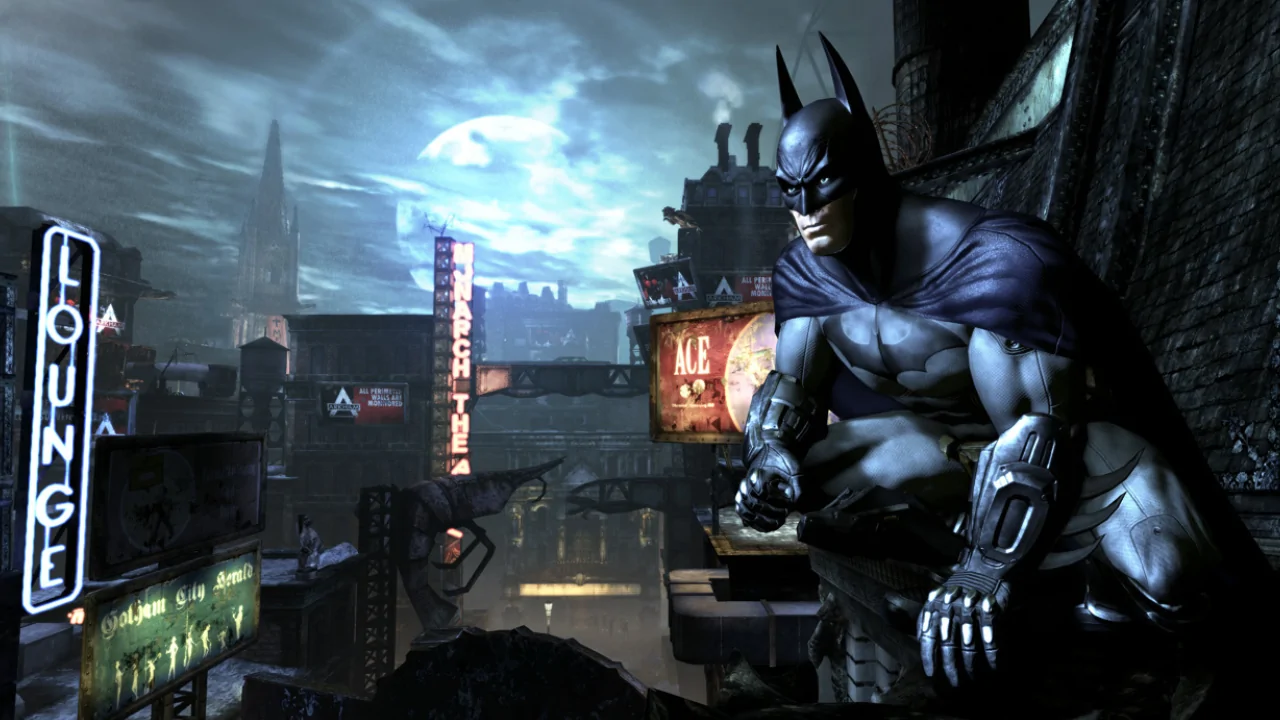
A screenshot from Batman: Arkham City – Game of the Year Edition (2012), Rocksteady Studios
Whether Gunn’s plan ultimately revitalizes Batman or becomes another example of overthinking a proven formula remains to be seen. For now, what’s clear is that Gunn isn’t approaching Batman from a place of reverence — but from a belief that the character himself is the problem.
And for many fans, that’s the most troubling takeaway of all.
Do you want to see James Gunn get his hands on Batman? Sound off in the comments and let us know!
