


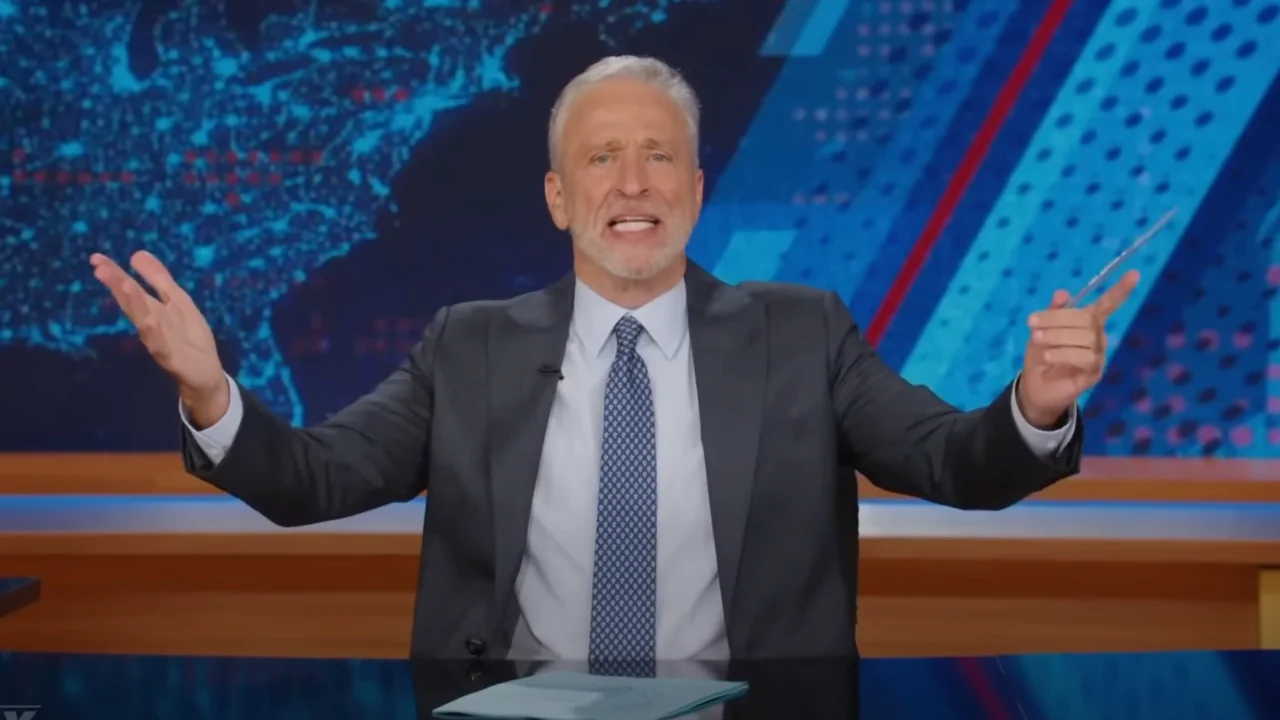
In a candid episode of his podcast, The Weekly Show with Jon Stewart, the veteran comedian and host of The Daily Show expressed uncertainty about the long-running satire program’s fate following the recent cancellation of Stephen Colbert’s The Late Show and the impending merger between Paramount Global and Skydance Media. Stewart, who has been a staple of Comedy Central since 1999 and returned as a part-time host in 2024, shrugged off concerns but admitted he has had no communication from Skydance executives.
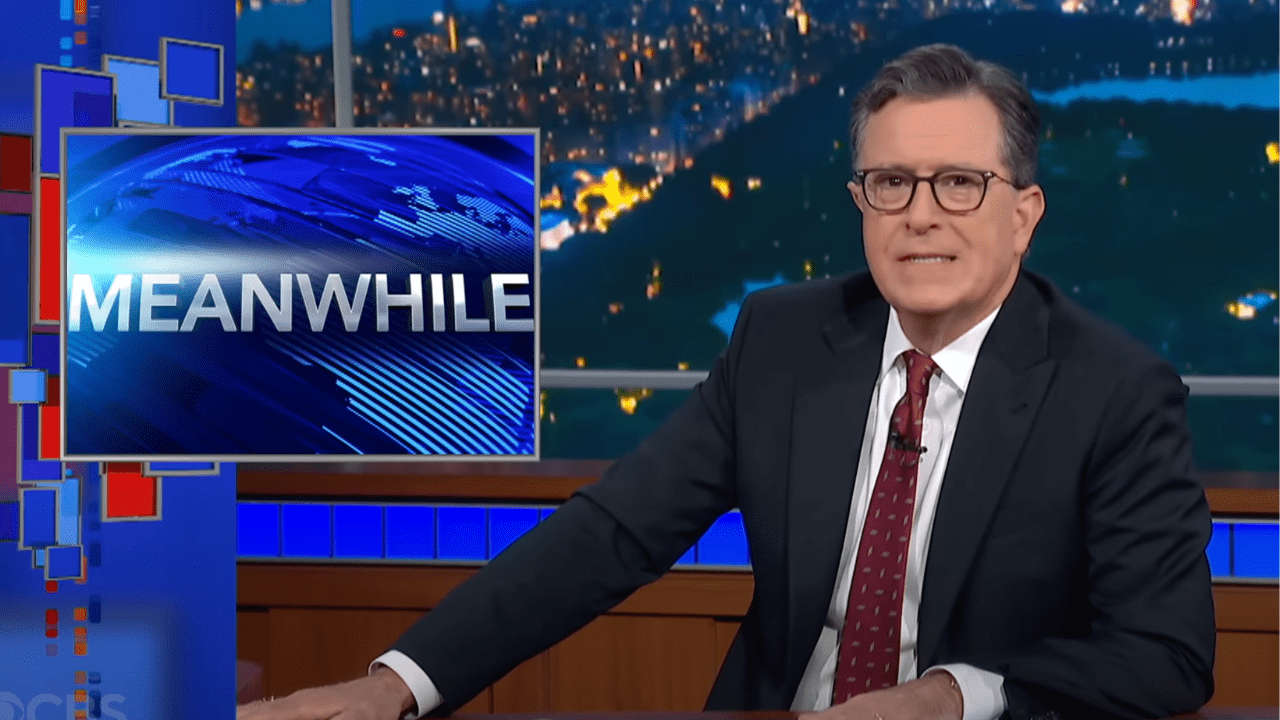
Stephen Colbert on The Late Show With Stephen Colbert – YouTube, The Late Show With Stephen Colbert
The comments come at a tumultuous time for late-night television, as networks grapple with declining ad revenues, shifting viewer habits, and escalating production costs. Stewart’s remarks highlight broader anxieties in the industry, where even Emmy-nominated shows like The Daily Show—which recently garnered a record 12 nominations, including Outstanding Talk Series—are not immune to corporate restructuring.
Stewart’s Take: “We’ll Land on Our Feet”
During the podcast, Stewart was asked directly about whether Skydance, led by David Ellison, might cancel The Daily Show as part of its $8 billion acquisition of Paramount Global, the parent company of Comedy Central.
“Unfortunately, we haven’t heard anything from them,” Stewart said. “They haven’t called me and said like ‘Don’t get too comfortable in that office, Stewart.’ But let me tell you something, I’ve been kicked out of sh****er establishments than that. We’ll land on our feet.”

Jon Stewart on The Daily Show With Jon Stewart – YouTube, The Daily Show
He added a touch of his signature humor, comparing Comedy Central to “muzak” and noting that The Daily Show and South Park are essentially the network’s only vibrant offerings.
“I’d like to believe that without The Daily Show… I don’t know. Comedy Central is kind of like muzak at this point. I think we’re the only sort of life that exists on a current basis other than South Park,” He said. “But it’s the only thing on there,”
Stewart emphasized the show’s value, pointing to its strong ratings and cultural impact.
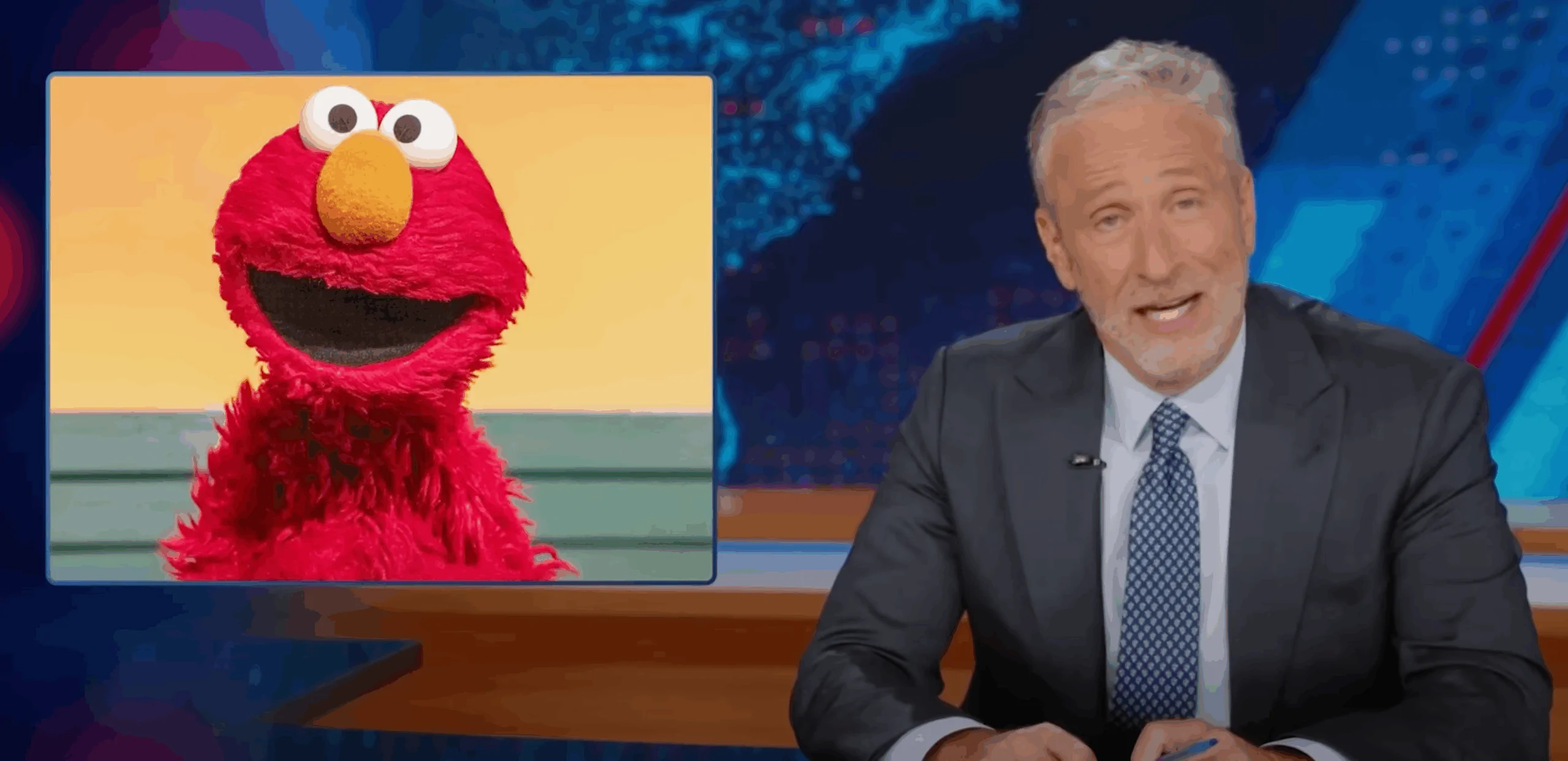
Jon Stewart on The Daily Show With Jon Stewart – YouTube, The Daily Show
“I’d like to think we bring enough value to the property,” he added. “If they’re looking at it as purely a real estate transaction, I think we bring a lot of value. But that may not be their consideration. They may sell the whole f*****g place for parts, I just don’t know. We’ll deal with it when we do.”
Praising the staff led by showrunner Jen Flanz and correspondents like Jordan Klepper, Desi Lydic, Ronny Chieng, and Michael Kosta, Stewart said, “I’m so happy and proud of everybody that works over there. They want to do that? Knock themselves out. As Jay Leno would say about Doritos, go ahead, crunch all you want, we’ll make more. We’ll figure that out when the time comes.”

U.S. President Donald Trump sits for an interview with ABC News – YouTube, ABC News
Stewart’s uncertainty stems from the lack of outreach from Skydance, despite the merger’s progression. He also referenced his recent criticism of Paramount’s $16 million settlement with President Donald Trump over a disputed 60 Minutes interview, calling it “shameful.” However, industry insiders stress that decisions like these are driven by finances, not politics.
Colbert’s Cancellation: A Financial Wake-Up Call
The backdrop to Stewart’s comments is CBS’s abrupt decision to end The Late Show with Stephen Colbert after the 2025-26 season, effectively retiring the Late Show franchise in May 2026. CBS executives have insisted the move is “purely a financial decision against a challenging backdrop in late night,” unrelated to the show’s performance or Colbert’s outspoken criticism of Trump and the Paramount settlement.

Stephen Colbert dances around with human needles – YouTube, The Late Show With Stephen Colbert
Reports indicate The Late Show cost over $100 million annually to produce, including Colbert’s salary and a staff of about 200, while incurring losses of around $40 million per year. This comes amid a broader decline in late-night ad revenue, which dropped from $439 million in 2018 to significantly lower figures last year across broadcast networks.
The timing—mere days after Colbert lambasted the Trump settlement on air—has fueled speculation of political motivations, with figures like Jimmy Kimmel and Senators Chuck Schumer and Elizabeth Warren publicly questioning the optics. Yet, CBS maintains it’s about the bottom line, not backlash from the administration.
The Real Question for The Daily Show: Profitability Over Politics
Contrary to fears that Stewart’s criticism of Trump or the settlement might seal The Daily Show’s fate, the core issue mirrors Colbert’s: revenue versus costs.
While exact figures for The Daily Show are not publicly disclosed, estimates from Trevor Noah’s era suggest an annual budget between $5 million and $10 million—far lower than network late-night counterparts like The Late Show.

Jon Stewart on The Daily Show With Jon Stewart – YouTube, The Daily Show
Older data points to ad rates for a 30-second spot averaging $40,000 to $50,000, with finale episodes commanding up to $250,000.
If Skydance views the merger as a “real estate transaction,” as Stewart speculated, the show’s lower production costs could make it a keeper—unlike the money-losing Late Show.
The Legacy: How The Daily Show Reshaped Late-Night TV
Many in the industry trace the current state of late-night television back to The Daily Show’s rise under Jon Stewart in the early 2000s. Debuting in 1996, the program popularized sharp political satire, blending news parody with incisive commentary during the Clinton, Bush, and Obama administrations.
This “Daily Show effect” encouraged networks to infuse political humor into traditional late-night formats, leading to shows like Colbert’s Late Show, Jimmy Kimmel Live!, The Tonight Show with Jimmy Fallon, and Late Night with Seth Meyers adopting a more partisan, satirical edge.
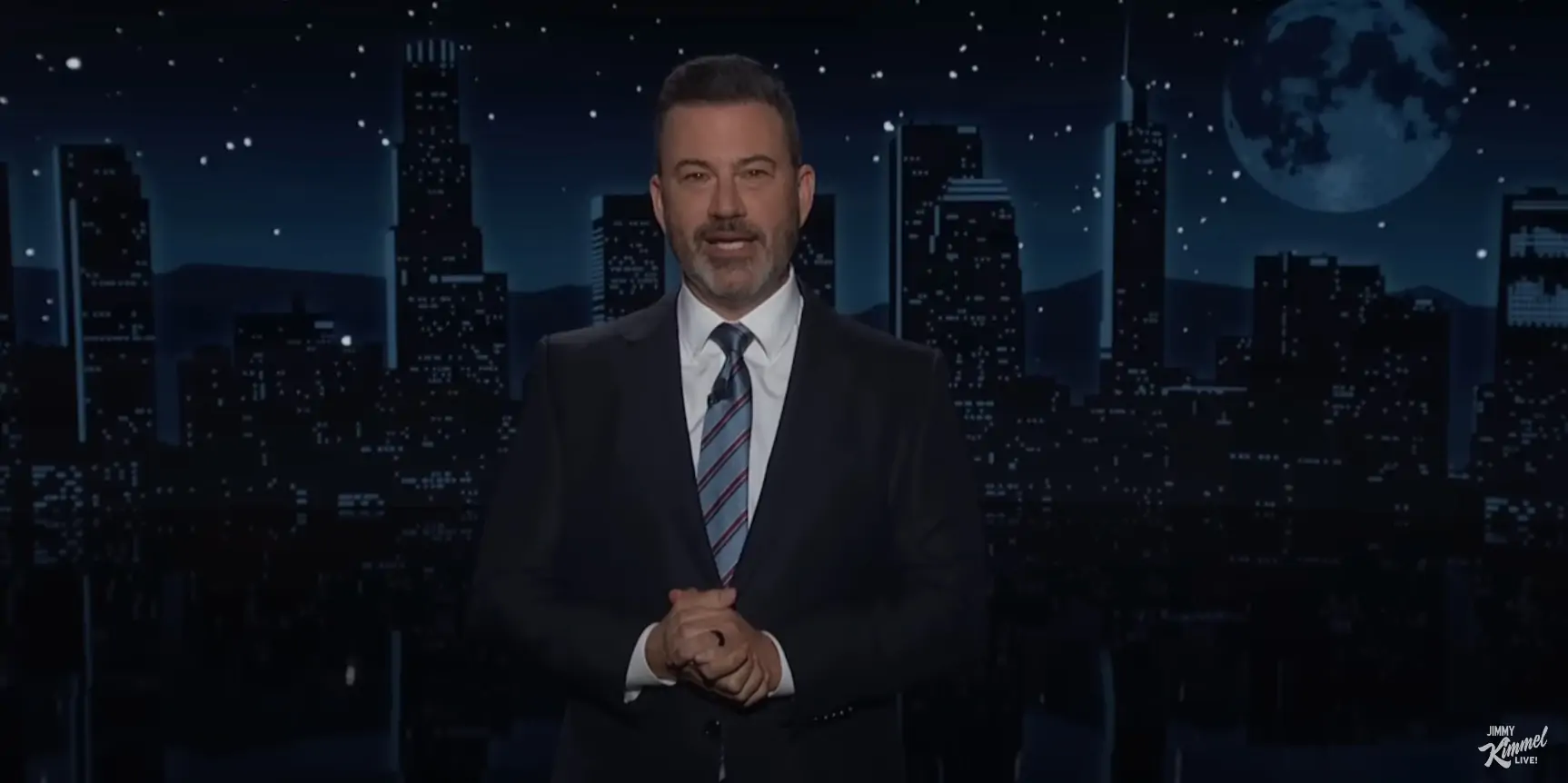
A screenshot of Jimmy Kimmel crying on TV after the election of Donald Trump – YouTube, Jimmy Kimmel Live
Critics argue this shift contributed to the genre’s decline, as audiences fragmented across streaming and social media, and overt political spin alienated viewers seeking escapism. Studies show that while The Daily Show boosted political attentiveness among young audiences through a “gateway effect” to traditional news, it also set a template that homogenized late-night content into “Daily Show Light.”
Today, with declining viewership and ad dollars, the landscape is dwindling, raising questions about whether satire can sustain itself without broader appeal.
Looking Ahead: What’s Next on the Late-Night Horizon?
As Skydance’s merger awaits regulatory approval—including discussions with FCC Chairman Brendan Carr on “unbiased journalism”—Stewart’s nonchalance belies deeper industry woes. Whether The Daily Show survives may hinge on its financial footprint rather than its biting wit.
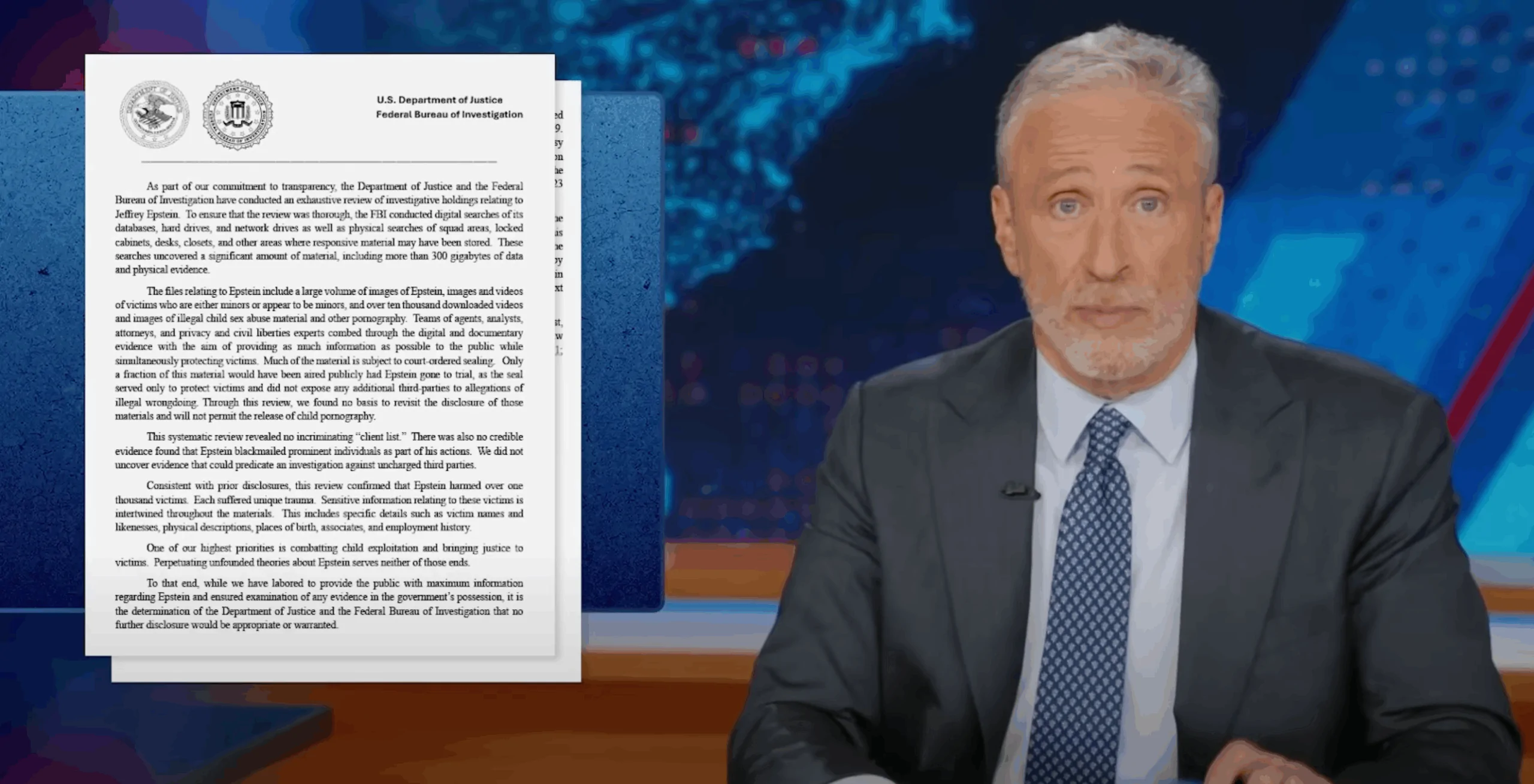
Jon Stewart on The Daily Show With Jon Stewart – YouTube, The Daily Show
For now, Stewart remains optimistic: “We’ll figure that out when the time comes.”
Do you think Skydance will pull the plug on Jon Stewart? Sound off in the comments and let us know!
UP NEXT: BUC-EE’S: Driving a Resurgence in the Family Road Trip
