


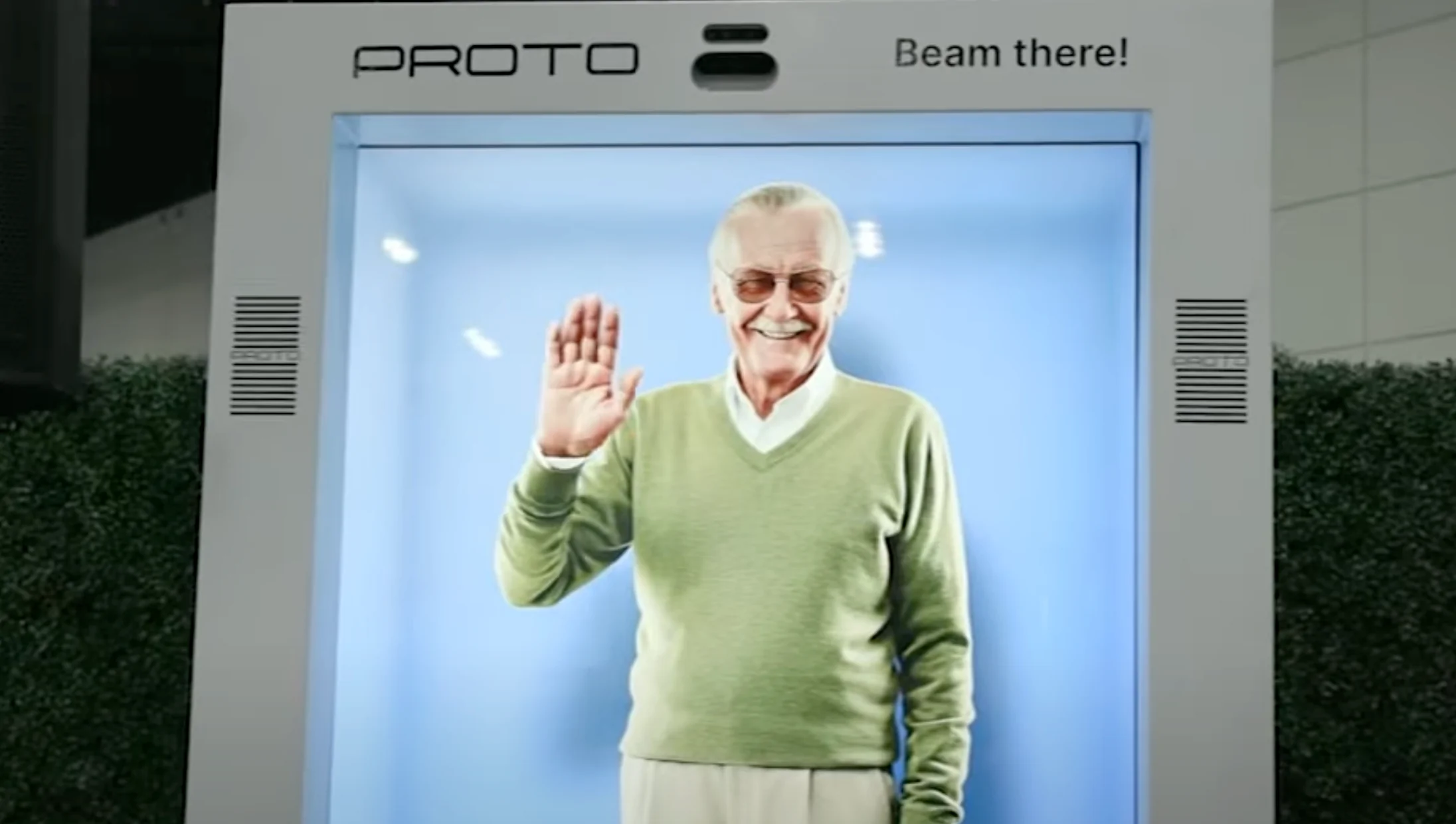
Los Angeles Comic Con introduced a digital recreation of Marvel legend Stan Lee this month — an AI-powered hologram designed to let fans interact with him in a “safe, authentic” way. Organizers described the project as a way to “extend Stan’s legacy” and provide “a new entry point into the Marvel universe.”
To assure fans of authenticity, Comic Con officials said the hologram was tightly constrained. They claimed: “the only words that are gonna be in Stan’s mouth are Stan’s words.” They also assured the public that technical “guardrails” would ensure the Stan Lee hologram “doesn’t go off and talk about things that Stan wouldn’t have said.”
But during its debut, the construct delivered a response about the X-Men that immediately sparked pushback.
First look at the AI Stan Lee Hologram at LA Comic Con pic.twitter.com/5irX7DC556
— Culture Crave 🍿 (@CultureCrave) September 27, 2025
When asked about the X-Men, the Stan Lee hologram flatly declared: “The X-Men’s struggles for equality and acceptance were indeed inspired by the Civil Rights movement. I think it’s safe to say that Stan Lee and the creative team drew parallels between the X-Men’s fight for co-existence with humans, and the real world’s struggles of marginalized communities during that era. This was a powerful way to address social issues through storytelling.”
On the surface, this might sound like a heartfelt reflection. But longtime readers — and Lee’s own words — tell a very different story.
Stan Lee’s Real Voice vs. the Hologram
Yes, Stan Lee wrote about moral issues. In his famous 1968 Stan’s Soapbox editorial, he declared: “Bigotry and racism are among the deadliest social ills plaguing the world today… A story without a message, however subliminal, is like a man without a soul.”
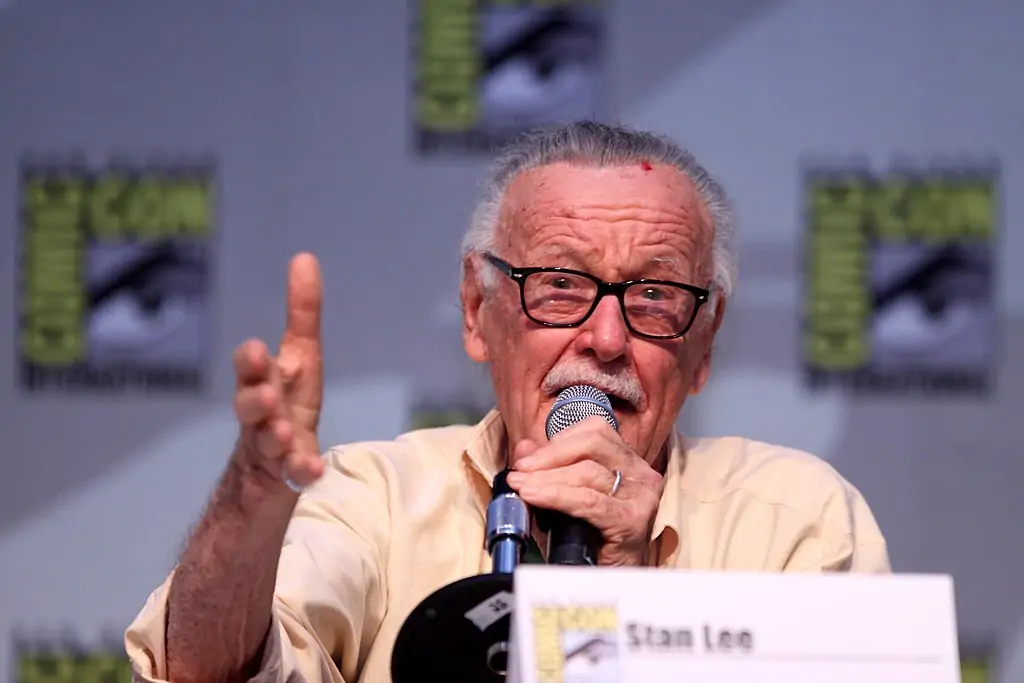
Stan Lee at the 2010 San Diego Comic Con in San Diego, California. Photo Credit: Gage Skidmore from Peoria, AZ, United States of America, CC BY-SA 2.0 <https://creativecommons.org/licenses/by-sa/2.0>, via Wikimedia Commons
Throughout his life, he acknowledged slipping “little morals” or “social relevance” into superhero stories. But that’s not the same as saying the X-Men were inspired by the Civil Rights movement or that they were created as metaphors for “marginalized communities.”
In fact, Stan repeatedly said the opposite. In a 2007 interview on Coast to Coast AM, he explained the real reason behind the X-Men’s creation.
“I was just originally trying to get an interesting group of characters with interesting powers and I thought it would make it twice as interesting if the public didn’t really like them that much,” he claimed. “Little by little I began getting mail saying how great it is that I’m doing these stories about bigotry and the evils of bigotry and so forth and race hatred. And I guess I was doing that, but I was doing it subconsciously. That wasn’t the main purpose.”
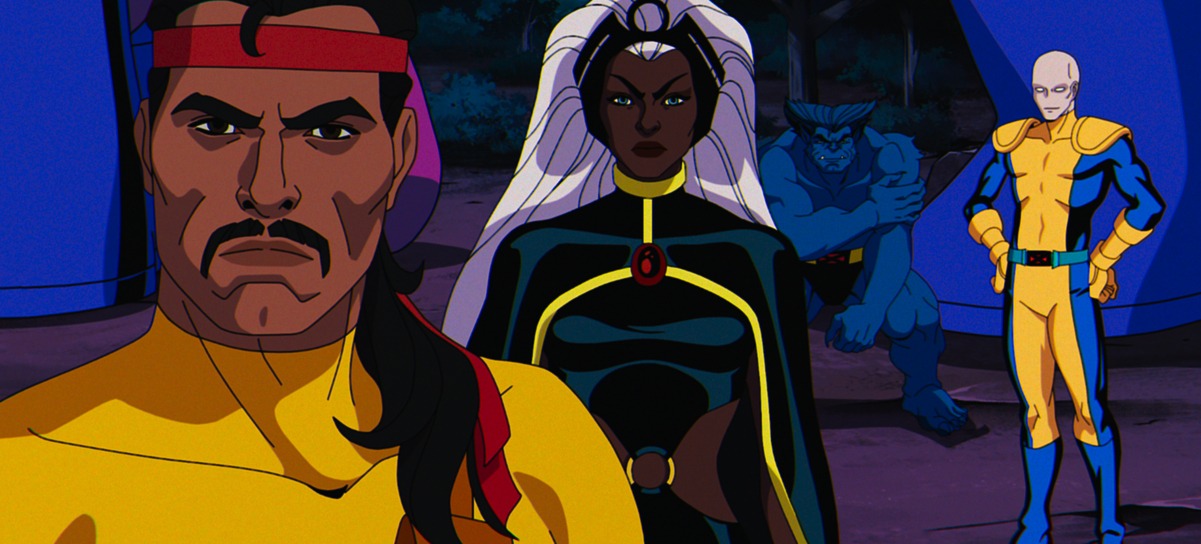
(L-R): Forge (voiced by Gil Birmingham), Storm (voiced by Alison Sealy-Smith), Beast (voiced by George Buza), and Morph (voiced by JP Karliak) in Marvel Animation’s X-MEN ’97. Photo courtesy of Marvel Animation. © 2024 MARVEL.
On whether the characters were meant as stand-ins for sexual identity, he was even clearer: “No, it was the furthest thing from my mind.”
How the Narrative Changed
What the Stan Lee hologram does is erase that nuance. It doesn’t say, “fans interpreted it this way” or “it can be seen as a metaphor.” Instead, it speaks in 2020s activist language: “marginalized communities,” “addressing social issues through storytelling,” and takes a definitive stance by claiming the characters are “indeed inspired by the Civil Rights movement.”

(L-R): Professor X (voiced by Ross Marquand) and Magneto (voiced by Matthew Waterson) in Marvel Animation’s X-MEN ’97. Photo courtesy of Marvel Animation. © 2024 MARVEL.
That’s not Stan’s plainspoken voice. Many see it as a script designed to align his image with modern ideological branding.
But Stan himself admitted that whatever political subtext crept in was an afterthought — not the foundation.
Why Fans are Concerned
No one denies that the X-Men can be read as allegories. That’s part of their appeal. But that’s not how or why they were created. The real Stan Lee emphasized story first, message second.
The hologram reverses that order, turning him into a mouthpiece for ideas he didn’t hold, expressed in words he never used.
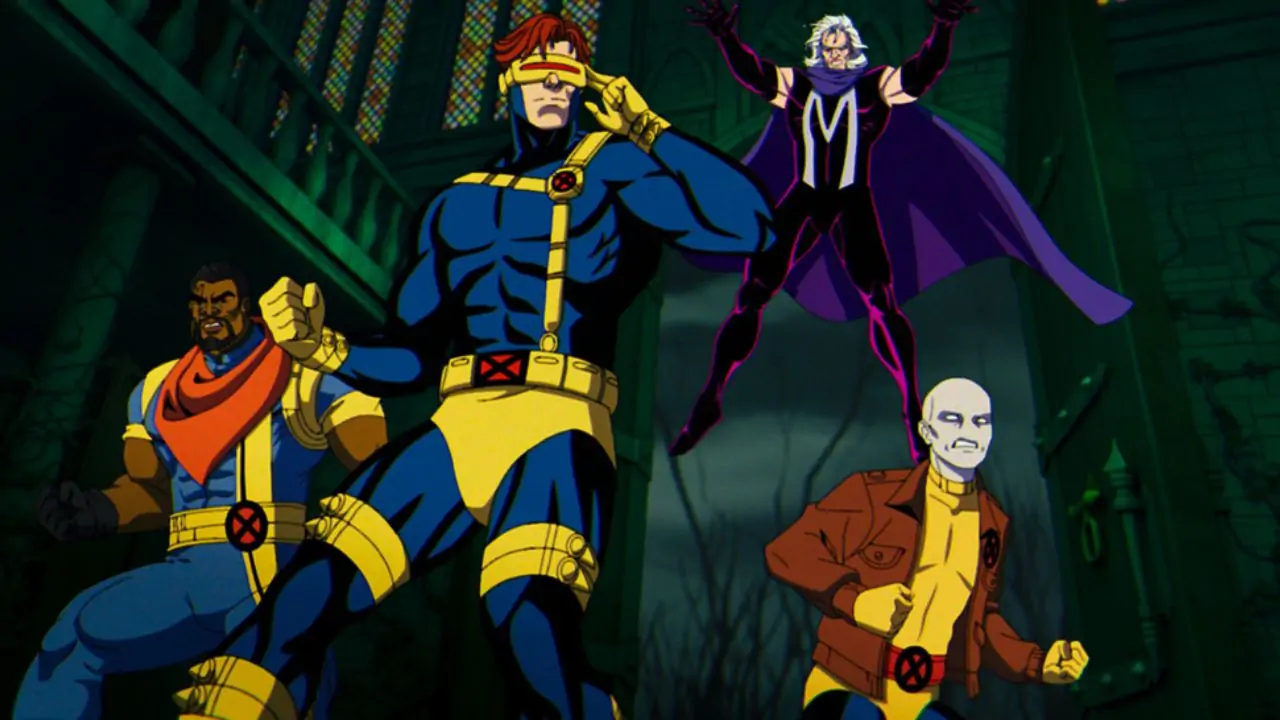
(L-R): Bishop (voiced by Isaac Robinson-Smith), Cyclops (voiced by Ray Chase), Magneto (voiced by Matthew Waterson), and Morph (voiced by JP Karliak) in Marvel Animation’s X-MEN ’97. Photo courtesy of Marvel Animation. © 2024 MARVEL.
There’s a big difference between Stan Lee saying, “Sometimes a story has a message” and a digital puppet saying, “The X-Men were indeed inspired by Civil Rights struggles.”
One is authentic. The other is historical revisionism.
Closing Thoughts
Fans wanted to celebrate Stan Lee at LA Comic Con. Instead, they got an AI-powered puppet redefining his legacy to match current trends.
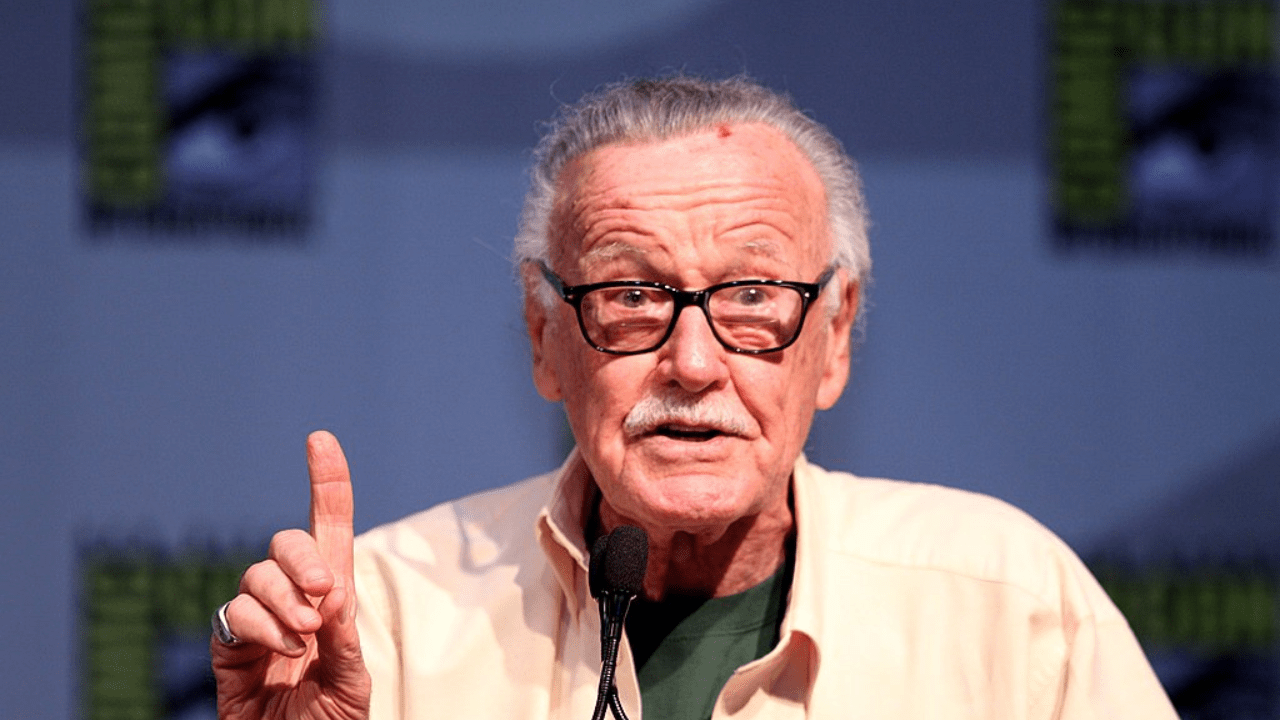
Stan Lee at the 2010 San Diego Comic Con in San Diego, California. Photo Credit: Gage Skidmore from Peoria, AZ, United States of America, CC BY-SA 2.0 <https://creativecommons.org/licenses/by-sa/2.0>, via Wikimedia Commons
Marvel may want to frame the X-Men as forever tied to activism and identity politics. But Stan Lee’s actual words tell a simpler story: he wanted to entertain, inspire, and maybe sneak in a little lesson along the way.
That was enough to change the world. Why isn’t that legacy good enough?
How do you feel about the Stan Lee hologram at LA Comic Con? Sound off in the comments and let us know!
