


Much of the direction for movies and TV shows is driven by merchandise sales — think toys, games, etc. Lucasfilm should heed merch messages written in the past.
Lessons Lucasfilm could learn from the 80’s
Last weekend, I was in the mood to hop on the computer and play a game. I wasn’t in the mood to play any of the stuff I’d been playing lately, and decided I’d wander through my Steam List and click on the first thing that I felt excited about. It had been a long time since I’d played it, but the title that caught my attention was Transformers: War for Cybertron. The game looks a little dated now, but when it first came out it was state-of-the-art. More than that, it was respectful to the Transformers G1 line, and it was clear that it was a labor of love for those involved.
As I was playing this weekend, I got to thinking about why this game and the sequel garnered so much attention. When it comes down to it, we’re talking about sentient robots from another planet who transform into earth vehicles and objects. This is not exactly high art, and yet the Transformers in multiple incarnations have survived for almost 40 years.
Why is that? What is the appeal?
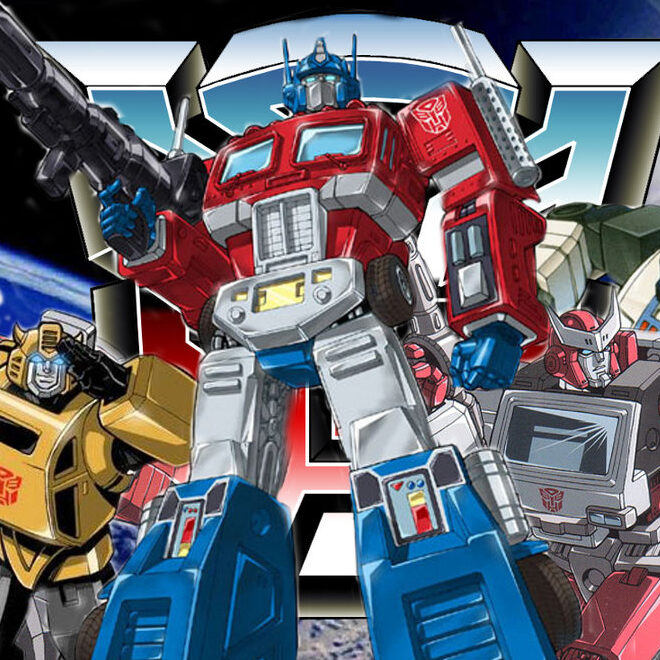
Despite the animated show being a vehicle to sell toys, a lot of thought went into the lore of the series. Ridiculous concept or no, the creatives behind the brand actually spent a lot of time mapping out character relationships, abilities, and a surprisingly vast well of lore that the audience reacted to. This was something that Hasbro, as a corporate entity, didn’t fully understand. To them, the cartoon was simply a vehicle to drive demand for toys. It would be impossible to overstate just how big of a brand Transformers was in 1984 and1985. A movie was inevitable, and it came in 1986. Hasbro insisted that many of the most popular characters, including Optimus Prime, be killed off. Many that weren’t killed off were instead converted into new versions and personalities – the better to sell a whole new toy line.
The writer of the movie tried to convince Hasbro that this was a tremendous mistake, but he was overruled – the suits had big ideas, and everything was going to be great. A generation of moviegoing children was traumatized to see their heroes die in the theater – this, from a series that had never killed off a single character. Crying children and angry parents responded negatively, and the third and future seasons of the show suffered. Eventually, Optimus Prime was resurrected, but the damage had been done. Transformers never again reached its original heights.
Does any of this sound familiar?
What did eventually happen was that stories continued in more serious comics, that diverged from the animated continuity. Additional layers of lore were built up, and by 2008-2009, Hasbro was looking for a new unified continuity. War for Cybertron fit the bill – a new prequel series that told of the dying gasps of Cybertron before the first episode of Transformers G1. The reason the game was so popular was that the writers and designers clearly loved the property, and showed it in their attention to lore. They were faithful to what had gone before, capturing the essence of the characters as well as the scope, drama, and humor of the universe. In other words – they approached the property with respect. A sequel was demanded, and Fall of Cybertron was also widely hailed. Unfortunately, as happens in corporate politics, the suits decided to try to intermingle the Michael Bay movie-verse with the War for Cybertron line. The resulting game was a cut-rate pale imitation of what had gone before, and the intended third chapter in the Cybertron trilogy was never produced.
The Great Toy Massacre of 1986
But this isn’t the only example that Lucasfilm could learn from. Another once-great toyline from that era followed a similar trajectory. He-Man and the Masters of the Universe also had an animated series to pitch toys to kids, and like the Transformers it was one of the dominant players in the market. Mattel had a ripper on their hands, and also grew greedy – glutting the market with toys. But this didn’t lead to the death of the line – that occurred when the marketing department realized that a large number of He-Man toy sales were actually being sold to girls. The original show had plenty of female characters who appealed to a diverse audience – Teela, The Sorceress, and Evil-Lyn were all prominent characters. It was decided that a greater play to the female portion of the audience was needed, and She-Ra was developed.
Initially developed by the He-Man group, internal politics eventually caused the development move to the female side of the house. (Primarily, this group had worked on the Barbie line.) She-Ra got her own debut movie, guest-starring He-Man, and the two had several cross-over episodes…but gradually the spotlight shifted until He-Man became a secondary act. This caused brand confusion, especially as young boys began seeing the property as “girly”. The crash was all-too-predictable.
There have been several revivals of He-Man over the years, but like the Transformers, it never ascended to its previous heights. A disastrous Netflix series led by Kevin Smith was universally panned as the modern-day bait-and-switch made Teela the central character, and Adam the toxic male who was the cause of everyone’s problems. These are lessons Disney shouldn’t need to learn – all are ancient history. Yet Disney apparently only saw Star Wars as a vehicle for identity politics and toy sales. They did not and still do not focus on quality. Worse, they are aggressively cannibalizing their own canon as they continuously retcon their own published materials, and demonize fans for pointing these facts out.
The ultimate lesson here is that when you have a successful brand, you have to respect what came before. Pay attention and love the lore. The fans will love you for it. I no longer believe that Mickey Mouse Star Wars can be saved under the current regime. Maybe, at some point in the future, under a visionary leader that may be possible – until then, we’ll have to live through the second coming of The Dark Times.
For all the news and analysis that should be fun, keep reading That Park Place. As always, drop a comment down below and let us know your thoughts about the merchandise sales that drive entertainment’s path forward!
