


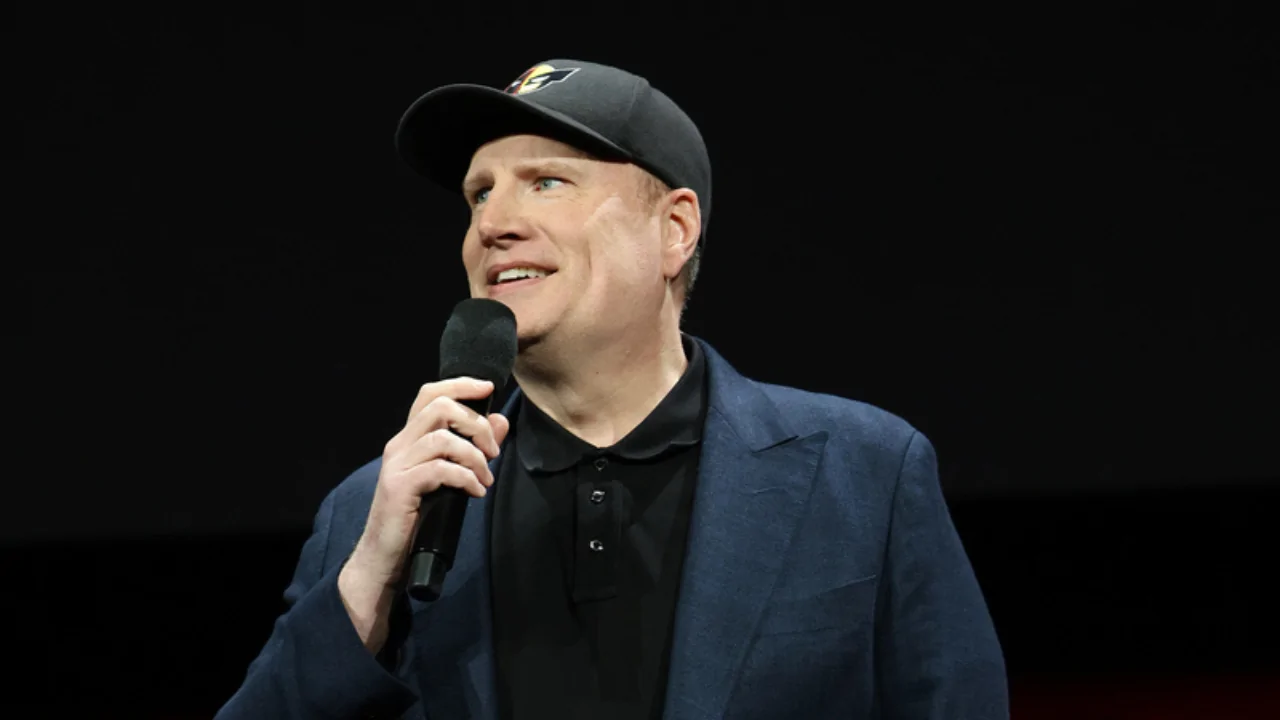
Once the undisputed king of billion-dollar hits, the Marvel Cinematic Universe (MCU) is now grappling with a new reality where consistent $1 billion box office grosses seem like relics of a bygone era. As one top agent representing several Marvel actors succinctly put it, “there’s a reset of what a hit is, and I don’t see them consistently hitting $1 billion as before.” He goes on to state that the game has changed with diminishing returns from China, more home availability thanks to Disney+, and shifting landscapes in the post-lockdown era.

Robert Downey Jr. as Tony Stark in Iron Man (2008), Marvel Entertainment
READ: Pedro Pascal Describes Robert Downey Jr. as Daddy Doomsday and the Internet Has Seemingly Had Enough
While some claim this highlights how external factors have forced the studio to temper expectations, cut costs, and redefine success—others believe this is Disney and Marvel moving the goalposts after a string of massive box office flops.
Factors Fueling the Reset
The agent’s quote captures four key challenges reshaping Marvel’s fortunes.
First, the loss of China as a reliable market. Pre-lockdowns, China was a goldmine for the MCU, with films like Avengers: Endgame earning a staggering $614 million there alone. But geopolitical tensions, stricter censorship, and a surge in domestic Chinese productions have drastically reduced Hollywood’s access.

The cast of Fantastic Four: First Steps – YouTube, Marvel Entertainment
Many post-2020 MCU films, including Black Widow, Shang-Chi and the Legend of the Ten Rings, Eternals, Spider-Man: No Way Home, Doctor Strange in the Multiverse of Madness, and Thor: Love and Thunder, were denied release or outright banned in China, resulting in $0 contributions from the market. Even when films do get released, hauls are anemic—The Fantastic Four: First Steps just managed only $4.5 million in China during its opening weekend, a far cry from the triple-digit millions of yesteryear.
Second, Disney+ exposure has cannibalized theatrical urgency. Hybrid releases during the lockdown period, like Black Widow’s day-and-date streaming debut, trained audiences to wait for home viewing, eroding box office exclusivity. Post-lockdown shifts in consumer behavior—lingering health concerns, higher ticket prices, and competition from streaming—have further depressed theater attendance.
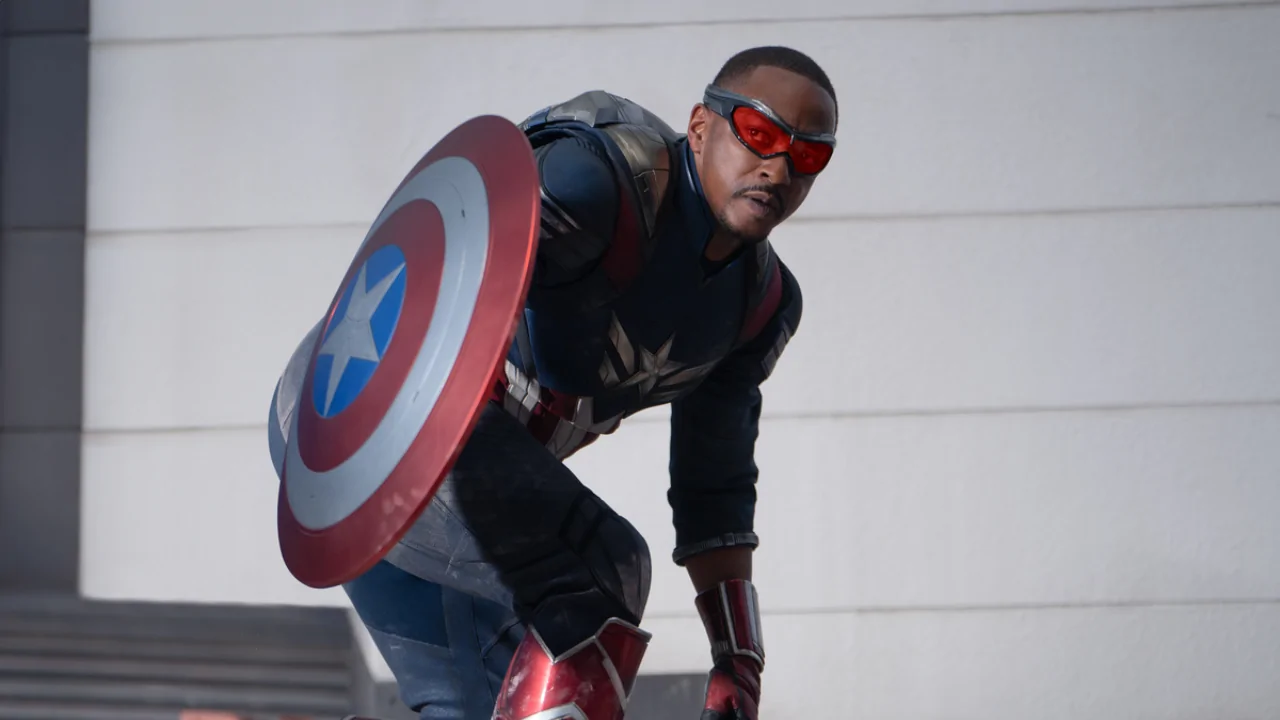
Anthony Mackie as Sam Wilson/Captain America in Marvel Studios‘ CAPTAIN AMERICA: BRAVE NEW WORLD. Photo by Eli Adé. © 2024 MARVEL.
READ: Alyssa Mercante Receives “Final Filing” from Smash JT and Attorney Ron Coleman in Unraveling Lawsuit
Industry analysts note that global box office grosses may not return to pre-lockdown levels even by 2029.
Third, the absence of “megastars” like Robert Downey Jr.’s Iron Man or Chris Evans’ Captain America has diminished the must-see appeal of Marvel movies. While veterans like Chris Hemsworth return for projects like Avengers: Doomsday, newer ensembles lack the same draw, contributing to what many are calling “superhero fatigue.”

Bucky in Marvels Thunderbolts* – YouTube, Marvel Entertainment
Finally, escalating budgets exacerbate the issue. Lockdown-related production delays inflated costs—Ant-Man and the Wasp: Quantumania ballooned to $388 million due to reshoots and protocols. Yet grosses haven’t kept pace, leading to slim margins or outright losses.
Box Office Evidence: Spending More, Earning Less
A review of Phases 4 and 5 demonstrates this alarming trend, with Phase 4 grossing over $5.7 billion across seven films and Phase 5 closing at a comparatively lower $3.66 billion for its six entries, marking it as the lowest-grossing chapter in MCU history—even below Phase 1’s $3.81 billion.
Pre-lockdown Phase 3 averaged over $1.2 billion per film, with half exceeding $1 billion, but post-2021, only a handful have hit that mark, and profitability remains inconsistent.

Black Widow/Natasha Romanoff (Scarlett Johansson) in Marvel Studios’ BLACK WIDOW, in theaters and on Disney+ with Premier Access. Photo by Jay Maidment. ©Marvel Studios 2021. All Rights Reserved.
For example, Black Widow, burdened by a $200 million budget and a hybrid Disney+ release, grossed $380 million worldwide with no China contribution due to a ban, barely breaking even thanks to streaming revenue.
Shang-Chi and the Legend of the Ten Rings followed suit, earning $432 million on a $150-200 million budget, again with zero from China.
Eternals underperformed at $402 million against $236 million spent, incurring losses after a China ban.
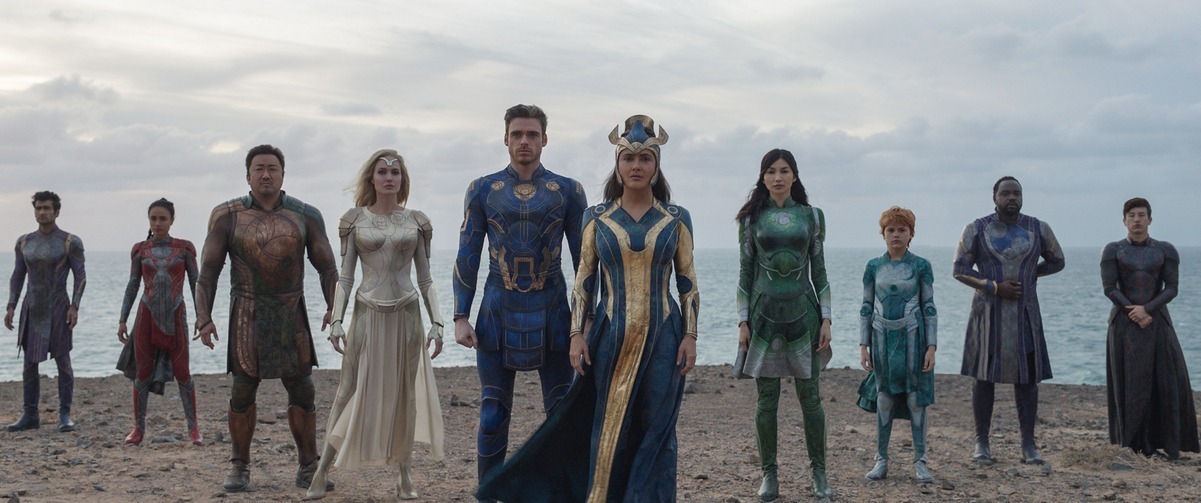
(L-R): Kingo (Kumail Nanjiani), Makkari (Lauren Ridloff), Gilgamesh (Don Lee), Thena (Angelina Jolie), Ikaris (Richard Madden), Ajak (Salma Hayek), Sersi (Gemma Chan), Sprite (Lia McHugh), Phastos (Brian Tyree Henry) and Druig (Barry Keoghan) in Marvel Studios’ ETERNALS. Photo courtesy of Marvel Studios. ©Marvel Studios 2021. All Rights Reserved.
Bright spots emerged with Spider-Man: No Way Home, which smashed records at $1.928 billion worldwide on $200 million, thriving on nostalgia despite no China release.
Doctor Strange in the Multiverse of Madness neared $1 billion with $956 million on a $172-200 million budget, profitable even without China.
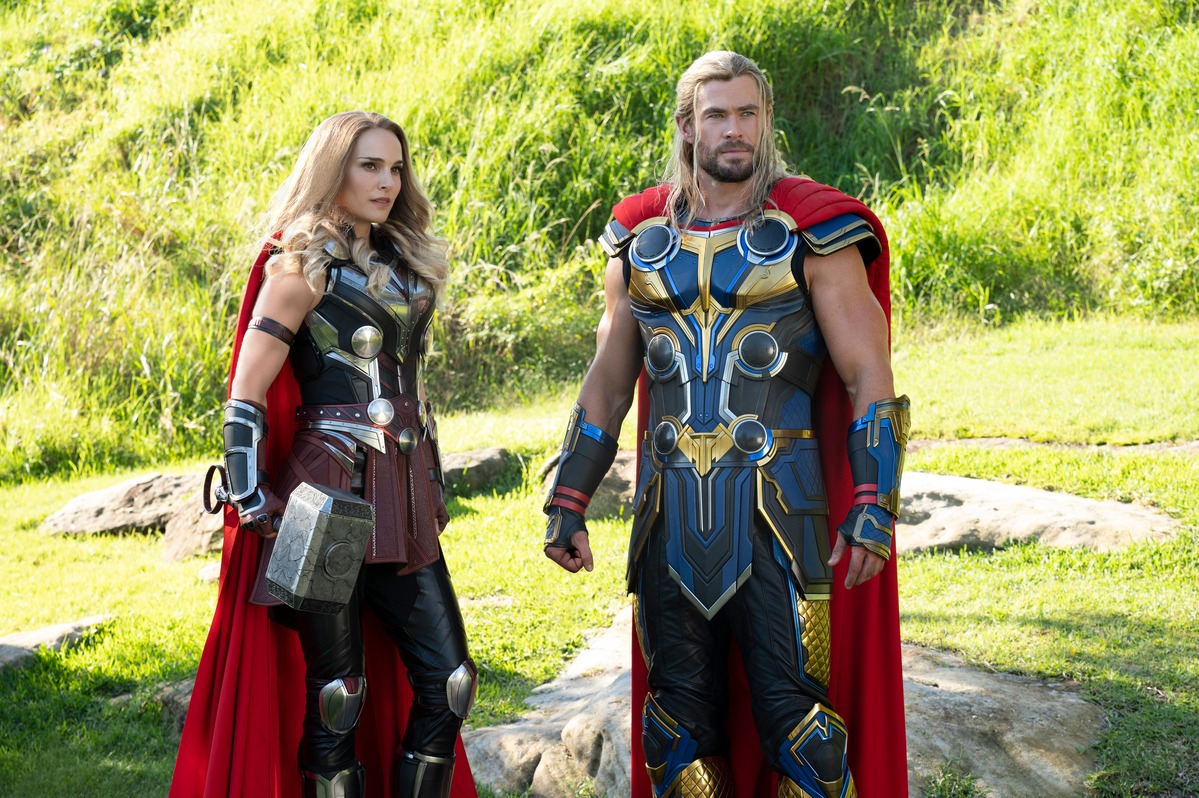
(L-R): Natalie Portman as Mighty Thor and Chris Hemsworth as Thor in Marvel Studios’ THOR: LOVE AND THUNDER. Photo by Jasin Boland. ©Marvel Studios 2022. All Rights Reserved.
However, Thor: Love and Thunder grossed $761 million on $250 million, yielding mixed results after a China ban over PRIDE content.
Black Panther: Wakanda Forever earned a respectable $859 million against $250 million, with about $42 million from China, achieving break-even status.
Phase 5 saw steeper declines.
Ant-Man and the Wasp: Quantumania flopped at $476 million worldwide despite a $388 million budget, with roughly $40 million from China, leading to over $100 million in losses.
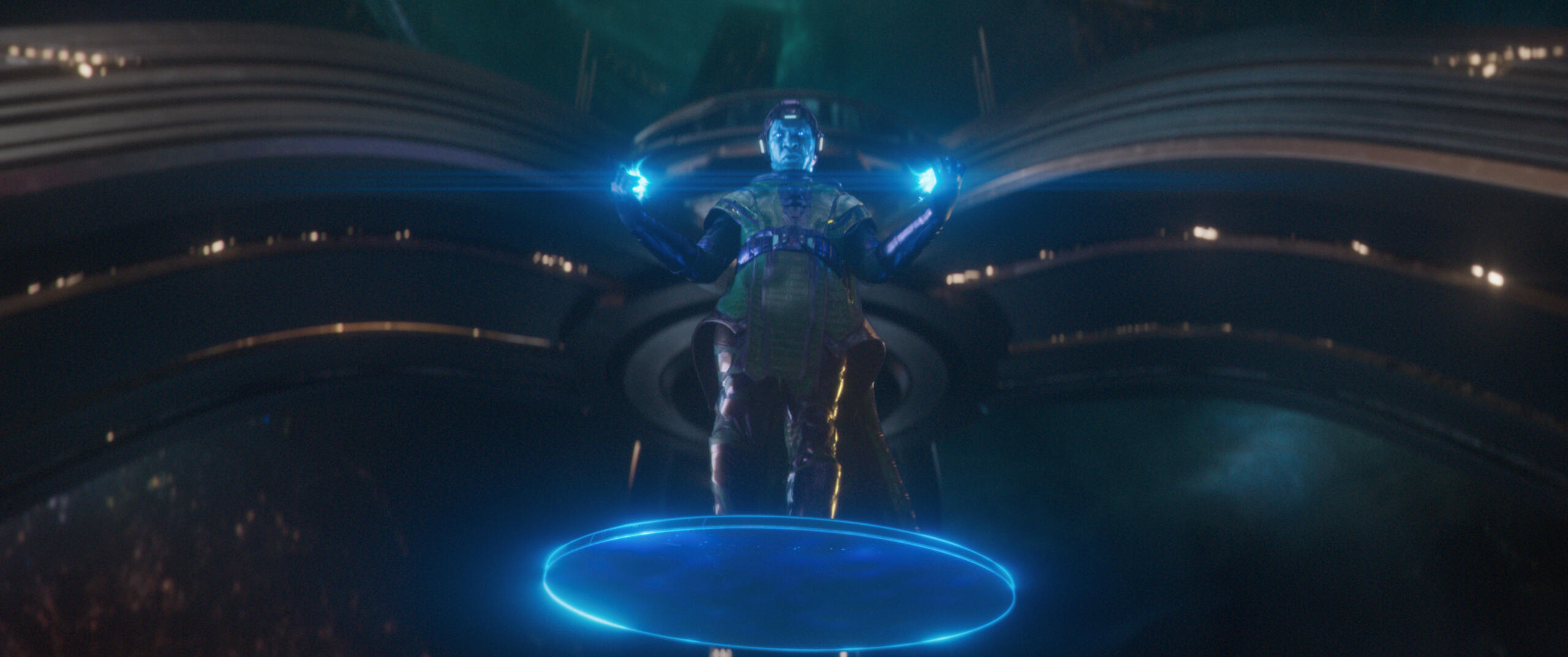
(L-R): Jonathan Majors as Kang The Conqueror in Marvel Studios’ ANT-MAN AND THE WASP: QUANTUMANIA. Photo courtesy of Marvel Studios. © 2022 MARVEL.
Guardians of the Galaxy Vol. 3 performed solidly at $846 million on $250 million, including $87 million from China, netting a modest profit.
But The Marvels became the MCU’s biggest flop, grossing just $206 million against $375 million, with $12 million from China and losses exceeding $200 million.
Outliers persisted: Deadpool & Wolverine soared to $1.338 billion on $200 million, with $42 million from China, generating strong profits through R-rated appeal and nostalgia. Yet 2025 releases reflect tempered outcomes.
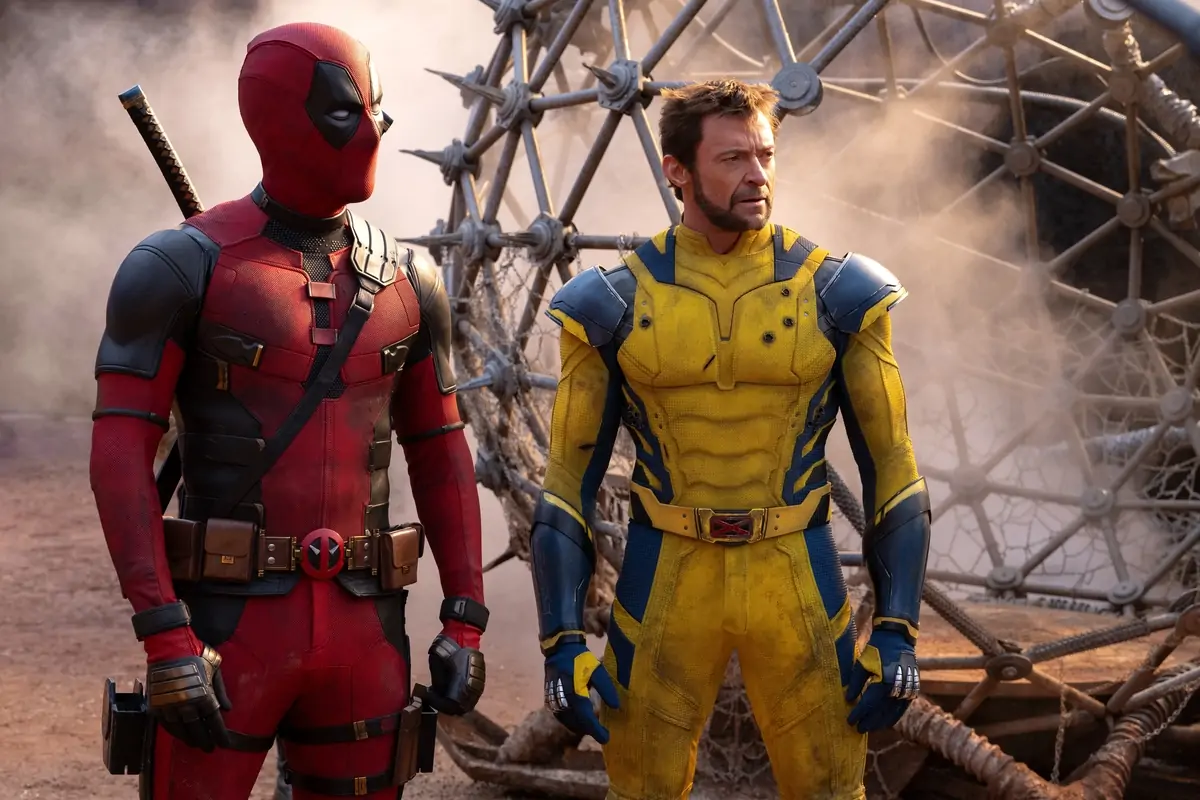
(L-R): Ryan Reynolds as Deadpool/Wade Wilson and Hugh Jackman as Wolverine/Logan in 20th Century Studios/Marvel Studios’ DEADPOOL & WOLVERINE. Photo by Jay Maidment. © 2024 20th Century Studios / © and ™ 2024 MARVEL.
Captain America: Brave New World grossed $415 million worldwide on $180 million reported budget (though with reshoots some sources estimate the film cost well above $300 million), with an estimated $15 million from China and slim margins.
Thunderbolts was another big flop for the MCU, despite some positive reviews. It earned $382 million globally against $180 million, underperforming with $16.08 million from China and signaling a downward trend.

Pedro Pascal as Reed Richards in Fantastic Four: First Steps – YouTube, Marvel Entertainment
READ: Did Rachel Zegler Snub Understudy Who Earned 5-Minute Standing Ovation for Replacing her in Evita?
Finally, The Fantastic Four: First Steps has reached approximately $227 million worldwide in its early run on a budget north of $200 million, with a disappointing $4.5 million from China for opening and projections for a sharp second-weekend drop of more than 60%.
Overall, the average worldwide gross per film hovers around $630 million, nearly 50% down from Phase 3’s $1.2 billion.
Marvel’s Cost-Cutting Pivot: Moving the Goalposts?
In response, Marvel is prioritizing efficiency. For the upcoming X-Men reboot, directed by Jake Schreier, the studio is eyeing younger, affordable talent to “keep the cost down,” rather than A-listers.
Projects like Black Panther 3 are greenlit, while riskier projects like Blade take a backseat.

(L-R): Iman Vellani as Ms. Marvel/Kamala Khan, Brie Larson as Captain Marvel/Carol Danvers, and Teyonah Parris as Captain Monica Rambeau in Marvel Studios’ THE MARVELS. Photo by Laura Radford. © 2023 MARVEL.
Avengers: Doomsday will feature high-payday returns like Downey Jr. as Doctor Doom, but overall, the focus is on manageable budgets.
Critics argue this is merely shifting metrics. They claim $500-800 million might now be a “hit,” but with budgets unchanged, profitability suffers. Wall Street watches closely, as Marvel remains vital to Disney’s IP empire. Yet, with Avengers: Secret Wars on the horizon, the studio is betting on multiverse spectacle to reignite fervor.
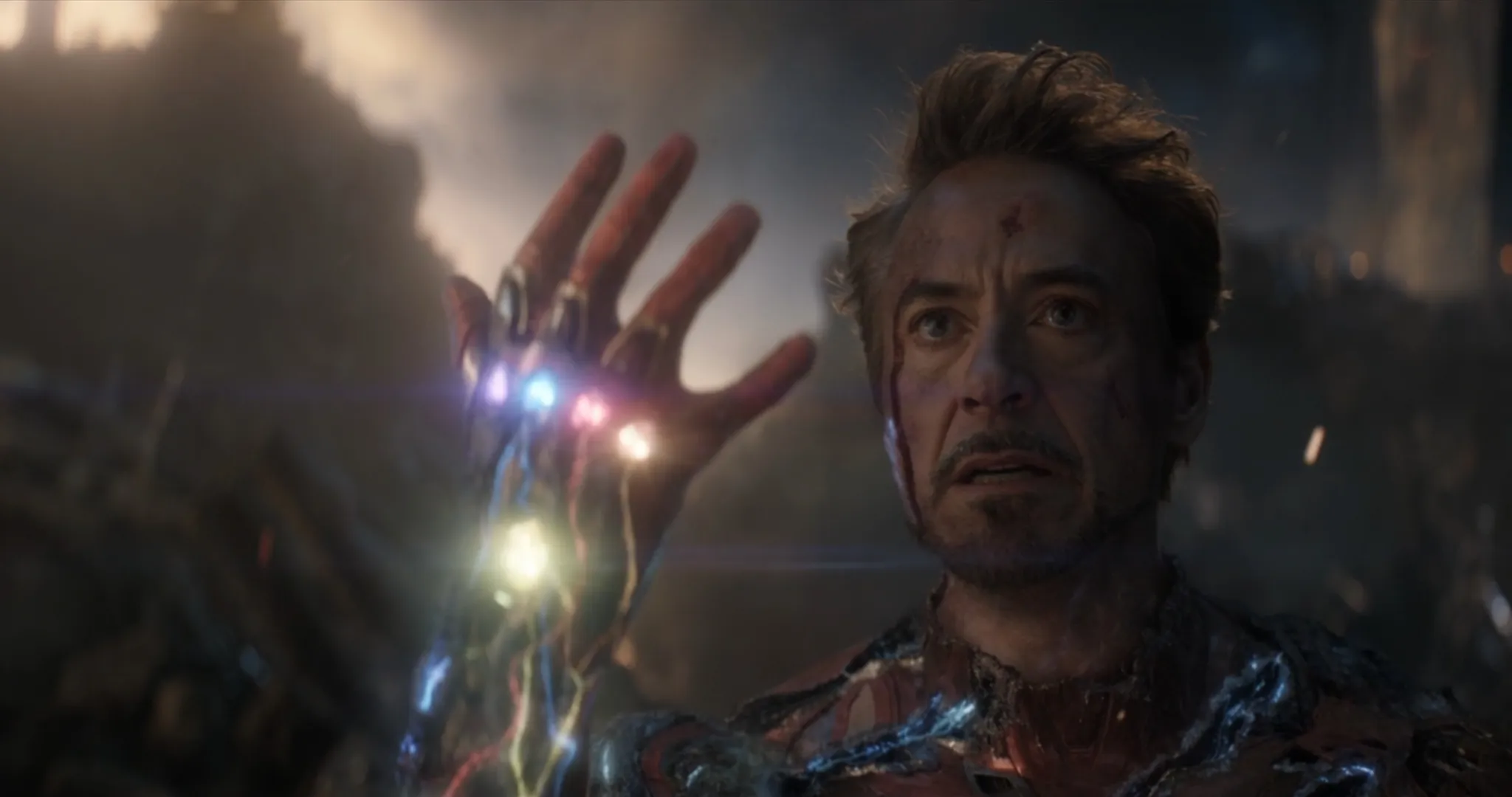
Robert Downey Jr. as Iron Man in Avengers: Endgame (2019), Marvel Studios
This Marvel box office benchmark reset reflects broader industry woes. Post-lockdown recovery is uneven. Summer 2025 shows some promise but its still wildly unpredictable. By trimming costs and recalibrating expectations, the MCU aims to sustain longevity. But as the agent notes, without recapturing China’s windfall or megastar magic, billion-dollar dominance may remain elusive.
The true test will be: Can Marvel entertain without breaking the bank?
How do you feel about Marvel and its new box office benchmarks? Sound off in the comments and let us know!
UP NEXT: Doc Brown From ‘Back to the Future’ Involved in Epic Universe’s Stardust Racers: New Lore Explored
