


For years, the relationship between Hollywood actors and politics has been treated by the entertainment media as a foregone conclusion. Red carpets weren’t just for movie promotion — they were ideological activist battlegrounds. Junkets doubled as policy forums. Award shows became sermon platforms.
But something is shifting.
And judging by the reaction out of the Berlin Film Festival, the Hollywood press isn’t taking it well.
Recent coverage surrounding the Berlinale has fixated not on films, performances, or premieres — but on what celebrities aren’t saying. Political silence, or at least restraint, has become the story itself. Stars like Wim Wenders, Michelle Yeoh, Kevin James, and Neil Patrick Harris have all come under scrutiny for declining to offer sweeping geopolitical commentary while promoting their work.
In other words, they showed up to talk about movies. And that, apparently, is now controversial.
Celebrities Were Asked Directly — And Declined
If there was any doubt about how intentional this shift has become, the Berlin Film Festival provided multiple real-time examples of celebrities drawing clear boundaries when political questions surfaced.
Comedian Kevin James, speaking in a separate promotional interview, explained why he has long avoided weighing in on political discourse altogether.
#KevinJames on why he doesn’t weigh in on politics: “There are experts who know much more than I do.”
“I’m just focusing on what I can do, delivering a fun, heartfelt break from the craziness of the world. Everybody carries themselves around all day long with a lot of stress.… pic.twitter.com/URI0y7pHf1
— Variety (@Variety) February 13, 2026
“Politically, for me to speak on it, there are experts who know much more than I do,” James said. “I’m just focusing on what I can do, delivering a fun, heartfelt break from the craziness of the world.”
Rather than positioning himself as a political voice, James framed entertainment as relief — an escape valve for audiences looking to disconnect from constant ideological conflict.
Neil Patrick Harris struck a similar tone while promoting his project at the festival, emphasizing connection over commentary.
“I think we live in a strangely algorithmic and divided world right now, and so as artists, I’m always interested in doing things that are apolitical,” Harris said. “Because we’re all, as humans, wanting to connect in some way.”

Neil Patrick Harris as The Toymaker in Doctor Who 60th Anniversary Special “The Giggle” (2023), BBC
Michelle Yeoh also declined invitations to weigh in on American politics when pressed by reporters, citing both distance and perspective.
“I don’t think I am in the position to really talk about the political situation in the U.S., and also I cannot presume to say I understand how it is,” Yeoh explained. “So, best not to talk about something I don’t know about.”
Taken together, the responses paint a consistent picture — not of celebrities afraid to speak, but of performers increasingly choosing when, where, and whether political commentary fits within their professional role at all.
When Silence Becomes Scandal
The framing coming from entertainment outlets is telling. Rather than treating political restraint as neutral — or even professional — it’s being positioned as avoidance, fear, or moral failure.
Festival press conferences reportedly became flooded with politically charged questions, often unrelated to the films being discussed. And when actors deflected or declined to engage, headlines followed.
Rupert Grint is asked about the rise of fascism at #BerlinFilmFestival: “Obviously, I’m against it. But I choose my moments when to speak.” pic.twitter.com/GPa7yaGiaN
— Variety (@Variety) February 14, 2026
One of the most revealing moments came from Harry Potter actor Rupert Grint.
Asked to weigh in on the rise of far-right politics in the U.K., Grint responded: “Obviously, I’m against it,” before noting that if he wants to make a statement he’ll do so at a time of his choosing.
That was it.
A four-word, boilerplate response that read less like activism and more like a polite attempt to move the conversation back to the project he was there to promote.

Rupert Grint as Ron Weasley and Daniel Radcliffe as Harry Potter in Harry Potter and the Philosopher’s Stone (2001), Warner Bros. Pictures
READ: KPop Demon Hunters Sequel May Not Happen in 2029
But even that minimal answer became headline fodder — cited as an example of celebrities “speaking out.”
When the bar for political engagement is that low, it raises an obvious question: Is the media looking for meaningful discourse… or just usable soundbites?
The Pressure Campaign Is Out in the Open
If there was any ambiguity about the expectation being placed on celebrities, German political journalist Tilo Jung erased it.
In remarks highlighted during festival coverage, Jung argued that artists — particularly those in Hollywood — have an obligation to speak politically.
“Fascism is the enemy of artistic freedom,” he said, pointing to the attacks against Bad Bunny following his Super Bowl performance. “So artists — especially the Hollywood elite — have a special role in at least raising their voices. They need to step up — and the time to do that is now. We need to learn from history.”
It’s a striking quote — not just for what it says, but for what it implies.
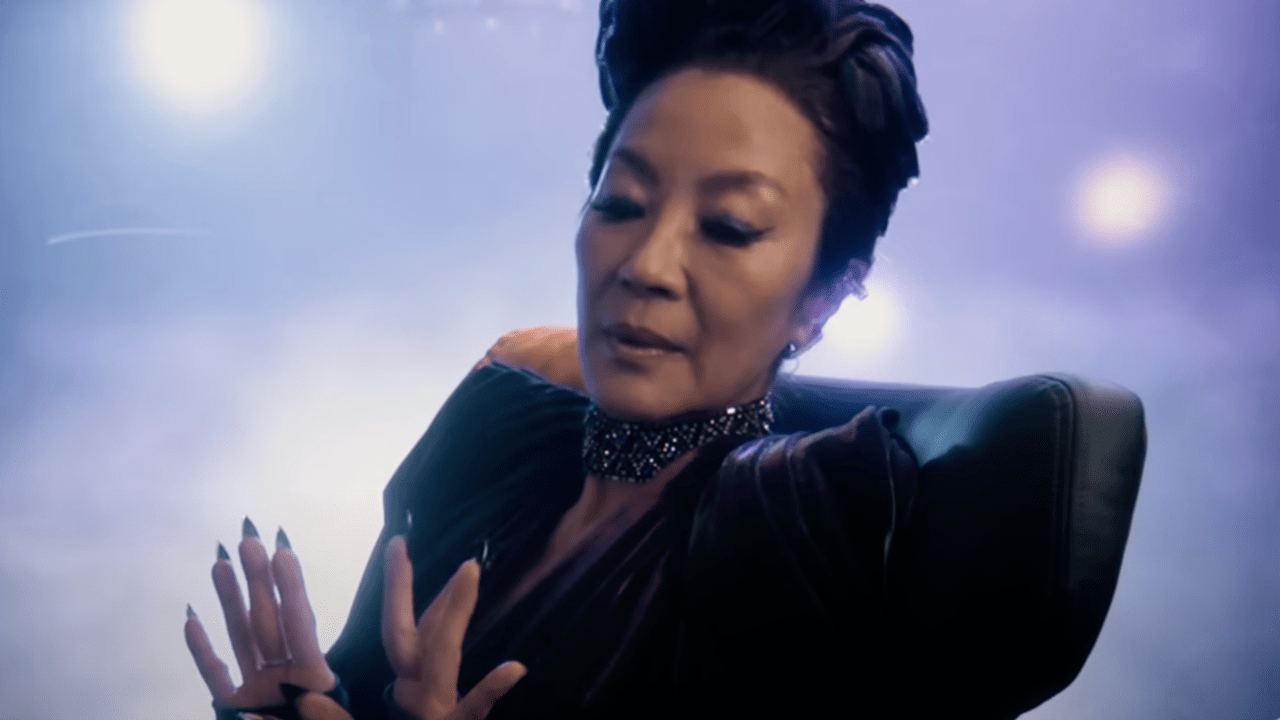
Michelle Yeoh in Star Trek: Section 31 – YouTube, Paramount Plus
It also reflects Jung’s own framing of what constitutes “fascism” in this context — namely cultural backlash, online criticism, and political disagreement directed at artists.
Historically speaking, fascist regimes have been defined not by social media outrage or partisan critique, but by state-enforced repression: censorship, imprisonment, violent punishment, and in extreme cases execution for political dissent.
In those systems, “speaking out” against the government isn’t a red-carpet talking point — it’s a life-altering risk.
According to the framing being applied at Berlin, however, attending a film festival isn’t enough. Promoting a movie isn’t enough. Making art isn’t enough.
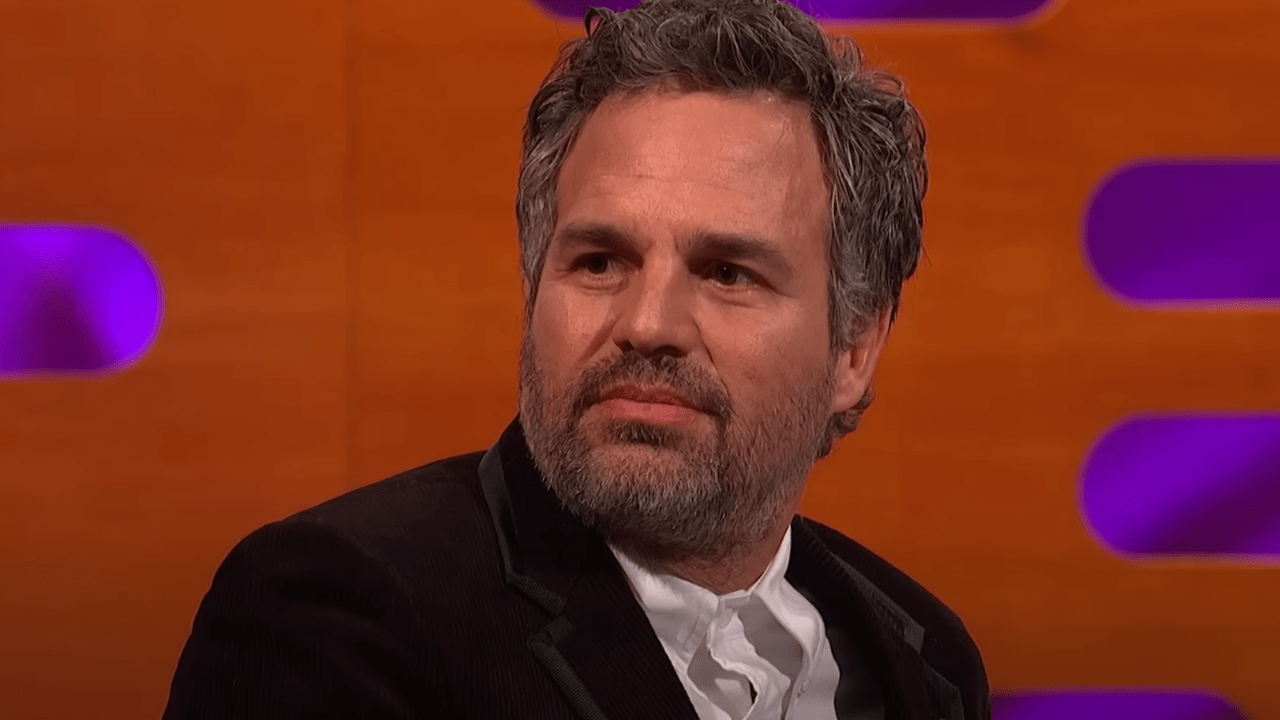
Marvel actor Mark Ruffalo – YouTube, The Graham Norton Show
READ: Warner Bros. Board Considers Reopening Talks with Paramount — Is The Netflix Deal in Danger?
Celebrities are expected to function as political surrogates. And if they don’t, they’re criticized for staying on the sidelines.
A Noticeable Industry Shift
What makes this moment interesting is that many actors seem increasingly unwilling to play along.
In previous years, political grandstanding was almost an expected part of Hollywood’s public image. Award show speeches, late-night interviews, and press tours regularly veered into activism.
But the cultural and commercial landscape has changed.
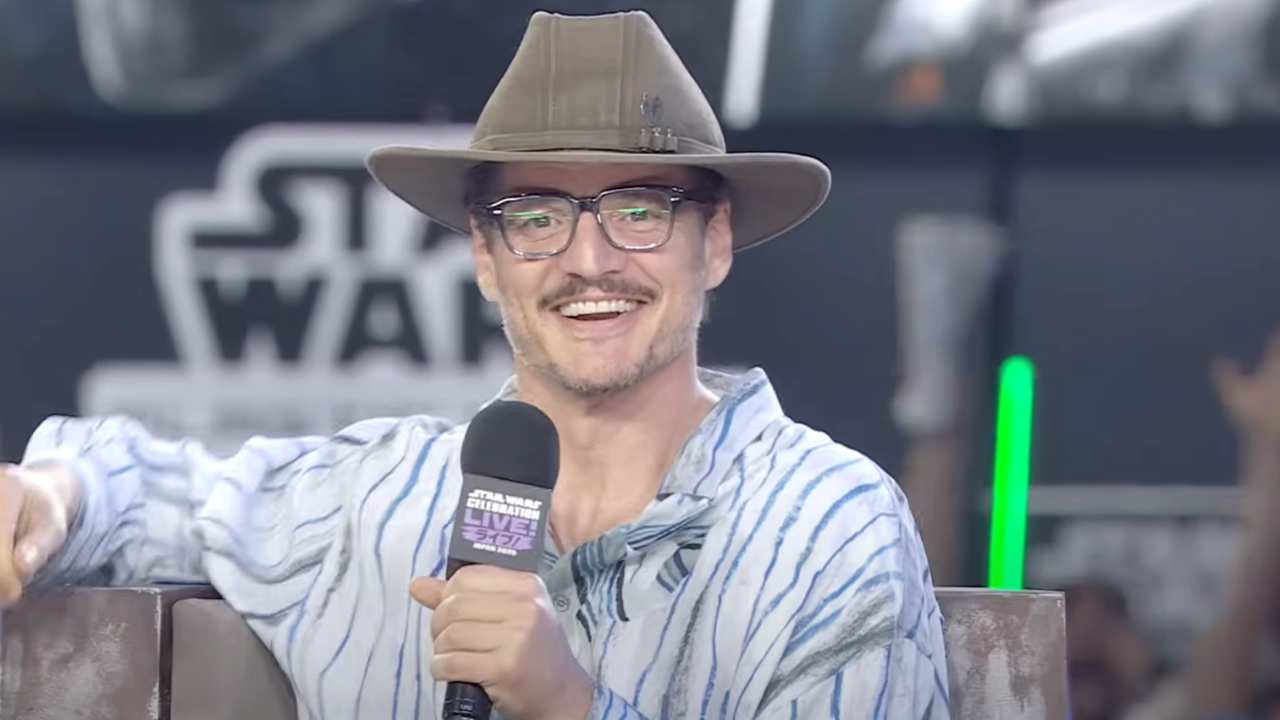
Pedro Pascal at Star Wars Celebration – YouTube, Star Wars
Studios are more risk-averse. Audiences are more fragmented. Social media backlash cycles are faster and more brutal.
There’s a growing perception that overt political rhetoric can alienate ticket buyers — particularly when messaging becomes divisive or dismissive of large swaths of the audience.
So from a career standpoint, staying apolitical isn’t cowardice. It’s brand management.
Media vs. Message Discipline
That tension — between media expectation and celebrity restraint — is what’s driving the current friction.
Access journalists still operate under the assumption that stars should deliver ideological commentary on demand. But actors, agents, and studios increasingly see downside risk with little upside reward.
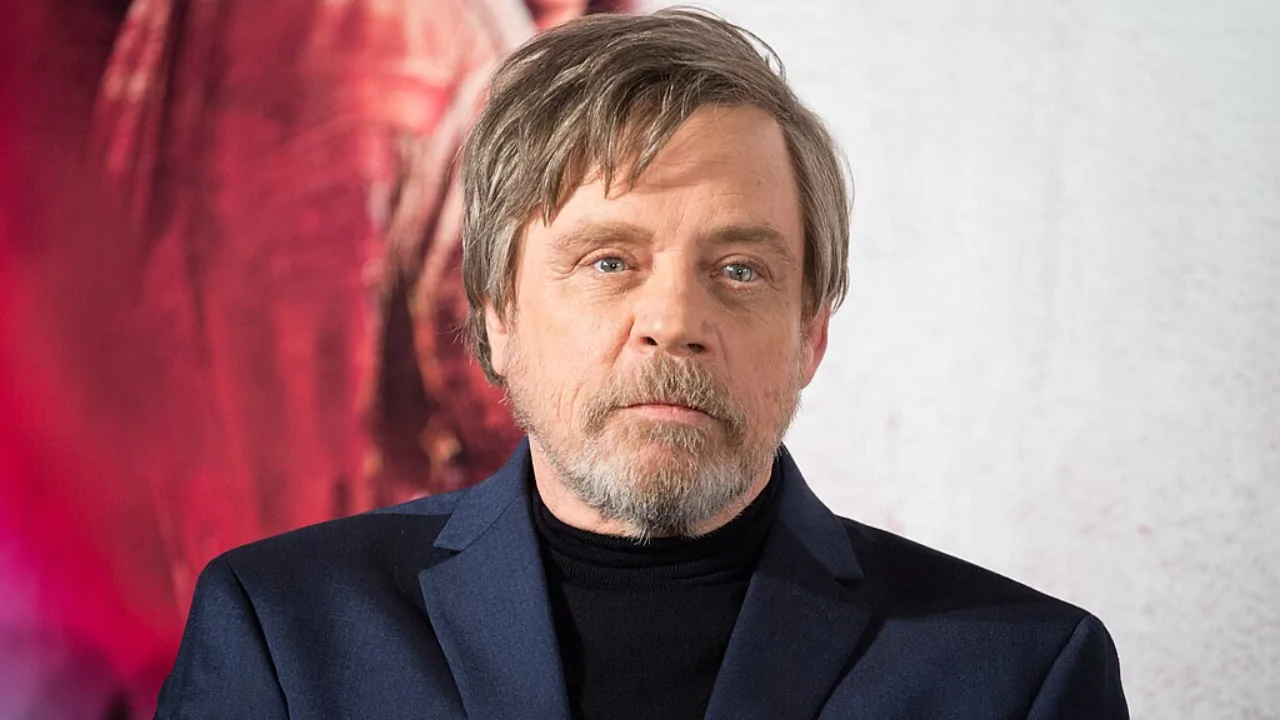
Mark Hamill at the Star Wars: The Last Jedi Japan Premiere. Photo Credit: Dick Thomas Johnson from Tokyo, Japan, CC BY 2.0 <https://creativecommons.org/licenses/by/2.0>, via Wikimedia Commons
The result is awkward press conferences, deflected questions, and headlines expressing frustration that celebrities won’t provide viral political clips.
The Berlinale coverage reads less like cultural reporting and more like agitation that the old activism pipeline isn’t flowing the way it used to.
The Applause That Says Everything
Perhaps the most telling moment came when Rage Against the Machine guitarist Tom Morello delivered an explicitly political statement at the festival — drawing applause from journalists in the room.
Not from audiences, mind you. From the press.
It illustrated where the demand for political rhetoric is coming from — and who seems most eager to hear it.
A Changing Hollywood Reality
The broader truth is this: Actors are still free to speak politically if they choose.
Some do. Some don’t.
But the expectation that every celebrity must function as an activist surrogate appears to be fading — replaced by a more cautious, career-protective approach to public messaging.

Jimmy Kimmel interviews Joe Biden – YouTube, Jimmy Kimmel Live!
And judging by the tone of recent festival coverage, that shift is driving a noticeable level of frustration within Hollywood media circles.
Because when celebrities stop delivering the quotes, the press has to write stories about the silence instead.
Do you think the media is angry that some Hollywood actors are no longer commenting on politics? Sound off in the comments and let us know!
