


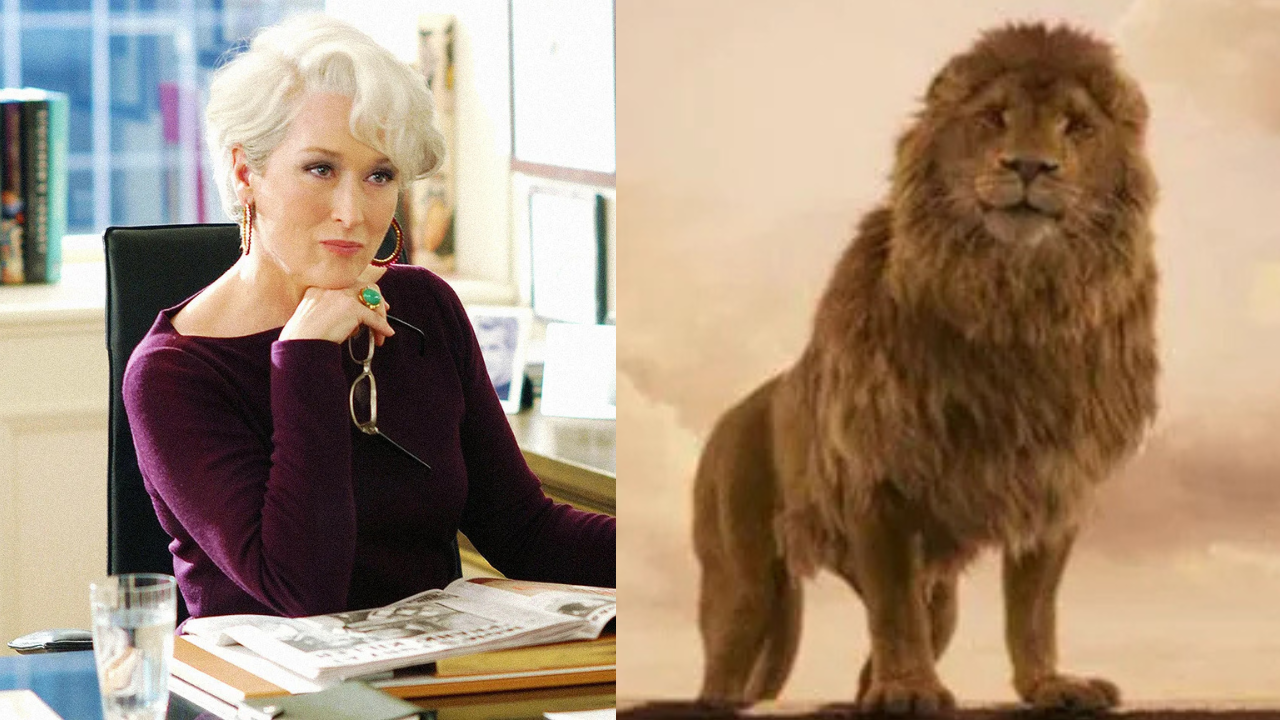
Meryl Streep is officially Aslan in Barbie Director Greta Gerwig’s Netflix adaptation of The Chronicles of Narnia.
After more than a year of reports and speculation surrounding Greta Gerwig’s upcoming adaptation of The Magician’s Nephew, Streep has now been confirmed as the voice of C.S. Lewis’ Great Lion — one of the most explicitly Christian figures in modern fantasy literature.
But that’s only the beginning.
Gerwig has also revealed that her interpretation of Narnia draws heavily from 1960s and 1970s British rock, that she approached the movie with the idea of making a “rock opera,” and that her new version of Aslan has been visually inspired by David Bowie.
For longtime Narnia readers — and particularly the generations of Christians for whom Lewis’ books carry enormous spiritual significance — there’s a lot to unpack here.
Meryl Streep Is Officially Aslan
Variety reports that Gerwig confirmed Streep as Aslan as part of Empire’s first major look at Narnia: The Magician’s Nephew.
Gerwig explained that she was searching for a performer capable of giving Aslan both enormous weight and childlike wonder.
“I wanted someone who was profound but not pretentious, who had gravitas but not morose self-seriousness,” Gerwig told Empire. “Someone who could communicate depth and pathos as well as joy and delight.”
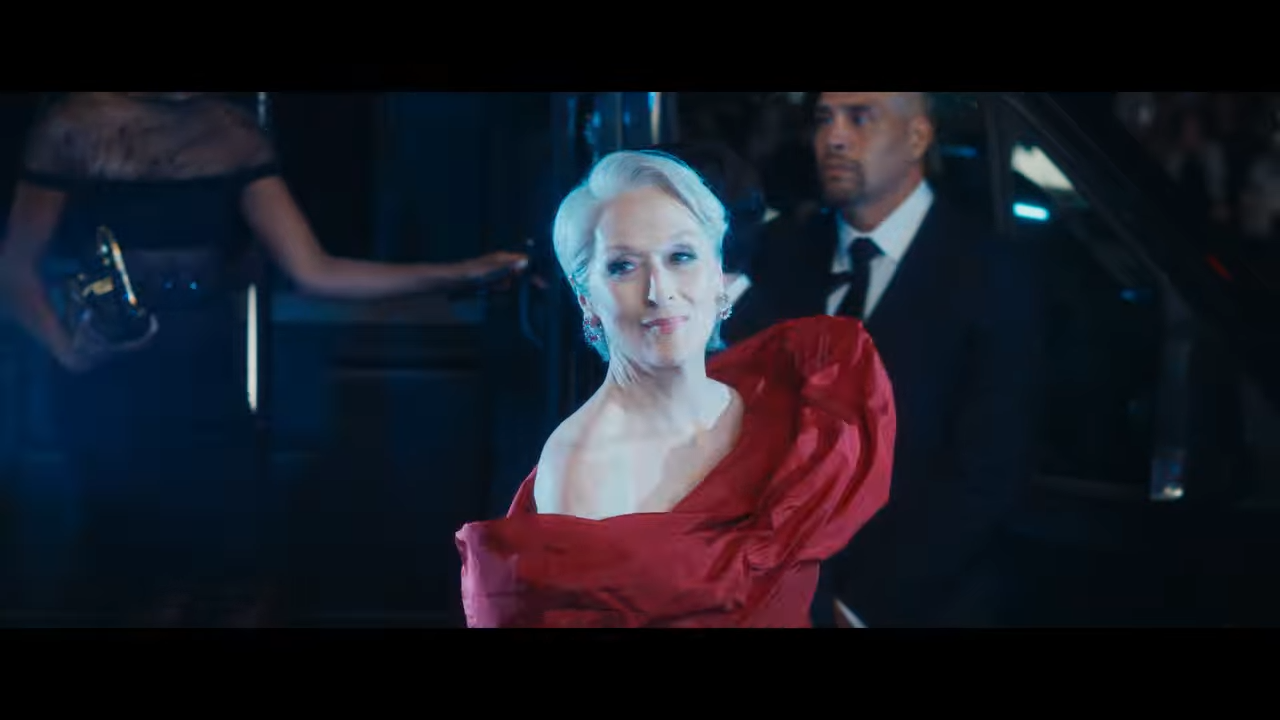
Meryl Streep in The Devil Wears Prada 2 – 20th Century Studios, YouTube
READ: 60 Characters Gather to Celebrate Magic of Disney Animation Opening
The director also specifically wanted someone older than 70 who could convey wisdom while retaining that sense of wonder. Gerwig ultimately landed on 77-year-old Streep, whom she previously directed in Little Women.
The available material continues to describe Aslan as male, so this doesn’t appear to be a straightforward gender swap in which Aslan has been rewritten as a lioness or female deity. Rather, Gerwig has cast a woman to provide the voice of the male Aslan.
That doesn’t, however, eliminate the religious implications of the decision.
Aslan Isn’t Just a Talking Lion
Any discussion about fundamentally reinterpreting Aslan has to acknowledge what the character actually means within Lewis’ work.
C.S. Lewis wasn’t merely one of the most influential fantasy authors of the 20th century. He was also one of its most famous Christian writers.
His faith permeated works including Mere Christianity, The Problem of Pain, The Screwtape Letters, and, perhaps most famously in popular culture, The Chronicles of Narnia.
And Aslan’s relationship to Jesus Christ isn’t a theory invented decades later by readers looking for religious symbolism.
Lewis said it himself.
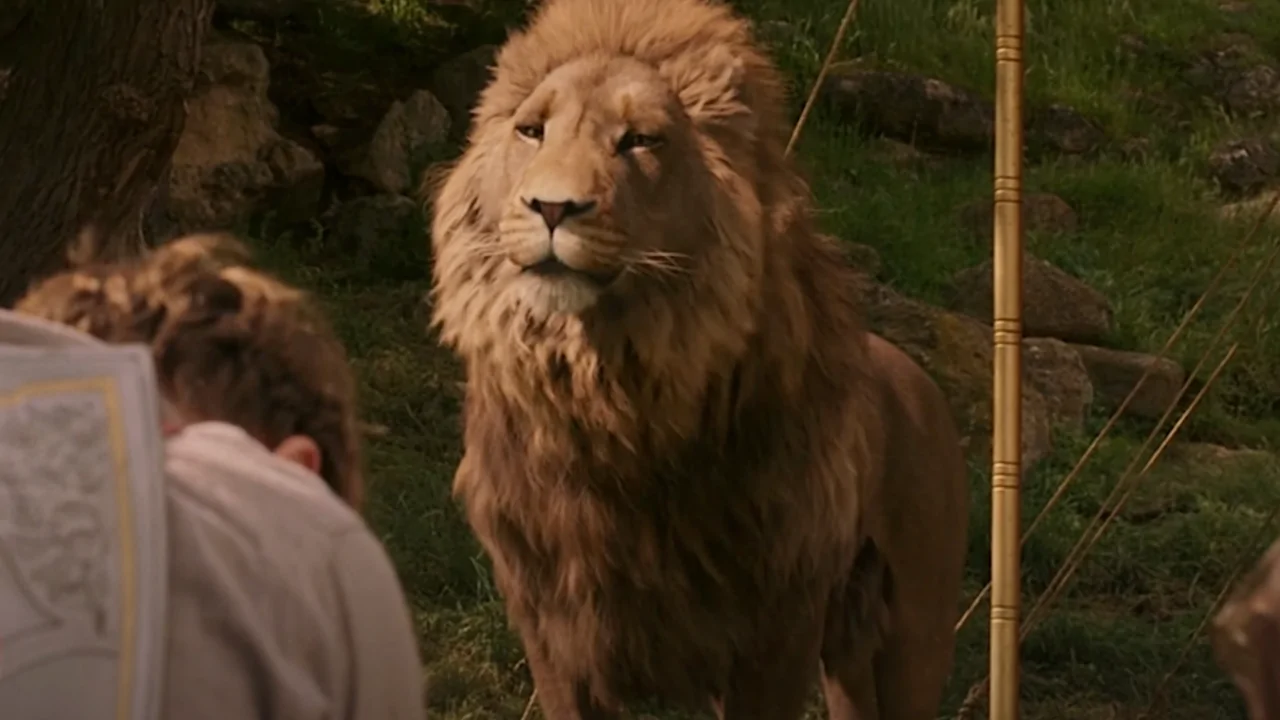
Aslan in The Chronicles of Narnia: The Lion, The Witch, and The Wardrobe – Disney+
As the C.S. Lewis Institute documents, Lewis explained that Aslan was his imaginative answer to the question of what Christ might be like if a world such as Narnia actually existed and Christ chose to enter, die, and rise again within that world.
Lewis technically rejected describing Narnia as a conventional allegory. His conception was closer to what he called a “supposal”: suppose another world existed, suppose that world had fallen, and suppose Christ entered that world to save it.
That distinction doesn’t make the Christian element less important. It makes Lewis’ intentions surrounding Aslan even clearer.
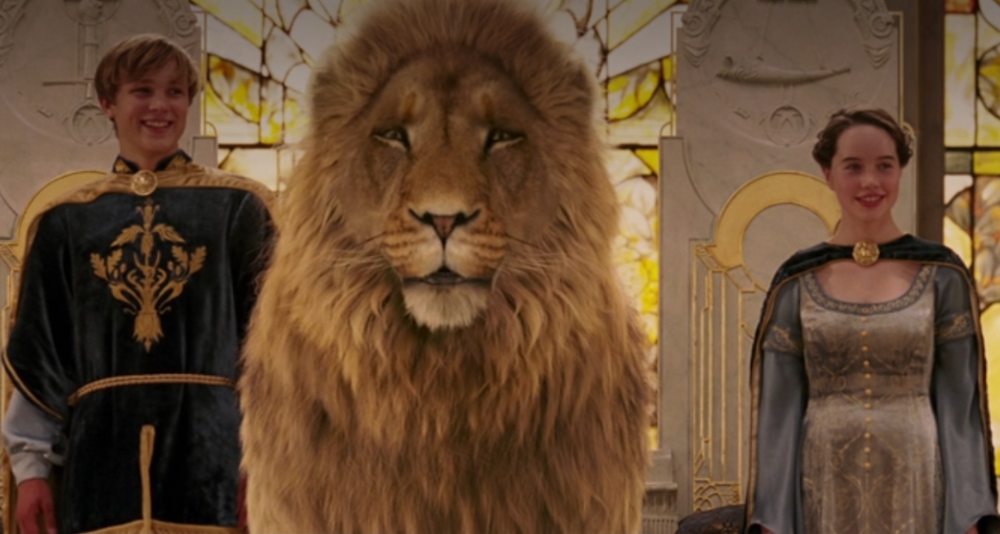
William Moseley as Peter Pevensie, Liam Neeson as Aslan, and Anna Popplewell as Susan Pevensie in The Chronicles of Narnia: The Lion, the Witch and the Wardrobe (2005), The Walt Disney Company
READ: American Idol Moving Production Out of California in Latest Blow to Golden State
Aslan sacrifices himself for the guilty Edmund in The Lion, the Witch and the Wardrobe, is killed, rises again, and ultimately stands as Narnia’s divine creator, judge, and savior.
This isn’t Christian subtext requiring a microscope. Aslan is Lewis imagining Christ in Narnia.
That makes casting Streep considerably more consequential than simply changing the voice of a beloved fictional lion.
Why This Matters to Christian Readers
The Chronicles of Narnia has been introducing generations of children to Christian ideas through fantasy for more than 75 years.
Lewis deliberately used fantasy to present ideas about God, sin, temptation, sacrifice, redemption, resurrection, creation, and salvation outside the confines of explicitly religious instruction.
The C.S. Lewis Institute quotes Lewis explaining that fairy tales allowed him to present these ideas after stripping away what he called the “stained-glass and Sunday school associations” surrounding them.
For countless Christian families, therefore, Aslan isn’t interchangeable with Gandalf, Dumbledore, or another beloved fantasy character.
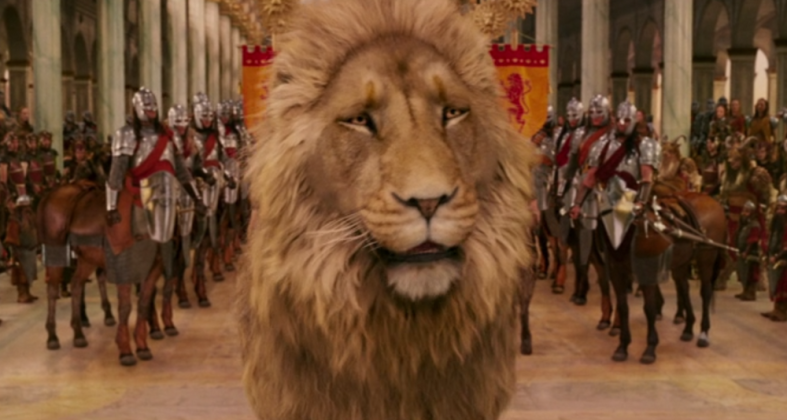
Liam Neeson as Aslan in The Chronicles of Narnia: The Lion, the Witch and the Wardrobe (2005), The Walt Disney Company
There’s religious significance attached to him.
It isn’t difficult to understand why some Christian readers may find taking Lewis’ male Christ figure, giving him a woman’s voice, and radically changing his visual presentation deeply disrespectful to the author’s intentions.
And Streep’s casting is now only one part of Gerwig’s reinterpretation.
Aslan Gets the David Bowie Treatment
The first official look also reveals an Aslan unlike previous screen versions.
According to People, Gerwig’s Great Lion features mismatched eyes and a prominent red marking across his face, with the design drawing inspiration from David Bowie.
Yes, C.S. Lewis’ Christ figure has now been given a Bowie-inspired makeover.
And the connection runs much deeper than Aslan’s appearance.

Skandar Keynes as Edmund Pevensie in The Chronicles of Narnia: The Lion, the Witch and the Wardrobe (2005), The Walt Disney Company
Gerwig has apparently used the world of British rock as one of the primary creative inspirations behind her entire interpretation of The Magician’s Nephew.
“I wanted a rock opera,” Gerwig told Empire. “I wanted it to be big and transporting.”
Gerwig isn’t literally turning The Magician’s Nephew into a musical. Instead, she cites musicians including Bowie, Paul McCartney, David Gilmour, Pete Townshend, Jimmy Page, and Robert Plant among her inspirations.
“David Bowie saved my life,” she said. “Paul McCartney saved my life. David Gilmour saved my life. Pete Townshend saved my life. Jimmy Page, Robert Plant. When I heard their music, I had this deep sense of [thinking], ‘You’re gonna be okay.’”
There is at least a textual starting point for the musical idea.
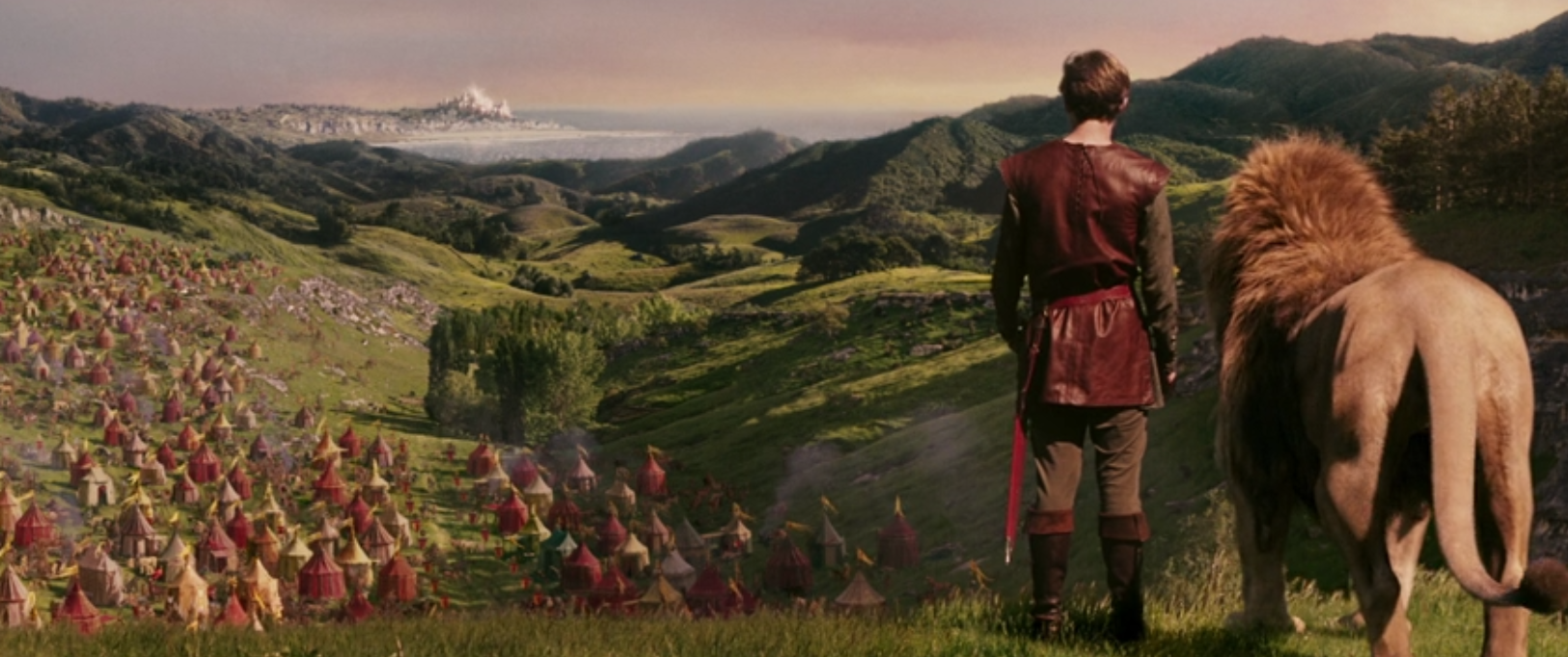
William Moseley as Peter Pevensie and Liam Neeson as Aslan in The Chronicles of Narnia: The Lion, the Witch and the Wardrobe (2005), The Walt Disney Company
Aslan does sing Narnia into existence in The Magician’s Nephew. But Gerwig has taken Lewis’ cosmic creation song and connected it directly to rock ‘n’ roll.
“Narnia is literally a world made out of music,” Gerwig explained. “It is a world sung to life by Aslan, and rock ‘n’ roll to me felt like a world made out of music.”
That’s quite a leap.
C.S. Lewis’ Creation Story Becomes a ‘Rock Opera’
The creation of Narnia isn’t simply a convenient excuse for a musical spectacle in Lewis’ book.
It carries unmistakable theological weight.
Aslan is the divine creator. His voice brings the world into existence. Light appears, stars emerge, vegetation grows, animals come forth and are given life and consciousness.
Lewis is presenting a fantastical creation story deeply informed by his Christian worldview.
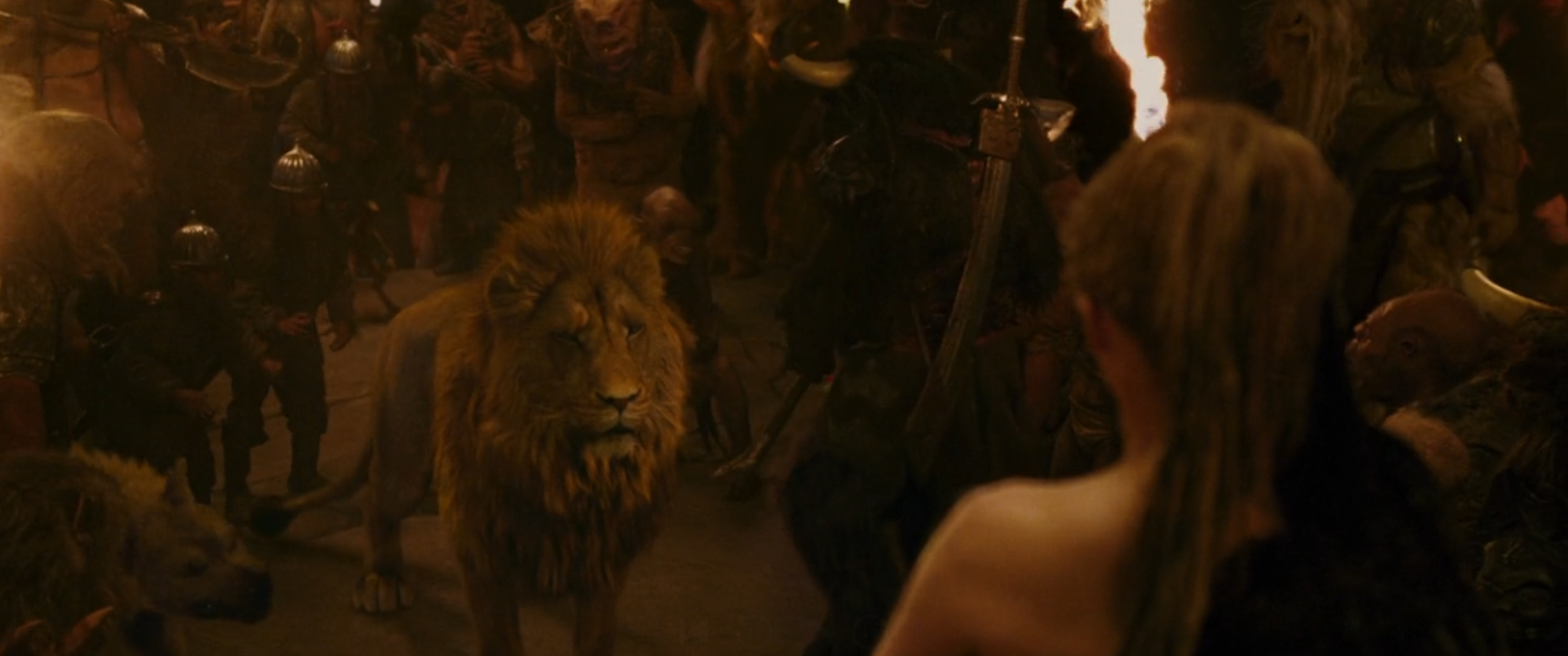
Liam Neeson as Aslan and Tilda Swinton as White Witch in The Chronicles of Narnia: The Lion, the Witch and the Wardrobe (2005), The Walt Disney Company
Gerwig is apparently taking the fact that this creation happens through song and filtering it through the mythology and aesthetics of British rock.
There’s certainly room to argue that this could work artistically. Gerwig has not suggested that Aslan is suddenly going to grab a Les Paul and perform a Led Zeppelin number.
But “both involve music” isn’t necessarily enough to make Lewis’ Christian creation imagery and the world of 1960s and 1970s rock spiritually or thematically interchangeable.
And Gerwig’s commitment to that concept is significant enough that she has changed the historical setting of Lewis’ story.
Gerwig Moves Lewis’ Story to the 1950s
Lewis’ The Magician’s Nephew takes place decades before The Lion, the Witch and the Wardrobe, around the turn of the 20th century.
Gerwig has moved the Earth portion of the story into postwar 1950s Britain (which destroys any eventual The Lion, The Witch, and The Wardrobe adaptation).
The reason is connected directly to her rock-inspired interpretation.
Gerwig told Empire that she became fascinated by the generation of British children who grew up surrounded by the aftermath of World War II and subsequently created extraordinary new worlds through music and culture.
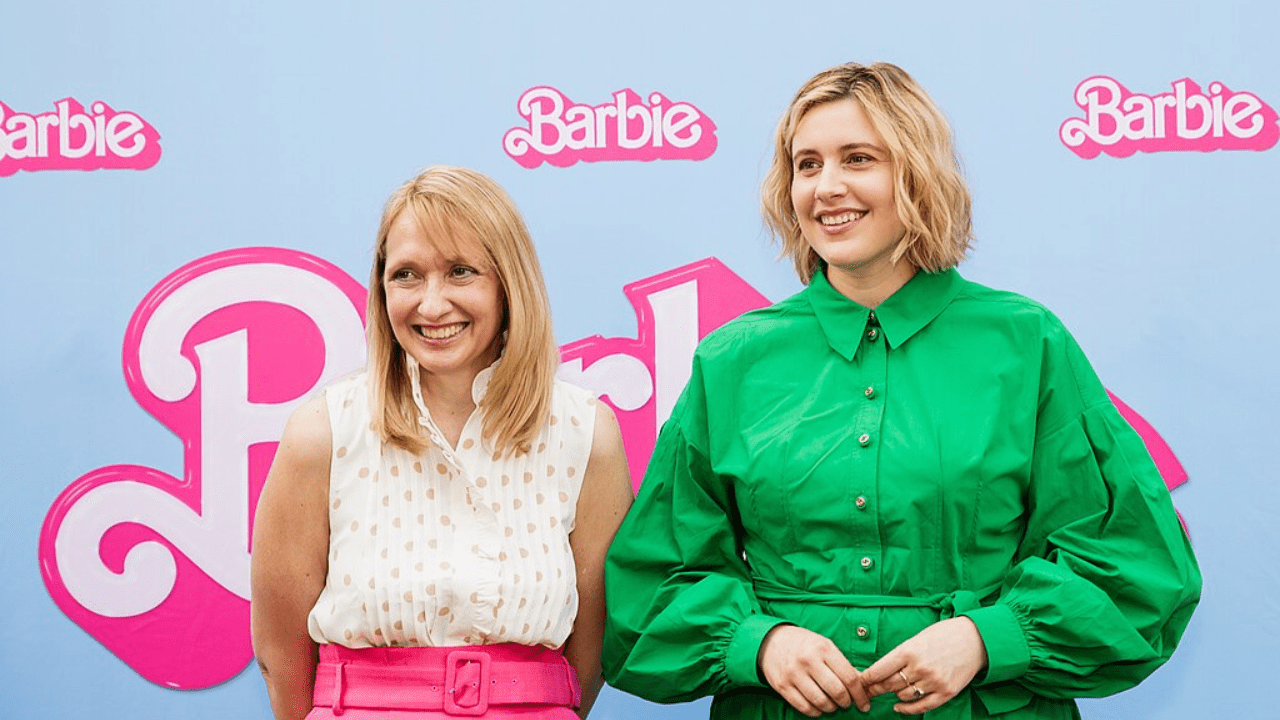
Director Greta Gerwig at the Barbie movie reception at the British Embassy in Washington, DC. Photo Credit: UKinUSA, CC BY-SA 2.0 <https://creativecommons.org/licenses/by-sa/2.0>, via Wikimedia Commons
She specifically connected that transformation to the British musicians who would eventually dominate rock.
So this isn’t merely an incidental modernization designed to simplify the timeline.
Gerwig is reshaping the historical setting of Lewis’ story to accommodate her larger artistic thesis about music, postwar Britain, and the generation that produced the British rock explosion.
Taken individually, any one of these decisions could be dismissed as artistic license. Taken together, they paint a much clearer picture of what Gerwig intends to do with Narnia.
This Is Greta Gerwig’s Narnia
Meryl Streep is voicing Lewis’ male Christ figure, Aslan’s new appearance incorporates David Bowie, Lewis’ creation song has become the jumping-off point for Gerwig’s “rock opera” concept, the Edwardian setting has been replaced by postwar Britain, and the cultural development of the generation that produced Bowie, The Beatles, Pink Floyd, The Who, and Led Zeppelin has become a major creative lens through which Gerwig is interpreting Lewis’ fantasy world.
That’s a tremendous amount of reinterpretation for source material in which the author’s religious convictions weren’t simply incidental but foundational.
And that’s why the inevitable controversy surrounding this movie shouldn’t simply be dismissed as another fight over whether an adaptation perfectly recreates a book.
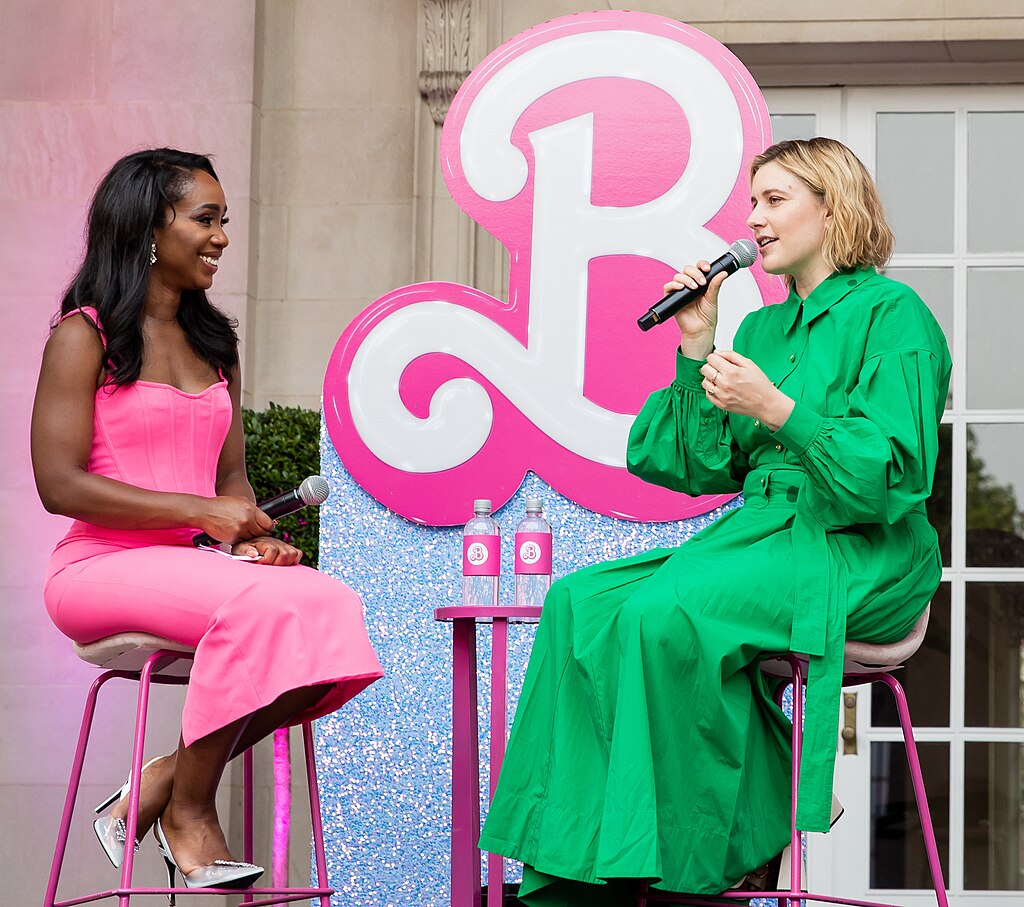
Director Greta Gerwig and Abby Phillip at an event for Barbie. Photo Credit: UKinUSA, CC BY-SA 2.0 <https://creativecommons.org/licenses/by-sa/2.0>, via Wikimedia Commons
For many readers, The Chronicles of Narnia is deeply intertwined with Christianity. Lewis intended it that way. Aslan’s relationship with Christ was something Lewis himself explicitly discussed.
Christian audiences and Lewis purists likewise have every right to look at a female performer voicing a male Christ figure, a David Bowie-inspired Aslan, a “rock opera” conception of Narnia, and a dramatically altered historical setting and conclude that Gerwig’s artistic vision is moving a very long way from the spirit of the books they love.
The question now isn’t whether Gerwig intends to reinvent Narnia.
She’s telling us that herself.
The question is how much of C.S. Lewis will remain once Greta Gerwig’s Narnia finally arrives.
How do you feel about Meryl Streep as a Bowie-inspired Aslan? Sound off and let us know!
UP NEXT: Paramount Reportedly Searches for Massive Nashville Office as Potential California Exit Takes Shape
