



In the competitive world of corporate leadership at Disney, the debate over who drove the most value often centers on flashy acquisitions and box office hits. However, when you strip it down to the hard numbers—specifically stock price growth—Michael Eisner emerges as the clear standout, outpacing his Disney CEO successor Bob Iger by a wide margin.

Michael Eisner on Good Morning America – YouTube, Top Clips
As first reported by industry expert Caroline Reid in Forbes, Eisner’s 21-year tenure delivered a remarkable 19.2x increase in Disney’s share price, compared to Iger’s more modest 5.4x during his initial term. This data isn’t just a footnote; it’s compelling evidence that Michael Eisner, not Bob Iger, holds the title of Disney’s most successful CEO.
The Key Metric: Stock Growth as a Measure of Leadership
Stock price appreciation serves as a straightforward indicator of a CEO’s impact, capturing everything from strategic decisions to market confidence. For Michael Eisner, who assumed control as Disney CEO on September 22, 1984, the starting point was grim.
Shares in Disney were sitting at $1.24, with the company reeling from costly overruns on Walt Disney World and underwhelming films. By his departure on September 30, 2005, the price had climbed to $23.80, multiplying investor value 19.2 times over.
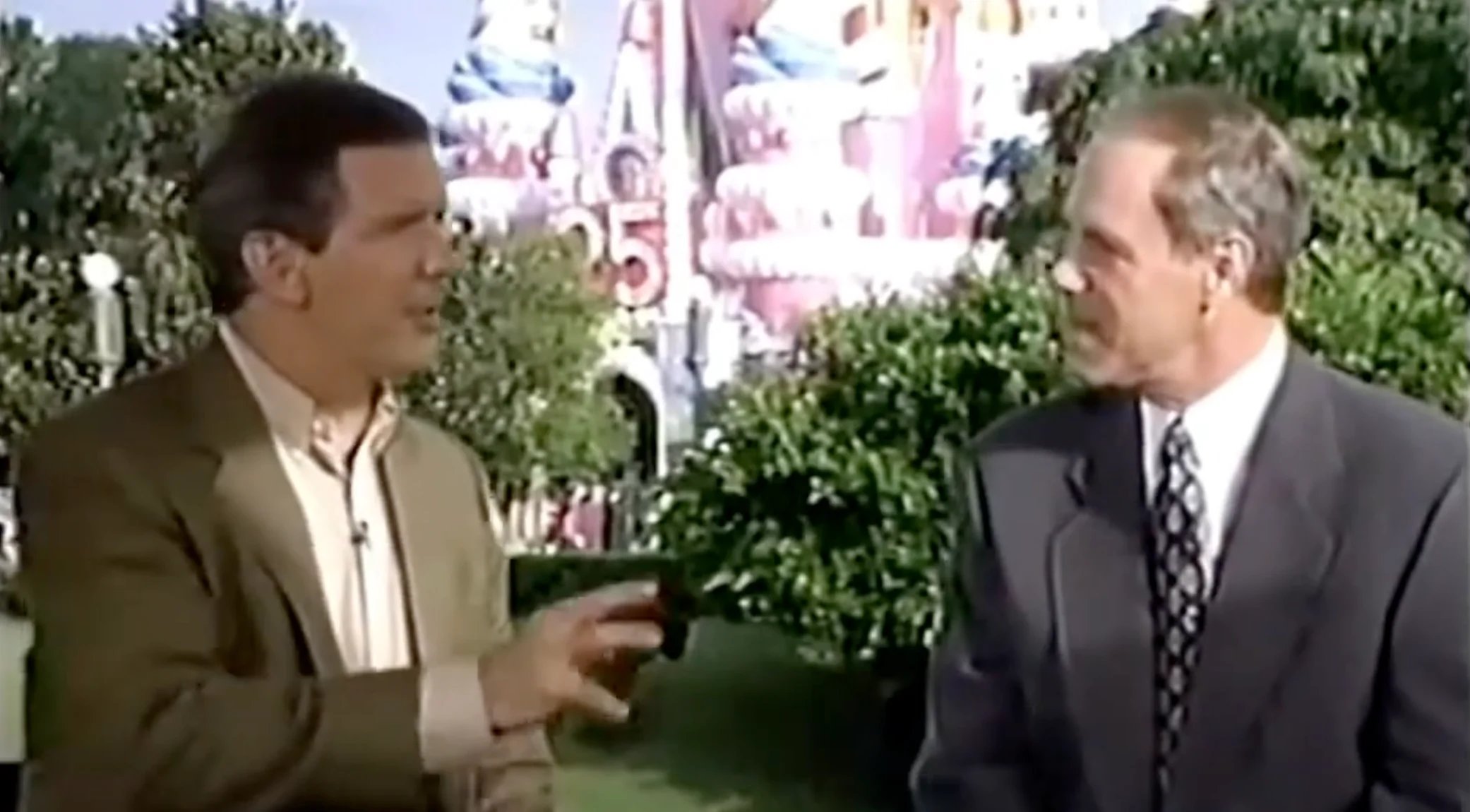
Michael Eisner being interviewed in Walt Disney World in front of the pink birthday cake castle – YouTube, Top Clips
Bob Iger, taking over immediately after in October 2005, started from that elevated base of $23.80 and guided the stock to $128.19 by the end of his first term on February 25, 2020—a solid but less transformative 5.4x growth partially buoyed by inflation and broader market expansion..
While Iger’s era brought iconic deals that expanded Disney’s empire, the multiplier reveals that his gains, though significant in absolute terms, didn’t match the explosive relative growth Eisner achieved from a much lower starting point.
Our @forbes report reveals that Michael Eisner is Disney’s most successful CEO. When he joined its stock price was $1.24 but it had risen to $23.80 by the time he left. That’s a 19.2x rise compared to Iger’s 5.4x as it was $128.19 when he left in 2020 $DIShttps://t.co/GK6IKhkJcv pic.twitter.com/CULk02Q9DJ
— Movieconomics (@movieconomics) August 5, 2025
This comparison, drawn from historical Google Finance data as analyzed by Caroline Reid, highlights the disparity.
Eisner’s multiplier of 19.2x versus Iger’s 5.4x showcases a period of foundational rebuilding under Eisner that set the stage for later successes.
Eisner’s Era: Rebuilding Disney from the Brink
Eisner’s success stemmed from a hands-on revival that transformed Disney from a struggling entity into a global powerhouse.
As detailed by Reid, the company in 1984 was “at risk,” burdened by debt fears from the Disney brothers’ Depression-era mindset, which led to equity sales and creative stagnation. Eisner, coming from Paramount where he launched blockbusters like Raiders of the Lost Ark, injected fresh energy.

Former Disney CEO Michael Eisner – Photo Credit: Ed Schipul, CC BY-SA 2.0 <https://creativecommons.org/licenses/by-sa/2.0>, via Wikimedia Commons
He refocused on core strengths, breathing new life into animation with timeless musicals like Beauty and the Beast and The Lion King. Partnerships, such as with George Lucas for theme park rides, and aggressive expansions into new markets like Europe, Japan, and Hong Kong created a self-reinforcing cycle of content, attractions, and merchandise.
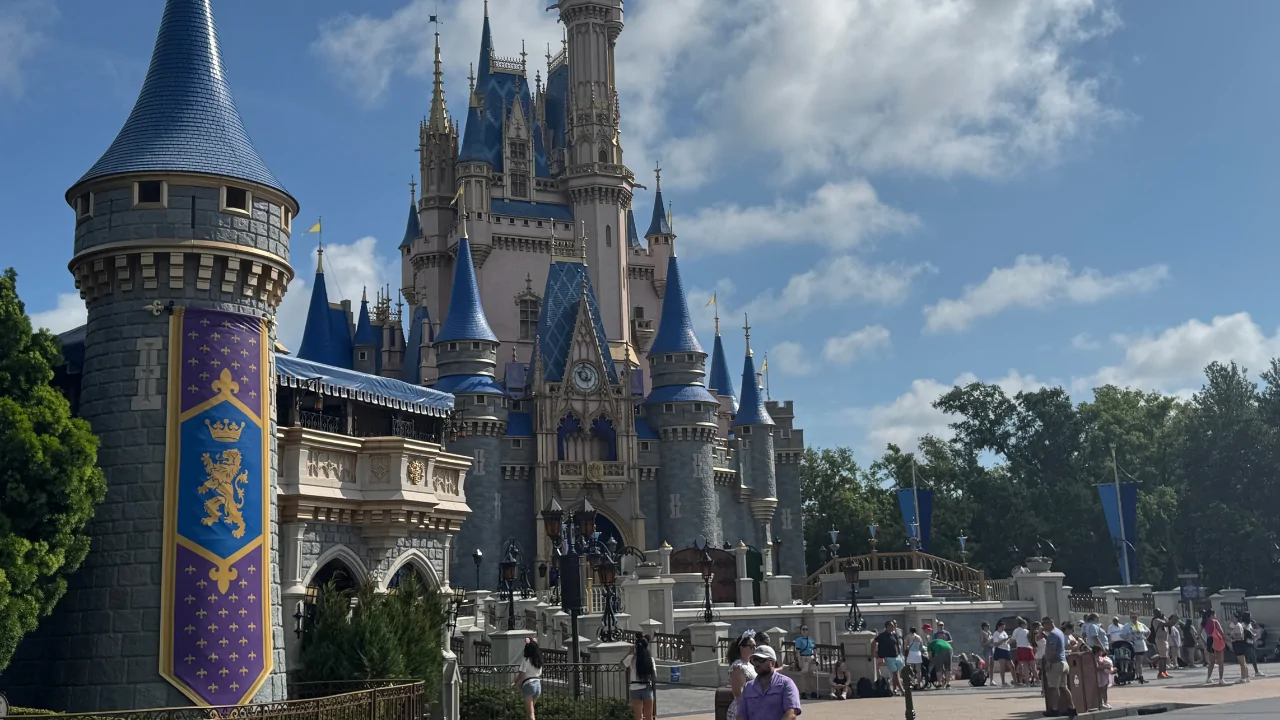
Cinderella Castle in Walt Disney World – Photo Credit: That Park Place
Eisner himself reflected on this.
“We concentrated on reinvigorating animation,” he said. “We went to Europe. We went to Japan.” These initiatives not only stabilized Disney but propelled its stock to new heights, cementing his legacy as the CEO who multiplied value like no other.
Where Iger Falls Short: Building on Foundations Without Matching the Magic
Iger’s contributions are undeniable—he orchestrated acquisitions that made Disney a content titan, integrating Pixar, Marvel, and Lucasfilm to dominate Hollywood. Yet, the stock data paints a picture of additive progress rather than the multiplicative leap seen under Eisner.
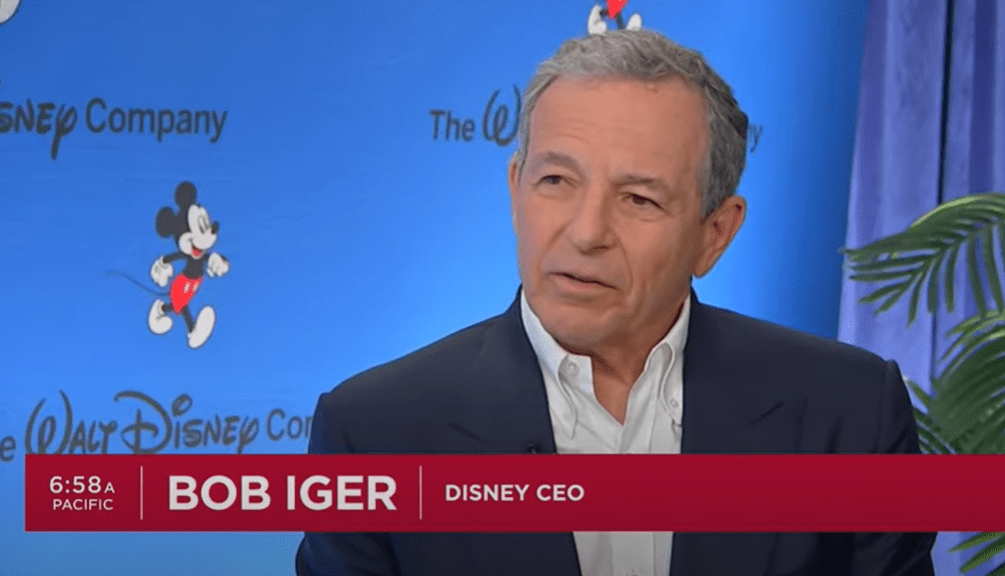
Bob Iger via CNBC Television YouTube
Starting from a stronger position, Iger’s 5.4x growth benefited from the infrastructure Eisner built, including a robust theme park network and revitalized animation pipeline. External boosts, like the rise of streaming and economic recoveries, also played a role, but the relative impact remains lower.
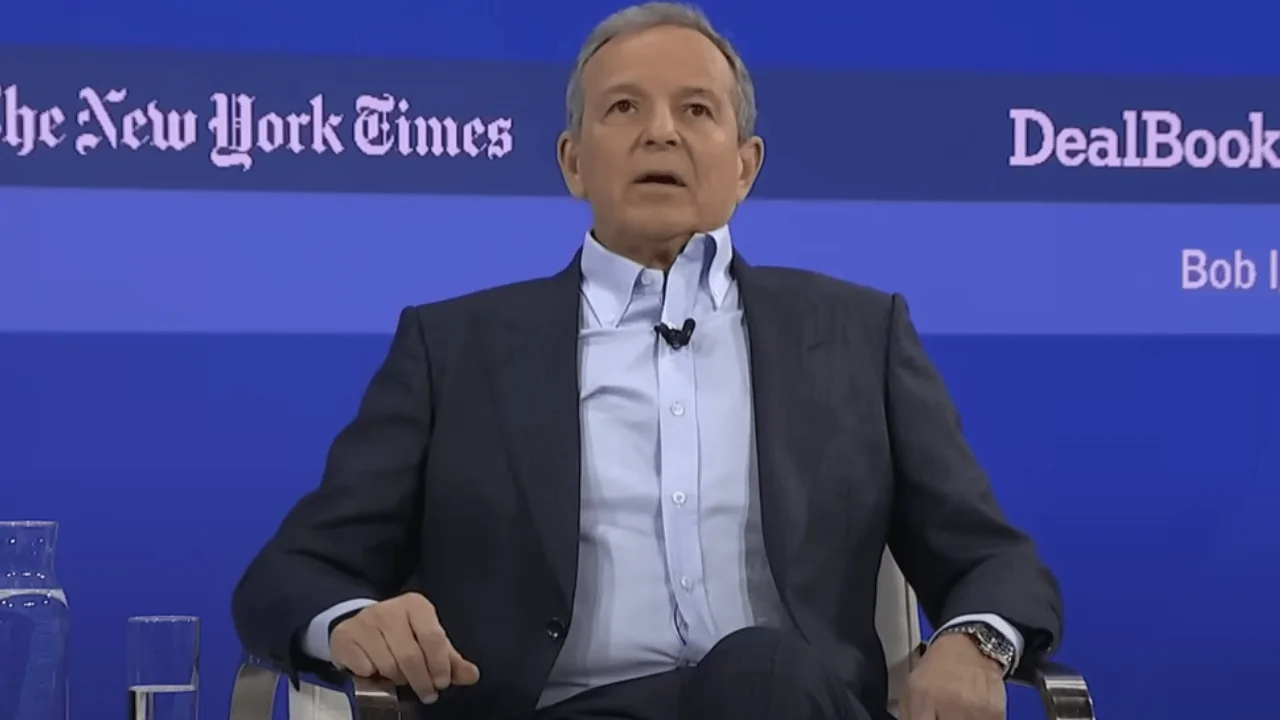
Bob Iger via New York Times Events YouTube
Reid’s analysis points out that Iger’s deals “turned Disney into a titan,” but when viewed through the lens of stock multipliers, they appear as extensions of Eisner’s groundwork rather than surpassing it. Even in August 2025, with Disney shares hovering around $119.35, the company hasn’t recaptured the peak momentum of Iger’s early years (and certainly not those of his one-time successor Bob Chapek), facing headwinds in streaming and consumer spending.
Eisner’s Ongoing Proof: Success Beyond Disney
The evidence of Eisner’s superior touch extends past his Disney days. His 2017 acquisition of Portsmouth FC, a debt-ridden British soccer club, mirrors his turnaround strategy.
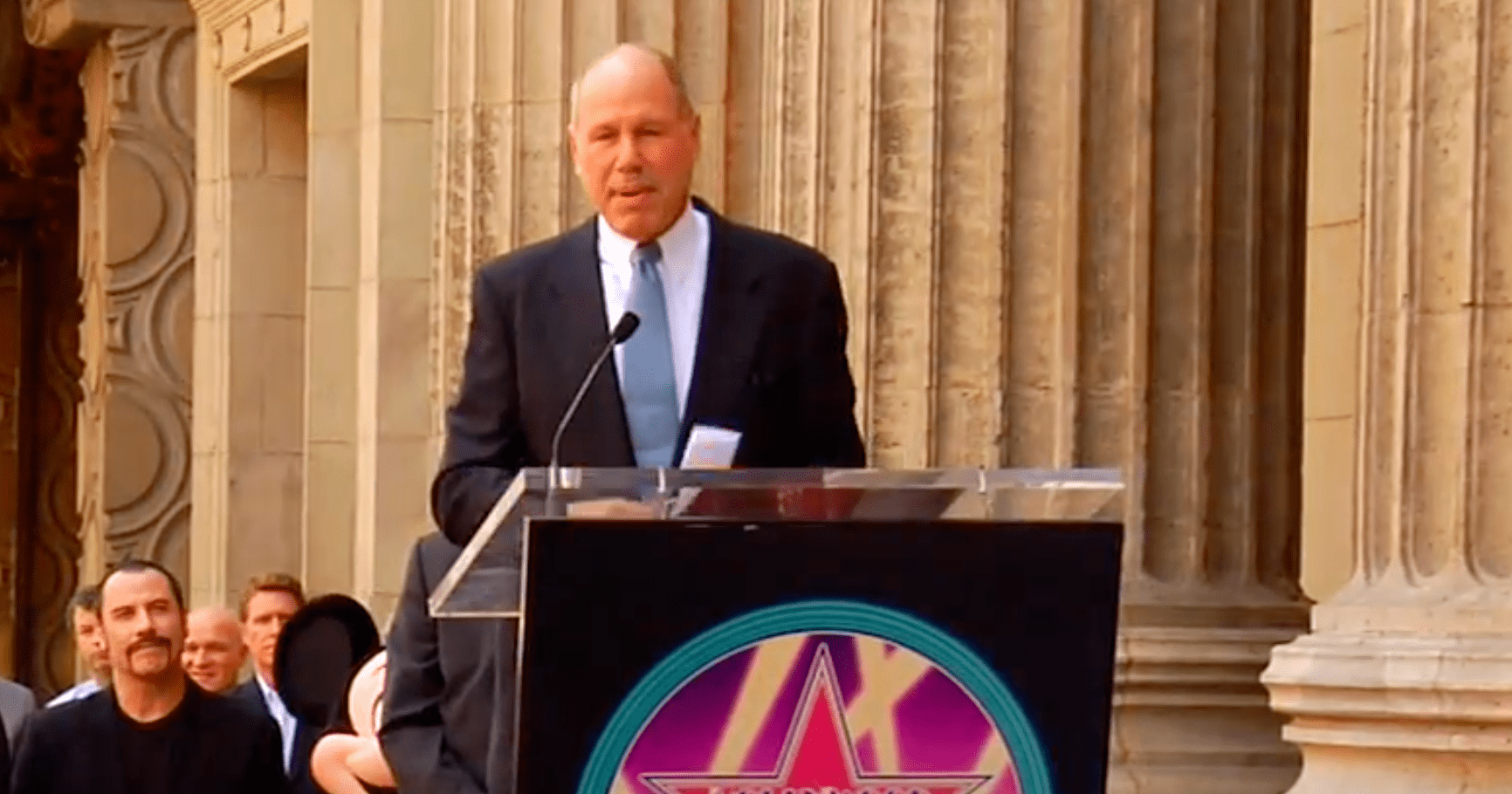
Michael Eisner at his Hollywood Walk of Fame ceremony – Youtube, Walk of Fame
He invested $46.8 million wisely, leading to promotion, debt-free status, and rising attendance. As Reid explores, this venture shows Eisner’s formula—focus on content and excellence—still works, further validating his edge over Iger’s approach.

Looking up at The Hollywood Tower Hotel (The Twilight Zone Tower of Terror) at Disney-MGM Studios at Walt Disney World, December 2004. Photo Credit: The original uploader was Techclub at English Wikipedia., CC BY-SA 3.0 <http://creativecommons.org/licenses/by-sa/3.0/>, via Wikimedia Commons
Ultimately, while Iger’s flashier moves grab attention, the stock data provides irrefutable proof. Eisner’s 19.2x growth trumps Iger’s 5.4x, making him Disney’s most successful CEO.
Caroline Reid’s Forbes reporting lays out the narrative, and the numbers don’t lie.
Do you think Michael Eisner was the most successful Disney CEO? Sound off in the comments and let us know!
