


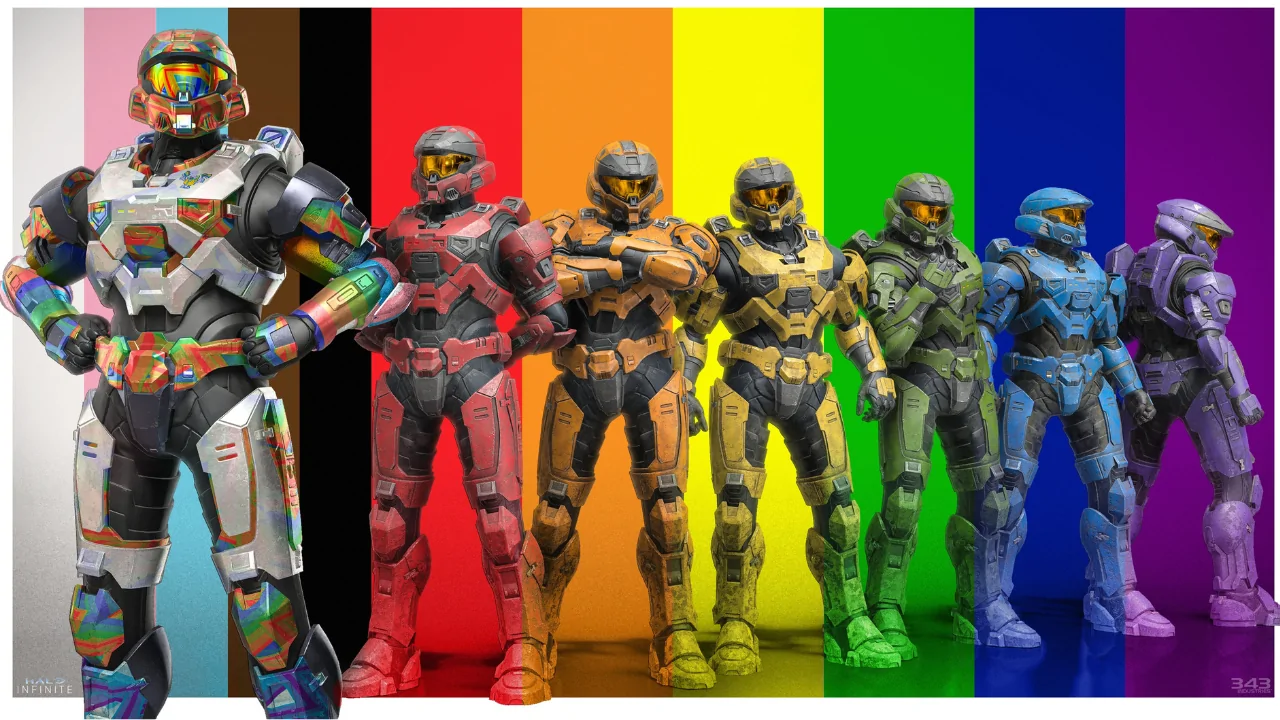
Remember when Microsoft could make Halo games and they were awesome? Remember when people played those games, paid for those games, and Xbox 360 was the leading console the world-over? Well… those days are long gone now, and the blame must be laid at the feet of Game Pass and a Microsoft cultural push that destroyed the very studios it devoured for intended domination.
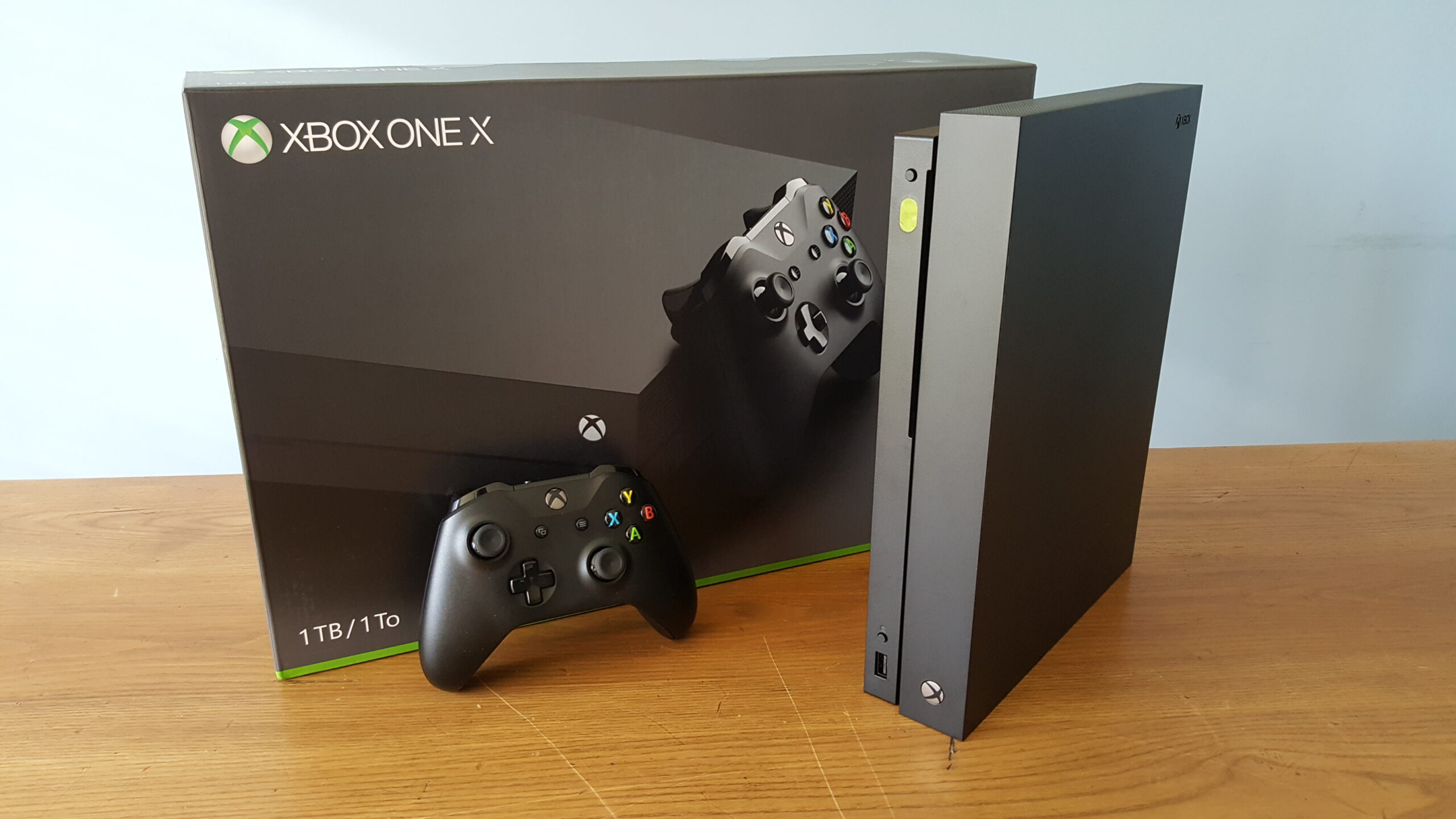
One of the clearest indicators of trouble is Microsoft’s own earnings disclosures: in the quarter ending June 2024, Xbox hardware revenue plunged 42 percent year-over-year. That’s not a one-off blip — hardware sales revenues have declined in six of the last seven quarters. Because Microsoft lumps console hardware and services under its “Gaming” or “Xbox” segment, it no longer reports raw unit shipments publicly; nevertheless, analysts estimate the decline is dramatic. Daniel Ahmad estimated fewer than 900,000 Xbox units shipped in one quarter when comparable PlayStation shipments were in the millions.
But what exactly destroyed Xbox as a brand?
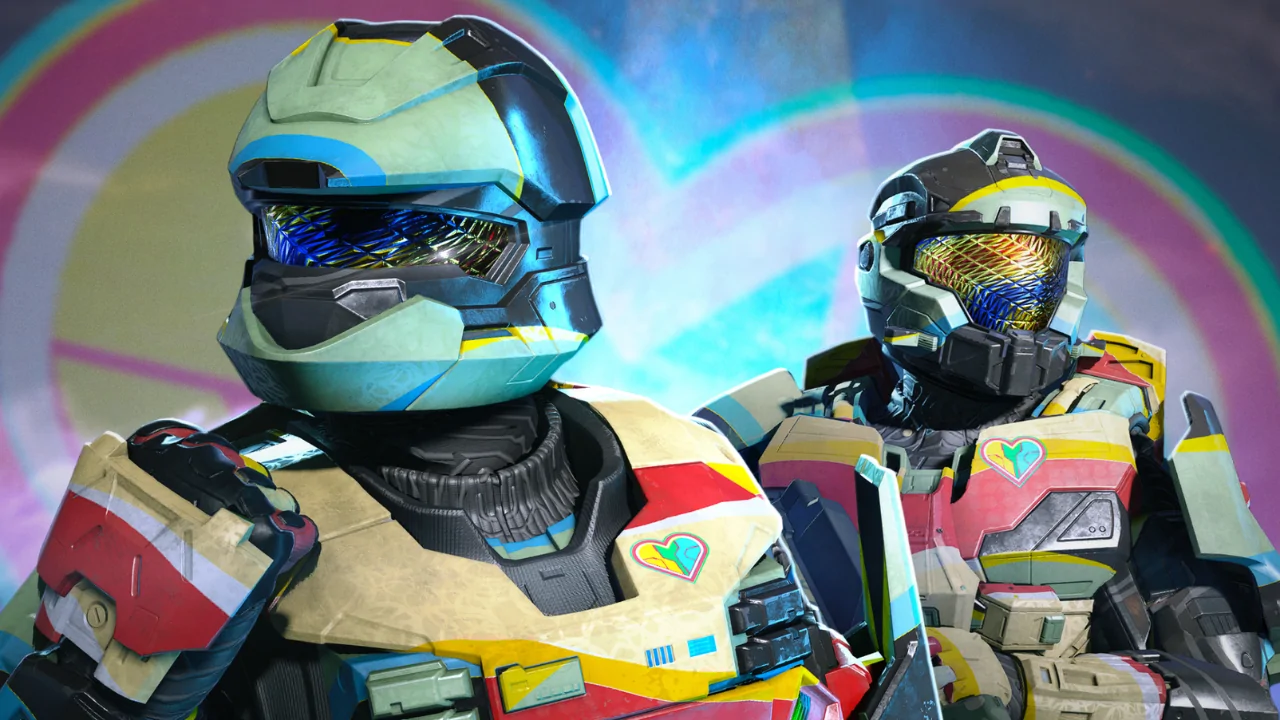
Halo Infinity’s cosmetics for Disability Pride Month – X, @Halo
Units sold: deep drops, market share erosion
-
In the U.S. market, Xbox Series X|S is estimated to have sold 2.7 million units in 2024, down from around 3.8 million in 2023 — a ~29% drop.
-
In European markets, sales also weakened sharply: in some reports, Xbox sales in Europe dropped from 550,000 to 290,000 units in a year.
-
In January 2025 alone, Xbox sales were down nearly 48.7% year-over-year.
-
Comparing the current generation’s performance: tracking firm Circana reports that Xbox Series X|S is trailing Xbox One’s trajectory by about 19% globally, meaning the newer hardware is underperforming its predecessor at an equivalent point in its lifecycle.
-
Some estimates place total Xbox Series X|S lifetime sales at under 30 million units (for all time), far behind PlayStation’s numbers.
By comparison, in many of those same windows, the PlayStation 5 is holding stronger or even increasing in some regional markets, putting Xbox further behind.
Given the magnitude of Xbox’s decline, rumors are swirling about Microsoft reducing or rethinking its core console strategy. Get ready, because some of these late-breaking rumors are stark.
-
Costco, a major U.S. retailer, reportedly told former IGN host Destin Legarie that it would no longer carry Xbox consoles. If true, this suggests retailers are anticipating lower demand and opting to de-emphasize Xbox hardware in their inventory.
-
Some Reddit users and retailers have claimed that Xbox is being “removed from stores because they can’t sell it.”
While these reports may be anecdotal, the decision of a big-box chain like Costco to stop stocking could reflect an expectation of stagnant or negative sales.
Internal cost cuts, layoffs, and cancellations:
-
Microsoft has already conducted multiple layoffs within its Xbox and Microsoft Gaming divisions.
-
Major game projects, including Perfect Dark and Everwild, have reportedly been canceled or paused — which may signal that Microsoft is redirecting resources away from certain hardware-driven investments.
-
Some insiders cite that Microsoft’s CFO Amy Hood has put unrealistic financial demands on the Xbox division, making it harder for the hardware side to sustain itself.
-
Microsoft CEO Phil Spencer has intimated that the hardware business is under pressure and that Microsoft expects continued declines in the near term.
The fall of Xbox’s hardware fortunes is not just about numbers — it’s also about choices, brand perception, internal missteps, and the shifting culture of how people consume games. Below are several interlocking reasons that may have led to the erosion of Xbox’s credibility and appeal.
This is gonna be a wild ride. https://t.co/10BFPUp75b
— Grummz (@Grummz) October 6, 2025
Microsoft’s strategy for several years has leaned heavily into Xbox Game Pass, trying to position Xbox as more of a gaming service/app rather than purely a console platform. That shift has pros and cons.
-
While Game Pass provides day-one access and lowers the barrier to play for many, it may also undermine consumer attachment to the hardware itself. If a player is primarily interacting via subscription, they may feel less need to own a premium console.
-
Some developers and commentators have voiced concern that Game Pass’s business model hampers the economic incentives for AAA development and indie support. The founder of Arkane Studios publicly critiqued Microsoft’s approach, saying it “harms the industry.”
-
Microsoft reportedly estimated a $300 million revenue loss for putting Call of Duty: Black Ops 6 on Game Pass, due to cannibalizing full-price sales.
Hence, while Game Pass is central to Microsoft’s vision, it may have come at the expense of a strong hardware brand. But it’s not just Game Pass that has failed…

A screenshot from the trailer to Gears of War E Day – YouTube, Xbox
A strong console ecosystem typically centers on exclusive titles and a distinct brand identity. Over time, Xbox’s identity has blurred:
-
Microsoft has made many formerly Xbox-only titles available on PC or even non-Xbox consoles, which weakens the “must own an Xbox” argument.
-
Leaks and rumors suggest Xbox’s strategy is sometimes divided or conflicted, with ambiguity over who leads Xbox decisions and how aggressively to push hardware.
-
The frequent cancellation or delay of marquee titles (e.g., Perfect Dark, Everwild) further shakes consumer confidence in Xbox’s roadmap.
-
Some observers note that Xbox executives may have prematurely signaled that the current hardware is nearing end-of-life, dampening consumers’ willingness to invest. This is reminiscent of an “Osborne effect,” where anticipation of new products cannibalizes interest in existing ones.
All this creates a perception that Xbox might not be fully committed to hardware, making potential buyers hesitant. Still, perhaps nothing has damaged Xbox like its desire to attach beloved-left causes to its studios and games.
This is who Microsoft just chose to put in charge of their Halo franchise. RIP. pic.twitter.com/Av93T7M9Hi
— End Wokeness (@EndWokeness) October 7, 2024
🌈 Happy Pride Month 🌈
Embrace love, diversity, and inclusion by equipping the Unity ‘24 armor coating, nameplate, and emblem in Halo Infinite this June.
Let’s stand together in honoring our LGBTQIA+ community and forging a future of unity and acceptance for all.#Pride2024 pic.twitter.com/hspti2lRRP
— Halo (@Halo) June 1, 2024
At this moment, Xbox’s hardware business is clearly under severe stress. The scale and consistency of the declines — both in revenue and estimated units — suggest more than just a temporary setback. Coupled with rumors of production cuts, retailer pullbacks, and internal restructuring, Microsoft appears to be scaling back its faith in console hardware as the central pillar of Xbox’s future.
However, “damage” is not always permanent if handled well. Microsoft still has strengths — deep pockets, cloud infrastructure, a substantial library of acquired IP, and a foothold in subscription ecosystems. The right moves — clear strategic commitment, new compelling hardware, restored developer trust, and strong storytelling — could slow or reverse the slide.
But reputation and consumer perception are fragile in the gaming space. Once a console brand is viewed as “soft,” “uncertain,” or “on the way out,” it becomes harder to regain credibility. For Xbox, rebuilding that trust will require consistency, bold product strategy, and a renewed sense of identity in competitive markets. But can Microsoft reset its internal culture and the cultures of its studios? Unfortunately, it seems unlikely for now.
