


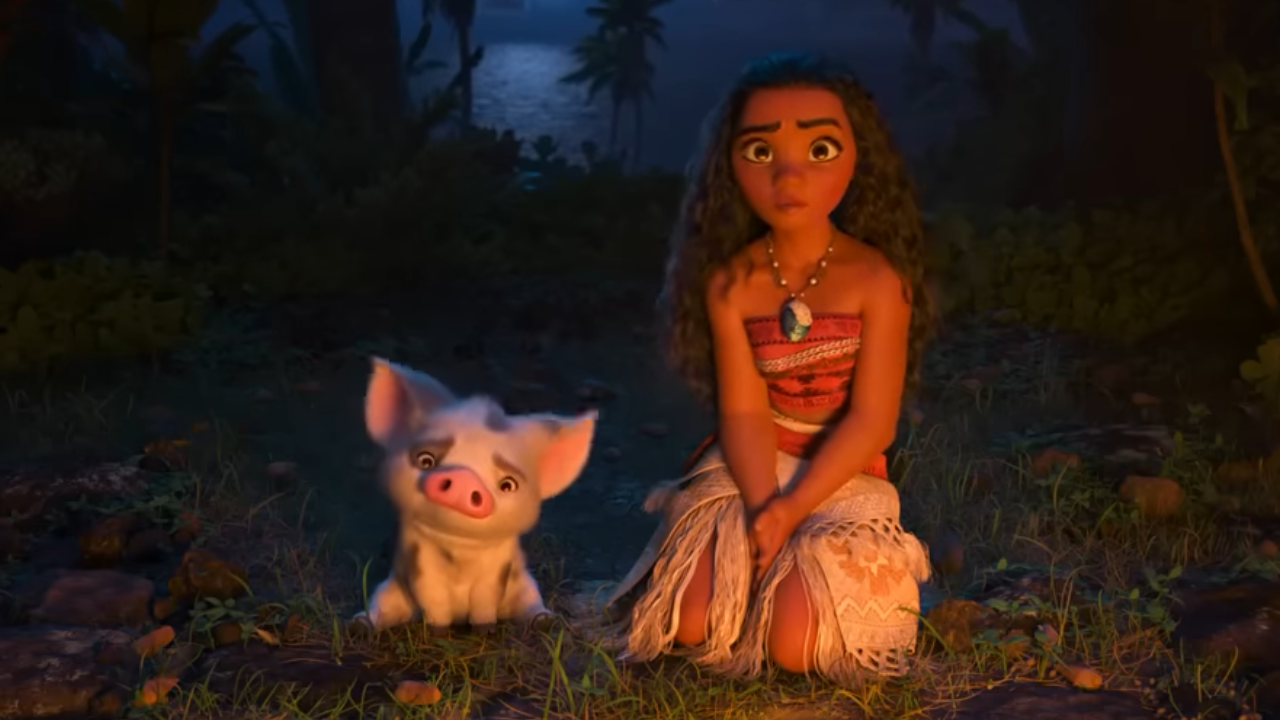
A federal court has ordered The Walt Disney Company to receive $1.6 million in attorney fees after finding that a key filing in a Moana lawsuit involved a forged document. The ruling stems from a copyright and trade secret dispute over Disney’s 2016 animated film Moana.
The Court Case
The case centered on allegations from animator Buck Woodall, who claimed Disney used his earlier story concept, often referred to as Bucky the Surfer Boy, as a basis for Moana. His claims included copyright infringement and trade secret misappropriation.
Buck Woodall alleges that he shared his story Bucky in the early 2000s, with Jenny Marchick, the stepsister of his brother’s wife. Marchick worked in development at Mandeville Films, a production company with ties to Disney through a first-look deal and office space on the Disney lot.
The claim rests on Woodall’s assertion that Marchick had access to his work and could have passed it into industry development channels. Marchick testified that she never shared the material with Disney or its filmmakers, and no evidence presented at trial showed that Disney’s Moana creators received or viewed Woodall’s work.
Court findings indicate that the dispute escalated after questions arose about the authenticity of a confidentiality agreement submitted by Woodall. The judge found that the document had been altered and backdated. It was used to support claims that Woodall had shared material with a Disney-connected contact years back in 2003.
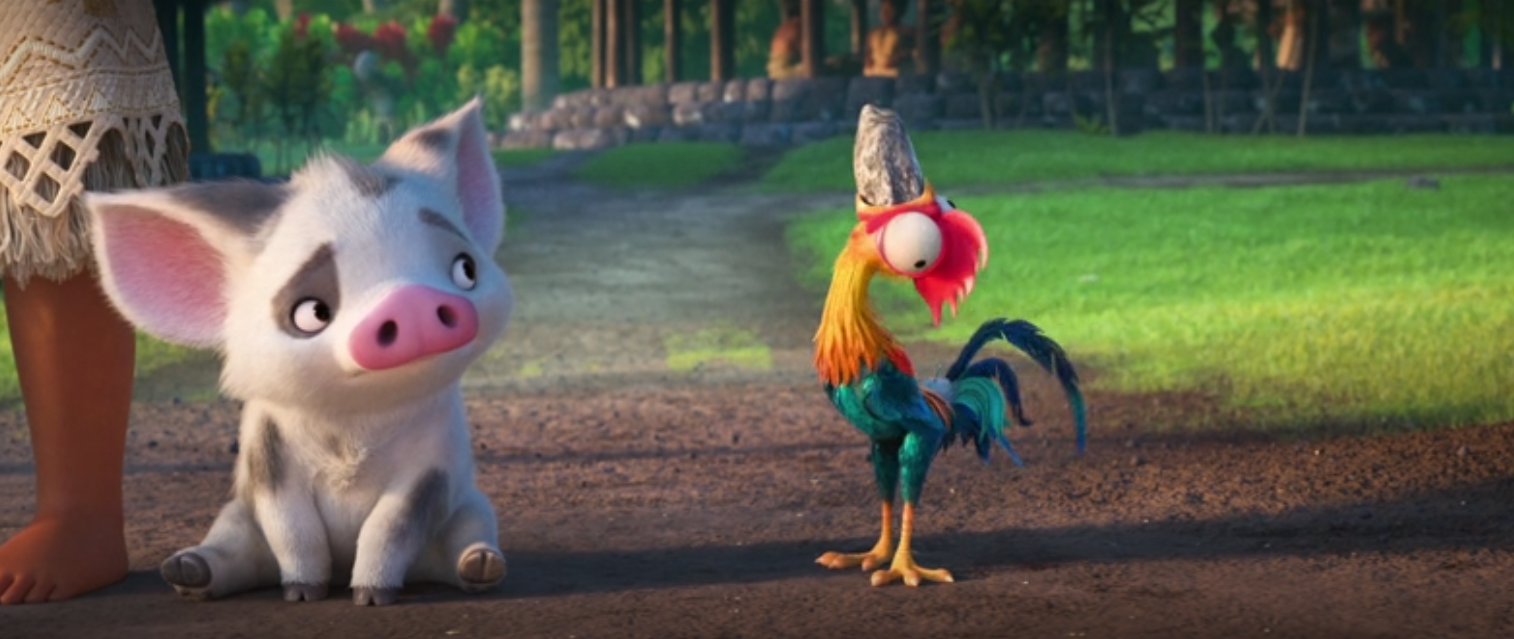
Heihei in Moana (2016), Walt Disney Studios
READ: ‘Mortal Kombat II’ Suffers Massive Second Weekend Drop as ‘The Mandalorian and Grogu’ Looms
This led the court to find that Woodall had acted in “bad faith.”
As a result, the court ruled that Disney was entitled to recover legal fees. The award totaled $1.6 million and was based on findings that parts of the case were pursued in bad faith and supported by unreliable evidence.
Statute of Limitation Issues
The court also reviewed inconsistencies in Woodall’s statements about when he first viewed Moana. Evidence showed he saw the film in theaters in 2016, while later filings presented a different timeline to try to stay within the statue of limitations.
The judge cited these inconsistencies in assessing the credibility of the claims.
Earlier jury verdict
Before the fee ruling, a jury in 2025 found that Disney did not infringe Woodall’s copyright. Jurors concluded that Disney’s creative team did not have access to Woodall’s materials.
Copyright disputes in the United States generally require plaintiffs to prove both access and substantial similarity. Without access, courts typically do not proceed to a detailed comparison of creative works.

Moana in Moana (2016), Walt Disney Studios
READ: Disney’s “Random” Pedro Pascal Disneyland Surprise Quickly Exposed as Influencer Marketing Stunt
In this case, the jury’s finding on access became a decisive factor in rejecting the infringement claim.
Fee award and court reasoning
The judge’s decision to award attorney fees reflects a legal conclusion that the claims were not supported by credible evidence. Courts may award fees when litigation is found to be objectively unreasonable or conducted in bad faith.
Here, the altered document and inconsistent testimony were central to that determination.
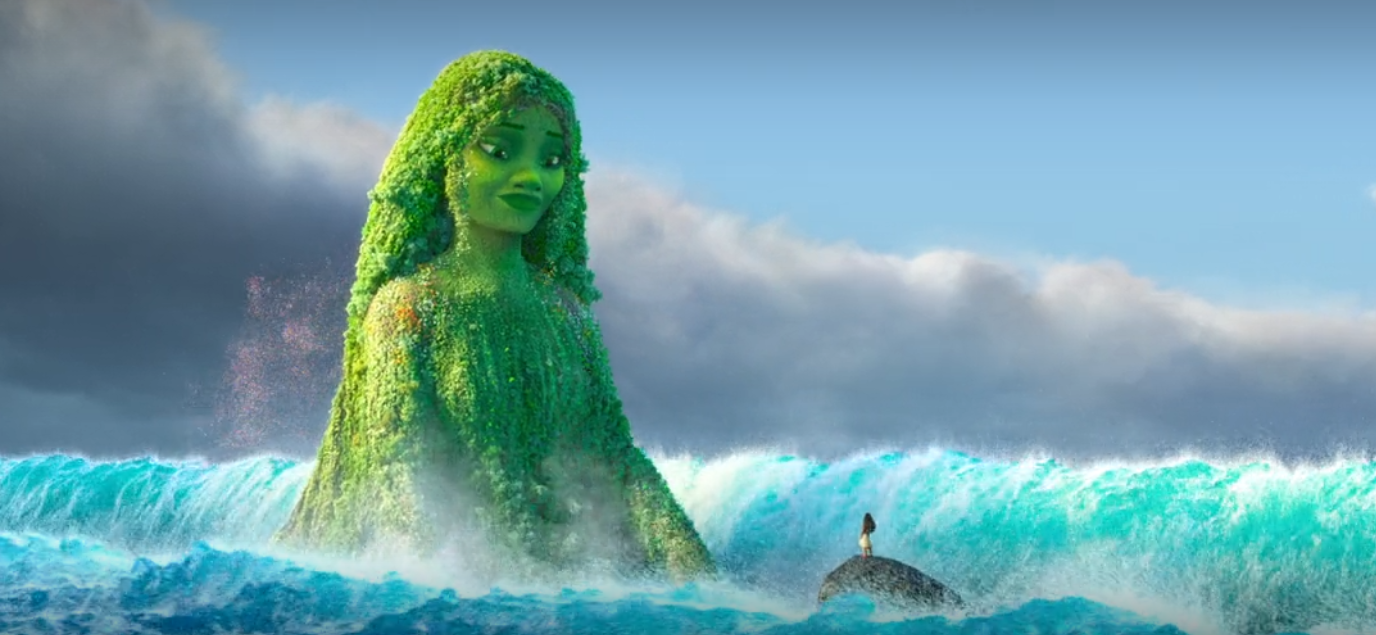
Te Fiti and Moana in Moana (2016), Walt Disney Studios
The court declined to grant Disney’s full request for about $3.9 million in further attorney fees. Instead, the judge ordered Buck Woodall to pay a reduced amount of $54,000 in additional fees. The court also imposed separate sanctions on Woodall’s attorney, Gustavo Lage, in the amount of $476,000.
Senior U.S. District Judge Consuelo Marshall spoke of the financial reward, saying it was “sufficient to deter plaintiff and others from bringing additional patently meritless or unreasonable copyright claims.”
Conclusion
The ruling granted Disney to receive attorney fees after the court identified issues involving a forged document in the Moana lawsuit. Combined with the jury’s earlier finding of no access, the case concluded in Disney’s favor on both liability and litigation conduct.
The outcome highlights how evidentiary credibility can play a central role in copyright disputes involving major film productions.
What do you think of the lawsuit and its ruling? Let us know your thoughts in the comments below.
