


The proposed Netflix Warner Bros. deal continues to move from speculation to serious industry reckoning, as Netflix co-CEO Ted Sarandos has now publicly laid down a specific commitment regarding theatrical releases should Netflix’s acquisition of Warner Bros. Discovery move forward.
Speaking in a recent interview with The New York Times, as reported by Deadline, Sarandos directly addressed one of the most persistent fears surrounding the potential merger: that Netflix would gut Warner Bros.’ traditional theatrical model in favor of rapid streaming debuts.
Instead, Sarandos stated unequivocally that Netflix would maintain a 45-day theatrical window for Warner Bros. films.
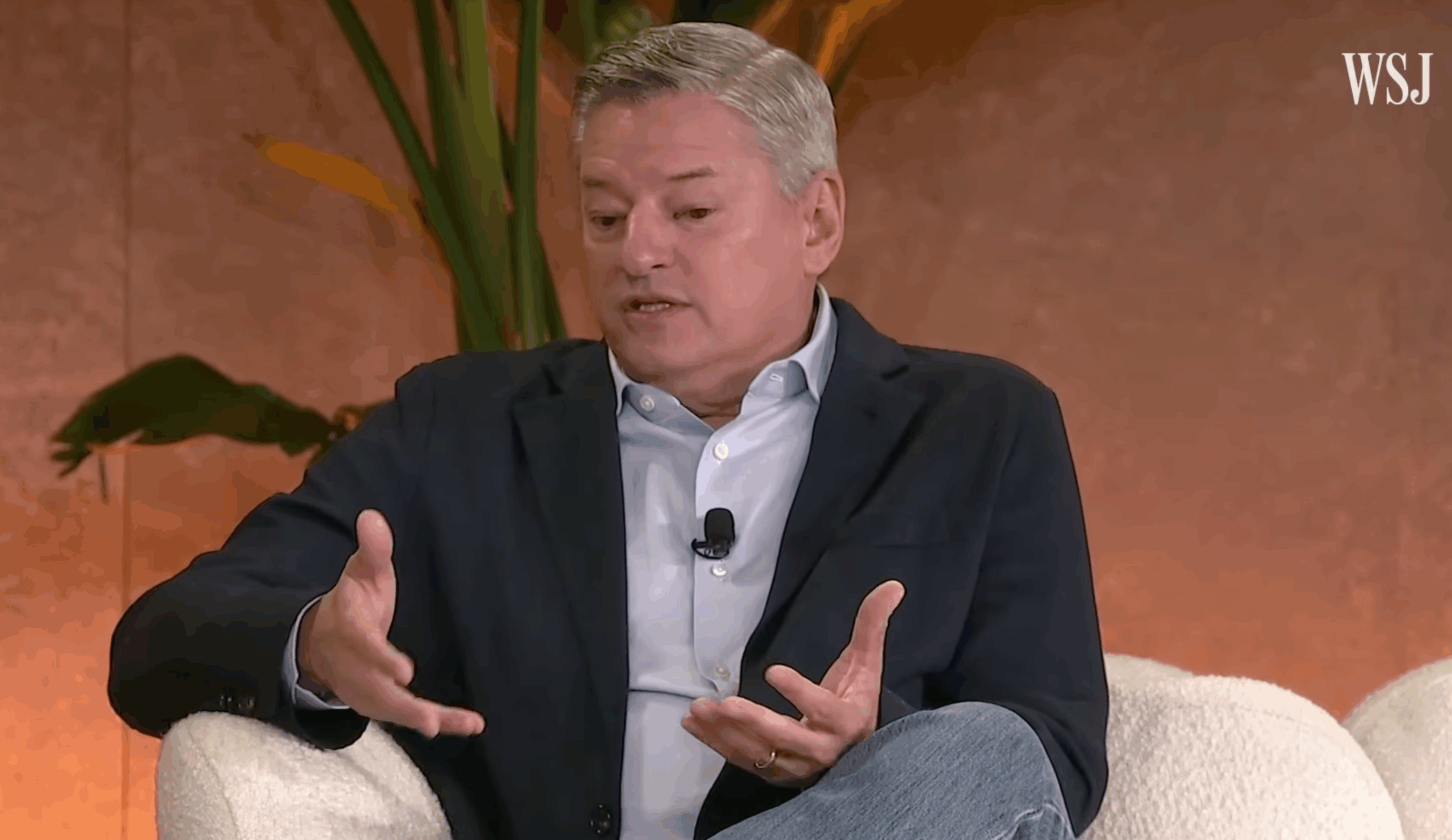
Netflix Co-CEO Ted Sarandos – YouTube, WSJ News
“We will run that business largely like it is today, with 45-day windows,” Sarandos said.
This marks the first time Sarandos has attached a concrete number to Netflix’s theatrical intentions in the context of the Warner Bros. acquisition, and it represents a notable shift from Netflix’s early reputation as a company openly hostile to theaters.
Netflix’s Changing Tune on Theatrical Releases
Sarandos framed the commitment not as a concession, but as a business imperative. He emphasized that Warner Bros.’ theatrical infrastructure remains enormously valuable and profitable — and not something Netflix intends to undermine.
“When this deal closes, we will own a theatrical distribution engine that is phenomenal and produces billions of dollars of theatrical revenue that we don’t want to put at risk,” Sarandos said.
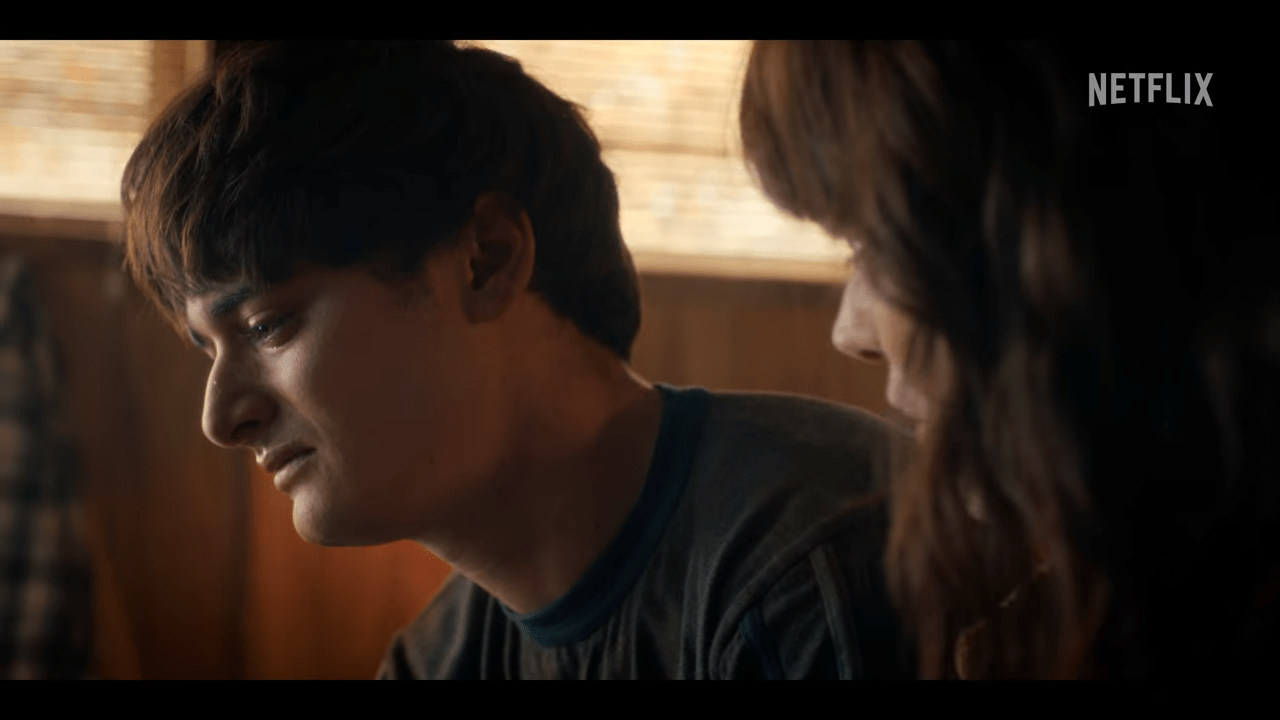
Will Byers (Noah Schnapp) – YouTube, Netflix
He went further, rejecting the idea that Netflix views theatrical releases as secondary or symbolic. According to Sarandos, box office performance would remain a priority.
“I’m giving you a hard number. If we’re going to be in the theatrical business, and we are, we’re competitive people — we want to win. I want to win opening weekend. I want to win box office,” he added.
Those remarks are particularly notable given Sarandos’ past comments that have been interpreted as dismissive of theaters. Most notably, Sarandos claimed the theatrical model was “outmoded” in the age of streaming.
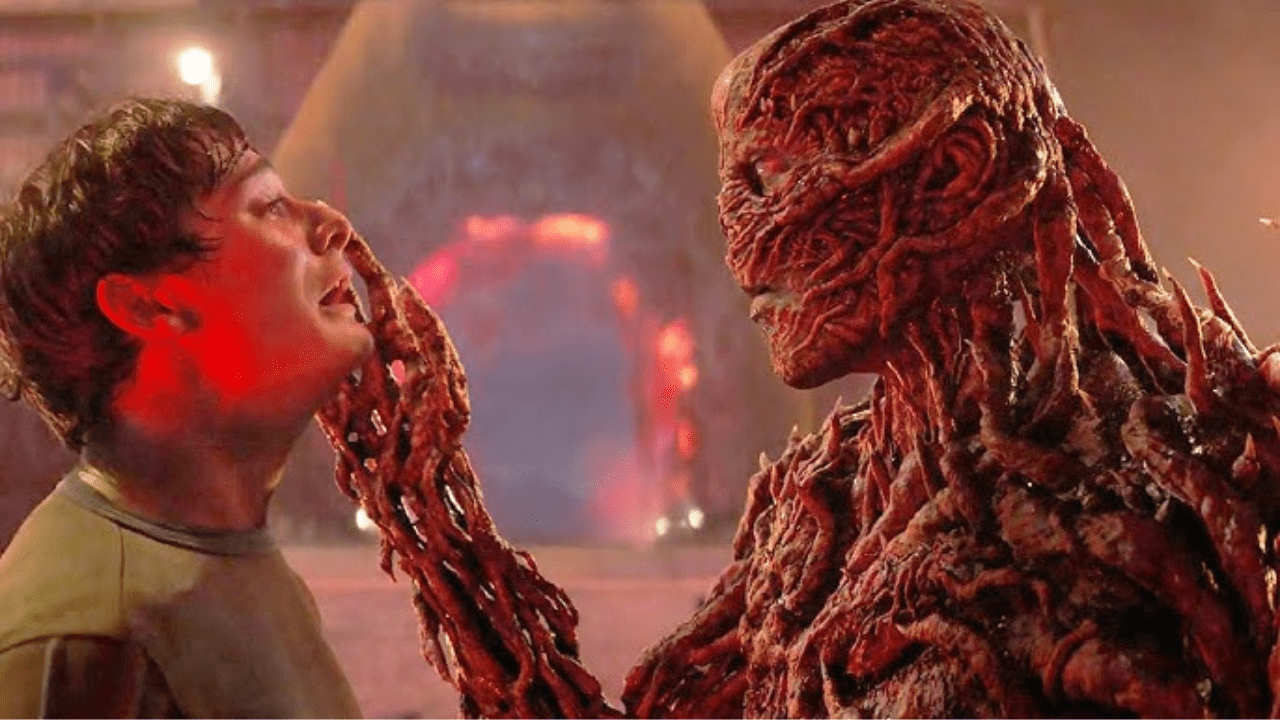
Vecna confronts Will in Stranger Things 5 – Netflix
Addressing that perception directly, he claimed that his earlier remarks were taken out of context.
“You have to listen to that quote again. I said ‘outmoded for some.’” Sarandos explained. “I mean, like the town that Sinners is supposed to be set in does not have a movie theater there. For those folks, it’s certainly outmoded. You’re not going to get in the car and go to the next town to go see a movie. But my daughter lives in Manhattan. She could walk to six multiplexes, and she’s in the theaters twice a week. Not outmoded for her at all.”
The Warner Bros. Business Netflix Wants to Protect
Sarandos also acknowledged that Netflix’s historical absence from the theatrical business was not rooted in ideology, but in timing and market dominance.
“It’s a healthy, profitable business for them,” he said. “We weren’t in that business not because we hated it. We weren’t in that business because our business was doing so well.”
This framing positions Netflix less as a disruptor intent on dismantling legacy systems and more as a buyer seeking to preserve a proven revenue engine — at least in public messaging.
That messaging arrives at a critical moment. The Netflix Warner Bros. deal faces significant regulatory scrutiny due to market concentration concerns, as well as heightened political attention.
President Trump’s Objection and Sarandos’ Response
President Donald Trump recently shared an OAN article on Truth Social that criticized the Netflix–Warner Bros. deal and claimed that we needed to “stop the Netflix cultural takeover.”

U.S. President Donald Trump sits for an interview with ABC News – YouTube, ABC News
Sarandos said he was surprised by the public intervention and downplayed its significance.
“I don’t know why he would have done that,” Sarandos said. “No conversation we ever had was about any of the things that were in that article that he posted. I don’t want to overread it, either.”
While Sarandos avoided escalating the dispute, the President’s comments illustrate the political dimension now surrounding the transaction — particularly given concerns about domestic production jobs and consolidation within the media industry.
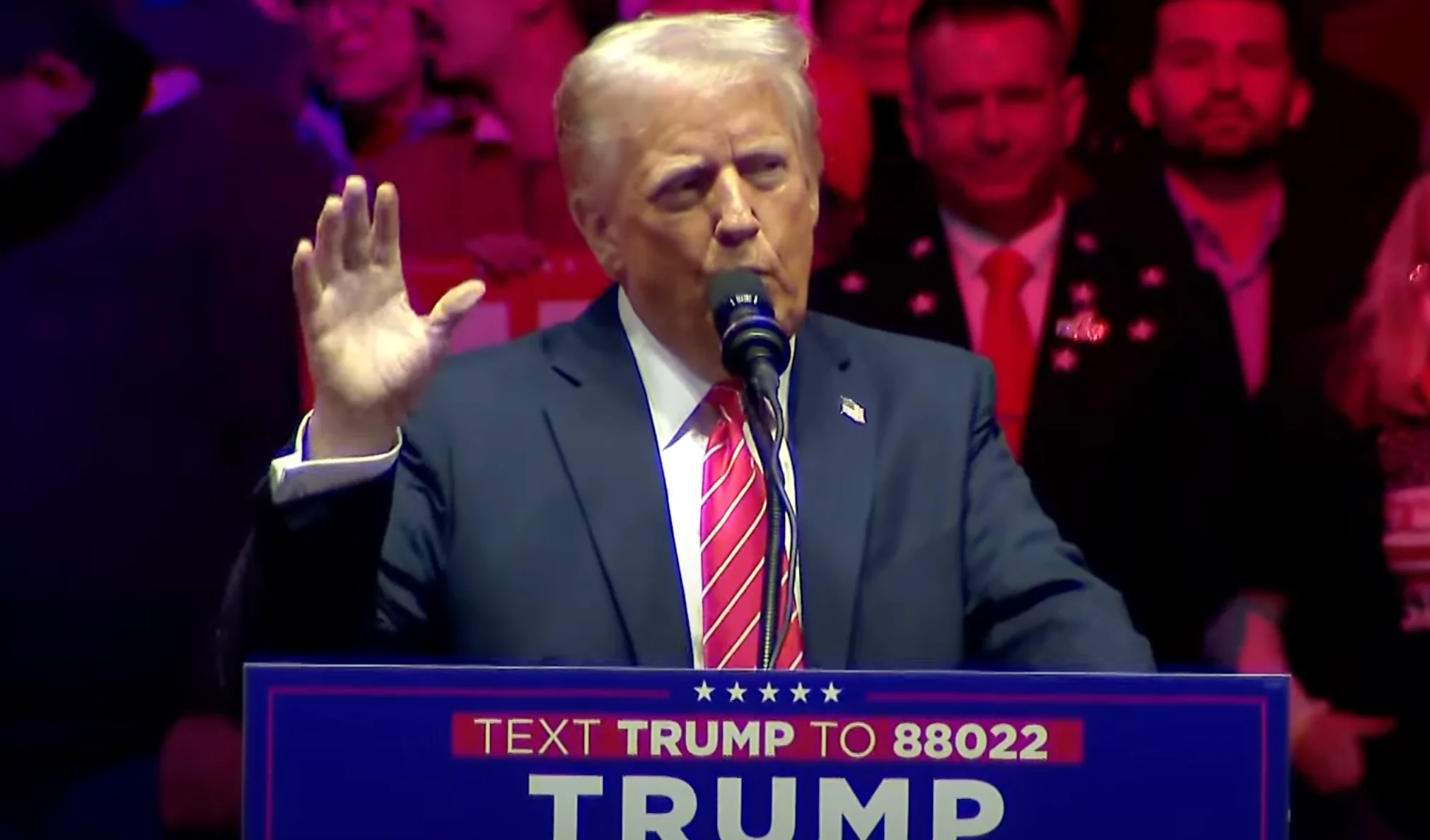
Donald Trump speaks at a rally the night before being inaugurated as the 47th President of the United States of America – YouTube, Washington Post
Sarandos contrasted Netflix’s approach with a hypothetical Paramount–Warner Bros. merger, arguing such a deal could lead to significant job losses. In contrast, he positioned Netflix as a stabilizing steward of the Warner Bros. brand.
“We’re going to be the buyer who keeps Warner Bros. running, releasing movies in theaters the way they always have,” Sarandos said.
What Comes Next for Netflix Warner Bros.
Despite Sarandos’ assurances, the future of the Netflix Warner Bros. deal remains uncertain. Regulatory approval is far from guaranteed, and political resistance may intensify as the implications of such a massive consolidation continue to draw scrutiny.
For now, Sarandos’ comments appear designed to reassure multiple audiences at once: theater owners fearful of shrinking windows, creatives wary of streaming-first mandates, regulators concerned about market dominance, and politicians focused on job preservation.
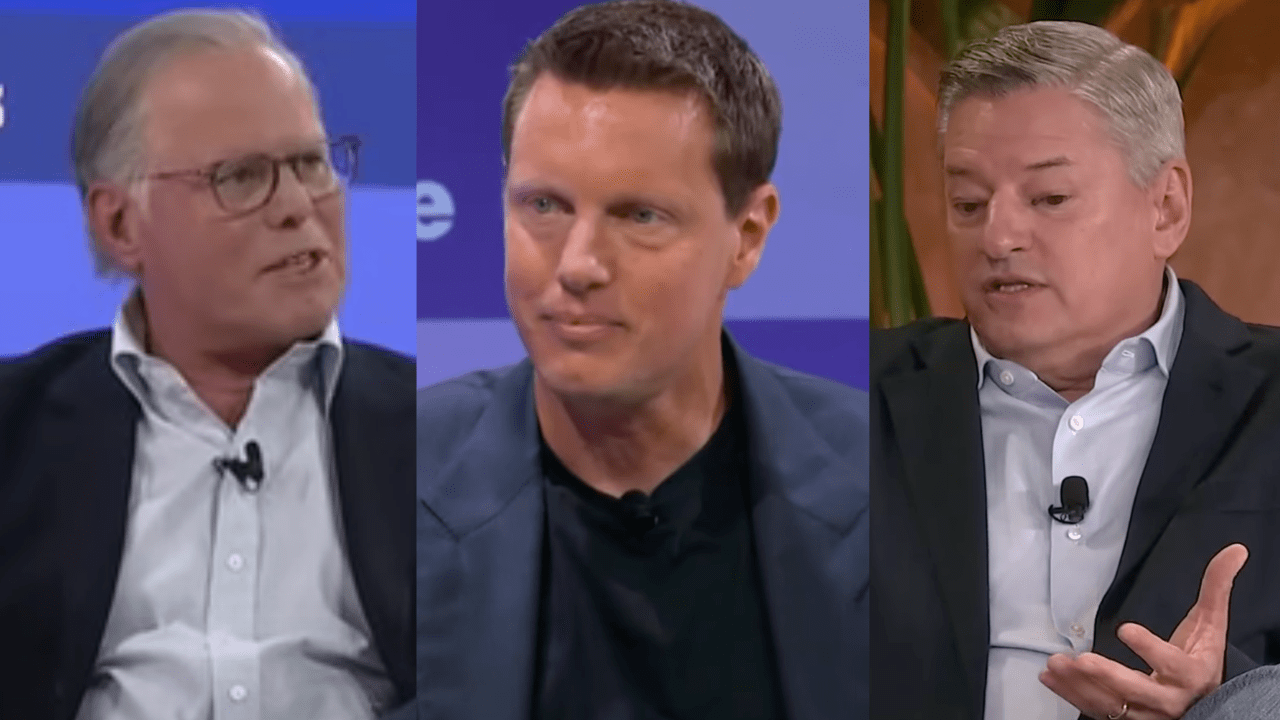
Warner Bros. Discovery CEO David Zaslav, Paramount Skydance CEO David Ellison, and Netflix CEO Ted Sarandos – Photo Source: YouTube, New York Times Events; YouTube, Bloomberg Podcasts; YouTube, WSJ News
Whether those assurances translate into regulatory approval — or long-term trust — remains an open question. What is clear is that Netflix is now publicly committing to a version of Warner Bros. that looks far more traditional than many critics expected.
Do you think Netflix will ultimately own Warner Bros.? Sound off in the comments and let us know!
UP NEXT: Rian Johnson Publicly Contradicts Kathleen Kennedy Claim That He Was “Spooked” by Star Wars Fans
