


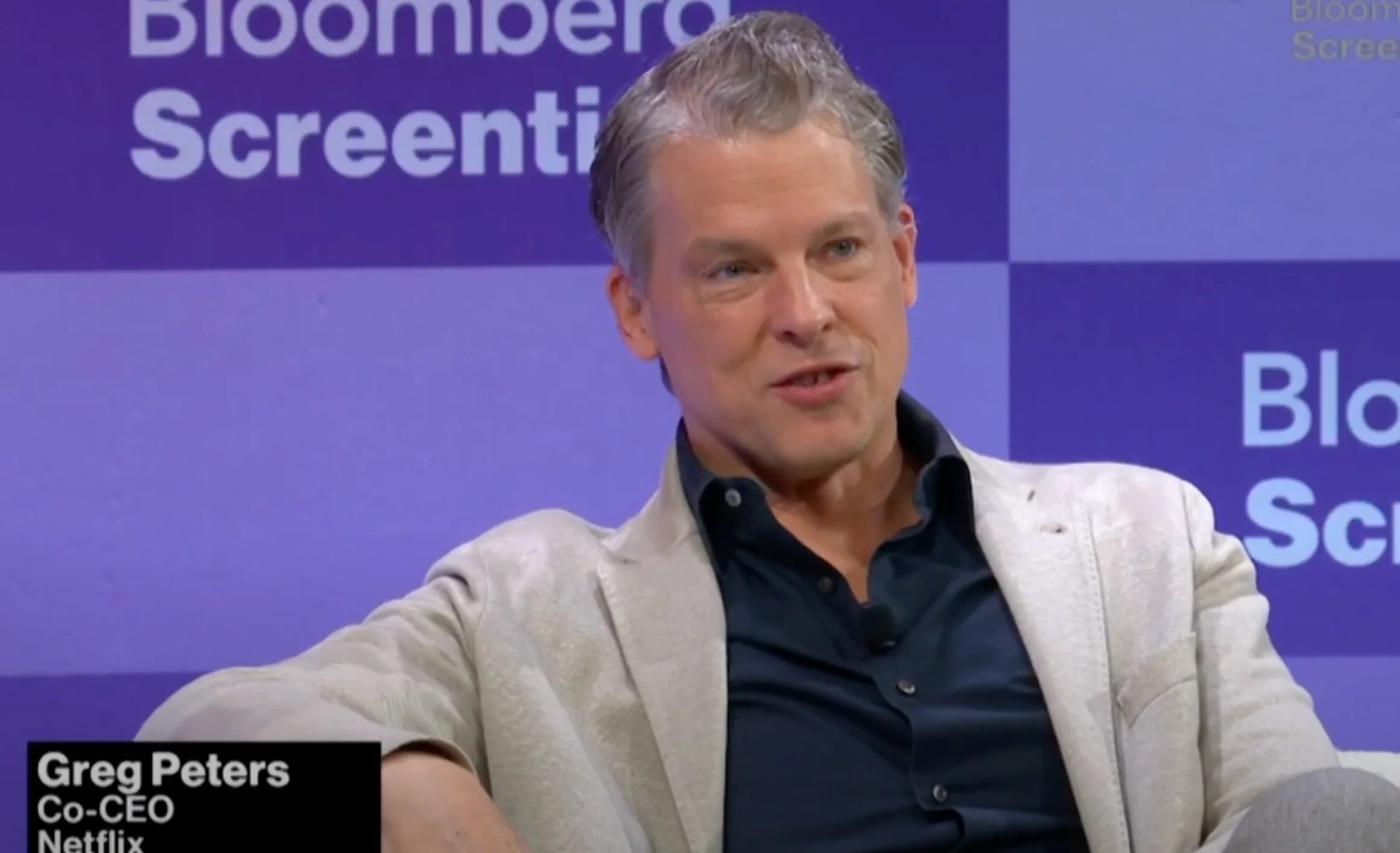
As Wall Street waits to see which media giant will ultimately control Warner Bros. Discovery, tensions between Netflix and Paramount are no longer confined to backroom negotiations and proxy filings. They’re now playing out in public — and the gloves are officially off.
Netflix co-CEO Greg Peters has delivered his sharpest critique yet of Paramount’s competing bid for Warner Bros., arguing that the numbers simply don’t add up and that the offer hinges on a financial structure that, in his words, makes little sense.
The comments came during executive interviews with the Financial Times and were later reported by The Hollywood Reporter, escalating what has become one of the most consequential corporate battles in modern Hollywood.
Netflix Paramount Clash Turns Public
Peters made it clear that Netflix views Paramount’s bid — led by Skydance CEO David Ellison — as fundamentally flawed, particularly when it comes to debt exposure.
“For starters, Ellison’s Paramount Skydance already is saddled with quite a lot of debt,” Peters said.
According to the co-CEO, that debt load makes Paramount’s proposed $30-per-share all-cash offer structurally unstable without outside intervention.
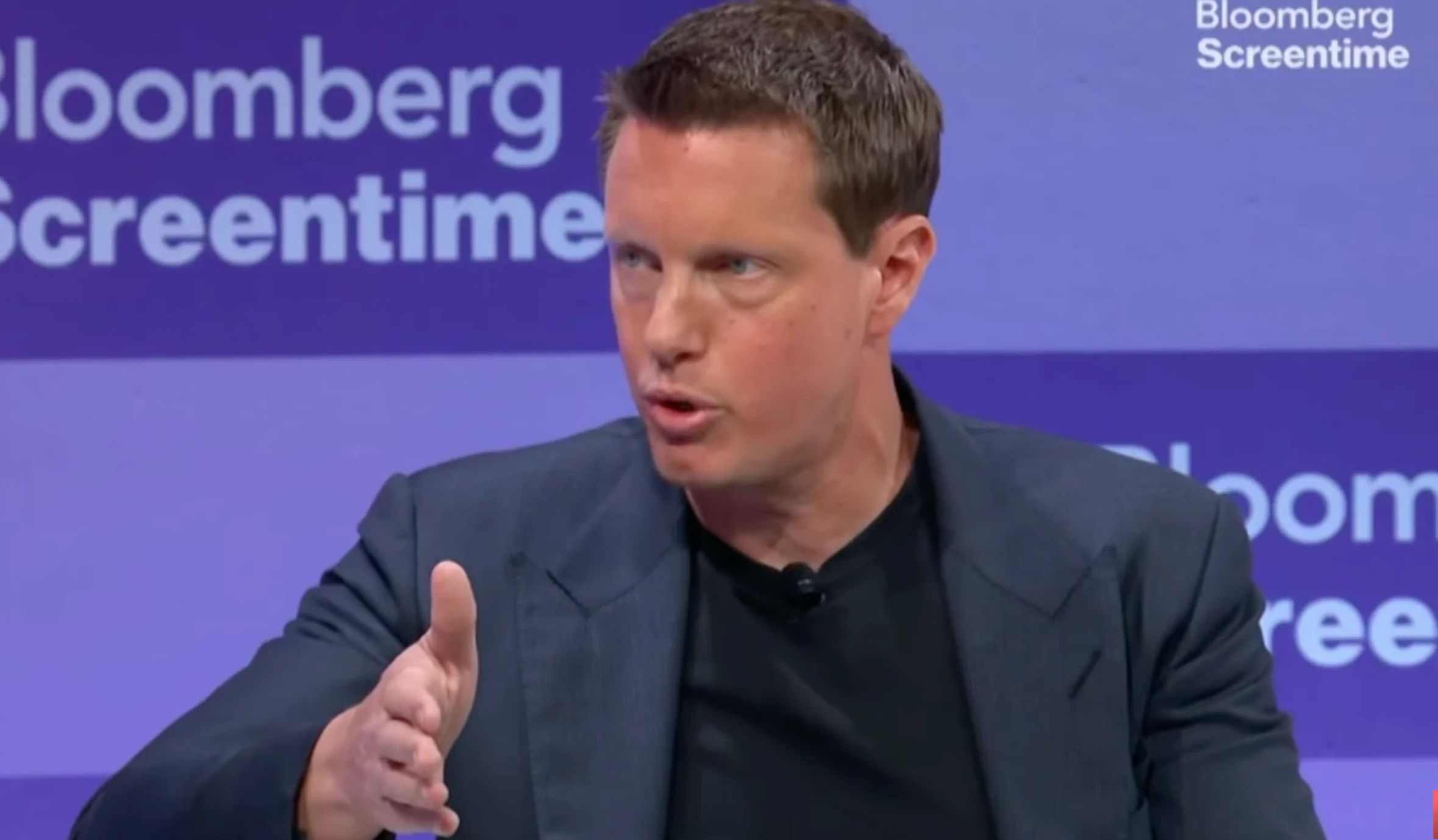
David Ellison in an interview with Bloomberg – YouTube, Bloomberg Podcasts
That intervention, of course, comes from Ellison’s father, Oracle founder Larry Ellison, who has pledged to personally backstop the deal.
Peters was blunt about what that says regarding Paramount’s ability to finance the acquisition on its own.
“Without Larry Ellison independently financing this thing, there’s no chance in hell Paramount would ever be able to pull this off,” he claimed.
Debt, Leverage, and the Core of the Dispute
At the heart of the Netflix Paramount dispute is leverage — specifically, how much debt Paramount would need to take on to outbid Netflix.
Wall Street has speculated that Paramount could raise its offer, but Peters dismissed that idea outright.
“If they were to move [higher], what kind of leverage would they have to have?” he asked. “It’s hard to imagine how that works out well.”
A graphic showing the Netflix and Warner Bros. Logos – Netflix
Netflix, by contrast, has positioned its own bid as cleaner and more straightforward: an $83 billion all-cash offer for Warner Bros.’ studio and streaming assets, including HBO and linear HBO.
Paramount’s offer, meanwhile, totals $108 billion and includes Discovery Global Linear Networks and Discovery+ — a broader but far more complex package.
Paramount Fires Back Through RedBird Capital
Paramount did not leave Peters’ comments unanswered. Gerry Cardinale, founder of RedBird Capital and Paramount Skydance’s second-largest shareholder, rejected the notion that Paramount’s bid is dangerously leveraged.
“Our leverage is nowhere near what they’re talking about,” he said. Cardinale then took aim at Netflix’s proposal, casting doubt on how clean it truly is. “The Netflix deal is the Harry Houdini of deals.”
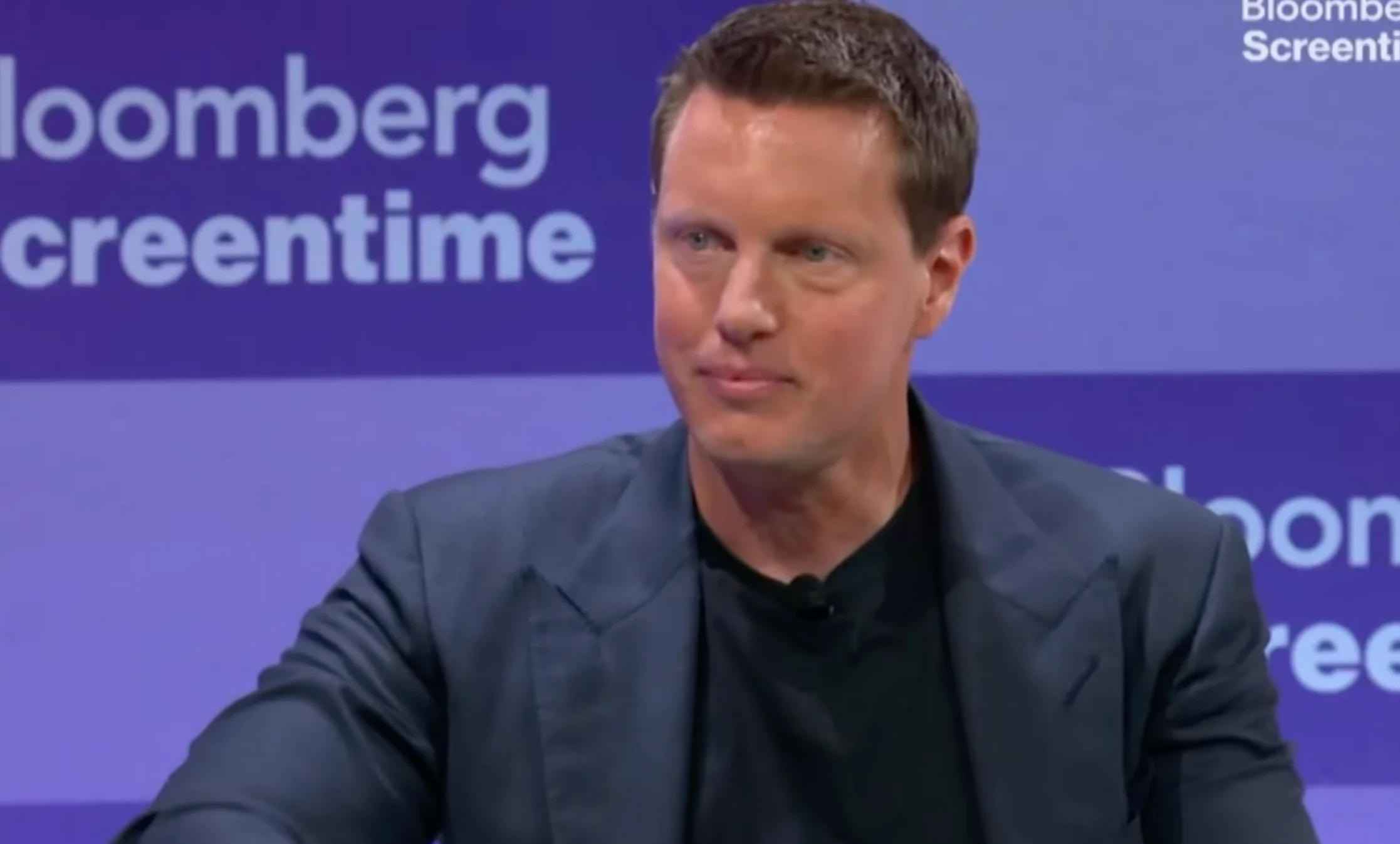
David Ellison talks to Bloomberg – YouTube, Bloomberg Podcasts
The remark suggested that Netflix’s all-cash offer may involve financial maneuvering that’s less transparent than it appears — an accusation Netflix has not publicly responded to beyond Peters’ remarks.
Why Netflix Says the Paramount Bid Fails
Peters ultimately framed the issue as one of credibility and confidence — not just among executives, but among Warner Bros. Discovery leadership and shareholders.
“The Paramount bid doesn’t pass the sniff test in my mind,” he admitted.
Source Photo Credits: Netflix, Warner Bros.
Peters went further, claiming Netflix’s position aligns with those who matter most inside Warner Bros. Discovery.
“And that’s what the Warner Brothers board determined. And I think that’s where the Warner shareholders are at too.”
Those statements appear supported by proxy data. As of January 21st, only approximately 168.5 million shares of Warner Bros. Discovery stock — out of roughly 2.45 billion outstanding shares — had been tendered in response to Paramount’s hostile proxy effort.
A Hostile Push That Hasn’t Gained Traction
David Ellison attempted to sway shareholders directly by urging them to tender their holdings ahead of Warner Bros. Discovery’s upcoming investor meeting. That effort, at least so far, has failed to generate significant momentum.
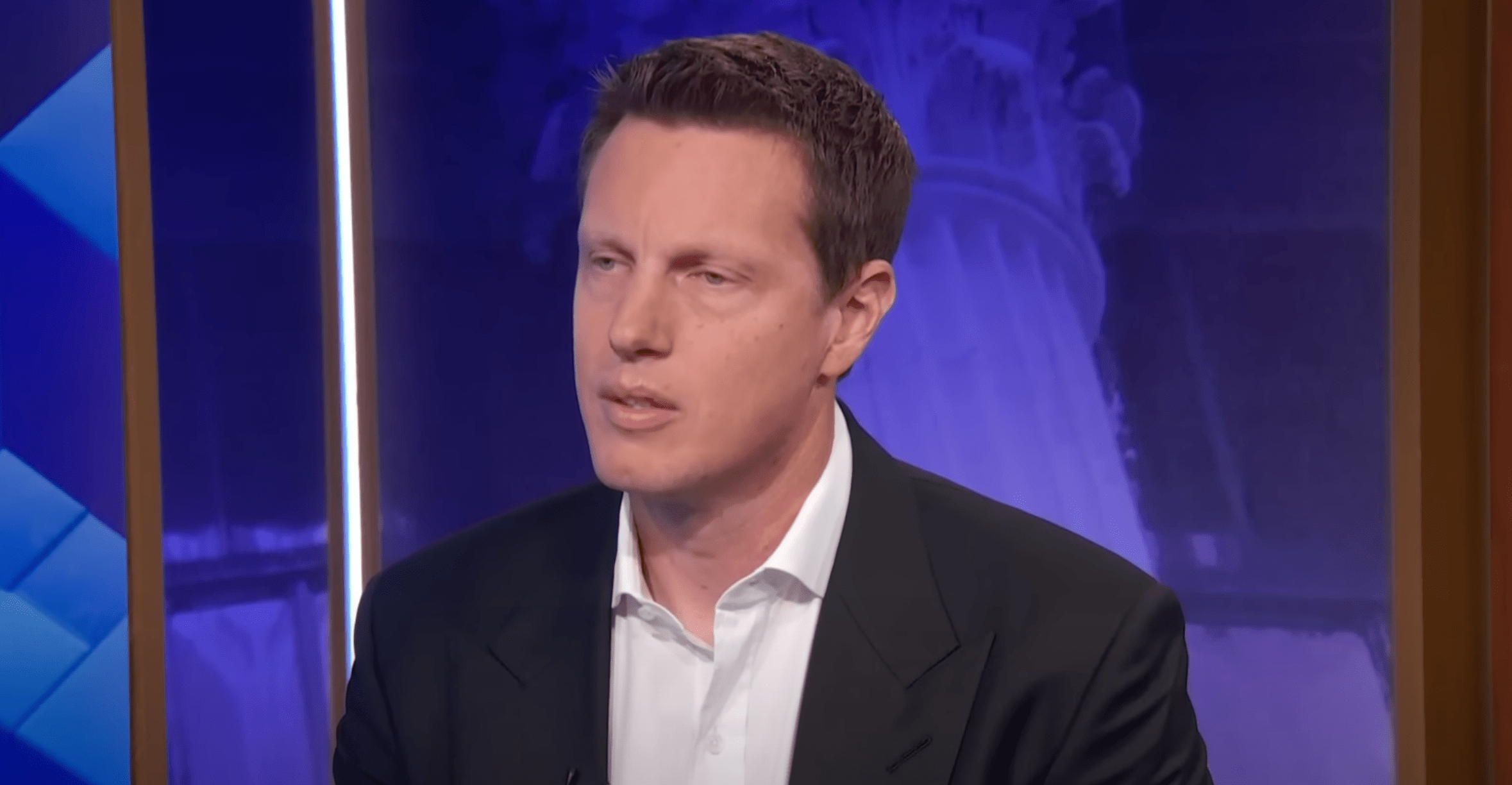
Paramount Skydance CEO David Ellison being interviewed – YouTube, CNBC Television
Peters pointed to the low tender numbers as evidence that Paramount’s bid lacks confidence from the market — reinforcing Netflix’s belief that its offer remains the preferred and more viable path forward.
What the Netflix Paramount Battle Signals for Hollywood
Beyond Warner Bros. Discovery itself, the Netflix Paramount standoff represents a broader shift in Hollywood power dynamics. Netflix is signaling that it believes scale, liquidity, and balance-sheet discipline matter more than legacy conglomerate sprawl.
Paramount, meanwhile, is betting that consolidation — even at higher risk — is necessary to remain competitive in an increasingly brutal streaming and theatrical marketplace.

Warner Bros Discovery Logo
With shareholder votes looming and bids locked in place, the fight is no longer theoretical. It’s financial, public, and deeply personal. Netflix has made clear it believes Paramount’s bid simply doesn’t hold up under scrutiny.
Who do you think will win the battle between Paramount and Netflix? Sound off in the comments and let us know!
